1920s Makeup Trends: A Vintage Beauty Guide to 1920 Cosmetics
The 1920s marked a revolutionary shift in beauty standards and cosmetics. Often called the Roaring Twenties, this era celebrated bold self-expression, liberation, and a dramatic departure from Victorian beauty ideals. The makeup trends that emerged during this period weren’t merely aesthetic choices—they represented a cultural rebellion. Women embraced darker lipsticks, defined eyes, and a porcelain complexion that symbolized modernity and independence. Understanding 1920 cosmetics offers insight into how beauty standards evolve and how vintage techniques can inspire contemporary skincare and makeup routines.
The 1920s cosmetics industry experienced unprecedented growth, with brands introducing innovative formulations and bold color palettes. This decade saw women experimenting with makeup in ways their mothers never could, transforming beauty application into an art form. From skincare routines for glowing skin to dramatic eye makeup, the 1920s established foundational beauty principles that remain relevant today. Whether you’re interested in vintage beauty for historical appreciation or modern recreation, this guide explores the essential elements of authentic 1920s makeup trends.

The Cultural Revolution Behind 1920s Beauty
The 1920s represented a seismic shift in women’s roles and self-perception. With women gaining voting rights, entering the workforce, and rejecting restrictive Victorian corsets, makeup became a powerful tool for self-determination. The flapper aesthetic—characterized by boyish silhouettes, shortened hemlines, and bold makeup—directly challenged traditional femininity.
Prior to the 1920s, cosmetics were often viewed with suspicion. Respectable women wore minimal makeup, if any. The 1920 cosmetics revolution changed this perception entirely. Makeup transformed into an essential accessory for modern women, signifying sophistication, confidence, and progressive thinking. Department stores began dedicating entire cosmetics counters to makeup, and beauty companies launched aggressive advertising campaigns targeting young women.
This cultural context is crucial for understanding why 1920s makeup looks so distinctive. The heavy kohl-lined eyes, cupid’s bow lips, and porcelain complexion weren’t arbitrary choices—they were deliberate statements of modernity and independence. Women used makeup to visually communicate their rejection of outdated beauty standards.
Foundation and Base Products in 1920 Cosmetics
Achieving the perfect 1920s base required specific products and techniques. During this era, makeup artists and everyday women prioritized an extremely pale, almost translucent complexion. This wasn’t merely aesthetic—paleness signified leisure and wealth, as tanned skin indicated outdoor labor.
Face Powder and Foundations: The foundation of 1920s makeup was typically a cold cream or grease paint base, followed by generous application of loose powder. Popular brands like Pond’s Cold Cream and Coty powder dominated the market. Women applied powder with large powder puffs, creating a matte, almost chalky finish. The goal was complete coverage that looked artificial by modern standards but was considered the height of elegance then.
The complexion needed to be completely uniform—any natural skin texture or blemish was carefully covered. Women often used multiple powder applications throughout the day to maintain the pale, powdered appearance. This technique required consistent skin soothing practices, as the heavy powder could irritate sensitive skin.
Ingredient Considerations: Early 1920s cosmetics contained ingredients we’d consider problematic today, including lead-based powders and bismuth. By the mid-1920s, regulations began tightening, and safer ingredients became more common. Modern recreations of 1920s makeup use talc-based or silica powders that provide the same aesthetic without toxic elements.
To prepare skin for this heavy makeup application, women relied on cold creams and facial oils. Skincare products with antioxidants weren’t available then, but women used rose water, glycerin, and natural oils to maintain skin health beneath the makeup layers.
The Iconic 1920s Eyes: Kohl and Definition
Perhaps no feature defines 1920s makeup more than the eyes. The dramatic, heavily-lined eye look became synonymous with the flapper aesthetic and remains instantly recognizable today.
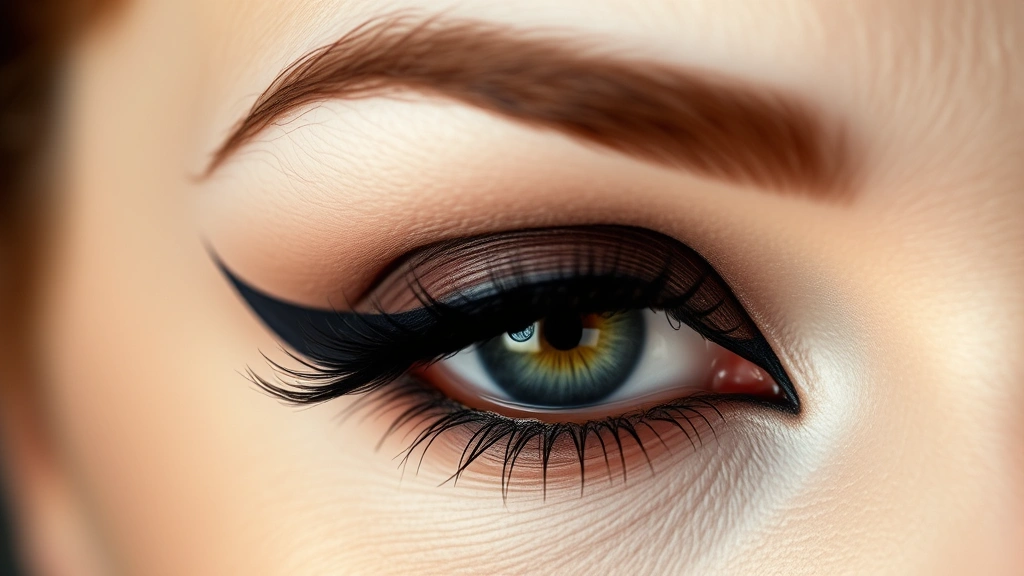
Kohl and Eyeliner Application: Women applied thick black or dark brown kohl eyeliner to both upper and lower lids, often extending the line beyond the natural eye shape. This created an exaggerated, almost cat-like appearance. The liner was typically applied heavily on the lower lash line, creating a smudged effect that modern makeup artists would call a smokey eye.
The technique involved using a kohl pencil or cake eyeliner applied with a damp brush. Women would line the entire eye—upper lid, lower lid, and waterline—creating a dramatic frame. Some even extended the line toward the temples, creating an elongated eye shape.
Eyeshadow and Highlighting: Eyeshadow in the 1920s was minimal compared to contemporary standards. When used, it was typically a neutral brown or occasionally a muted blue or green. The focus remained on the kohl outline rather than colorful shadow. Women used eyeshadow sparingly to add subtle dimension without competing with the dramatic liner.
Mascara and Lashes: The first mascaras appeared in the early 1900s, but 1920s versions were cake mascaras applied with brushes. Women applied multiple coats to create thick, dramatic lashes. Some used artificial lashes or lash extensions made from human hair, which were labor-intensive but highly coveted. The goal was to make lashes appear as prominent as the heavy eyeliner.
Lips: The Bold Statement of the Era
If the eyes were the foundation of 1920s makeup, the lips were the statement piece. The decade introduced bold, dark lipsticks that represented female empowerment and modernity.
The Cupid’s Bow: The signature 1920s lip shape featured a pronounced cupid’s bow—a small, defined peak in the center of the upper lip. Women achieved this by carefully drawing their lip line slightly above their natural lip line, creating a more defined, exaggerated shape. This technique required steady hands and precise lip pencils or brushes.
Lipstick Colors: The most iconic 1920s lipstick shades were deep reds, burgundies, and browns. These dark, sophisticated colors communicated confidence and modernity. Brands like Elizabeth Arden and Chanel released bold lipstick lines that became status symbols. The lipstick was applied opaquely, with no gradient or ombré effect—just solid, dramatic color.
The depth and intensity of 1920s lipstick shades varied by occasion and personal preference. Evening looks featured the deepest reds and burgundies, while daytime might feature slightly lighter shades. However, even daytime lipstick was considerably bolder than pre-1920s standards.
Lipstick Formulations: 1920s lipsticks were typically made from grease-based formulas containing castor oil, beeswax, and colorants. They had a creamy texture and moderate staying power—women frequently reapplied throughout the day. Modern recreations use similar base ingredients but with improved longevity and comfort.
Cheeks and Contouring Techniques
While eyes and lips dominated 1920s makeup, cheeks played an important supporting role in creating the overall aesthetic.
Blush Application: Women applied blush in a specific way that differed from modern techniques. Rather than following the natural contour of cheekbones, 1920s blush was applied in a circular or slightly triangular shape on the apples of the cheeks. The placement was higher and more centered than contemporary contouring, creating a youthful, almost doll-like appearance.
The colors were typically warm—coral, peach, rose, and burgundy tones dominated. The intensity varied, but generally, 1920s blush was more noticeable than modern subtle applications. Women used cream or powder blush, often layering it over the heavy foundation and powder base.
Contouring Principles: While not called contouring, 1920s makeup artists used shading techniques to refine facial structure. Darker powders were applied to areas meant to recede, while lighter powders emphasized prominent features. This early contouring was subtle compared to modern techniques, but it established foundational principles still used today.
Eyebrows: From Natural to Dramatically Plucked
Eyebrow trends changed dramatically during the 1920s, reflecting broader shifts in beauty standards.
The Evolution of Brow Shape: Early 1920s eyebrows retained some natural fullness, but as the decade progressed, eyebrows became increasingly thin and highly arched. By the late 1920s, the ideal eyebrow was dramatically plucked, creating a thin, defined arch that emphasized the eye area.
This trend toward thinner eyebrows created an almost perpetually surprised expression, which complemented the dramatic eye makeup. Women used eyebrow pencils to define and darken their brows, often creating a thin line rather than a filled shape.
Plucking Practices: Achieving the perfect 1920s eyebrow required significant plucking and maintenance. Women used tweezers to remove hair from above and below the natural brow line, creating a severely arched shape. This practice could be painful and potentially damaging to hair follicles, but it was considered essential for fashionable appearance.
Some women took plucking to extremes, removing nearly all their natural eyebrows and drawing them on completely. This created a more dramatic, artificial look that emphasized the theatrical nature of 1920s makeup.
Skincare Foundations for 1920s Makeup
Achieving authentic 1920s makeup required proper skincare preparation. The heavy makeup application could damage skin if not properly cared for, so women developed skincare routines to maintain skin health.
Cleansing Rituals: Women used cold cream or cleansing oils to remove makeup at night—essential given the heavy powder and grease-based formulations. They followed with facial steaming or warm water rinses. The benefits of facial steaming were well-known even in the 1920s, with women using steam to open pores and remove makeup residue.
Moisturizing and Conditioning: After cleansing, women applied cold cream or facial oils to maintain skin hydration. Brands like Pond’s, Nivea, and Elizabeth Arden offered moisturizing creams that became staples of 1920s skincare. These products protected skin from the drying effects of heavy powder and constant makeup application.
Specialized Treatments: Women used homemade face masks for glowing skin made from natural ingredients like honey, egg whites, and avocado. These treatments provided deep hydration and helped maintain skin clarity despite heavy daily makeup application.
Sunscreen wasn’t available in the 1920s, but the pale complexion trend meant women actively avoided sun exposure, providing unintended UV protection. Women wore wide-brimmed hats and gloves when outdoors, further protecting skin from damage.
Recreating 1920s Makeup Today
Modern beauty enthusiasts and theatrical performers frequently recreate 1920s makeup looks. Understanding authentic techniques helps achieve historically accurate results.
Product Selection: Contemporary makeup artists can recreate 1920s looks using modern products. For the base, use a full-coverage foundation in a shade lighter than your natural skin tone, followed by translucent or setting powder applied generously. Cream or powder blush in warm tones applied to the apples of cheeks completes the base.
For eyes, use a black or dark brown eyeliner pencil to line the entire eye, extending slightly beyond the natural eye shape. Apply black or dark brown eyeshadow in the crease for dimension. Finish with multiple coats of mascara or false lashes for dramatic lashes.
For lips, use a lip liner to create a defined cupid’s bow slightly above the natural lip line, then fill with a deep red, burgundy, or brown lipstick. Complete the look with thin, highly arched eyebrows created through plucking and pencil definition.
Skin Preparation: Before applying 1920s-style makeup, ensure skin is properly prepared. Follow a skincare routine for glowing skin that includes cleansing, toning, and moisturizing. Apply primer to create a smooth base for makeup application and improve longevity.
Maintenance and Removal: The heavy makeup requires careful removal. Use a gentle cleansing oil or micellar water to dissolve makeup, followed by a cream cleanser for thorough cleansing. Apply moisturizer to prevent skin irritation from the heavy product application.
Variations and Personal Expression: While authentic 1920s makeup follows specific guidelines, modern recreations can incorporate personal preferences. Some people prefer softer lines, lighter colors, or less dramatic effects while maintaining the overall 1920s aesthetic. The key is understanding the foundational principles—pale base, heavily lined eyes, bold lips, and defined cheeks—then adapting them to personal style.
FAQ
What were the main 1920s makeup trends?
The primary 1920s makeup trends included a porcelain pale complexion, heavily kohl-lined eyes, bold dark lipstick in a cupid’s bow shape, round rosy cheeks, and thin highly-arched eyebrows. These elements created the distinctive flapper aesthetic that defined the era.
Why was pale skin considered beautiful in the 1920s?
Pale skin signified wealth and leisure, as it indicated someone who didn’t work outdoors. This standard continued from Victorian times but was embraced even more dramatically in the 1920s as women sought to distance themselves from outdoor labor and embrace modern, sophisticated beauty.
What ingredients were in 1920s cosmetics?
Early 1920s cosmetics contained lead-based powders, bismuth, and other ingredients now considered toxic. By mid-decade, regulations tightened and safer alternatives became more common. Cold creams used castor oil, beeswax, and glycerin, while powders used talc or rice powder.
Can I recreate 1920s makeup with modern products?
Yes, modern makeup products can effectively recreate authentic 1920s looks. Use full-coverage foundation, translucent powder, dark eyeliner, black eyeshadow, bold lipstick, and cream blush to achieve the period aesthetic while benefiting from improved formulations and safety standards.
How did 1920s women care for their skin under heavy makeup?
Women used cold cream cleansers, facial steaming, and moisturizing oils to maintain skin health. They followed nighttime cleansing routines and used natural face masks. Avoiding sun exposure (part of the pale skin ideal) also protected skin from damage.
What’s the difference between 1920s and modern makeup aesthetics?
1920s makeup emphasized bold, dramatic features with heavy products and obvious application. Modern makeup often aims for a more natural, blended appearance with subtle contouring and lighter coverage. However, some contemporary trends echo 1920s boldness in lip color and eye definition.