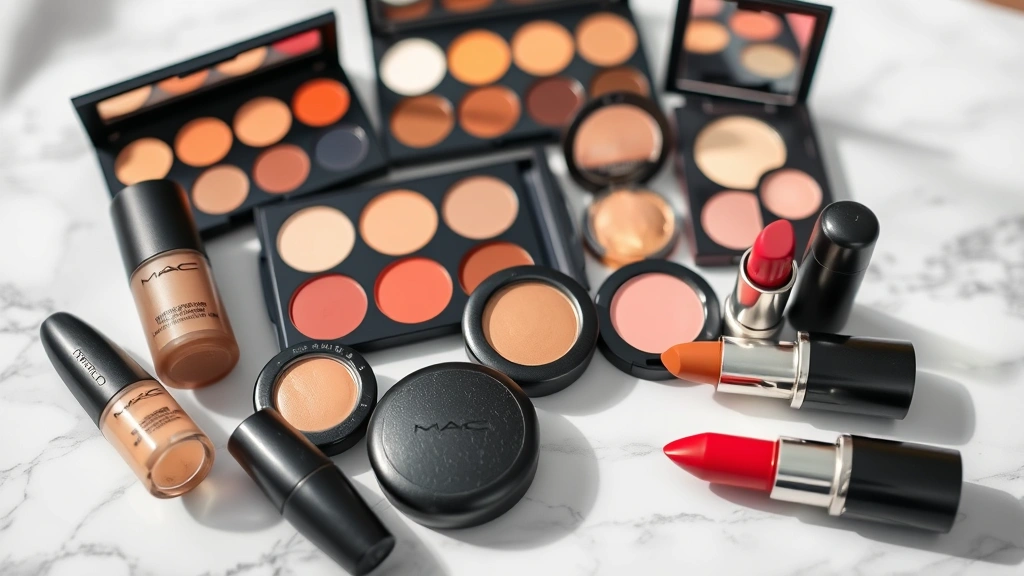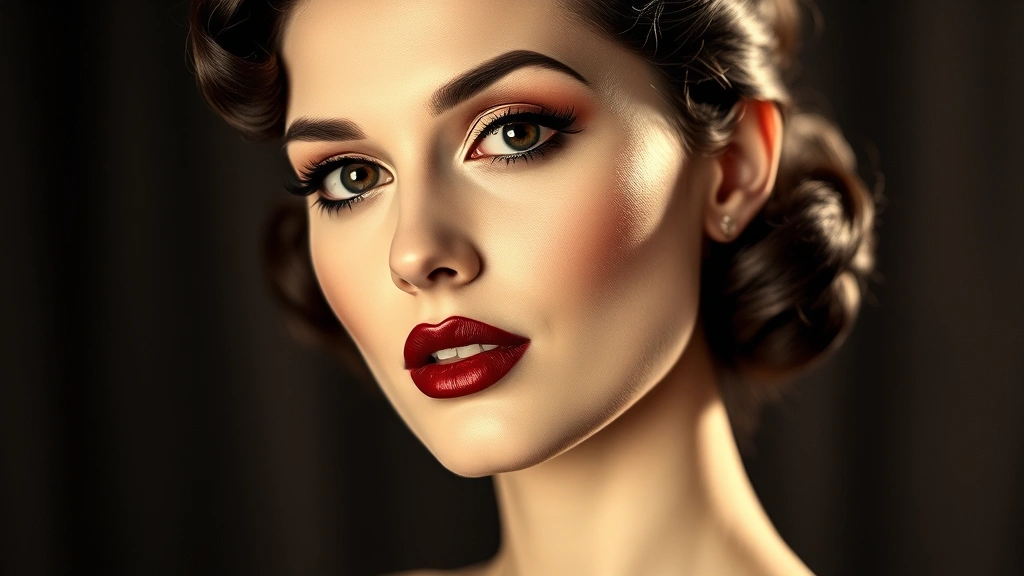
The 1930s represented a transformative decade for cosmetics and beauty culture. As the Great Depression gripped America, makeup became more accessible and glamorous than ever before, with Hollywood starlets dictating beauty standards that women desperately sought to emulate. This era witnessed the rise of dramatic eye makeup, bold lips, and a sophisticated aesthetic that contrasted sharply with the previous decade’s more rebellious flapper look. Understanding 1930s cosmetics reveals how economic hardship paradoxically fueled innovation in the beauty industry, making luxury beauty accessible to middle-class consumers.
The 1930s makeup trends reflected a shift toward Old Hollywood elegance and refined femininity. Women abandoned the androgynous styles of the 1920s in favor of more defined, sculpted faces that emphasized cheekbones, lips, and eyes. The decade’s cosmetics industry boomed with new formulations, innovative packaging, and marketing strategies that targeted working women and homemakers alike. From the iconic dark lipstick shades to the emergence of mascara as a must-have product, 1930s cosmetics established beauty conventions that remain influential today.
The Rise of Hollywood Glamour and Beauty Standards
The 1930s marked the golden age of Hollywood, and with it came an unprecedented influence on global beauty standards. Actresses like Marlene Dietrich, Greta Garbo, and Joan Crawford became the ultimate beauty icons, their makeup looks dissected and replicated by millions of women. The film industry’s bright studio lighting necessitated heavier makeup application, which paradoxically made theatrical beauty seem achievable for everyday women. Studios invested heavily in makeup departments, and the cosmetics industry capitalized on this fascination by marketing products that promised to recreate Hollywood glamour at home.
Beauty magazines of the era featured extensive tutorials on how to achieve the “movie star look.” Department stores created cosmetics counters inspired by Hollywood makeup artistry, and beauty consultants became increasingly common. The economic depression meant that while luxury goods were out of reach, cosmetics remained relatively affordable indulgences that offered psychological escape and self-improvement. Women could invest a few cents in lipstick or mascara to feel connected to the glamorous world of cinema, making 1930s cosmetics democratized luxury in its truest form.
The shift toward Old Hollywood aesthetics introduced the concept of contouring and strategic makeup application to mainstream beauty culture. Women learned to use makeup not merely as decoration but as a sculptural tool to reshape their facial features. This philosophy influenced how foundation, powder, blush, and bronzer were applied, establishing techniques that beauty professionals still teach today. The 1930s essentially created the modern makeup artist’s approach to facial enhancement.
Iconic Lip Colors and Formulations of the Era
The most defining feature of 1930s makeup was undoubtedly the lip. Deep, rich colors dominated the decade, with shades ranging from burgundy and wine to true reds and brownish-reds. Unlike the bright orange-reds of the 1920s, 1930s lipsticks emphasized sophistication and maturity. The most popular shades had blue or purple undertones, creating a vampirous, mysterious appearance that became synonymous with Old Hollywood elegance. Brands like Tangee, Elizabeth Arden, and Revlon (founded in 1932) revolutionized lipstick formulations and color ranges.
Lipstick formulations of the 1930s typically contained castor oil, beeswax, and carmine dye derived from cochineal insects. These ingredients created a creamy texture that adhered well to lips without the drying effects of earlier formulas. The innovation of the metal lipstick tube replaced paper-wrapped bullets, making application more precise and hygienic. Tangee’s “Color-Rite” lipstick, which changed color based on individual lip chemistry, became a sensation during this period. The brand marketed the product as revolutionary because it supposedly customized to each woman’s unique complexion.
The application technique for 1930s lips was exacting and deliberate. Women used lip brushes to apply color with precision, often extending the lip line slightly beyond the natural border to create fuller-looking lips. Lip liners as we know them didn’t exist, so women used eyebrow pencils or special lip pencils to define the mouth. The emphasis on lip shape meant that lip care became important; women used lip balms and oils to maintain smooth, supple lips that could showcase the rich lipstick colors. This attention to lip health parallels modern beauty practices, where preventing chapped lips remains essential for flawless makeup application.
Eye Makeup Revolution: Mascara and Dramatic Lids
The 1930s witnessed the emergence of mascara as an essential beauty product. While mascara existed in earlier forms, the 1930s brought innovations that made application easier and results more dramatic. The most popular mascara formulation was a cake product that came in a small tin or jar, applied with a damp brush. Maybelline’s cake mascara became the industry standard, offering rich black color and volumizing effects that made lashes appear thick and dramatic.
Eye shadow during the 1930s was typically applied in neutral, earthy tones—browns, taupes, and soft greens—to create depth and dimension. However, the application technique was far more dramatic than we might expect. Women used multiple shades to create a sculpted effect, with darker colors in the crease and lighter shades on the lid. Some women experimented with subtle color, using pale blues or purples on the lids. The goal was always to make eyes appear larger and more expressive, a technique that required skill and practice.
Eyeshadow products of the era came in cream formulations or pressed powder formats. The cream shadows were often quite thick and required careful blending to avoid obvious demarcation lines. Women used their fingers or small brushes to apply and blend these products, as modern makeup brushes and blending techniques hadn’t yet been developed. Despite the limitations of the tools and formulations, 1930s makeup artists achieved remarkably sophisticated eye looks that remain inspirational to contemporary makeup enthusiasts.
The emphasis on dramatic eyes meant that quality makeup brushes became increasingly important, though the selection available was limited compared to today’s options. Women often improvised with sable brushes designed for painting or used their fingers for application and blending. The lack of specialized tools actually encouraged skillful application technique, as makeup artists had to rely on steady hands and understanding of color theory rather than technology.
Foundation and Powder: Achieving the Perfect Base
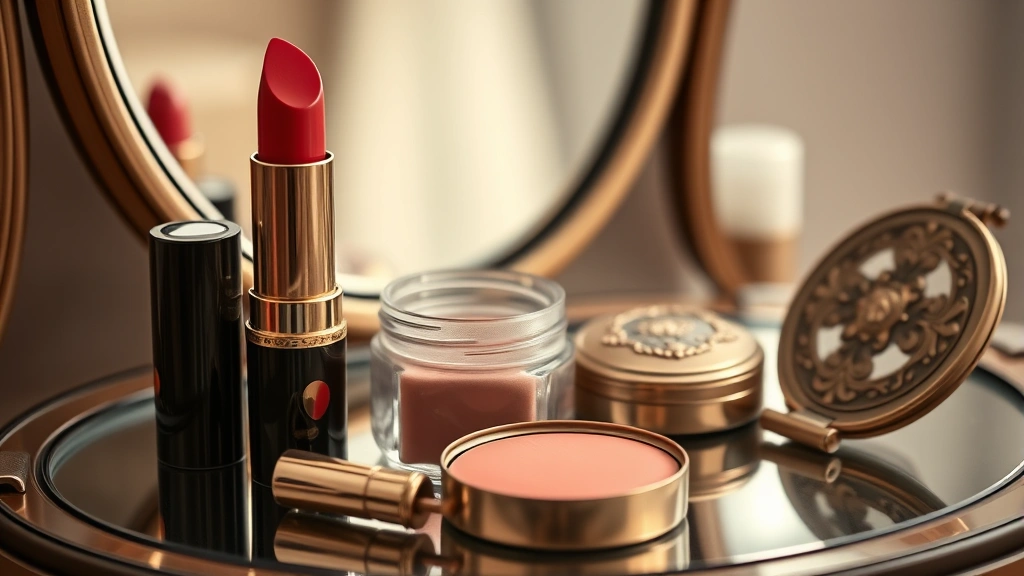
Foundation in the 1930s was dramatically different from modern formulations. Liquid foundations didn’t exist; instead, women used cream-based products or greasepaint designed for theatrical use. These heavy formulations provided full coverage and a matte finish, but they required careful application and blending to avoid an obvious mask-like appearance. Brands like Pond’s Cold Cream and Elizabeth Arden’s Venetian creams served double duty as skincare and makeup base products.
The application process was labor-intensive. Women would apply cream foundation with their fingers, warming the product slightly to improve blendability. Once the foundation was set, they would powder heavily with loose powder applied via large powder puffs. The powder served multiple purposes: it set the foundation, absorbed excess oil, and created the matte finish that was considered essential for elegance. Powder shades ranged from white to pale pink to accommodate different skin tones, though the range was far more limited than modern foundations.
Complexion care and foundation selection were intrinsically linked in 1930s beauty culture. Women were encouraged to prepare their skin meticulously before makeup application, using cleansers, toners, and moisturizers. The belief was that a well-prepared, healthy complexion would show through makeup, creating a luminous appearance. This philosophy aligns with modern skincare understanding, where maintaining healthy skin through collagen production ensures that makeup applies smoothly and looks natural.
The challenge with 1930s foundation formulations was their tendency to oxidize and separate throughout the day. Women carried powder compacts and blotting papers for touch-ups, establishing the habit of midday makeup maintenance that continues today. The heavy cream foundations also required specific removal techniques; cold cream was used to dissolve the makeup before cleansing with soap and water. This nightly ritual became ritualized in women’s beauty routines, emphasizing the importance of proper makeup removal and skincare.
Eyebrow Trends and Shaping Techniques
Eyebrows in the 1930s underwent a significant transformation from the thin, overly plucked brows of the 1920s. As the decade progressed, women began allowing their brows to grow fuller and more natural, though still carefully shaped. The ideal brow had a defined arch and a clean line, achieved through plucking and careful grooming. Eyebrow pencils became increasingly popular for filling in sparse areas and creating definition.
The eyebrow products of the 1930s were primarily pencils in shades of brown and black. These pencils had a slightly harder texture than modern brow products, requiring a light hand to avoid harsh, drawn-on appearance. Women would use short, feathering strokes to mimic natural hair growth, a technique that remains fundamental to eyebrow makeup today. Some women also used eyebrow brushes to comb and shape their brows, though these were not as common as pencils.
The shape of the ideal 1930s eyebrow reflected the broader beauty philosophy of the era: defined, sculpted, and deliberately shaped to enhance the eyes and create facial balance. The arch was typically positioned slightly further back on the brow than modern placement, creating a different angle to the face. This brow shape complemented the heavily shadowed eyes and dramatic lids, creating a cohesive look that emphasized the upper face and eyes.
Blush and Contouring in the 1930s
Blush application in the 1930s was subtle compared to the dramatic eye and lip makeup. Women used cream or powder blush in soft rose, peach, and coral tones, applying color primarily to the apples of the cheeks. The goal was not to draw attention to the cheeks but rather to create a healthy, youthful flush that suggested vitality. The application was typically concentrated in the center of the cheek, with careful blending to avoid obvious demarcation.
Contouring as a deliberate technique wasn’t formalized in the 1930s, but women intuitively used darker foundation shades or powder to create shadow and definition in the hollows of their cheeks. This subtle sculpting created the appearance of higher, more prominent cheekbones—a feature considered essential for 1930s beauty. The technique required a subtle hand and understanding of how light and shadow worked on the face, skills that makeup artists developed through experimentation and observation of Hollywood makeup practices.
The blush formulations of the era were typically cream-based or finely milled powders that blended seamlessly into foundation. The pigment concentration was lower than modern blushes, requiring careful application to achieve visible color without appearing garish. This limitation actually encouraged skillful application, as makeup artists learned to work with the product’s natural properties rather than relying on intense pigmentation to do the work for them.
Ingredient Innovation and Product Chemistry
The 1930s cosmetics industry experienced significant innovation in formulation chemistry and ingredient sourcing. The decade saw the introduction of synthetic pigments that were more stable and longer-lasting than natural dyes. Coal tar derivatives, particularly the azo dyes, provided vibrant colors for lipsticks and powders while offering better staying power than earlier formulations. These innovations made cosmetics more reliable and consistent, improving the overall makeup experience for consumers.
Ingredient safety became a growing concern during this period, leading to increased regulation and standardization. The Federal Food, Drug, and Cosmetic Act of 1938 established guidelines for cosmetic safety and labeling, fundamentally changing how products were formulated and marketed. Prior to this legislation, cosmetics could contain potentially harmful substances; the new regulations pushed manufacturers toward safer alternatives and more transparent ingredient disclosure. This regulatory shift influenced formulation chemistry and introduced preservation systems that extended product shelf life.
Beeswax remained a staple ingredient in lipsticks and cream products, valued for its emollient properties and ability to hold color. Castor oil provided slip and conditioning benefits, while carmine—derived from cochineal insects—offered rich red and purple tones. Plant-based oils like almond oil and mineral oil were incorporated for their moisturizing properties. Understanding these ingredients helps modern consumers appreciate how affordable cosmetic brands balance performance with cost through strategic ingredient selection.
The development of improved emulsification techniques allowed manufacturers to create more stable cream foundations and blushes. These advances in cosmetic chemistry directly contributed to the products’ performance and longevity throughout the day. The innovation also made cosmetics more accessible to manufacturers outside of major cities, allowing smaller brands to enter the market and compete with established companies like Elizabeth Arden and Pond’s.
Affordable Cosmetic Brands That Emerged
The 1930s democratization of cosmetics was largely driven by the emergence of affordable brands that made beauty accessible to working-class women. Maybelline, founded in 1917 but reaching peak popularity in the 1930s, offered quality mascara and eyebrow products at prices far below luxury brands. Revlon, launched in 1932 by Charles Revson, revolutionized the industry by offering a wide range of coordinated lip and nail colors, making it easy for women to create cohesive makeup looks.
Tangee became famous during this era for its innovative color-changing lipstick technology and extensive shade range. The brand’s marketing emphasized scientific innovation and customization, appealing to women who wanted sophisticated products without the luxury price tag. Pond’s capitalized on the popularity of cold cream, positioning their product as both skincare and makeup base. These brands understood that during the Depression, women wanted quality and efficacy, not just prestige.
The affordability of 1930s cosmetics had a democratizing effect on beauty culture. Women across economic classes could now access products that allowed them to achieve the Hollywood look, breaking down barriers that had previously limited makeup experimentation to wealthy women. This shift established the modern cosmetics industry model: affordable, accessible products with broad appeal. Brands like Thrive Cosmetics and Neutrogena cosmetics foundations continue this tradition of offering quality products at reasonable prices.
The marketing strategies employed by 1930s cosmetics brands were innovative and targeted. Print advertisements in women’s magazines featured before-and-after transformations, testimonials from satisfied customers, and educational content about proper makeup application. Department store beauty counters became destinations where women could learn techniques and discover new products. This combination of accessible pricing, educational marketing, and in-store experience created a powerful model that modern cosmetics companies still employ today.
FAQ
What were the most popular lipstick colors in the 1930s?
Deep burgundy, wine, and brownish-red shades dominated 1930s lipstick preferences. These colors had blue or purple undertones, creating a sophisticated, vampirous appearance. True reds were also popular, but the emphasis was on darker, more muted tones compared to the bright orange-reds of the 1920s. Brands like Tangee, Elizabeth Arden, and Revlon offered extensive shade ranges to accommodate different complexion undertones.
How did 1930s mascara differ from modern formulas?
1930s mascara came primarily in cake form—a solid product in a tin or jar that required dampening with water before application. Women used a small brush to apply the product, which created a thickening and darkening effect. Modern mascaras are liquid-based and offer more dramatic volumizing and lengthening effects. The cake formulas of the 1930s were less intense but provided natural-looking definition suitable for the era’s makeup aesthetic.
What was used as foundation in the 1930s?
Women used cream-based products, greasepaint, and cold creams as foundation during the 1930s. Liquid foundations didn’t exist. These heavy formulations provided full coverage and required careful blending to avoid an obvious mask-like appearance. The foundation was always set with powder to create a matte finish, which was considered essential for proper makeup application. Brands like Pond’s and Elizabeth Arden dominated the foundation market.
How did women remove 1930s makeup?
Cold cream was the primary makeup remover of the era. Women would apply cold cream liberally to dissolve the heavy cream foundations, powders, and other products. After the cold cream had broken down the makeup, they would wipe away the residue with a cloth or tissue. Final cleansing involved soap and water to remove any remaining residue. This nightly ritual became an important part of skincare routines and emphasized the importance of proper makeup removal.
Were eyebrows naturally thick in the 1930s?
After the extremely thin, overly plucked brows of the 1920s, women in the 1930s began allowing their eyebrows to grow fuller and more natural. However, they were still carefully shaped and groomed with defined arches. The ideal brow was fuller than the previous decade but more refined than completely natural brows. This represented a middle ground between the extremes of the 1920s and the fuller, bushier brows that would become popular in later decades.
What ingredient gave 1930s lipsticks their rich colors?
Carmine, derived from cochineal insects, provided the rich red and purple tones in 1930s lipsticks. This natural pigment was combined with beeswax and castor oil to create creamy, long-wearing formulas. The introduction of synthetic coal tar-based dyes during the 1930s offered additional color options and improved stability. These ingredients were combined to create lipsticks that provided rich color, comfortable wear, and adequate staying power throughout the day.