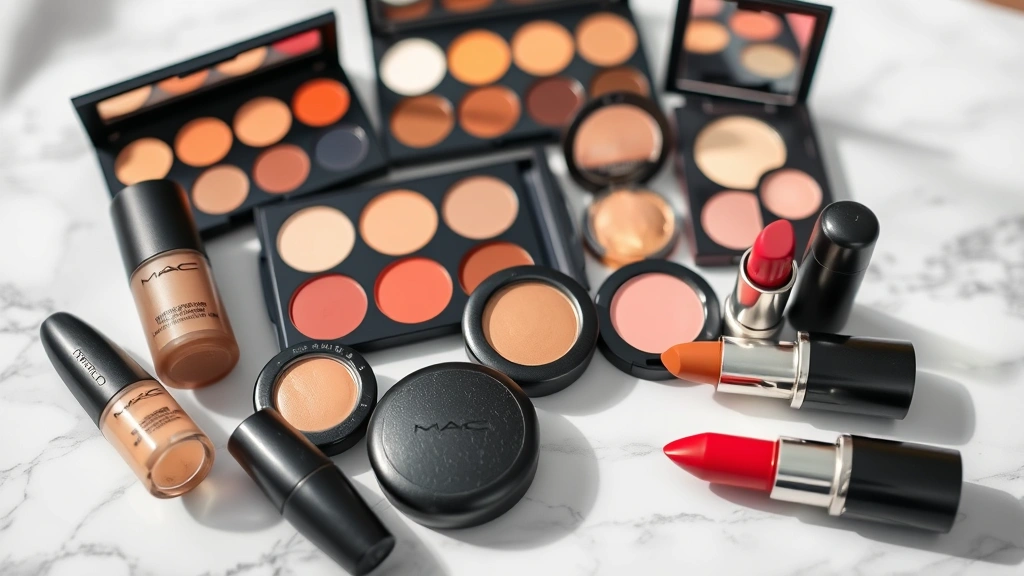
The 1950s represented a transformative era in cosmetics history, where makeup evolved from subtle enhancement to bold, intentional artistry. This golden age of beauty introduced iconic trends that continue to influence modern makeup techniques today. From the perfectly arched eyebrow to the signature red lip, 1950s cosmetics established aesthetic standards that remain aspirational nearly seven decades later.
During this post-war period, women embraced femininity through carefully crafted makeup looks that emphasized youth, sophistication, and glamour. The availability of new cosmetic formulations, improved pigmentation technologies, and celebrity influence created a unique landscape where makeup became both a form of self-expression and social conformity. Understanding these historical trends provides valuable insight into contemporary beauty practices and ingredient preferences.

The Foundation of 1950s Beauty
The 1950s foundation aesthetic prioritized a smooth, porcelain-like complexion that appeared almost doll-like in its perfection. Beauty standards celebrated pale, unblemished skin, which stood in stark contrast to the sun-kissed looks that would dominate later decades. Foundation formulations during this era were primarily oil-based, containing ingredients like mineral oil, lanolin, and beeswax that provided substantial coverage while maintaining a matte finish.
The application method was distinctly different from today’s techniques. Women used sponges or their fingertips to apply foundation in deliberate, visible layers, creating a mask-like appearance that was considered desirable. The goal wasn’t to achieve a natural, skin-like finish but rather to create a polished, controlled appearance. Foundation coverage extended from the face to the neck and décolletage, ensuring a uniform appearance under the bright lighting of the era’s social venues.
Popular foundation brands of the 1950s included Max Factor, Revlon, and Pond’s, each offering formulations specifically marketed to different skin types. Max Factor’s “Pan-Cake” makeup became particularly iconic, marketed as professional-grade makeup that provided flawless coverage. The ingredient list was notably different from modern foundations, relying heavily on talc, kaolin clay, and iron oxides for pigmentation and texture.
When considering modern cosmetic solutions, brands like IT Cosmetics Bye Bye Foundation represent an evolution of these principles, combining vintage-inspired coverage with contemporary skincare technology. The historical emphasis on full coverage remains relevant for those seeking dramatic, polished finishes.

The Iconic Red Lip Revolution
The red lip became synonymous with 1950s femininity and remains perhaps the most recognizable makeup trend from this decade. This wasn’t merely a color choice but a cultural statement, reflecting post-war optimism and female empowerment. The shade of red was carefully curated, typically leaning toward blue-based reds or true reds rather than orange undertones, which were considered less sophisticated.
Lipstick formulations of the 1950s were considerably different from modern versions. They contained higher concentrations of wax (typically beeswax or carnauba wax) and oils, creating a creamier texture but also a shorter wear time. The pigmentation came primarily from synthetic dyes like D&C Red No. 7 and natural colorants, resulting in rich, opaque colors that provided substantial staining power.
Application technique was paramount in achieving the perfect 1950s red lip. Women used lip brushes to create precise, defined lines, often slightly overlining the lips to enhance their appearance. The lip line was then carefully blotted and reapplied with lipstick for longevity. Many women also used lip liner in matching or slightly darker shades to prevent feathering, a technique that remains relevant today.
The red lip transcended mere cosmetics—it represented confidence and intentionality. Different red shades communicated subtle messages about occasion and personality. Brighter, more orange-toned reds were considered more playful, while deep burgundy-reds conveyed sophistication and maturity. This nuanced approach to color selection influenced modern makeup artistry significantly.
Understanding the chemistry behind 1950s lipsticks helps explain their staying power and texture. The higher oil content provided comfort during extended wear, while the wax structure created a smooth application. Modern formulations have improved upon this foundation, incorporating silicones and polymers that provide longer wear without the heavy feel, though many beauty enthusiasts still appreciate the classic aesthetic of vintage lipstick formulations.
Eye Makeup and the Winged Eyeliner
The winged eyeliner, or “cat-eye,” became the defining eye makeup trend of the 1950s, emphasizing the outer corner of the eye with a dramatic upward flick. This technique required precision and skill, making it a signature of polished, intentional makeup application. The winged liner created an illusion of lifted, larger eyes, aligning with beauty ideals that valued wide-eyed innocence combined with sophisticated allure.
Eyeliner products during the 1950s were primarily cake liners or pencil liners. Cake liners, applied with a damp brush, provided intense pigmentation and control, allowing for the precise lines necessary for the winged eyeliner look. These formulations typically contained gum arabic, talc, and iron oxides, creating a product that was buildable and long-wearing.
The application process for the winged eyeliner was deliberate and time-consuming. Women would first apply eyeshadow in neutral tones—typically browns, taupes, or soft golds—creating a subtle base. The eyeliner was then applied along the upper lash line, thickening as it moved toward the outer corner, where it was extended outward and upward in a dramatic wing.
Eyeshadow colors during this era were notably limited compared to modern palettes. Neutral, warm-toned shadows dominated, with occasional use of metallics or subtle greens. The emphasis was on enhancing the eye shape rather than creating dramatic color contrasts. Mascara was applied generously to upper lashes, often with multiple coats, creating the voluminous lashes that characterized the decade.
The precision required for winged eyeliner application made it an aspirational skill, often practiced and perfected over time. Professional makeup artists of the era developed specific techniques and tools to achieve the perfect wing, knowledge that has been preserved and celebrated in contemporary makeup education.
Brow Architecture and Shaping
The 1950s eyebrow represented a dramatic departure from the thin, over-plucked brows of the 1920s and 1930s. Instead, this decade celebrated fuller, more structured brows with a distinct arch. The ideal brow shape featured a high arch, a thick body, and a defined tail, creating a look of perpetual surprise and youth. This brow shape complemented the winged eyeliner aesthetic, framing the eyes with architectural precision.
Eyebrow products of the 1950s were primarily brow pencils and powders. Brow pencils, typically made with wax and pigment, allowed for precise hair-like strokes that filled in sparse areas. Brow powders provided a softer, more blended appearance. Both products emphasized creating definition and shape rather than natural-looking hair simulation, which became a priority in later decades.
The process of achieving 1950s brows involved strategic plucking to create the desired arch, followed by careful product application to enhance shape and color. Women plucked beneath the brow to lift the arch and along the inner brow to create a clean line. However, the emphasis remained on maintaining a fuller brow compared to previous decades, reflecting changing beauty standards.
Brow color typically matched hair color, with slight variations based on skin tone. Brunettes used dark brown or black brow products, while blondes opted for soft browns or taupe. This coordinated approach created visual harmony across the face, a principle that remains relevant in modern makeup application.
The architectural quality of 1950s brows influenced modern eyebrow trends significantly. Contemporary beauty standards have moved toward fuller, more natural-looking brows, but the structural principles established in the 1950s—the importance of arch, the definition of the brow bone, and the use of makeup to enhance natural shape—remain foundational to eyebrow styling.
Complexion Products and Formulations
Beyond foundation, the 1950s complexion routine incorporated several specialized products that created the finished, polished appearance characteristic of the era. Face powders were essential, applied generously to set foundation and create a matte, velvety finish. These powders typically contained talc, rice flour, and mica, providing coverage and a luminous quality under artificial lighting.
Powder formulations varied slightly based on skin tone and type. Pressed powders offered convenience and portability, while loose powders provided more customizable coverage. Many women used both—loose powder at home for application and pressed powder in a compact for touch-ups throughout the day. The application method involved generous use of large powder brushes, creating visible powder on the skin that was considered desirable rather than problematic.
Cream-based products were also significant in 1950s complexion routines. Cream rouge, applied before powder, created a dewy base that foundation and powder would set. These cream products contained lanolin, petrolatum, and emollients that provided slip and blendability. The cream base gave way to powder application, which sealed and set the product, creating a long-wearing finish.
Skin toners and moisturizers were considered essential preparatory products, though their formulations were quite different from modern versions. Cold creams, typically containing mineral oil, beeswax, and water, were used for cleansing and moisturizing. These heavy formulations provided substantial occlusion, beneficial for the often-harsh cleansing methods of the era.
The understanding of skin health during the 1950s was limited compared to contemporary knowledge. Acne was addressed with harsh treatments, while sensitivity concerns were often overlooked. However, the focus on preparation and setting products demonstrated an intuitive understanding of makeup longevity and adherence, principles that remain relevant today. For those interested in modern skincare foundations, exploring best skincare products for specific concerns can provide contemporary solutions to historical skincare challenges.
Cheek and Contouring Techniques
Rouge application in the 1950s followed specific placement guidelines designed to create a youthful, lifted appearance. The emphasis was on placing color high on the cheekbones, typically in a circular or slightly diagonal placement from the apples of the cheeks toward the temples. This technique created an illusion of lifted cheekbones and enhanced the overall facial structure.
Cream rouge, applied before powder, provided a dewy base that powder would set into. The color typically matched a natural flush—pinks for fair skin, deeper roses for medium skin, and warmer tones for deeper skin tones. The application was blended carefully to avoid harsh lines, creating a diffused flush that appeared natural despite the high color intensity.
Powder rouge offered an alternative for those preferring longer wear or less dewy finishes. These formulations, containing talc, mica, and pigments, provided buildable color that could be layered for intensity. Many women used both cream and powder rouge, layering them for enhanced dimension and longevity.
While the term “contouring” wouldn’t become popular until decades later, 1950s makeup artists employed subtle shading techniques to enhance facial structure. Darker powders or bronzers were occasionally applied to the hollows of cheeks or along the temples to create definition. However, this was far more subtle than contemporary contouring trends, reflecting the era’s preference for a more unified, less sculptural appearance.
The cheek color extended slightly toward the temples, creating an overall lifted appearance that complemented the high-arched brows and winged eyeliner. This coordinated approach to facial makeup created a cohesive aesthetic where each element worked together to enhance specific facial features.
Ingredient Innovation in 1950s Cosmetics
The 1950s represented a period of significant innovation in cosmetic chemistry, building upon advances made during World War II when cosmetics research benefited from military-grade ingredient development. New synthetic pigments became available, expanding color possibilities and improving stability. Iron oxides, which had been used historically, were now produced with greater purity and consistency, enabling more reliable color formulations.
Silicones began appearing in cosmetic formulations during the early 1950s, initially in small quantities but increasingly as the decade progressed. These ingredients provided improved slip, water resistance, and a luxurious feel that consumers appreciated. Dimethicone and other silicone polymers would eventually revolutionize foundation and powder formulations, though their use was still experimental during this period.
Preservative systems improved significantly, allowing for more stable formulations with longer shelf lives. While some products still contained questionable ingredients by modern standards, the introduction of more effective preservatives reduced contamination risks. Common preservatives included phenol, sodium benzoate, and early versions of parabens, which became increasingly prevalent in cosmetic formulations.
Emulsifiers and stabilizers advanced considerably, enabling better integration of oil and water components. Formulations became more sophisticated, incorporating multiple waxes, oils, and thickeners to achieve desired textures and performance characteristics. This technical advancement allowed manufacturers to create products with improved wear, blendability, and aesthetic appeal.
The regulatory landscape for cosmetics was notably different in the 1950s. The Food and Drug Administration had limited authority over cosmetic ingredients, and many substances that would later be restricted or banned were freely used. Lead-based pigments, for instance, were common in lipsticks and eyeshadows, contributing to the opacity and color intensity that consumers valued.
Understanding these historical ingredient formulations provides context for modern cosmetic development. Contemporary formulations prioritize safety while attempting to recreate the aesthetic qualities that made vintage cosmetics appealing. Brands like IT Cosmetics at Ulta represent the evolution of these principles, combining vintage-inspired aesthetics with modern safety standards and ingredient innovation.
Modern Applications of Vintage Trends
The resurgence of 1950s-inspired makeup in contemporary beauty culture reflects nostalgia and appreciation for the technical skill required to execute these looks. Modern makeup artists often draw inspiration from vintage aesthetics while utilizing contemporary products and formulations. The winged eyeliner, in particular, has experienced renewed popularity, with countless tutorials and techniques dedicated to perfecting this classic look.
Contemporary makeup brands have developed products specifically designed to recreate vintage aesthetics. Liquid eyeliners with precise applicators make winged eyeliner more accessible, while modern red lipsticks offer improved longevity and comfort compared to 1950s formulations. The architectural approach to eyebrows established in the 1950s remains foundational to professional makeup artistry.
Retro makeup trends have become particularly popular for special occasions, vintage-themed events, and editorial photography. Beauty historians and makeup artists study 1950s techniques to understand the principles that created these iconic looks. This educational approach has elevated appreciation for the technical skill and intentionality that characterized makeup application during this era.
The emphasis on precise application and structured shapes in 1950s makeup contrasts sharply with more contemporary trends favoring natural, minimal aesthetics. However, the underlying principles—understanding face shape, using makeup to enhance features, and applying products with intention—remain constant across all makeup traditions.
Modern consumers interested in vintage makeup often explore affordable cosmetic brands that offer classic formulations and shades reminiscent of the 1950s. Brands specializing in vintage-inspired products have emerged to meet this demand, offering formulations that capture the aesthetic of this iconic era while meeting contemporary safety and performance standards.
Professional makeup artists frequently reference 1950s techniques when working with clients seeking classic, timeless looks. The principles of proportion, color theory, and facial structure analysis established during this era remain relevant in contemporary makeup education and practice. Understanding the historical context of these trends enhances appreciation for the artistry involved in creating these iconic looks.
The evolution from 1950s makeup to contemporary practices demonstrates how beauty standards evolve while maintaining connections to influential historical periods. Many modern makeup techniques incorporate elements of 1950s methodology, adapted for contemporary products and preferences. This continuous dialogue between historical inspiration and modern innovation keeps these vintage trends alive and relevant.
For those interested in recreating vintage looks with modern products, exploring resources like professional makeup brushes can provide the precision tools necessary for executing classic techniques. Quality brushes, particularly those designed for detailed work, make achieving the precise lines and blended applications characteristic of 1950s makeup considerably more accessible.
FAQ
What were the main cosmetic brands popular in the 1950s?
Max Factor, Revlon, Pond’s, Maybelline, and Elizabeth Arden dominated the 1950s cosmetics market. Max Factor’s “Pan-Cake” makeup and Revlon’s lipsticks became particularly iconic. These brands invested heavily in marketing and celebrity endorsements, establishing themselves as leaders in the beauty industry during this transformative decade.
Were 1950s cosmetics safer than earlier formulations?
While some improvements were made in preservative systems and ingredient consistency, 1950s cosmetics still contained ingredients considered unsafe by modern standards. Lead-based pigments, certain synthetic dyes, and inadequate preservative systems posed health risks that weren’t fully understood or regulated at the time.
How did 1950s foundation differ from modern foundation?
1950s foundations were oil-based, typically containing mineral oil, lanolin, and beeswax, resulting in heavier formulations with visible coverage. Modern foundations often incorporate silicones, water-based systems, and specialized polymers that provide lighter feel and more natural-looking finishes while maintaining coverage.
Can I recreate 1950s makeup looks with modern products?
Absolutely. Modern makeup products can effectively recreate 1950s aesthetics, often with improved performance and comfort. Precise liquid eyeliners make winged eyeliner more accessible, modern red lipsticks offer better longevity, and contemporary foundations provide full coverage with lighter feel. The key is understanding the structural principles and application techniques that defined the era.
What eyebrow shape was considered ideal in the 1950s?
The 1950s celebrated fuller brows with a distinct, high arch and a defined tail. This represented a significant departure from the over-plucked brows of previous decades. The ideal brow created a look of perpetual lift and youth, complementing the winged eyeliner aesthetic.
How important was the red lip to 1950s beauty culture?
The red lip was absolutely central to 1950s femininity and beauty standards. It represented confidence, sophistication, and post-war optimism. The shade and application of red lipstick communicated messages about occasion, personality, and social status, making it far more than a simple cosmetic choice.
Were there significant differences in makeup application for different skin tones in the 1950s?
While products were marketed with some acknowledgment of different skin tones, the beauty industry of the 1950s was notably Eurocentric. Shade ranges were limited, and marketing primarily featured fair-skinned models. Women of color often had to adapt products or seek specialized brands, a disparity that persisted for decades.