History of Makeup: Beauty Expert Explains Who Invented Cosmetics
The story of makeup is far more ancient and complex than most people realize. While we often credit modern beauty innovations to recent centuries, the truth is that humans have been adorning their faces with cosmetics for thousands of years. From ancient Egyptian kohl to Victorian lead-based powders, the evolution of makeup reflects not only changing beauty standards but also technological advancement, cultural values, and our enduring desire to enhance our natural appearance. Understanding this rich history helps us appreciate the sophisticated formulations we use today and recognize that the pursuit of beauty is a universal human experience that transcends time and geography.
The invention of makeup wasn’t a single moment or attributed to one person—it was a gradual evolution shaped by multiple civilizations, each contributing unique ingredients, techniques, and philosophies. Ancient peoples discovered that natural minerals, plants, and animal byproducts could transform appearance and serve ceremonial, protective, and social purposes. As we explore who invented makeup cosmetics, we’ll discover that beauty enhancement is deeply woven into human history, with each era leaving its fingerprints on the cosmetics we use today.

Ancient Egypt: The Foundation of Cosmetic History
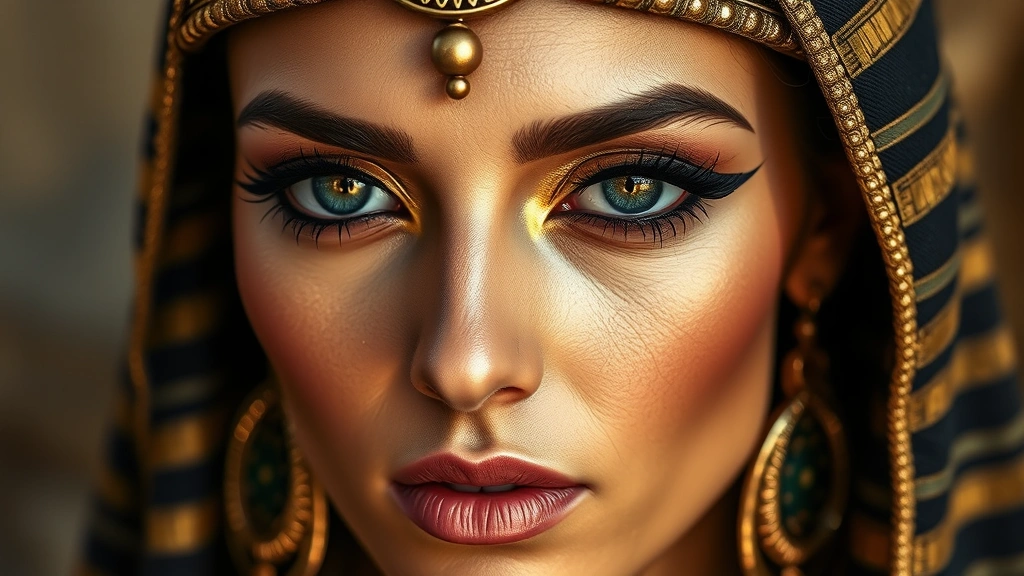
Ancient Egypt stands as the undisputed birthplace of organized cosmetics. The Egyptians, particularly around 3000 BCE, developed sophisticated makeup practices that went far beyond vanity. Archaeological evidence from tombs and temples reveals that both men and women—and even statues of gods—wore makeup as an integral part of daily life, religious practice, and social identity. The iconic kohl-lined eyes we associate with Egyptian beauty weren’t merely decorative; they served multiple purposes including sun protection, insect repellent, and spiritual significance.
The most famous Egyptian cosmetic was kohl, created by grinding galena (lead sulfide), malachite (copper carbonate), and other minerals into fine powders. These were mixed with animal fats or oils to create the distinctive dark paste applied around the eyes. Cleopatra, perhaps history’s most famous makeup enthusiast, was known for her dramatic eye makeup that combined kohl with crushed beetles to create a shimmering red pigment. Egyptian women also used henna to stain their nails and lips, establishing beauty practices that persist in Middle Eastern and South Asian cultures today.
Beyond kohl and henna, Egyptians invented face paints using ochre, a natural iron oxide pigment available in red, yellow, and brown hues. They created rouge from crushed insects and mineral oxides, and they were among the first to use plant-based oils and balms for skincare, recognizing that the harsh desert climate required protective and hydrating treatments. Wealthy Egyptians stored their cosmetics in elaborate alabaster vessels, some of which survive in museums today, testament to how seriously they took their beauty routines.
Mesopotamian and Chinese Contributions
While Egypt dominated early cosmetic innovation in the Western world, ancient Mesopotamia (modern-day Iraq) developed parallel beauty traditions. Sumerians and Babylonians, around 3500 BCE, created cosmetics from natural resources including castor oil, cypress oil, and myrrh. They understood the relationship between skincare preparation and makeup application, establishing foundational principles that modern beauty experts still recognize today. Mesopotamian texts describe beauty rituals involving oils, unguents, and pigmented powders, indicating a sophisticated understanding of product formulation.
In ancient China, makeup traditions evolved independently with equally sophisticated results. Chinese women during the Shang Dynasty (1600-1046 BCE) used rouge made from safflower petals combined with animal fats to create a cosmetic that provided both color and skincare benefits. Chinese cosmetics emphasized harmony with nature, incorporating ingredients like pearl powder, which was believed to have both beautifying and medicinal properties. The Chinese also pioneered the use of lead-based white face powder, a practice that would later dominate European beauty culture with devastating health consequences.
Chinese makeup philosophy differed significantly from Egyptian approaches. While Egyptians favored dramatic, defined features, Chinese aesthetics emphasized pale, porcelain-like skin that signaled wealth and status—pale skin indicated freedom from outdoor labor. This cultural preference drove innovation in whitening powders and light-reflecting pigments, creating an entirely different cosmetic tradition that influenced Asian beauty standards for millennia.
Greco-Roman Beauty Rituals
The Greeks and Romans adopted and adapted Egyptian cosmetic practices, creating their own distinct beauty culture. Greek women, particularly during the Classical period (500-323 BCE), used natural pigments including crushed berries for lip color, chalk-based powders for face whitening, and plant-derived dyes for eyebrows. However, Greek attitudes toward makeup were more ambivalent than Egyptian ones. Excessive makeup was sometimes associated with theatrical performers and courtesans rather than respectable women, creating a cultural tension between enhancement and authenticity that persists in modern beauty discourse.
Roman women, by contrast, embraced cosmetics enthusiastically. They developed more complex formulations, including the first documented foundation-like products made from lead carbonate mixed with oils—dangerously effective at creating smooth, uniform skin tone but toxic with prolonged use. Roman cosmetic innovation accelerated dramatically during the Imperial period (27 BCE-476 CE), with wealthy women employing specialized slaves called cosmetae whose sole responsibility was applying makeup. Romans created early versions of mascara using soot mixed with oils, developed blush from ochre and iron oxides, and pioneered the use of plant-based skincare products with hyaluronic acid precursors from mucilaginous plants.
Pliny the Elder’s Natural History, written in the 1st century CE, documents Roman cosmetic practices in detail, describing ingredients, formulation methods, and application techniques. This text represents one of the earliest written cosmetic formulations and demonstrates that Romans understood cosmetic chemistry at a surprisingly sophisticated level. They recognized that certain ingredients required specific preparation methods and that ingredient combinations produced superior results to single-ingredient products.
Medieval and Renaissance Transformations
The Medieval period witnessed a dramatic shift in Western attitudes toward makeup. Christian ideology increasingly condemned cosmetics as deceptive and sinful, particularly for women. This cultural rejection created a paradox: while makeup use declined in public acceptance, cosmetic formulations actually became more sophisticated among the nobility and clergy who privately used them. Medieval beauty treatises, often written by monks, documented elaborate skincare and makeup recipes using ingredients ranging from crushed pearls to poisonous mercury compounds.
The Renaissance (14th-17th centuries) marked a spectacular resurgence of makeup enthusiasm. Venetian women became famous for their elaborate beauty routines involving lead-based white face powder, crushed cochineal beetles for vibrant red lips, and kohl for eye definition. Homemade face masks for glowing skin became fashionable among Renaissance women, who mixed honey, milk, egg whites, and botanical extracts to create skincare preparations that preceded modern sheet masks by centuries. Renaissance beauty ideals emphasized pale skin, high foreheads, and red lips—standards that required significant cosmetic intervention.
This era saw the publication of beauty manuals like Michele Savonarola’s Libretto di Arte Cosmetica, which detailed cosmetic formulations and application techniques. These texts represented the first systematic documentation of makeup recipes in the modern era and influenced beauty practices across Europe. However, the heavy reliance on lead and mercury compounds during this period caused widespread health problems, including skin damage, hair loss, and systemic poisoning—consequences that wouldn’t be fully understood until much later.
Victorian Era and Chemical Innovation
The Victorian era (1837-1901) presented another cultural paradox regarding cosmetics. While proper Victorian ideology condemned makeup as vulgar and inappropriate, the period witnessed unprecedented innovation in cosmetic chemistry and the emergence of the modern cosmetics industry. Queen Victoria herself famously declared makeup inappropriate, yet her subjects found ways to achieve fashionable pale skin and rosy cheeks through accepted means like rouge secretly applied and the continued use of dangerous lead and bismuth compounds.
The Victorian period saw the industrialization of cosmetics. Companies like Pond’s (established 1907) and Crème de la Mer’s precursors began mass-producing cosmetics using increasingly sophisticated chemical processes. The discovery of synthetic dyes revolutionized makeup formulation, allowing manufacturers to create stable, vibrant colors that didn’t require crushing insects or mining rare minerals. Synthetic iron oxides replaced natural ochre, providing more consistent pigmentation and better stability.
Victorian chemists also developed the first modern foundations, cold creams, and complexion products based on scientific principles rather than traditional recipes. These innovations laid groundwork for 20th-century cosmetic science. However, the heavy metals used in many Victorian cosmetics—particularly lead and arsenic—caused serious health consequences that gradually became undeniable. By the end of the Victorian era, awareness of cosmetic toxicity was growing, setting the stage for regulatory reform.
20th Century: The Birth of Modern Cosmetics
The 20th century transformed makeup from a luxury item and cultural controversy into a mainstream consumer product backed by scientific research and regulatory oversight. This era witnessed the emergence of recognizable modern brands and the development of cosmetic chemistry as a legitimate scientific discipline. The 1920s-1930s saw a cosmetic revolution driven by changing social attitudes toward women, the rise of cinema, and increasing scientific understanding of skin physiology.
Helena Rubinstein (1872-1965) and Elizabeth Arden (1878-1966) emerged as cosmetics pioneers, building empires on the foundation of scientific skincare combined with effective marketing. Rubinstein, trained in chemistry, understood ingredient functionality and created products based on genuine skincare principles. She pioneered the concept of skincare products for aging skin formulated specifically for different skin types and concerns—revolutionary thinking at the time. Arden similarly emphasized science-backed formulations and established the first beauty salons that functioned as educational spaces where women learned proper skincare and makeup application.
The mid-20th century saw regulatory frameworks emerge, particularly following the 1938 Food, Drug, and Cosmetic Act in the United States, which established safety standards and required ingredient disclosure. This legislation fundamentally changed cosmetic formulation by eliminating the most dangerous ingredients and establishing manufacturing standards. The development of synthetic preservatives, stabilizers, and emulsifiers allowed manufacturers to create products with longer shelf lives and more consistent performance than traditional formulations.
The 1960s-1980s witnessed explosive growth in cosmetic innovation. Scientists developed water-resistant mascaras, long-lasting lipsticks, and foundations with unprecedented staying power. The discovery and synthesis of new pigments expanded color possibilities dramatically. IT Cosmetics Bye Bye Foundation represents the modern evolution of foundation technology, incorporating skincare ingredients and advanced pigmentation systems that earlier generations couldn’t have imagined. Contemporary foundations often include humectants, emollients, and active skincare ingredients, blurring the line between makeup and skincare.
Contemporary Makeup Science
Modern makeup represents the culmination of thousands of years of experimentation combined with cutting-edge chemistry and dermatological science. Today’s cosmetics contain carefully selected ingredients chosen for specific functional and aesthetic purposes. The best modern makeup products incorporate skincare benefits, recognizing that beauty enhancement and skin health are interconnected rather than opposing goals.
Contemporary cosmetic chemists understand skin physiology at the molecular level, allowing them to create products that enhance appearance while supporting skin barrier function. Modern foundations use advanced pigmentation technologies that provide buildable coverage without clogging pores. Mascaras contain conditioning agents that protect and nourish lashes rather than simply coating them with film-forming polymers. Lipsticks now incorporate moisturizing ingredients that prevent the drying effects that plagued earlier formulations.
The integration of skincare into makeup represents a major philosophical shift. Products like BB creams, CC creams, and tinted moisturizers combine coverage with skincare benefits including hydration, sun protection, and active ingredients. This approach acknowledges that healthy skin provides the best foundation for makeup application. Cosmetic brands increasingly partner with dermatologists to ensure that products are both effective and safe, representing a stark contrast to earlier eras when cosmetics were largely unregulated.
Ingredient innovation continues accelerating. Scientists have isolated beneficial compounds from traditional cosmetic sources—like the antioxidants in crushed beetles that ancient Egyptians used—and synthesized them for stable, effective formulations. Skincare products with hyaluronic acid represent modern chemistry’s ability to extract and synthesize beneficial compounds at molecular weights and concentrations optimized for skin absorption. Modern makeup often includes peptides, antioxidants, and botanical extracts that provide genuine skincare benefits beyond aesthetic enhancement.
Sustainability and ethical sourcing have become increasingly important in contemporary cosmetics. Modern consumers and manufacturers recognize that cosmetic innovation must balance efficacy with environmental responsibility and ethical ingredient sourcing. This represents another evolution in cosmetic history—the recognition that beauty practices must align with broader values of sustainability and social responsibility. Brands are reformulating to reduce synthetic ingredients, sourcing sustainably, and eliminating problematic compounds like microplastics that plagued earlier formulations.
FAQ
Who first invented makeup?
Ancient Egyptians are credited with developing the first organized cosmetic systems around 3000 BCE, though evidence suggests humans used natural pigments for decoration and protection even earlier. However, other ancient civilizations including Mesopotamians and Chinese independently developed sophisticated cosmetic practices simultaneously.
What did ancient people use to make makeup?
Ancient cosmetics relied entirely on natural ingredients: mineral pigments like galena and malachite, plant-based colors from safflower and henna, crushed insects for reds and purples, animal fats as bases, and oils for blending. These ingredients were ground into powders or pastes and applied directly to skin.
When did makeup become safe?
Makeup became significantly safer following the 1938 Food, Drug, and Cosmetic Act in the United States, which banned the most dangerous ingredients like lead and mercury. However, many problematic ingredients persisted into the late 20th century. Modern cosmetics are subject to rigorous safety testing and ingredient restrictions, making them substantially safer than historical formulations.
Did men wear makeup in history?
Yes, extensively. Ancient Egyptian men wore kohl and cosmetics as regularly as women. Roman men used cosmetics, and makeup was worn by men across many ancient and medieval cultures. The association of makeup with femininity is primarily a modern Western cultural construct rather than a historical universal.
How has makeup chemistry changed?
The shift from natural to synthetic ingredients, the development of preservatives and stabilizers, and the integration of skincare science represent major changes. Modern makeup incorporates sophisticated chemistry including emulsifiers, film-forming polymers, and bioactive compounds that earlier formulations couldn’t achieve. Understanding of skin physiology has also transformed how products are formulated and tested.
What role did facial steaming play in historical beauty routines?
Historical beauty practitioners used steam from heated water and herbal infusions to prepare skin before makeup application, recognizing that open pores and hydrated skin provided better results. This practice, documented in Renaissance and Victorian beauty manuals, demonstrates that ancients understood the benefits of facial steaming for cosmetic application preparation.
How does boosting collagen production naturally relate to makeup history?
Ancient and historical beauty practitioners intuitively understood that skin quality affects makeup appearance. While they lacked modern knowledge of collagen, they formulated skincare products designed to improve skin texture and appearance—the same goal as modern practices focused on how to boost collagen production naturally.