Cosmetic Chemist Career Path: Expert Insights
The cosmetic chemistry industry represents one of the most dynamic and rewarding career paths in the beauty and personal care sector. As consumer demand for innovative, safe, and effective skincare and makeup products continues to surge globally, cosmetic chemist jobs have become increasingly competitive and lucrative. These specialized professionals are the backbone of product development, responsible for formulating everything from skincare routines that deliver glowing skin to cutting-edge cosmetic treatments that address specific dermatological concerns.
Cosmetic chemists blend scientific expertise with creative problem-solving to develop formulations that meet rigorous safety standards while delivering visible results. Whether working for multinational beauty corporations or boutique indie brands, professionals in this field shape the future of the beauty industry. This comprehensive guide explores the essential pathways, qualifications, responsibilities, and growth opportunities available to those pursuing cosmetic chemist jobs.
Education and Academic Requirements
Pursuing cosmetic chemist jobs typically begins with a strong foundation in chemistry or a related scientific discipline. Most employers require a minimum of a bachelor’s degree in chemistry, organic chemistry, chemical engineering, or pharmaceutical sciences. This educational foundation provides the fundamental understanding of molecular structures, chemical reactions, and formulation principles essential for developing cosmetic products.
Beyond the bachelor’s degree, many aspiring cosmetic chemists pursue advanced qualifications to enhance their career prospects. A master’s degree in chemistry, cosmetic science, or pharmaceutical chemistry can significantly differentiate candidates in a competitive job market. Several universities now offer specialized programs in cosmetic science that combine chemistry with regulatory knowledge, microbiology, and stability testing—all critical components of cosmetic formulation.
Some professionals opt for a PhD in chemistry or cosmetic science to advance into research and development leadership positions. This doctoral qualification is particularly valuable for those interested in innovative formulations that boost ingredient efficacy or developing novel active compounds. Additionally, supplementary coursework in regulatory compliance, analytical chemistry, and quality assurance strengthens a candidate’s profile considerably.
Internships and cooperative education programs during undergraduate and graduate studies provide invaluable practical experience. Working in established laboratories exposes students to real-world formulation challenges, industry standards, and professional networking opportunities that often lead directly to permanent cosmetic chemist jobs upon graduation.

Essential Skills and Technical Knowledge
Beyond formal education, successful cosmetic chemists must develop a comprehensive skill set combining technical proficiency with interpersonal abilities. Organic chemistry expertise forms the foundation, as understanding molecular interactions, stability, and chemical compatibility directly impacts product performance. Knowledge of emulsion chemistry, surfactants, preservative systems, and thickening agents is essential for formulating creams, lotions, and serums.
Analytical chemistry skills enable cosmetic chemists to test formulations for stability, pH balance, viscosity, and efficacy. Proficiency with laboratory instruments such as HPLC (High-Performance Liquid Chromatography), gas chromatography, and particle size analyzers is increasingly expected. Understanding microbial testing and preservation efficacy ensures products remain safe throughout their shelf life, which is critical when developing formulations for sensitive skin conditions like those requiring specialized products for eczema.
Regulatory knowledge represents another crucial competency. Cosmetic chemists must understand FDA regulations, EU cosmetic directives, and international compliance requirements. Familiarity with permitted ingredients, restricted substances, and labeling requirements prevents costly compliance issues and product recalls. This regulatory expertise often determines whether a formulation can reach market successfully.
Beyond technical skills, cosmetic chemist jobs require strong communication abilities. Professionals must articulate complex formulation concepts to marketing teams, present findings to stakeholders, and collaborate with quality assurance departments. Project management capabilities help coordinate multiple product development initiatives simultaneously, while attention to detail ensures formulation consistency and safety across production batches.
Problem-solving and innovation mindset are equally important. The best cosmetic chemists approach challenges creatively, exploring alternative ingredients and techniques when initial formulations fail. This adaptability becomes especially valuable when developing products for specific needs, such as natural face mask formulations that balance efficacy with consumer preferences for clean beauty ingredients.
Career Opportunities and Job Roles
The cosmetic chemistry field offers diverse career pathways suited to different interests and expertise levels. Product Development Chemists form the core of cosmetic companies, creating new formulations for skincare, makeup, haircare, and color cosmetics. These professionals work from concept through commercialization, conducting feasibility studies, optimizing formulas, and scaling recipes for mass production. This role requires balancing aesthetic appeal, efficacy, cost-effectiveness, and regulatory compliance.
Quality Assurance Chemists ensure that manufactured products meet established specifications and safety standards. They develop testing protocols, conduct stability studies, and investigate batch failures. This role is critical for maintaining brand reputation and consumer safety, making it one of the most sought-after cosmetic chemist jobs in manufacturing facilities.
Research and Development Chemists push the boundaries of cosmetic science by investigating novel ingredients, delivery systems, and formulation technologies. Working in innovation-focused positions, these professionals often collaborate with universities and ingredient suppliers to discover the next breakthrough skincare ingredient. R&D positions typically require advanced degrees and offer the highest intellectual challenge.
Regulatory Affairs Specialists with chemistry backgrounds navigate the complex landscape of cosmetic regulations across different markets. These professionals ensure formulations comply with local regulations, prepare regulatory submissions, and manage product registrations. This specialized role combines chemistry knowledge with regulatory expertise and is increasingly in demand as global beauty brands expand internationally.
Technical Service Representatives support sales teams and customers by providing formulation expertise and troubleshooting guidance. These roles bridge the gap between research and commercial success, helping customers optimize products or adapt existing formulations to their needs. They’re particularly common in ingredient supplier companies.
Cosmetic chemist jobs also exist in specialized areas such as natural and organic cosmetics formulation, where professionals develop products using clean beauty ingredients. Others focus on anti-inflammatory formulations or specialized skincare addressing specific conditions. Some chemists transition into brand development roles with emerging cosmetic brands, combining technical expertise with entrepreneurial vision.
Salary Expectations and Benefits
Compensation for cosmetic chemist jobs varies based on experience, education, location, and employer size. Entry-level cosmetic chemists with bachelor’s degrees typically earn between $45,000 and $55,000 annually in the United States. With a few years of experience and proven track record, salaries typically increase to $60,000-$75,000 range.
Senior cosmetic chemists with 8-12 years of experience often command salaries between $80,000 and $110,000, depending on their specialization and employer. Those holding advanced degrees or managerial positions frequently exceed $120,000 annually. Research scientists and innovation leaders in major corporations may earn substantially more, particularly if their work generates significant revenue or patent portfolios.
Geographic location significantly impacts earning potential. Cosmetic chemist jobs in major metropolitan areas or regions with concentrated beauty industry presence—such as California, New York, and New Jersey—typically offer higher compensation than rural locations. International positions, particularly in Europe and Asia-Pacific regions, may offer competitive salaries with additional benefits.
Beyond base salary, comprehensive benefits packages are standard in the cosmetic industry. These typically include health insurance, retirement planning, professional development opportunities, and often generous paid time off. Many companies offer tuition reimbursement for continuing education, encouraging employees to pursue certifications or advanced degrees. Product discounts and access to company formulations provide additional perks appreciated by beauty professionals.
Industry Certifications and Professional Development
Professional certifications enhance credibility and career advancement prospects in cosmetic chemist jobs. The Society of Cosmetic Chemists (SCC) offers the Certified Professional Cosmetic Chemist (CPCC) credential, recognized globally as a mark of expertise. This certification requires passing a comprehensive examination covering formulation, raw materials, safety, efficacy, and regulatory requirements.
The International Society of Cosmetic Chemists provides similar recognition through their credentialing program, valuable for professionals seeking international career opportunities. Membership in professional organizations like SCC provides access to networking events, technical seminars, and publications that keep chemists current with industry innovations.
Specialized certifications in areas like natural cosmetics formulation, analytical chemistry, or regulatory compliance can differentiate candidates for specific roles. The Cosmetic, Toiletry, and Fragrance Association (CTFA) offers training programs addressing regulatory compliance and ingredient safety. Many universities and professional organizations provide short courses in emerging areas like sustainability, green chemistry, and biotechnology applications in cosmetics.
Continuing education is essential in a rapidly evolving field. Attending industry conferences, participating in webinars, and engaging with scientific literature ensures cosmetic chemists remain knowledgeable about new ingredients, technologies, and regulatory changes. Many employers allocate professional development budgets specifically for these activities, recognizing that staying current directly impacts product innovation and competitiveness.
Workplace Environment and Day-to-Day Responsibilities
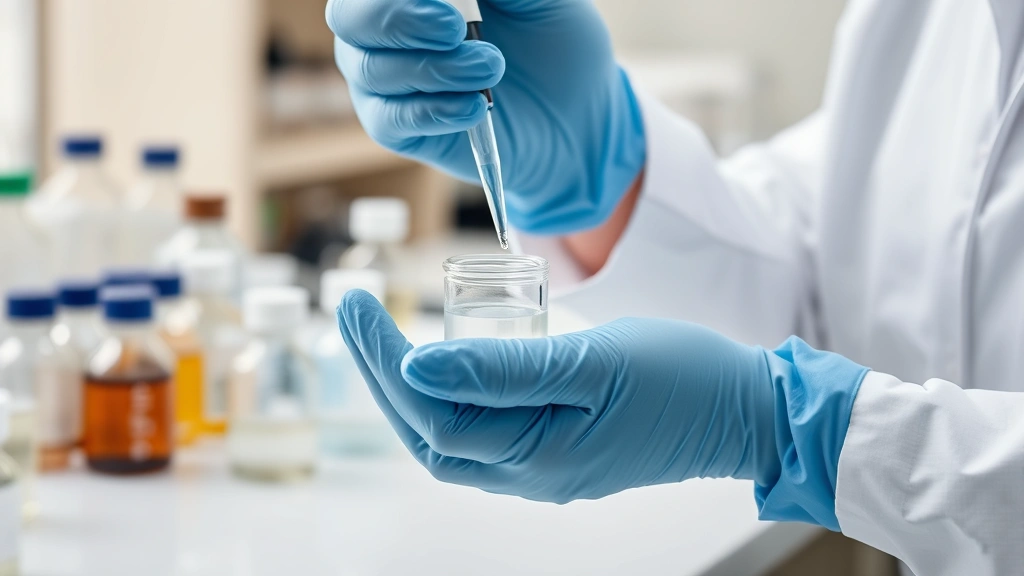
Cosmetic chemist jobs typically take place in modern laboratory facilities equipped with sophisticated analytical instruments. Most professionals spend significant time at laboratory benches conducting formulation work, mixing ingredients, and testing preliminary batches. This hands-on work requires precision, attention to safety protocols, and meticulous record-keeping to maintain documentation for regulatory compliance.
A typical day might involve formulating a new moisturizer, analyzing stability data from previous batches, troubleshooting a failed emulsion, and collaborating with the marketing team on a product launch timeline. Chemists often split time between independent laboratory work and collaborative meetings with cross-functional teams including product managers, regulatory specialists, and manufacturing engineers.
Safety represents a paramount concern in cosmetic chemistry laboratories. Professionals work with potentially hazardous chemicals, requiring strict adherence to safety protocols, proper protective equipment, and environmental compliance. Chemical hygiene, waste disposal, and hazard communication are non-negotiable aspects of the job.
Documentation and record-keeping consume significant time, as regulatory compliance and intellectual property protection require detailed notes on all formulation work. Chemists maintain detailed batch records, stability data, and test results that may be reviewed during regulatory inspections or patent disputes. This administrative component, while sometimes tedious, is essential for industry success.
Collaboration extends beyond the laboratory. Cosmetic chemists frequently present findings to management, defend formulation choices to quality assurance teams, and explain technical limitations to marketing departments. These interactions develop communication skills and provide exposure to broader business operations, preparing high-performing chemists for advancement into management or specialized roles.
Emerging Trends Shaping the Field
The cosmetic chemistry landscape is rapidly evolving, creating new opportunities for cosmetic chemist jobs while requiring professionals to continuously adapt. Sustainability and green chemistry represent major trends transforming the industry. Companies increasingly prioritize biodegradable ingredients, eco-friendly packaging, and sustainable sourcing practices. Cosmetic chemists skilled in green chemistry principles and sustainable formulation methods are increasingly in demand.
Personalized and customized skincare represents another significant growth area. Advances in technology enable companies to develop tailored formulations based on individual skin characteristics, genetic factors, and specific concerns. Cosmetic chemists working in this emerging space combine traditional formulation expertise with bioinformatics and digital technology knowledge.
Natural and clean beauty formulations continue gaining market share, driving demand for chemists experienced with botanical extracts, plant-based actives, and minimal ingredient lists. This trend requires deep knowledge of natural preservative systems, stability challenges with plant-based ingredients, and efficacy testing without synthetic compounds.
Biotechnology applications in cosmetics represent a cutting-edge frontier. Fermentation-derived ingredients, bioengineered proteins, and probiotic formulations require cosmetic chemists with biotechnology backgrounds. These innovative approaches attract investment and offer exciting intellectual challenges for forward-thinking professionals.
Regulatory landscape evolution creates ongoing demand for chemists with compliance expertise. Increasing regulations around microplastics, PFAS (forever chemicals), and emerging concerns about ingredient safety require professionals who can navigate complex regulatory requirements while maintaining product efficacy and consumer appeal.
Digital transformation in cosmetic chemistry includes adopting artificial intelligence for formulation prediction, machine learning for stability modeling, and data analytics for optimizing manufacturing processes. Chemists who combine traditional expertise with digital literacy gain competitive advantages in securing premium cosmetic chemist jobs.
FAQ
What degree do I need to become a cosmetic chemist?
A bachelor’s degree in chemistry, chemical engineering, or pharmacy is the minimum requirement for most cosmetic chemist jobs. Many employers prefer candidates with master’s degrees or specialized certifications in cosmetic science. Advanced degrees significantly enhance career prospects and earning potential.
How much do cosmetic chemists earn?
Entry-level cosmetic chemists earn approximately $45,000-$55,000 annually, while experienced professionals earn $80,000-$110,000 or more. Senior positions and advanced degrees can lead to salaries exceeding $120,000, depending on location, employer size, and specialization.
What skills are most important for cosmetic chemist jobs?
Essential skills include organic chemistry expertise, analytical chemistry proficiency, regulatory knowledge, laboratory technique mastery, and problem-solving abilities. Strong communication, project management, and attention to detail are equally critical for success in this field.
Are there entry-level opportunities in cosmetic chemistry?
Yes, many companies hire recent graduates for assistant chemist or junior chemist positions. These roles provide practical experience under supervision while allowing professionals to develop expertise. Internships during undergraduate studies are excellent pathways to entry-level cosmetic chemist jobs.
What certifications help advance cosmetic chemist careers?
The Certified Professional Cosmetic Chemist (CPCC) credential from the Society of Cosmetic Chemists is widely recognized and highly valued. Specialized certifications in natural cosmetics, regulatory compliance, and analytical chemistry also enhance career prospects and earning potential.
Is there demand for cosmetic chemist jobs?
Yes, the beauty industry continues growing globally, creating strong demand for qualified cosmetic chemists. Emerging trends like personalized skincare, clean beauty, and sustainable formulations further expand job opportunities in this dynamic field.