Cosmetic Eyebrow Tattoo? Expert Insights on Microblading, Powder Brows, and Permanent Makeup
Eyebrow cosmetic tattooing has revolutionized the beauty industry, offering semi-permanent solutions for sparse, over-plucked, or naturally thin brows. Whether you’re considering microblading, powder brows, or combination techniques, understanding the procedure, aftercare, and long-term implications is essential before making this significant beauty investment. This comprehensive guide explores what cosmetic eyebrow tattoos are, how they work, potential risks, and expert recommendations for achieving flawless results.
The demand for cosmetic eyebrow tattoos has surged dramatically over the past decade, driven by social media trends and the desire for low-maintenance beauty routines. However, this semi-permanent solution requires careful consideration, professional expertise, and proper aftercare to ensure optimal outcomes and minimize complications.
What Is a Cosmetic Eyebrow Tattoo?
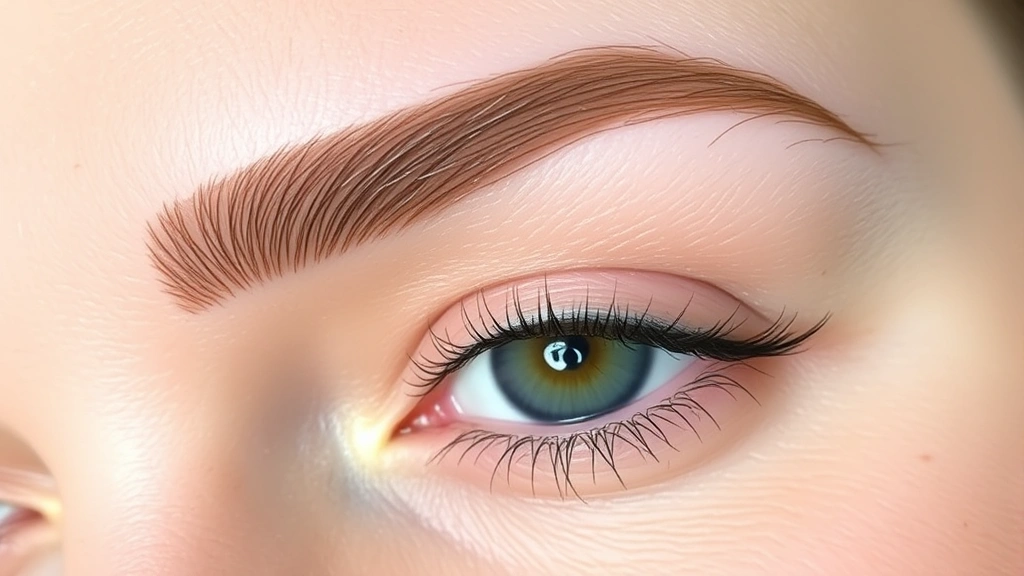
A cosmetic eyebrow tattoo is a semi-permanent makeup procedure that deposits pigment into the dermal layer of skin to create fuller, more defined eyebrows. Unlike traditional tattoos that penetrate deeper into the skin, cosmetic eyebrow tattoos use specialized needles and equipment to place color at a shallower depth, typically lasting between 18 months to 3 years depending on skin type, aftercare, and pigment quality.
This procedure addresses multiple aesthetic concerns: sparse brows resulting from over-plucking, alopecia, naturally thin hair growth, or those seeking to enhance their natural brow shape. The pigments used in cosmetic eyebrow tattooing are specifically formulated to be cosmetic-grade and, in most cases, designed to fade gradually over time rather than remain permanently.
Before committing to this procedure, it’s important to understand how it complements your overall skincare routine for glowing skin, as facial skin health directly impacts healing and color retention. Additionally, those with sensitive skin should review their skincare guide for combination skin to understand how different skin types respond to tattooing procedures.
Types of Eyebrow Tattooing Techniques
The cosmetic eyebrow tattoo landscape includes several distinct techniques, each offering unique aesthetic results and longevity profiles:
- Microblading: This hand-held tool creates fine, hair-like strokes that mimic natural eyebrow hairs. The technician manually draws individual strokes, making microblading ideal for those seeking a natural, feathered appearance. Results typically last 12-18 months on oily skin and up to 2 years on dry skin.
- Powder Brows (Ombré Brows): Using a machine, this technique deposits pigment to create a soft, powdered makeup effect similar to eyeshadow. The gradient technique places lighter color at the front of the brow and darker pigment toward the tail. This method suits all skin types and lasts 18-36 months.
- Combination Brows (Hybrid): Blending microblading’s hair strokes with powder shading, this technique creates depth and definition. It’s particularly popular for achieving dramatic yet natural-looking results and typically lasts 18-24 months.
- Nano Brows: Using ultra-fine needles, nano brows create thinner, more delicate strokes than traditional microblading, offering a highly realistic appearance suitable for those with sensitive skin.
- Machine-Stroke Brows: An electric machine creates hair-like strokes similar to microblading but with greater precision and consistency across the brow area.
Each technique requires different healing timelines and touch-up schedules. Oily skin types may experience faster pigment fading, while dry skin typically retains color longer. Those managing irritated skin conditions should consult with their technician before proceeding, as inflammation can affect pigment retention and healing quality.
The Procedure: What to Expect
Understanding the procedural steps helps manage expectations and prepare mentally for the experience. A typical cosmetic eyebrow tattoo appointment follows this timeline:
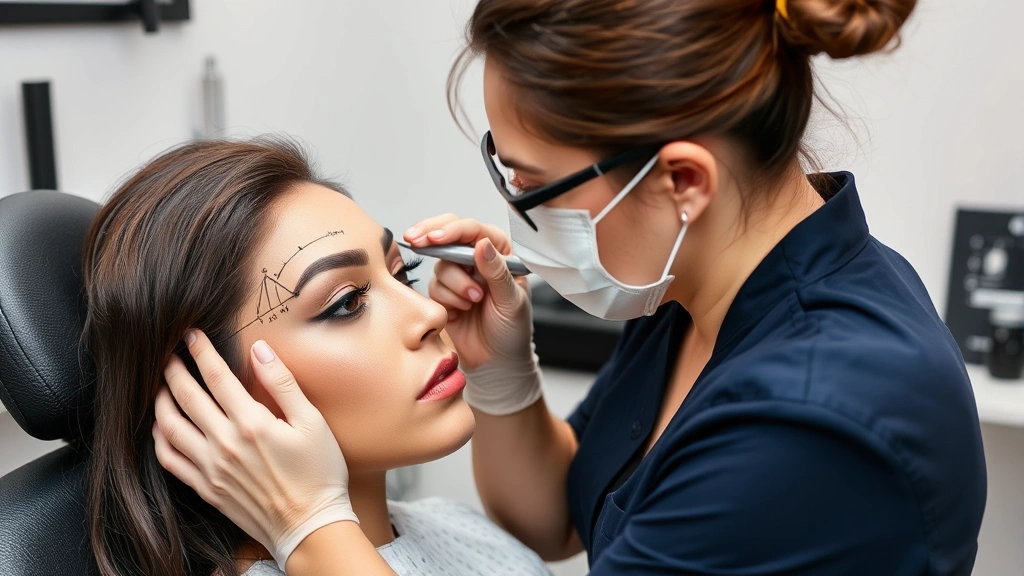
- Consultation (15-30 minutes): The technician discusses your desired brow shape, color preferences, and medical history. Patch testing for pigment allergies may occur, and the technician will measure and map your brows using specific facial proportion guidelines.
- Numbing Application (10-15 minutes): A topical anesthetic cream is applied to minimize discomfort. Quality numbing agents contain lidocaine and prilocaine to ensure adequate pain relief during the procedure.
- Pigment Selection: The technician selects pigment colors matching your hair color and skin tone. Pigment chemistry is crucial—professional-grade pigments are formulated to fade to warm or cool undertones based on individual skin chemistry.
- Brow Mapping: Using precise measurements and facial anatomy knowledge, the technician outlines your brow shape, ensuring symmetry and proportion relative to your face structure.
- The Tattooing Process (45-120 minutes): Depending on the technique, the technician creates hair strokes or applies powder shading. Microblading typically takes 60-90 minutes, while powder brows may take 90-120 minutes for optimal layering and blending.
- Final Assessment: The technician reviews the results with you, making adjustments as needed. This is your opportunity to request modifications before the procedure concludes.
Pain levels vary significantly based on individual pain tolerance, numbing effectiveness, and the specific technique used. Most clients report mild discomfort rather than severe pain, often describing the sensation as scratching or light pressure.
Aftercare and Healing Process
Proper aftercare is absolutely critical for optimal results and infection prevention. The healing process occurs in distinct phases:
Days 1-7 (Inflammatory Phase): Your brows will appear darker and more intense than the final result. Swelling, redness, and minor scabbing are completely normal. Avoid water contact, excessive sweating, and makeup application on the brows. Keep the area clean with provided aftercare solutions, typically saline or specialized healing balms containing vitamin E and calendula extract.
Days 7-14 (Flaking Phase): Scabs begin forming and flaking off naturally. Never pick at scabs, as this removes pigment prematurely and increases infection risk. Itching is common—resist scratching and apply recommended moisturizers instead. Your brows may appear patchy during this phase.
Weeks 3-6 (Color Settling): Pigment continues settling into the skin. The color appears lighter than immediately after the procedure—this is normal. The final color becomes apparent after complete healing, typically 4-6 weeks post-procedure.
Essential Aftercare Guidelines:
- Avoid direct water contact for 7-10 days; use a damp cloth instead
- Skip swimming, hot tubs, and saunas for 2 weeks
- Avoid intense exercise and excessive sweating for 7-10 days
- Don’t apply makeup directly on the brows for at least 7 days
- Avoid retinol, vitamin C serums, and chemical exfoliants on the face for 2 weeks
- Use SPF 50+ sunscreen once the initial healing phase concludes
- Apply recommended healing ointments 2-3 times daily
- Sleep on your back to prevent friction on the brows
Those with active acne or skin conditions should inform their technician, as the healing process may be prolonged. Your existing skincare concerns like dark circles won’t be affected by the brow tattoo, but overall facial inflammation should be minimized during healing.
Risks and Potential Complications
While cosmetic eyebrow tattoos are generally safe when performed by qualified professionals, potential complications exist:
Infection: The most serious risk, infection occurs when bacteria enter the tattooed area. Signs include excessive redness, warmth, pus, or fever. Prevent infection by following strict aftercare protocols and choosing hygienic facilities with proper sterilization procedures.
Allergic Reactions: Some individuals react to specific pigment ingredients. Professional technicians should conduct patch tests 24-48 hours before the full procedure. Iron oxide pigments (most common) rarely cause reactions, but individuals with sensitive skin should request hypoallergenic formulations.
Pigment Migration: If the technician deposits pigment too superficially or too deeply, it may migrate, causing blurry lines or color spreading beyond the intended brow area. This results from improper technique, needle depth, or specific skin conditions.
Unsatisfactory Color Results: Pigment color may appear different than expected due to skin tone, undertones, or oxidation of pigments over time. Some colors shift toward orange, red, or purple hues—particularly problematic for those with cool undertones.
Scarring: Improper technique or aggressive aftercare (picking at scabs) can result in scarring. Keloid formation is rare but possible in those with keloid-prone skin.
Granulomas: Foreign body reactions to pigment particles cause small bumps; these typically resolve independently but may require dermatological treatment.
Asymmetry: If the initial mapping is incorrect or healing is uneven, brows may appear asymmetrical. This is correctable during the touch-up appointment.
Individuals with certain medical conditions should avoid or postpone cosmetic eyebrow tattoos: active skin infections, keloid-prone skin, immunocompromised conditions, pregnancy, or those taking blood-thinning medications. Always disclose your complete medical history during consultation.
Choosing the Right Professional
Selecting a qualified, experienced technician is the single most important factor in achieving successful results. Consider these criteria:
Credentials and Certification: Verify that your technician is certified through recognized organizations such as the Professional Beauty Association or similar body. Certifications indicate formal training in safety protocols, hygiene standards, and technique proficiency.
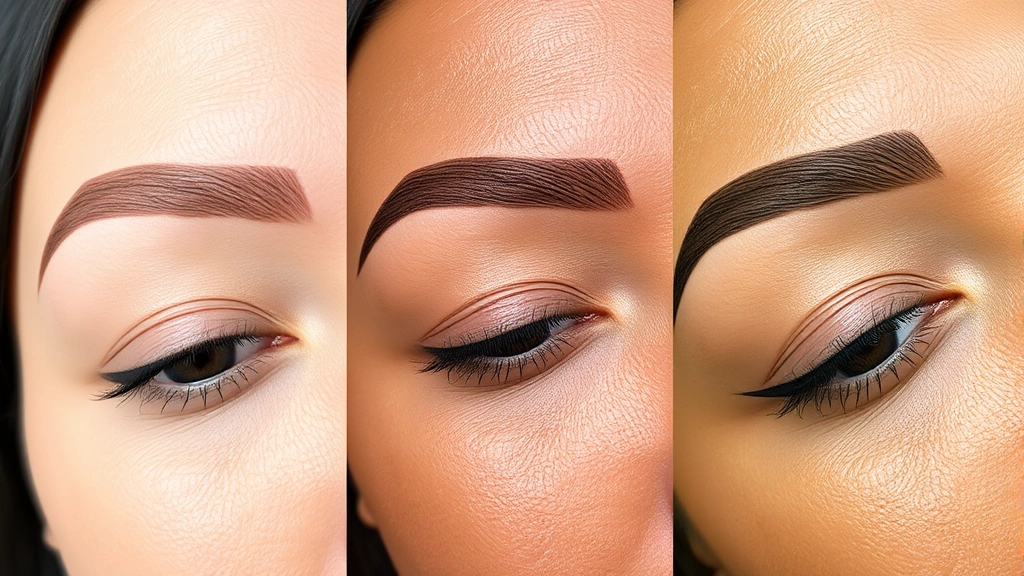
Portfolio Review: Examine before-and-after photos across various skin tones and face shapes. Look for symmetry, natural-looking results, color accuracy, and healed appearance photos (not just fresh results). Reputable technicians proudly display healed results.
Hygiene and Safety Standards: The facility should follow strict sterilization protocols. All needles and equipment should be single-use, disposable, or properly autoclaved. The technician should wear gloves, use sterile gauze, and maintain a clean workspace. Don’t hesitate to ask about their sterilization procedures.
Experience Level: While newer technicians may charge less, experience matters significantly. A technician with 3+ years of specialized experience understands skin variations, color theory, and how to adapt techniques for different client needs. Check how many procedures they’ve performed.
Client Reviews and References: Read detailed reviews on Google, Instagram, and Yelp. Look for comments about pain management, healing guidance, color retention, and professionalism. Ask for direct client references if possible.
Consultation Quality: A thorough consultation indicates professionalism. The technician should discuss your expectations, assess your skin type, explain the procedure in detail, review aftercare extensively, and manage expectations about color fading and touch-up schedules.
Communication Style: Your technician should listen to your preferences, answer questions thoroughly, and not pressure you into decisions. They should explain why they’re recommending specific techniques or colors based on your unique features.
Avoid technicians who use outdated equipment, refuse to discuss safety protocols, pressure you into same-day procedures, or don’t provide written aftercare instructions.
Cost and Longevity Factors
Cosmetic eyebrow tattoo costs vary significantly based on location, technician experience, and technique selected. In the United States, expect to pay:
- Microblading: $300-$800 for the initial procedure
- Powder Brows: $400-$1,000 for the initial procedure
- Combination Brows: $500-$1,200 for the initial procedure
- Touch-up Sessions: $100-$500 per touch-up (typically required 4-8 weeks after initial procedure)
While cost is a consideration, choosing based primarily on price is risky. A $200 procedure from an inexperienced technician may require expensive corrections, while a $600 procedure from a skilled professional often provides superior results requiring fewer touch-ups.
Longevity Factors: How long your cosmetic eyebrow tattoo lasts depends on multiple variables:
Skin Type: Oily skin naturally sheds the outer dermal layer faster, causing pigment to fade more quickly (12-18 months). Dry skin retains pigment longer (24-36 months). Those with combination skin experience variable fading depending on which areas are oilier.
Sun Exposure: UV radiation breaks down pigment molecules, causing fading and color shifting. Consistent SPF 50+ sunscreen use significantly extends color retention.
Skincare Routine: Regular use of exfoliating acids (AHAs, BHAs) or retinol accelerates pigment fading. Gentle cleansing and moisturizing support better color retention. Those committed to maintaining a skincare routine for glowing skin often see extended brow tattoo longevity.
Pigment Quality: Professional-grade pigments formulated by cosmetic chemists last longer and fade more predictably than low-quality alternatives. Premium pigments cost more but provide better value long-term.
Body Chemistry: Individual metabolism affects how quickly your body processes pigment particles. Those with faster metabolisms may experience faster fading.
Aftercare Adherence: Following aftercare instructions precisely impacts color retention. Poor aftercare can reduce longevity by 6+ months.
Touch-up Frequency: Most technicians recommend a touch-up 4-8 weeks after the initial procedure to fill in any areas where pigment didn’t retain. Subsequently, touch-ups every 12-18 months maintain optimal appearance.
Maintenance and Touch-Ups
Long-term maintenance of your cosmetic eyebrow tattoo involves strategic touch-ups and protective practices:
Initial Touch-Up (4-8 Weeks Post-Procedure): This mandatory appointment addresses areas where pigment didn’t retain optimally. The technician assesses color, symmetry, and shape, making necessary adjustments. This touch-up is typically included in the initial service cost or offered at a reduced rate.
Subsequent Touch-Ups (Every 12-18 Months): Once fully healed and faded, annual or bi-annual touch-ups maintain color intensity and crisp definition. These appointments are shorter (30-60 minutes) and less expensive than initial procedures.
Color Refreshment: Over time, pigment colors may shift toward undesirable tones (orange, red, or purple). A skilled technician can apply corrective pigments to neutralize these shifts and restore your desired color.
Shape Adjustments: If your aesthetic preferences change or facial features shift with age, touch-ups allow for subtle shape modifications. However, dramatic changes require careful consideration about whether to continue the service.
Protective Practices Between Appointments:
- Apply broad-spectrum SPF 50+ sunscreen daily to facial skin and brows
- Wear sunglasses and hats during extended outdoor exposure
- Limit use of exfoliating acids and retinol on the face, or avoid the brow area
- Maintain consistent hydration and moisturizing to support skin health
- Avoid picking or scratching at the brow area
- Be cautious with eyebrow threading, waxing, or plucking near the tattooed area
- Use gentle, sulfate-free cleansers on facial skin
If you decide cosmetic eyebrow tattoos aren’t right for you, removal options exist but are challenging and expensive. The American Academy of Dermatology notes that laser removal is the most effective method, requiring multiple sessions and potentially causing scarring or pigment color changes before removal.
FAQ
How painful is a cosmetic eyebrow tattoo?
Pain levels vary significantly. Most clients report mild to moderate discomfort rather than severe pain, describing sensations as scratching or light pressure. Topical numbing creams minimize discomfort substantially. Those with lower pain tolerance should discuss this with their technician, who can apply additional numbing agents or take breaks during the procedure.
Can I get a cosmetic eyebrow tattoo if I have sensitive skin?
Yes, but with precautions. Inform your technician about your sensitivity, request hypoallergenic pigments, and conduct a patch test 24-48 hours before the full procedure. Those with conditions like rosacea or eczema should consult their dermatologist first. Nano brows or powder brows may be better options than microblading for sensitive skin types.
What if I don’t like the results?
Options include waiting for the pigment to fade naturally (12-36 months), undergoing laser removal, or covering with traditional makeup. During your touch-up appointment, you can request significant adjustments to shape, color, or intensity. Communication during consultation and the initial procedure is key to avoiding dissatisfaction.
Can I wear makeup over my cosmetic eyebrow tattoo?
After the initial 7-day healing period, you can wear makeup over your brows. However, avoid applying makeup directly on the tattooed area during the first 2 weeks. Once fully healed, cosmetic brow tattoos eliminate the need for daily eyebrow makeup, though many clients enjoy layering makeup for special occasions.
How do cosmetic eyebrow tattoos interact with my skincare routine?
Retinol, vitamin C, AHAs, and BHAs can accelerate pigment fading. After the initial healing phase, you can continue these treatments but avoid applying them directly on the brows. Some technicians recommend pausing intensive skincare treatments for 2 weeks post-procedure to optimize healing. Sunscreen use becomes even more critical to protect pigment from UV damage.
Will my cosmetic eyebrow tattoo look natural?
When performed by a skilled technician using quality pigments and appropriate techniques, cosmetic eyebrow tattoos appear extremely natural. Microblading and nano brows create particularly realistic hair-like strokes. The key is selecting a technician with a strong portfolio of natural-looking results and clearly communicating your preferences during consultation.
What’s the difference between cosmetic eyebrow tattoos and permanent makeup?
Cosmetic eyebrow tattoos are technically a form of permanent makeup, but they’re designed to fade gradually (semi-permanent) rather than remain indefinitely. The term “permanent makeup” is sometimes used for all tattooed cosmetics, but professional-grade cosmetic eyebrow tattoos use shallower needle depths and specifically formulated pigments to ensure fading over time.
Can I change my mind and have them removed?
Yes, but removal is challenging and expensive. The International Association of Cosmetic Professionals recommends laser removal as the most effective method, though it requires multiple sessions. Saline removal is another option but less predictable. Prevention through careful technician selection is far easier than removal.
How do I prepare for my cosmetic eyebrow tattoo appointment?
Avoid blood-thinning medications (aspirin, ibuprofen) for 24-48 hours before your appointment. Don’t consume alcohol or caffeine the day of your procedure, as these can thin blood and increase bleeding during the tattoo. Avoid sun exposure and tanning before your appointment. Get adequate sleep and arrive with clean skin. Discuss any concerns with your technician during consultation.
Will my cosmetic eyebrow tattoo fade evenly?
Ideally, yes, but uneven fading can occur due to variations in skin type, sun exposure, or product use on different areas. The touch-up appointment addresses any uneven fading. To promote even fading, apply sunscreen consistently and avoid excessive sweating or friction on one brow more than the other.