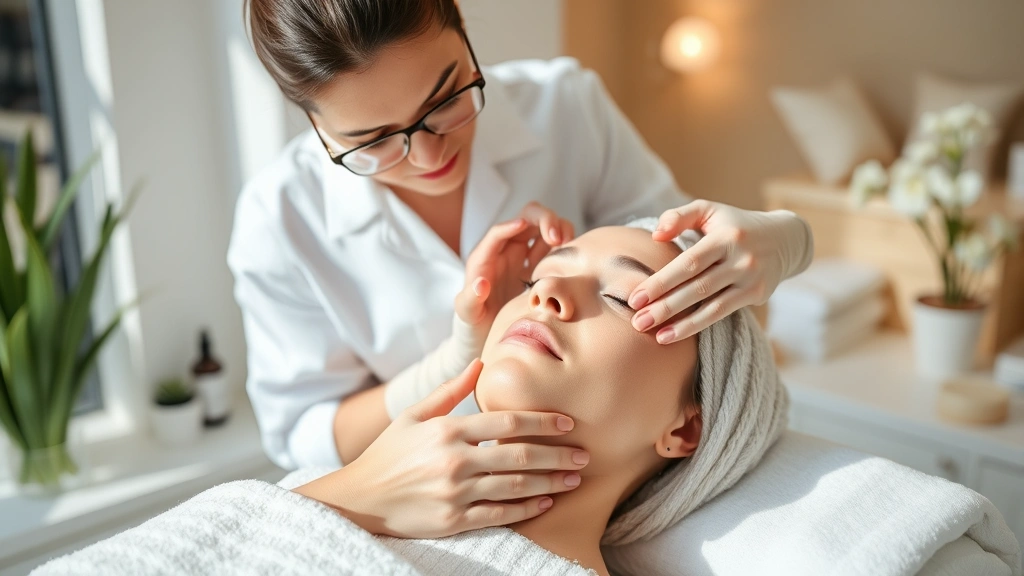
Obtaining a cosmetic license in Florida is an essential step for anyone looking to work professionally in the beauty industry, whether as an esthetician, cosmetologist, or makeup artist. Florida’s Department of Business and Professional Regulation (DBPR) oversees all cosmetic licensing requirements, and understanding these regulations is crucial for launching a successful career in skincare and beauty. This comprehensive guide walks you through every aspect of obtaining your Florida cosmetic license, from eligibility requirements to examination procedures and renewal processes.
The beauty industry in Florida is thriving, with countless opportunities for licensed professionals to work in spas, salons, and cosmetic clinics. However, working without proper licensure is not only illegal but can result in significant fines and legal consequences. Whether you’re passionate about helping clients achieve their skincare goals through professional treatments or want to specialize in makeup application and cosmetic enhancement, a valid Florida cosmetic license is your gateway to a legitimate and rewarding career.
Types of Cosmetic Licenses in Florida
Florida offers several different cosmetic licenses depending on your area of specialization and career goals. The primary license categories include esthetician, cosmetologist, and nail technician licenses. Each license type has specific requirements and allows professionals to perform different services related to beauty and skincare.
An esthetician license focuses on skincare services and is perfect for professionals interested in facials, skin treatments, and cosmetic skincare products. Estheticians can perform non-invasive skincare treatments, apply topical products, and provide professional skincare consultations. This license is ideal if you’re passionate about helping clients understand their skin types and recommending products like niacinamide serums and skincare routines.
A cosmetologist license is broader and allows professionals to perform hair, skin, and nail services. Cosmetologists can cut and style hair, provide chemical treatments, perform facials, and apply makeup. This comprehensive license is valuable if you want versatility in your beauty career and the ability to offer multiple services to clients.
The makeup artist license specializes specifically in cosmetic application for various occasions, including bridal makeup, theatrical makeup, and special event makeup. Florida also recognizes specialty licenses for those focusing on specific areas like permanent makeup or advanced skincare treatments.
Eligibility Requirements and Prerequisites
Before you can apply for a Florida cosmetic license, you must meet several basic eligibility requirements set by the DBPR. These prerequisites ensure that all licensed professionals meet minimum standards for education and professional conduct.
First, you must be at least 16 years old to apply for a cosmetic license in Florida. However, if you’re under 18, you’ll need parental or guardian consent to proceed with your application. Additionally, you must be a high school graduate or have earned a GED equivalent. Some programs may accept applicants who are currently enrolled in high school but haven’t yet graduated.
You must have a valid Social Security Number and proof of legal residency or citizenship in the United States. Florida also requires that applicants have no disqualifying criminal convictions. Certain felonies and crimes of moral turpitude may prevent you from obtaining a license, so it’s important to review the specific regulations on the DBPR website.
English language proficiency is another important requirement. Since you’ll need to pass written examinations and understand safety protocols, you must demonstrate adequate English reading and comprehension skills. If English is not your first language, you may need to take an English proficiency test.
Education and Training Hours
The number of training hours required for a Florida cosmetic license varies depending on the license type you’re pursuing. These hours must be completed at a state-approved school or training program that meets DBPR standards.
For an esthetician license, Florida requires a minimum of 260 clock hours of training. This curriculum covers essential topics including skin anatomy, skincare ingredient knowledge, facial treatments, and professional practices. Students learn about different skincare ingredients like hyaluronic acid and how to assess various skin types and conditions.
A cosmetologist license requires a more extensive 1,200 clock hours of training, reflecting the broader scope of services. This includes instruction in hair cutting and styling, chemical treatments, nail care, and skincare services. The extended training period ensures cosmetologists develop comprehensive skills across multiple beauty disciplines.
For makeup artists, the required hours may vary, but typically range from 260 to 600 hours depending on the specific program and specialization. Training covers color theory, face mapping, makeup application techniques, and product knowledge.
These clock hours must be completed consecutively and cannot be interrupted for extended periods. Schools track attendance carefully, and you’ll need to maintain documentation of your completed hours for your license application. The training programs also include practical experience where students work on real clients under supervision, developing the skills necessary for professional practice.
Application Process and Documentation
Once you’ve completed your required training hours, you’re ready to begin the formal application process with the Florida DBPR. This process involves submitting detailed documentation and paying applicable fees.
Start by obtaining an application form directly from the DBPR website or through your training school. The application requires personal information, including your full legal name, date of birth, Social Security Number, and contact information. You’ll also need to provide your school’s license number and confirmation that you’ve completed all required training hours.
Required documentation includes:
- Proof of high school graduation or GED
- Certificate of completion from your training program
- Official transcript showing all completed clock hours
- Proof of citizenship or legal residency
- Valid government-issued photo identification
- Proof of Social Security Number
- Background check authorization and fingerprinting forms
The application must be submitted to the DBPR along with the non-refundable application fee. Processing times vary, but typically take 2-4 weeks. Once your application is approved and you’ve passed the background check, you’ll receive authorization to schedule your licensing examination.
Examination and Testing Procedures
The Florida cosmetic licensing examination is designed to assess your knowledge and competency in your chosen field. The exam consists of both written and practical components.
The written examination tests your theoretical knowledge of skincare science, product chemistry, safety protocols, and professional regulations. For estheticians, you’ll be tested on topics like skin anatomy, skin conditions, ingredient knowledge, and treatment contraindications. Questions may cover how different cosmetic products and skincare routines affect various skin types and conditions.
The practical examination requires you to demonstrate your hands-on skills. For estheticians, this includes performing a complete facial treatment on a model, demonstrating proper technique, and explaining your actions to the examiner. You must show proficiency in product application, client communication, and safety protocols. Examiners evaluate your technique, professionalism, and knowledge throughout the process.
Both sections of the exam must be passed to obtain your license. If you don’t pass on your first attempt, you can retake the examination after paying the retake fee. Many candidates find it helpful to study with practice exams and review materials provided by their training school.
Fees and Costs Associated with Licensing
Understanding the financial investment required for obtaining a Florida cosmetic license helps you plan your career transition effectively. Several fees apply throughout the process.
The application fee typically ranges from $75 to $150, depending on the license type. This fee is non-refundable, even if your application is denied. The examination fee is separate and usually costs between $100 and $200 for both written and practical components.
If you need to retake the examination, you’ll pay an additional retake fee of approximately $75 to $150. Background check and fingerprinting services may add another $50 to $100 to your costs. Some applicants also need to budget for English proficiency testing if required.
Beyond licensing fees, factor in the cost of training programs, which range from $3,000 to $15,000 depending on the school and program length. Books, supplies, and study materials add another $200 to $500. When planning your budget, remember that investing in quality training and preparation increases your likelihood of passing the examination on your first attempt, ultimately saving money on retake fees.
License Renewal and Continuing Education
Florida cosmetic licenses don’t last indefinitely; they require periodic renewal to remain valid. Understanding renewal requirements ensures you maintain your professional standing throughout your career.
Most Florida cosmetic licenses are valid for two years from the date of issuance. Before your license expires, you must submit a renewal application to the DBPR along with the renewal fee, typically between $75 and $150. The renewal process is simpler than initial licensure, requiring primarily proof that your license is still valid and payment of fees.
Florida requires continuing education for license renewal. The specific hours required vary by license type, but typically range from 4 to 16 hours per two-year renewal period. These continuing education credits must come from DBPR-approved providers and cover topics relevant to your license type. Courses might focus on new skincare technologies, advanced ingredient knowledge, or updated safety protocols.
Continuing education keeps you current with industry developments and ensures you’re providing clients with the most modern and effective treatments. Many professionals take advantage of renewal periods to deepen their expertise in specialized areas, such as advanced skincare formulations or emerging treatment modalities.
Working with Skincare Ingredients and Products
As a licensed cosmetic professional in Florida, you’ll work with various skincare ingredients and products. Understanding ingredient function and skin compatibility is essential for providing excellent client care.
Licensed estheticians must understand how different ingredients interact with various skin types and conditions. For clients concerned about sun damage and redness, you can recommend appropriate treatments and products. Knowledge of ingredients helps you explain to clients why certain products from different cosmetic brands might be better suited to their individual skin needs than others.
Your training covers essential ingredient knowledge, including preservatives, emulsifiers, active ingredients, and their effects on skin. You’ll learn about ingredient concentrations, pH levels, and how formulations affect product efficacy. This knowledge allows you to make informed recommendations and address client concerns about product safety and effectiveness.
Professional licenses also require understanding product labels, ingredient lists, and safety data sheets. You must be able to identify potential allergens and contraindications for clients with sensitive skin or specific skin conditions. This expertise distinguishes licensed professionals from unlicensed individuals and builds client trust in your recommendations.
Understanding skincare science also helps you educate clients about realistic expectations for treatments and products. You can explain why certain concerns, like those addressed in treating sunburn and skin redness, require specific approaches and consistent product use for optimal results.
FAQ
How long does it take to get a Florida cosmetic license?
The timeline depends on your license type and training program. Esthetician training typically takes 3-6 months of full-time study to complete 260 hours. After completion, the application and examination process usually takes another 2-4 weeks. Overall, expect 4-8 months from starting training to obtaining your license.
Can I work while completing my training hours?
Many students work part-time while completing their cosmetic training. However, you cannot work as a licensed beauty professional without your license. Some schools offer flexible scheduling with evening or weekend classes to accommodate working students.
What happens if I fail the licensing examination?
If you don’t pass the written or practical examination, you can retake it after paying the retake fee. Most candidates are allowed unlimited attempts, though you may need to wait a certain period between attempts. Many students successfully pass on their second attempt after additional study and preparation.
Do Florida cosmetic licenses transfer to other states?
Florida licenses are specific to Florida and don’t automatically transfer to other states. Each state has different licensing requirements and examinations. However, if you move to another state, you can typically apply for licensure there using your Florida training as a foundation, though you may need additional training or testing.
What are the renewal requirements for a Florida cosmetic license?
Florida cosmetic licenses must be renewed every two years. Renewal requires submitting a renewal application, paying the renewal fee, and completing the required continuing education hours. Most licenses require 4-16 continuing education hours per renewal period from DBPR-approved providers.
Can I specialize in specific skincare treatments with my license?
Your Florida cosmetic license allows you to perform services within your license type’s scope of practice. With an esthetician license, you can perform facials and skincare treatments. Some professionals pursue additional certifications or specialized training in areas like microdermabrasion or chemical peels, though these may have separate regulatory requirements.
What’s the difference between an esthetician and a cosmetologist license?
An esthetician license focuses specifically on skincare services, while a cosmetologist license covers hair, skin, and nail services. Esthetician training requires fewer hours (260 vs. 1,200) but is more specialized in skincare knowledge. Cosmetologists have broader capabilities but less specialized training in any single area.