Florida Cosmetic License: Requirements Explained
Obtaining a cosmetic license in Florida is a critical step for anyone looking to launch or operate a beauty business, salon, or skincare clinic in the state. Whether you’re planning to offer makeup application services, skincare treatments, or cosmetic product sales, understanding Florida’s licensing requirements is essential for legal compliance and professional credibility. The state of Florida has established comprehensive regulations through the Department of Business and Professional Regulation (DBPR) to ensure that cosmetic professionals meet specific educational and operational standards.
Florida’s cosmetic licensing framework protects consumers while providing clear pathways for beauty entrepreneurs and professionals to establish legitimate operations. The requirements vary depending on the type of cosmetic service you intend to provide, and navigating these regulations requires attention to detail and proper documentation. This guide will walk you through every requirement, from initial education prerequisites to final license acquisition, helping you understand what it takes to legally operate in Florida’s thriving beauty industry.
Types of Cosmetic Licenses in Florida
Florida offers several categories of cosmetic licenses, each tailored to specific professional roles within the beauty industry. Understanding which license type applies to your business is the first critical step in the licensing process. The primary categories include cosmetologist, esthetician, nail technician, and salon owner licenses, though there are additional specialized certifications available for those pursuing advanced cosmetic services.
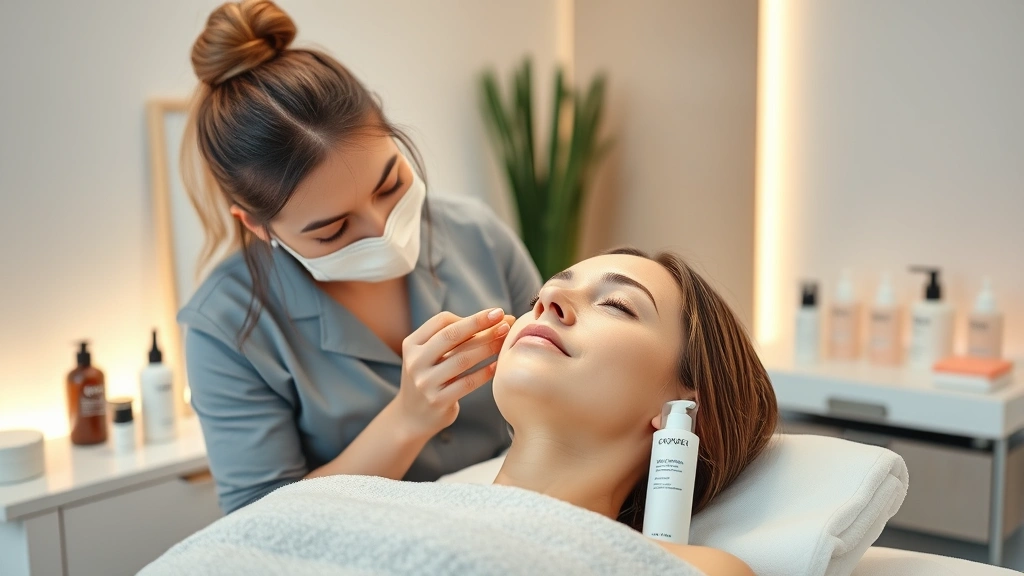
A cosmetologist license is the most comprehensive credential, permitting professionals to perform hair services, skincare treatments, nail care, and makeup application. This is the broadest license available and requires the most extensive training. An esthetician license focuses specifically on skincare services, including facials, chemical peels, and skincare consultations—making it ideal if your focus is on skin health rather than hair or nail services. Nail technician licenses authorize professionals to provide manicures, pedicures, and nail enhancements exclusively.
For those interested in broader business operations, a salon owner license (or salon manager license) is required to operate a beauty establishment. This license doesn’t necessarily allow you to perform services yourself but authorizes you to manage and supervise a salon facility. Many professionals pursue multiple licenses to expand their service offerings and business flexibility. When exploring Lush Cosmetics Careers, for example, you’ll find that many positions require specific licensing credentials to ensure professional standards.
Education and Training Requirements
Florida mandates rigorous education requirements before you can qualify for a cosmetic license in Florida. These requirements are designed to ensure professionals possess the knowledge and skills necessary to provide safe, effective services while adhering to health and sanitation standards. The specific hours required depend on your chosen license type and whether you’re entering the field or upgrading an existing credential.
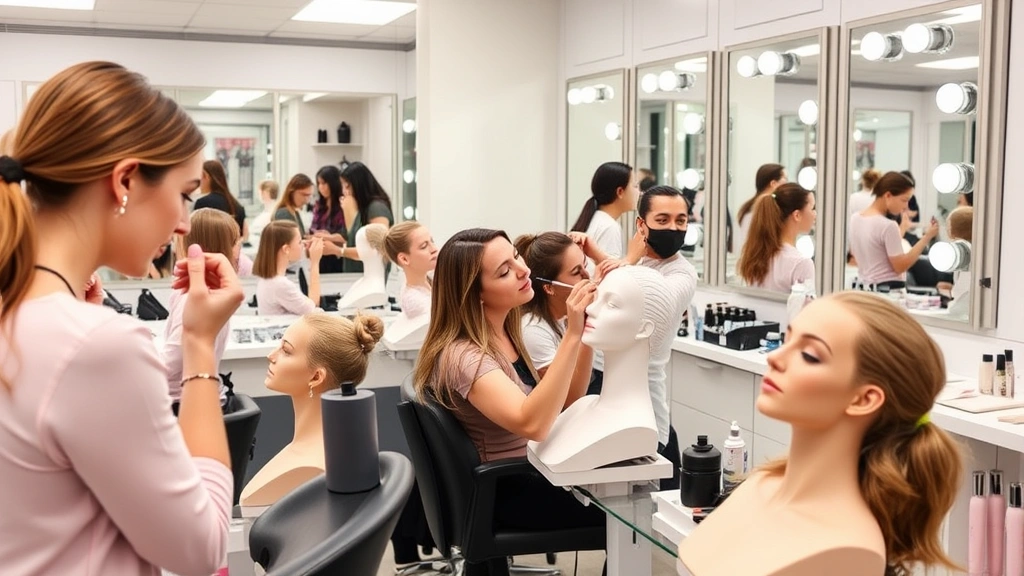
Cosmetology students must complete a minimum of 1,200 hours of instruction in an accredited beauty school. This comprehensive program covers hair styling, coloring, cutting, chemical treatments, skincare fundamentals, nail care, makeup application, and salon management. The curriculum also includes mandatory instruction on sanitation, safety protocols, and professional ethics. These hours must be completed through a school licensed by the Florida Department of Education and approved by the DBPR.
Esthetician training requires 260 hours of instruction in an accredited school. The esthetician curriculum emphasizes advanced skincare science, including facial treatments, skin analysis, product knowledge, and client consultation techniques. If you’re interested in understanding skincare ingredients at a deeper level, exploring resources about How to Use Hyaluronic Acid Serum can supplement your formal education. Estheticians learn about various skin types, conditions, and appropriate treatment protocols, preparing them to deliver professional-grade skincare services.
Nail technician programs require a minimum of 120 hours of instruction, covering nail anatomy, manicure and pedicure techniques, nail enhancement applications, sanitation standards, and client safety. Salon manager or owner training typically requires 40 hours of instruction focused on business management, regulatory compliance, personnel management, and financial operations.
All educational institutions must maintain accreditation and comply with Florida’s educational standards. Students receive transcripts documenting completed hours, which become essential documentation during the licensing application process. Many beauty schools offer flexible scheduling, including evening and weekend classes, to accommodate working professionals.
Application Process and Documentation
Once you’ve completed your required education hours, you can begin the official licensing application process through the DBPR. This process involves several steps and requires careful attention to documentation to avoid delays or rejection. Start by gathering all necessary paperwork, including your official school transcript showing completed hours, proof of identity, and a completed application form.
The application form itself must be submitted to the DBPR along with the appropriate fee. You’ll need to provide personal information, educational history, and details about your intended practice location. If you’re planning to work in a salon, you may need to provide information about the salon owner or manager. For those considering retail beauty products, understanding how to evaluate quality brands—like exploring Belif Cosmetics Aqua Bomb—can help you make informed business decisions about product lines to carry.
Documentation requirements typically include:
- Original or certified copy of your high school diploma or GED
- Official transcript from your accredited beauty school showing all completed hours
- Proof of identity (driver’s license, passport)
- Social Security number verification
- Completed application form with signatures
- Application fee payment
- Proof of Florida residency (if applicable)
The DBPR will review your application to ensure all requirements are met. If documentation is incomplete or unclear, they will request additional information. Processing times typically range from 2-4 weeks, though this can vary based on application volume. You can track your application status through the DBPR’s online portal, which provides transparency throughout the review process.
Examination and Testing
After your application is approved, you must pass the Florida Cosmetology Examination (or the appropriate exam for your license type) before receiving your license. This examination tests your knowledge of the skills and information covered in your educational program and ensures you meet professional standards.
Cosmetology exam consists of a written portion covering theory and a practical demonstration of skills. The written exam tests knowledge of hair care chemistry, sanitation procedures, salon management, state regulations, and client safety. The practical exam requires you to demonstrate competency in hair styling, coloring, chemical treatments, and other services relevant to the license type.
Esthetician exam includes written questions about skincare science, product chemistry, treatment protocols, and client consultation. The practical portion requires demonstrating facial treatments and other skincare services. Understanding ingredient science—such as the benefits of Benefits of Green Tea for Skin—can help you excel in the theoretical portions of your exam.
Nail technician exam covers nail anatomy, manicure and pedicure techniques, nail enhancement applications, and safety protocols. The practical exam demonstrates these skills under examination conditions.
Exam fees vary by license type, typically ranging from $100-$200. You can schedule your exam through the DBPR once your application is approved. Most exam locations offer multiple testing dates throughout the year. Preparation materials, including study guides and practice exams, are available through various beauty education providers and online resources.
Salon and Facility Requirements
If you’re opening a salon or beauty establishment, your facility must meet specific state and local requirements before you can legally operate. These requirements ensure client safety and maintain professional standards across Florida’s beauty industry. The facility inspection is a crucial part of the licensing process for salon owners.
Physical space requirements include adequate square footage per service station, proper ventilation systems to manage chemical fumes and airborne particles, and sufficient lighting for accurate work. Salons must have separate areas for different services (hair, nails, skincare) to maintain sanitation standards. Each service station requires appropriate plumbing and water access.
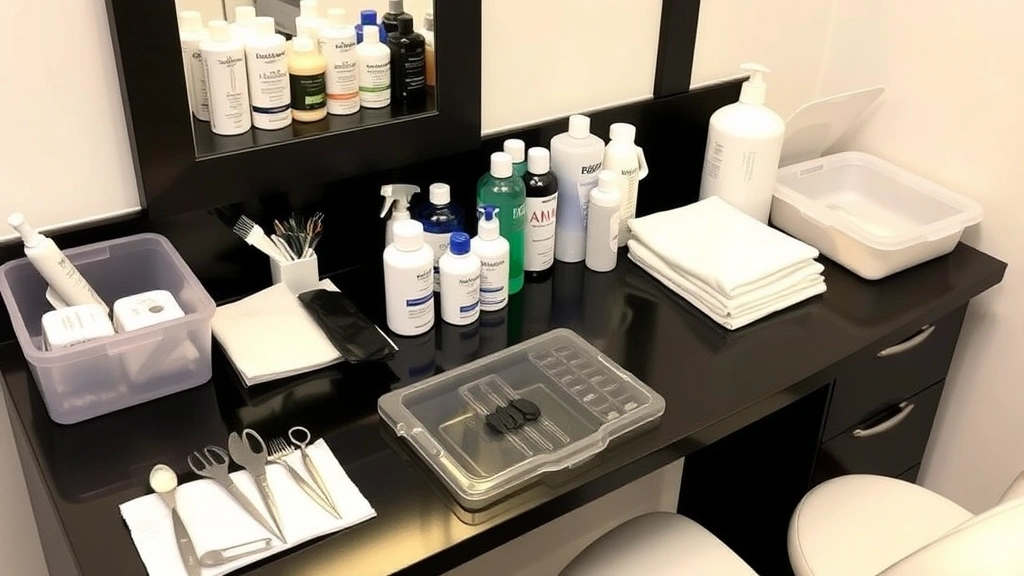
Sanitation and safety standards are paramount in Florida cosmetic facilities. This includes proper storage of chemicals, sterilization equipment for tools and implements, designated areas for clean and dirty items, and regular cleaning protocols. Nail stations must have separate containers for disinfectant solutions, and all implements must be properly sterilized between clients. Skincare treatment areas require clean linens, sanitized equipment, and appropriate storage for products.
Equipment and supplies must meet state standards. For esthetician practices, this includes facial steamers, extraction tools, massage equipment, and lighting systems appropriate for skin analysis. Cosmetology salons require styling chairs, wash stations, dryers, and color-mixing stations. All equipment must be maintained in proper working condition and regularly serviced.
Record-keeping systems are mandatory for all salons. You must maintain client records, treatment documentation, and product usage logs. These records help track client preferences, allergies, and treatment history while ensuring proper inventory management. Many modern salons use digital management systems for efficiency and compliance.
Continuing Education and Renewal
Florida cosmetic licenses are not permanent credentials. They require renewal every two years, and continuing education is mandatory to maintain your license status. This requirement ensures professionals stay current with industry advances, new techniques, and regulatory changes.
Continuing education hours vary by license type. Cosmetologists must complete 14 hours of continuing education per renewal cycle, with specific requirements for certain topics like bloodborne pathogens and salon safety. Estheticians require 14 hours as well, with emphasis on skincare science and treatment protocols. Nail technicians must complete 8 hours of continuing education. Salon owners and managers have their own continuing education requirements focused on business management and regulatory compliance.
Continuing education can be obtained through various providers, including accredited beauty schools, professional associations, and online courses. Topics range from new skincare technology and ingredient innovations to business management and customer service. When you explore resources about Designer Cosmetic Bags, you’re engaging with the business side of cosmetics that continues education often covers.
License renewal process involves submitting a renewal application to the DBPR along with proof of completed continuing education and the renewal fee. Renewal applications are typically sent to license holders 60-90 days before expiration. Submitting your renewal promptly prevents any lapse in licensure, which could disrupt your business operations.
Costs and Fees
Understanding the financial investment required for obtaining and maintaining a Florida cosmetic license helps you budget appropriately for your beauty career or business launch. Costs include education, application fees, examination fees, and renewal expenses.
Education costs vary significantly depending on the school and program type. Cosmetology programs typically cost $10,000-$20,000 for 1,200 hours of instruction, though prices vary by location and school reputation. Esthetician programs range from $3,000-$8,000 for 260 hours. Nail technician programs cost $2,000-$5,000 for 120 hours. Many schools offer payment plans or financing options to make education more accessible.
Application and examination fees are set by the DBPR. Application fees typically range from $50-$100 depending on license type. Examination fees are approximately $100-$200. These fees are non-refundable, so ensuring you meet all requirements before applying prevents wasted expenses.
License renewal fees cost approximately $50-$100 every two years, depending on license type. Continuing education courses vary in price but typically cost $50-$300 per course, depending on length and provider. Some employers or professional associations offer free or discounted continuing education to their members.
Facility setup costs for salon owners can be substantial, ranging from $50,000-$500,000 depending on salon size, location, and equipment choices. This includes rent deposits, equipment purchases, furniture, supplies, and initial inventory. Proper budgeting for these costs is essential for successful salon operations.
While costs are significant, investing in proper licensing and education protects your business legally and establishes professional credibility with clients. Many professionals find that licensed status allows them to charge premium rates, justifying the initial investment.
FAQ
How long does it take to get a cosmetic license in Florida?
The timeline varies by license type. Cosmetology programs typically take 6-12 months of full-time study to complete 1,200 hours. Esthetician programs take 2-4 months for 260 hours. After completing education, the application and examination process usually takes 4-8 weeks. Total time from enrollment to licensure typically ranges from 6-18 months depending on your chosen path and study pace.
Can I practice cosmetic services while waiting for my license?
No, you cannot legally perform cosmetic services in Florida without an active license. Practicing without a license is illegal and can result in fines, penalties, and legal consequences. You may only perform services once your application is approved and you’ve passed the required examination.
Do I need a separate salon license if I already have a cosmetologist license?
Yes, if you want to own or operate a salon, you need a separate salon owner or manager license in addition to your individual license. Your cosmetologist license authorizes you to perform services, while the salon license authorizes you to operate an establishment and supervise other professionals.
Are Florida cosmetic licenses recognized in other states?
Florida licenses are valid only in Florida. If you move to another state, you’ll need to obtain that state’s license. Some states offer reciprocity agreements that may reduce education or examination requirements if you already hold a Florida license, but you must apply for the new state’s license separately.
What happens if my license expires?
If your license expires without renewal, you cannot legally practice cosmetic services. If you let your license lapse for an extended period, you may need to retake portions of your education or examination to reinstate it. Maintaining current license status is essential for continuous practice.
Can I renew my license online?
Many aspects of the renewal process can be completed online through the DBPR’s portal, including application submission and fee payment. However, you must still provide proof of completed continuing education, which may require uploading course certificates or having your education provider submit verification directly to the DBPR.
What should I do if my application is denied?
If your application is denied, the DBPR will provide a reason in writing. Common reasons include incomplete documentation, failure to meet education requirements, or criminal history issues. You can request clarification, correct any documentation errors, and resubmit your application. Some applicants also pursue administrative appeals if they believe the denial was unjust.