Cosmetic Laser Treatments: Expert Insights on Skin Transformation
Cosmetic laser treatments have revolutionized the skincare industry, offering targeted solutions for everything from fine lines and wrinkles to stubborn pigmentation and unwanted hair. Unlike traditional topical skincare routines, laser technology works at the cellular level, stimulating collagen production and precisely removing damaged skin layers. Whether you’re considering your first laser procedure or exploring advanced options, understanding how these treatments work, their benefits, and potential risks is essential for making informed decisions about your skin health.
The landscape of cosmetic laser treatments continues to expand with innovative technologies and refined techniques. From ablative lasers that completely remove the outer skin layer to non-ablative options that work beneath the surface without damaging epidermis, there’s a solution for nearly every skin concern and type. However, the effectiveness and safety of these treatments depend heavily on choosing the right technology for your specific needs, understanding the recovery process, and following professional aftercare recommendations.
How Cosmetic Lasers Work on Skin
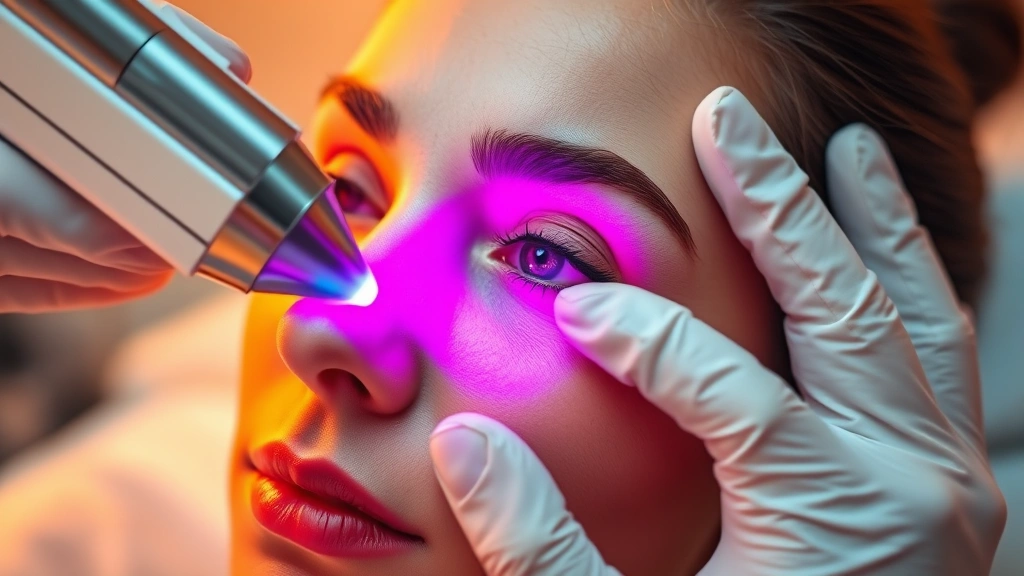
Cosmetic laser treatments operate on a principle called selective photothermolysis, where specific wavelengths of light target particular skin structures while leaving surrounding tissue unharmed. The laser emits concentrated beams of light that penetrate the skin at controlled depths, generating heat that either destroys targeted cells or stimulates the body’s natural healing response. This precision allows dermatologists to address specific concerns without causing widespread damage to healthy skin.
The science behind laser effectiveness lies in how different wavelengths interact with skin chromophores—molecules that absorb light. Melanin absorbs shorter wavelengths, making it ideal for treating pigmentation issues and hair removal. Hemoglobin responds to different wavelengths, making certain lasers perfect for vascular concerns like rosacea and broken capillaries. Water absorption patterns determine which lasers work best for resurfacing and stimulating collagen remodeling. Understanding these mechanisms helps explain why one laser might be perfect for your concern while another proves ineffective.
When laser energy is absorbed by target tissues, it converts to thermal energy, creating a controlled injury that triggers the skin’s repair mechanisms. This stimulates fibroblasts to produce new collagen and elastin, gradually improving skin texture, firmness, and appearance over weeks and months. The body’s inflammatory response following treatment actually accelerates healing and rejuvenation, which is why proper post-treatment care becomes crucial for optimal results.

Types of Laser Treatments Available
Ablative Lasers completely remove the outer skin layer (epidermis) and portions of the dermis. CO2 and Erbium lasers fall into this category, offering dramatic results for severe wrinkles, scars, and pigmentation issues. However, ablative treatments require significant downtime—typically 1-2 weeks of visible healing—and carry higher risks of complications. These powerful treatments are best suited for patients willing to invest recovery time for transformative results.
Non-Ablative Lasers work beneath the skin surface without removing the epidermis, making them gentler alternatives with minimal downtime. Technologies like Nd:YAG, diode lasers, and alexandrite lasers stimulate collagen without surface damage. Multiple sessions are usually needed to achieve results comparable to ablative treatments, but they’re ideal for patients who can’t afford extended recovery periods or prefer gradual improvement.
Fractional Lasers represent a middle ground, treating only a fraction of skin surface at a time. This creates microscopic treatment zones surrounded by untreated skin, which accelerates healing and reduces downtime compared to full-surface ablative treatment. Fractional CO2 and fractional erbium lasers have become increasingly popular because they deliver significant results with manageable recovery periods.
Combination Technologies often provide superior results. Many clinics now use hybrid approaches combining different laser wavelengths or pairing lasers with radiofrequency or ultrasound energy. These multimodal treatments address multiple skin concerns simultaneously and can enhance overall rejuvenation outcomes.
Addressing Specific Skin Concerns with Laser Technology
Fine Lines and Wrinkles: Fractional and ablative CO2 lasers excel at smoothing dynamic and static wrinkles by removing damaged skin and stimulating deep collagen remodeling. Non-ablative options like Nd:YAG provide subtle improvement with zero downtime, making them suitable for maintenance treatments between more aggressive procedures.
Acne Scars: Different scar types respond to different lasers. Boxcar and icepick scars often require ablative or fractional CO2 treatment for significant improvement. Rolling scars may benefit from subcision combined with laser resurfacing. The healing process following laser scar treatment requires diligent skincare to prevent complications and optimize results.
Hyperpigmentation and Age Spots: Q-switched lasers and picosecond technology effectively target melanin in age spots, melasma, and tattoo pigment. These shorter pulse duration lasers minimize heat damage to surrounding skin while maximizing pigment destruction. Multiple sessions spaced 4-6 weeks apart typically achieve optimal clearing of stubborn pigmentation.
Rosacea and Vascular Lesions: Vascular lasers like KTP and Nd:YAG specifically target hemoglobin in dilated blood vessels and capillaries. These treatments reduce facial redness, visible blood vessels, and spider veins effectively. Patients with rosacea often see significant improvement in both appearance and symptom severity following vascular laser treatments.
Hair Removal: Diode, alexandrite, and Nd:YAG lasers destroy hair follicles by targeting melanin in the hair shaft. Dark, coarse hair responds best to laser hair removal, while fine or light-colored hair remains challenging. Multiple sessions (typically 6-12) are needed because hair grows in cycles and lasers only affect actively growing follicles.
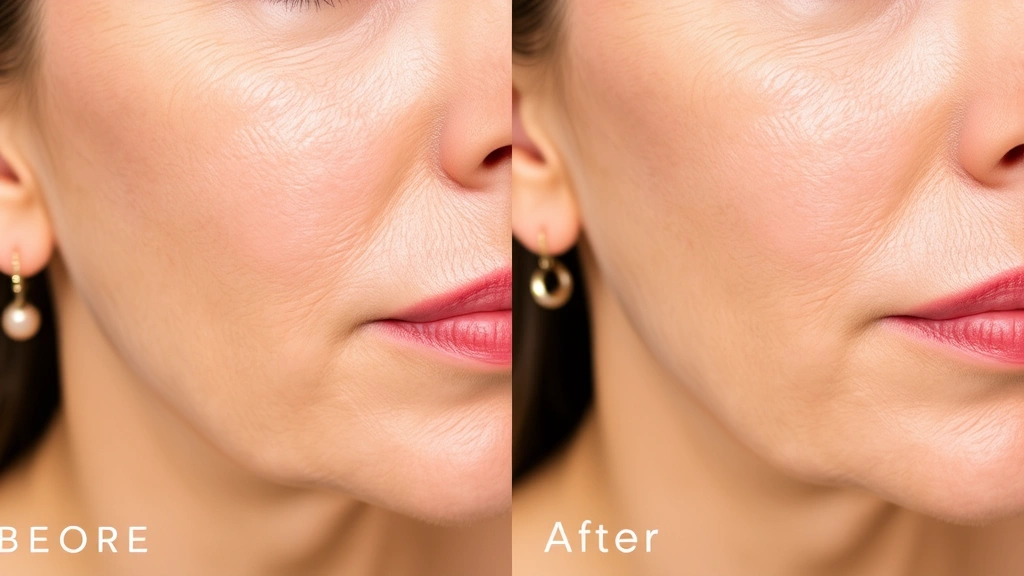
Skin Texture and Tone: Fractional and ablative resurfacing dramatically improve overall skin quality by removing damaged surface layers and stimulating collagen production. Results include refined pore appearance, smoother texture, more even tone, and improved skin radiance that continues improving for months as new collagen forms.
Recovery and Aftercare Essentials
Post-laser recovery varies dramatically depending on treatment intensity. Ablative treatments require the most intensive aftercare, with visible healing lasting 1-2 weeks and complete recovery extending 2-3 months. Non-ablative treatments might show no visible recovery signs, while fractional approaches fall somewhere in between.
Immediate Post-Treatment Care: Most patients experience redness, swelling, and mild discomfort immediately following treatment. Cool compresses, prescribed topical medications, and gentle cleansing help manage these symptoms. Avoiding sun exposure, heat, exercise, and irritating products during the first 24-48 hours is critical for preventing complications and optimizing healing.
Wound Care: Ablative treatments create open wounds requiring careful management. Your dermatologist will provide specific cleansing instructions, typically involving gentle washing with prescribed solutions and application of healing ointments. Keeping the area clean and moist (but not overly wet) prevents infection and promotes optimal healing. The soothing properties of aloe vera can complement prescribed aftercare products, though always confirm with your provider before adding anything to your healing routine.
Sun Protection: New skin generated following laser treatment is extremely vulnerable to UV damage and hyperpigmentation. Strict sunscreen use (SPF 50+) is non-negotiable for at least 4-6 weeks post-treatment, and many dermatologists recommend extended sun protection. Avoiding direct sun exposure entirely during the initial healing phase prevents complications and ensures better color matching with surrounding skin.
Skincare Modifications: During recovery, simplify your routine to gentle cleansing and prescribed healing products. Avoid active ingredients like retinoids, vitamin C serums, and alpha hydroxy acids until your skin fully heals. Gentle, fragrance-free products designed for sensitive skin work best during the vulnerable post-laser period.
Timeline for Results: Immediate improvements appear within days as swelling reduces and new skin emerges, but optimal results develop over 2-6 months as collagen remodeling continues. Some patients benefit from multiple treatments spaced 4-6 weeks apart to achieve desired results, particularly with non-ablative options requiring cumulative effects.
Laser Safety Considerations for Different Skin Types
Skin type significantly impacts laser safety and efficacy. Lighter skin types (Fitzpatrick I-III) traditionally responded well to most lasers because lower melanin levels meant less competing light absorption. However, advanced technologies now enable safer, more effective treatment across all skin tones.
Fair Skin: Generally tolerates most laser wavelengths well, but hypopigmentation (lightening) and textural changes remain possible complications. Longer wavelengths like Nd:YAG minimize these risks compared to shorter wavelengths that absorb more readily in fair skin.
Medium Skin: Requires careful laser selection and settings. Some wavelengths carry higher hyperpigmentation or hypopigmentation risks. Fractional approaches and longer wavelengths prove safer than full-surface ablative treatments, which historically showed higher complication rates in medium skin tones.
Deep Skin: Traditionally had limited laser options due to high melanin levels competing for laser energy absorption. However, newer technologies like picosecond lasers, longer wavelengths, and fractional approaches have dramatically expanded safe options. Nd:YAG lasers and specific fractional technologies designed for deeper skin tones now provide excellent results with minimal risk when used by experienced providers.
Regardless of skin type, treatment settings must be customized to individual characteristics. A provider experienced in treating your specific skin tone understands how to adjust wavelengths, pulse durations, and energy levels to maximize results while minimizing complications. This expertise becomes increasingly important for darker skin types, where improper settings carry higher risks.
Combining Laser Treatments with Skincare Routines
Laser treatments work synergistically with comprehensive skincare routines. While lasers provide dramatic results through physical skin remodeling, topical products maintain and enhance these improvements between treatments.
Pre-Treatment Preparation: Many dermatologists recommend pre-treatment skincare protocols starting 2-4 weeks before laser procedures. Retinoids increase cell turnover and prepare skin for treatment. Hydroquinone or other depigmenting agents can minimize hyperpigmentation risk in prone patients. Sunscreen use prevents additional UV damage that would complicate laser treatment. These preparatory steps optimize skin condition for maximum laser efficacy.
Post-Treatment Enhancement: After healing completes, reintroducing active ingredients strategically enhances and maintains laser results. Retinoids continue stimulating collagen and cell turnover. Antioxidant-rich products like green tea provide protective benefits during the vulnerable post-laser period. Hydrating serums and moisturizers support the skin barrier as it fully recovers.
Maintenance Strategies: Regular use of sunscreen, retinoids, and antioxidants helps preserve laser results long-term. Many patients benefit from maintenance laser treatments annually or biannually, depending on their concerns and skin aging rate. Combining these treatments with consistent skincare prevents rapid regression and extends the investment in laser procedures.
Complementary Treatments: Facial massage and other non-invasive techniques can enhance circulation and support skin healing following laser treatment. Some patients combine lasers with chemical peels, microneedling, or radiofrequency treatments for comprehensive rejuvenation, though these should always be coordinated with your dermatologist to avoid over-treating skin.
Managing Sensitive Skin: Patients with sensitive skin, eczema, or conditions like contact dermatitis require extra caution with laser treatments. Pre-existing inflammation increases complication risks, so dermatologists may recommend pre-treatment with anti-inflammatory medications or delaying treatment until skin is in optimal condition. Post-treatment, ultra-gentle skincare becomes even more critical for sensitive skin types.
FAQ
How many laser sessions do I need to see results?
Results vary by treatment type and concern. Ablative treatments often show dramatic improvement after a single session, though some patients benefit from additional treatments. Non-ablative treatments typically require 4-6 sessions spaced 4-6 weeks apart for noticeable results. Your dermatologist will recommend a treatment plan based on your specific goals and skin response.
Is laser treatment painful?
Most patients describe laser sensations as snapping or stinging rather than true pain. Numbing creams, cooling devices, and prescription pain management help minimize discomfort. Ablative treatments typically require stronger anesthesia than non-ablative options. Pain tolerance varies individually, so discuss comfort management options with your provider beforehand.
Can laser treatments cause permanent damage?
When performed by experienced dermatologists using appropriate settings for your skin type, cosmetic lasers are very safe. However, improper settings or inadequate aftercare can cause complications like scarring, permanent pigmentation changes, or texture alterations. Choosing a board-certified dermatologist with extensive laser experience significantly minimizes these risks.
How long do laser treatment results last?
Results depend on the concern treated and your skin’s aging process. Hair removal results can last years because destroyed follicles don’t regenerate. Pigmentation improvements may last indefinitely if sun protection is maintained. Wrinkles and skin texture gradually improve again over time as aging continues, making maintenance treatments beneficial for sustained results.
Can I get laser treatment if I have darker skin?
Yes, modern laser technologies enable safe, effective treatment across all skin tones. Longer wavelengths like Nd:YAG and picosecond lasers work particularly well for deeper skin. However, provider expertise is crucial—choose a dermatologist experienced in treating your specific skin tone to ensure optimal results and minimal complication risk.
What’s the difference between laser and light-based treatments?
True lasers emit coherent light at a single wavelength, while light-based treatments (like intense pulsed light or IPL) emit multiple wavelengths. Lasers generally offer more precision and intensity, making them better for specific concerns. IPL treatments are gentler and require less downtime but may need more sessions. Your dermatologist will recommend the best option for your concerns and skin type.
When can I return to normal activities after laser treatment?
Non-ablative treatments often allow immediate return to normal activities. Fractional treatments typically require 3-5 days of modified activity (avoiding sun, heat, and intense exercise). Ablative treatments require 1-2 weeks of significant downtime before resuming normal routines. Your dermatologist will provide specific activity guidelines based on your treatment type.