Top Laser Treatments for Skin: Expert Insights on Cosmetic Skin and Laser Technology
Laser treatments have revolutionized cosmetic dermatology, offering precision-targeted solutions for numerous skin concerns without invasive surgery. From reducing fine lines and wrinkles to eliminating stubborn pigmentation and acne scars, laser technology continues to advance, providing patients with safer, more effective options than ever before. Whether you’re dealing with sun damage, unwanted hair, or textural irregularities, understanding the available laser treatments can help you make informed decisions about your skin’s future.
The beauty of laser treatments lies in their versatility and customization. Modern laser systems can be calibrated to target specific skin depths, wavelengths, and chromophores (light-absorbing molecules) within the skin. This precision means dermatologists can address multiple concerns simultaneously while minimizing downtime and side effects. However, not all laser treatments are suitable for every skin type or concern, which is why expert consultation is essential before beginning any cosmetic procedure.
Understanding Laser Technology in Dermatology
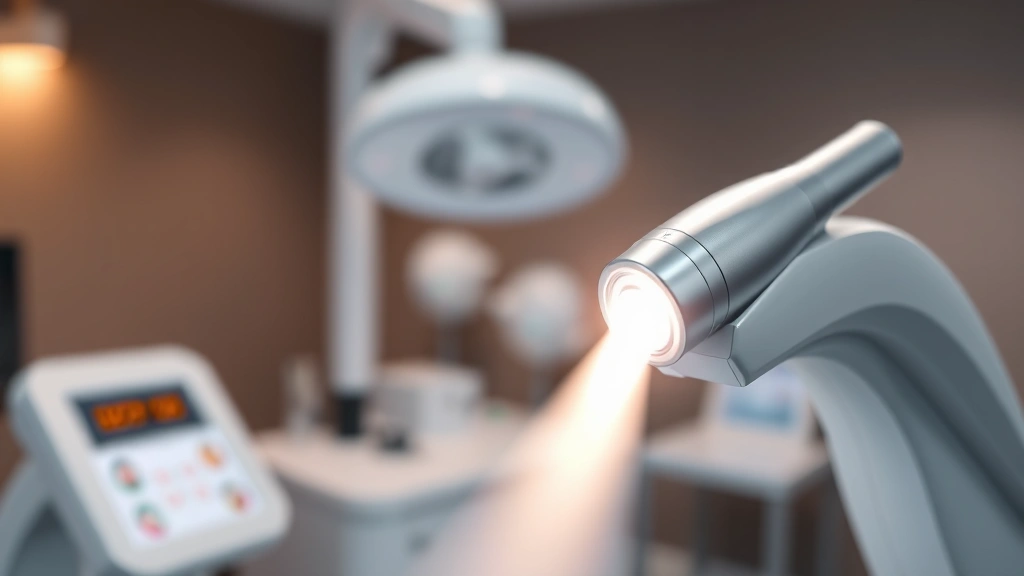
Laser technology in cosmetic dermatology operates on principles of selective photothermolysis, meaning lasers emit specific wavelengths of light that target particular structures within the skin while leaving surrounding tissue relatively unaffected. Different laser wavelengths penetrate to different depths: shorter wavelengths (like visible light) affect superficial layers, while longer infrared wavelengths reach deeper dermal structures.
The most commonly used laser wavelengths in cosmetic treatments include:
- Excimer lasers (308 nm): Target melanin and hemoglobin; excellent for pigmentation and vascular lesions
- KTP/Nd:YAG lasers (532-1064 nm): Versatile for treating red and brown discoloration, vascular lesions, and hair removal
- Erbium lasers (2940 nm): Highly absorbed by water; ideal for precise ablative resurfacing
- CO2 lasers (10,600 nm): Gold standard for deep resurfacing; strongest ablative option available
Understanding these technical aspects helps explain why certain lasers work better for specific concerns. A dermatologist’s expertise in selecting and operating the appropriate laser for your skin type and concern is crucial for optimal results and safety.
Ablative Laser Treatments: Powerful Resurfacing Solutions
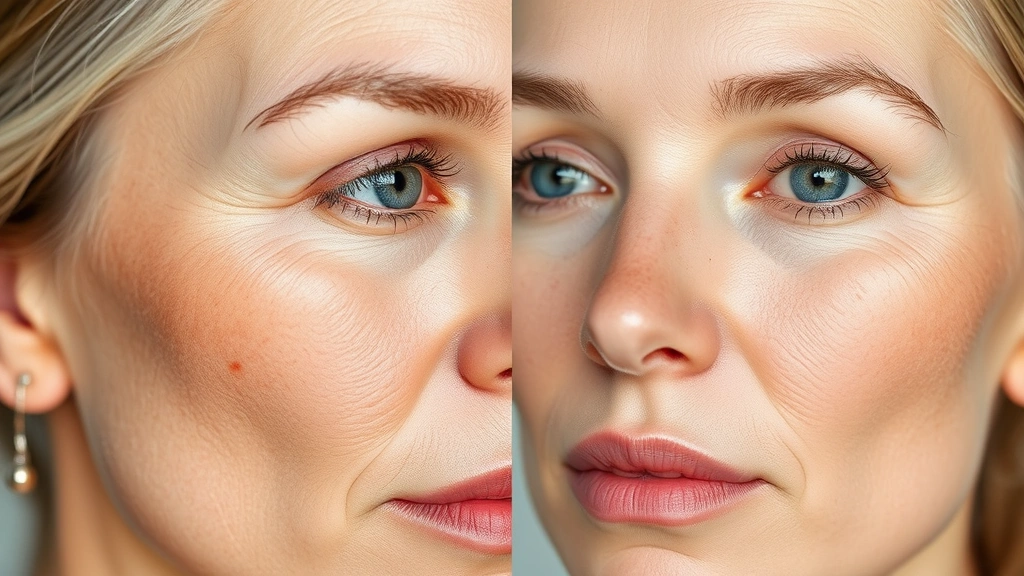
Ablative lasers literally remove layers of skin, vaporizing the epidermis and portions of the dermis to stimulate collagen remodeling and reveal fresh, rejuvenated skin underneath. While these treatments deliver dramatic results, they require significant downtime and carry higher risks of complications, particularly for darker skin types.
CO2 Laser Resurfacing remains the most aggressive and effective ablative option for severe wrinkles, deep acne scars, and significant sun damage. Full-face CO2 resurfacing can reduce deep wrinkles by 50-75%, but patients typically experience 2-3 weeks of visible healing and several months of residual redness. This treatment is best suited for patients with fair skin due to higher risks of hypopigmentation in darker complexions.
Erbium lasers offer a gentler alternative to CO2 with less thermal injury to surrounding tissue, translating to faster healing (7-10 days) and lower complication rates. Erbium treatments work exceptionally well for moderate wrinkles, superficial scars, and melasma, particularly for patients with darker skin tones or those seeking shorter recovery periods.
Ablative treatments pair well with a comprehensive skincare routine with retinol and hyaluronic acid during the healing phase, as these ingredients support skin barrier repair and collagen synthesis. Post-treatment skin requires meticulous care to prevent infection and optimize results.
Non-Ablative Laser Options for Gentle Results
Non-ablative lasers stimulate collagen remodeling without removing skin layers, making them ideal for patients seeking minimal downtime and cumulative improvements. These treatments require multiple sessions but offer gentler, more gradual skin transformation.
Nd:YAG lasers penetrate deeply into the dermis without affecting the epidermis, making them safe for all skin types including darker complexions. They effectively treat vascular lesions, rosacea, and can stimulate collagen production for subtle skin tightening. Most patients experience minimal downtime, though some may notice temporary redness or mild swelling.
Diode lasers deliver sustained heat to the dermis, promoting collagen contraction and new collagen formation. These work particularly well for mild-to-moderate wrinkles, skin laxity, and acne-related concerns. Results appear gradually over weeks and months as new collagen develops.
IPL (Intense Pulsed Light) systems, while technically not true lasers, function similarly by emitting broad-spectrum light to target melanin and hemoglobin. IPL excels at treating age spots, sun damage, and broken capillaries with minimal downtime. These treatments suit patients with lighter to medium skin tones best, though newer technologies have expanded safe usage to darker skin.
Non-ablative approaches complement other skincare strategies, such as skincare products for sensitive skin, allowing you to maintain your regular routine with minimal interruption.
Fractional Lasers: The Middle Ground
Fractional laser technology represents a significant advancement, creating microscopic columns of ablation surrounded by intact skin. This mosaic pattern accelerates healing while delivering results approaching full ablative treatments.
Fractional CO2 lasers offer the power of traditional CO2 resurfacing with faster recovery—typically 5-7 days of visible healing instead of 2-3 weeks. Treatment intensity is customizable through adjustable parameters, allowing dermatologists to tailor procedures to individual skin conditions and tolerance levels. Multiple passes create deeper penetration and more dramatic results for severe wrinkles and scars.
Fractional Erbium lasers provide even gentler fractional options, ideal for patients wanting ablative-type results with minimal downtime. These work beautifully for treating skin conditions like eczema-prone areas after healing, as the fractional approach reduces inflammation compared to full ablation.
Fractional non-ablative lasers like fractional Nd:YAG create thermal zones without removing skin, requiring no downtime but necessitating 4-6 sessions for optimal results. These suit busy professionals and those with darker skin types seeking gradual improvement without significant healing periods.
Fractional treatments trigger intense collagen remodeling, so post-treatment skincare should emphasize hydration and barrier support. Many dermatologists recommend avoiding active ingredients like retinol immediately post-treatment, resuming gradually after complete healing.
Laser Hair Removal and Pigmentation Treatment
Beyond wrinkle reduction and skin resurfacing, lasers excel at targeting specific chromophores like melanin in hair follicles and pigmented lesions.
Laser Hair Removal uses concentrated light to heat and destroy hair follicles in their growth phase. Diode, alexandrite, and Nd:YAG lasers each offer distinct advantages: diode lasers work well for light to dark hair on lighter skin; alexandrite lasers suit lighter skin with dark hair; Nd:YAG lasers safely treat darker skin types. Multiple sessions (6-12) are necessary since only 20% of hair exists in the growth phase at any given time. Results are semi-permanent, with most patients experiencing 80-90% hair reduction, though occasional maintenance treatments may be needed.
Pigmentation and Age Spot Removal targets melanin deposits using wavelengths selectively absorbed by pigmented lesions. Q-switched lasers deliver ultra-short pulses that shatter pigment into smaller particles the body can eliminate. These treatments effectively address:
- Age spots and sun spots
- Melasma (though challenging and may require multiple sessions)
- Freckles and lentigines
- Post-inflammatory hyperpigmentation
- Tattoo removal (through pigment fragmentation)
Pigmentation treatments carry risks of paradoxical darkening, particularly in darker skin types and with melasma. Expert assessment and patch testing are essential before full-face treatment. Post-treatment sun protection becomes absolutely critical, as UV exposure can trigger pigment rebound.
Recovery and Aftercare Essentials
Laser treatment success depends as much on aftercare as the procedure itself. Recovery protocols vary significantly based on laser type and intensity.
Ablative Laser Recovery involves visible healing phases: oozing and crusting (days 1-7), erythema and edema (weeks 1-3), and residual redness (weeks 4-12). Patients must keep treated skin clean, moisturized, and strictly protected from sun exposure. Recommended aftercare includes:
- Gentle cleansing with non-irritating cleansers
- Frequent application of medical-grade moisturizers containing ceramides and peptides
- Strict SPF 50+ sunscreen application every 2 hours
- Avoidance of makeup for 7-10 days (or longer depending on healing)
- No strenuous exercise or activities causing excessive sweating for 1-2 weeks
Non-Ablative Recovery typically involves minimal downtime—some redness and mild swelling that resolves within hours to days. Patients can resume normal activities immediately but should still apply sunscreen and avoid direct sun exposure for several days.
During recovery phases, preventing skin dryness becomes especially important, as laser-treated skin has compromised barrier function. Hyaluronic acid serums, ceramide-rich moisturizers, and hydrating sheet masks support healing and comfort.
Avoid active skincare ingredients during initial healing: retinoids, vitamin C, AHAs, and BHAs should be postponed until skin is fully healed. Once cleared by your dermatologist, gradually reintroduce these ingredients to support ongoing collagen remodeling and skin health.
Combining Lasers with Other Skincare Approaches
Laser treatments work synergistically with comprehensive skincare strategies and complementary procedures. Dermatologists often recommend combining modalities for enhanced results.
Layering with Skincare Ingredients amplifies laser benefits. After healing completes, retinol and hyaluronic acid skincare routines support continued collagen synthesis and skin barrier health. Retinoids accelerate cell turnover and stimulate collagen production, complementing laser-induced remodeling. Hyaluronic acid maintains hydration in newly remodeled skin, improving texture and radiance.
Incorporating antioxidants like green tea’s cosmetic benefits protects newly treated skin from free radical damage triggered by laser energy. Green tea’s polyphenols reduce inflammation and support healing while providing additional sun protection benefits.
Complementary Procedures enhance laser outcomes. Facial massage benefits improve circulation and lymphatic drainage post-treatment, reducing swelling and supporting nutrient delivery to healing skin. Microneedling before laser treatment can enhance penetration; chemical peels after laser resurfacing can address remaining superficial concerns.
Combining different laser wavelengths in single sessions allows dermatologists to address multiple concerns simultaneously. For example, treating rosacea with Nd:YAG for vascular lesions while using fractional CO2 for textural concerns maximizes efficiency and results.
Maintenance and Prevention ensure long-lasting benefits. Regular sunscreen application (SPF 50+), antioxidant serums, and hydrating moisturizers protect laser-treated skin and prevent new damage. Many patients benefit from occasional maintenance laser sessions annually to sustain results and address new concerns as they develop.
FAQ
What’s the difference between ablative and non-ablative lasers?
Ablative lasers remove skin layers, delivering dramatic results with longer downtime (2-3 weeks). Non-ablative lasers stimulate collagen without removing skin, requiring minimal downtime but multiple sessions for noticeable results. Fractional lasers combine benefits of both approaches, offering stronger results than non-ablative with shorter recovery than full ablative.
Which laser is best for darker skin tones?
Nd:YAG and diode lasers are safest for darker skin, as they penetrate deeply without affecting melanin in the epidermis. Fractional non-ablative options also work well. Avoid Q-switched lasers and aggressive ablative treatments unless performed by experienced dermatologists familiar with treating darker skin types, as risks of hypopigmentation and paradoxical darkening increase.
How many laser sessions do I need?
This depends on the laser type and concern. Ablative treatments often deliver significant results in 1-2 sessions. Non-ablative treatments typically require 4-6 sessions spaced 4-6 weeks apart. Hair removal requires 6-12 sessions. Your dermatologist will recommend a customized treatment plan based on your specific goals and skin condition.
Can I use retinol after laser treatment?
Wait until skin is completely healed (typically 2-4 weeks after ablative treatments, 3-7 days after non-ablative) before reintroducing retinol. Start with lower concentrations and gradually increase frequency to avoid irritation. Your dermatologist will provide specific timing recommendations based on your treatment type.
What’s the cost of laser treatments?
Laser treatment costs vary widely: non-ablative treatments range from $300-800 per session; fractional lasers cost $1,000-3,000 per session; ablative resurfacing runs $2,000-5,000+ depending on treatment area and intensity. Hair removal typically costs $150-500 per session depending on area size. Most cosmetic laser treatments aren’t covered by insurance.
Are laser treatments permanent?
Results depend on the treatment type and concern. Hair removal provides semi-permanent results; most patients need occasional maintenance. Wrinkle and scar improvements are long-lasting but not permanent—aging continues, and new sun damage may develop. Pigmentation removal is often permanent for that specific lesion, though new spots may appear. Maintenance treatments help sustain results.
What are the risks and side effects?
Common side effects include temporary redness, swelling, and mild discomfort. Potential risks include hyperpigmentation, hypopigmentation, scarring, infection, and paradoxical darkening (especially with pigmentation treatments). Choosing an experienced, board-certified dermatologist significantly reduces complication risks. Darker skin types carry higher risks with certain lasers, requiring specialized expertise.