Cosmetic surgery for men has experienced remarkable growth over the past decade, with more male patients seeking aesthetic procedures than ever before. Whether driven by professional pressures, social media influence, or personal confidence goals, men are increasingly exploring surgical and non-surgical options to enhance their appearance. This shift reflects changing attitudes toward male grooming and self-care, breaking away from outdated stigmas that once surrounded cosmetic enhancement in the male population.
The landscape of male cosmetic procedures encompasses everything from minimally invasive treatments to comprehensive surgical interventions. Understanding the options, recovery timelines, and realistic outcomes is essential for any man considering aesthetic enhancement. This guide explores expert insights into cosmetic surgery for men, examining popular procedures, candidacy requirements, and what modern practitioners recommend for optimal results.

The Rising Trend of Male Cosmetic Surgery
Statistical data reveals that men now account for approximately 10-15% of all cosmetic surgery procedures performed annually in the United States. This represents a significant increase from previous decades, with the American Society of Plastic Surgeons documenting consistent year-over-year growth in male patient consultations. The primary drivers include increased workplace competition, social media visibility, and a cultural shift toward self-improvement across all demographics.
Men seeking cosmetic skin and laser procedures often cite specific concerns: facial aging, loss of definition, and appearance-based insecurity. Unlike previous generations, today’s men feel empowered to address these concerns proactively rather than accepting age-related changes passively. This normalization has created a supportive environment where discussing cosmetic enhancement is no longer considered taboo.
The demographic profile of male cosmetic surgery patients spans various age groups and professions. Business executives, healthcare professionals, and creative industry workers represent significant patient populations, often motivated by maintaining a competitive professional image. Younger men, influenced by celebrity culture and social media standards, increasingly pursue procedures in their 20s and 30s to prevent aging signs before they become pronounced.
Expert practitioners emphasize that successful outcomes depend heavily on understanding each patient’s unique anatomy and aesthetic goals. Male facial structure differs substantially from female anatomy, requiring surgeons with specialized knowledge in male-specific considerations. This includes understanding male bone structure, facial proportions, and the aesthetic principles that create naturally masculine results rather than feminized outcomes.
Popular Surgical Procedures for Men
Rhinoplasty (Nose Surgery) remains the most requested surgical procedure among male patients. Men typically seek rhinoplasty to correct breathing issues, reduce nasal prominence, or refine tip definition. The goal differs from female rhinoplasty—surgeons maintain or enhance masculine nasal characteristics rather than creating delicate, reduced proportions. A well-executed male rhinoplasty preserves strong nasal projection while improving overall facial harmony.
Chin Augmentation and Jawline Enhancement address one of the most aesthetically important male facial features. A well-defined jawline communicates strength and masculinity, making this procedure increasingly popular among men concerned with facial definition. Surgeons employ implants or fat grafting to enhance chin projection and create more angular jaw contours. These procedures often combine with liposuction to remove submental fat, revealing underlying bone structure more prominently.
Hair Transplantation represents a surgical category with explosive growth among male patients. Advanced techniques like follicular unit extraction (FUE) and direct hair implantation allow natural-looking results with minimal scarring. Men experiencing male pattern baldness increasingly choose surgical intervention over accepting hair loss, viewing it as a legitimate cosmetic procedure rather than mere vanity.
Eyelid Surgery (Blepharoplasty) helps men address drooping upper eyelids or under-eye bags that create a tired appearance. This procedure is particularly popular among middle-aged and older men seeking to maintain a more youthful, alert expression. The surgery involves removing excess skin and fat while maintaining masculine eye shape—avoiding the overly-opened appearance sometimes seen in female blepharoplasty.
Facelift and Neck Lift procedures serve men wanting to address facial aging without appearing dramatically altered. Modern techniques emphasize natural results that maintain masculine features while reducing sagging, deep folds, and neck laxity. Surgeons use conservative approaches that refresh appearance rather than creating obvious surgical transformation.
Gynecomastia Surgery addresses enlarged male breast tissue, a condition affecting approximately 40-60% of men at some point in their lives. This procedure combines liposuction with glandular tissue removal to create a flatter, more masculine chest contour. Many men consider this reconstructive rather than purely cosmetic, as the condition often causes significant psychological distress.
Abdominal Etching and Liposuction target stubborn fat deposits resistant to diet and exercise. Men increasingly seek these procedures to enhance muscular definition, with abdominal etching surgically creating more pronounced muscle striations. The procedure works best on men with good skin elasticity and existing muscle tone.
Non-Surgical Alternatives and Injectables
Non-surgical cosmetic options have revolutionized male aesthetic enhancement, offering results with minimal downtime. Botox and dysport injections address dynamic wrinkles caused by repetitive facial movements. Men appreciate these treatments for reducing forehead lines, frown lines, and crow’s feet while maintaining natural expression. Expert injectors use conservative dosing to prevent the frozen appearance men often fear, instead creating subtle refinement.
Dermal fillers using hyaluronic acid or calcium hydroxylapatite restore facial volume lost through aging. Men benefit from strategic filler placement to enhance jawline definition, restore cheek projection, or add subtle chin augmentation. When applied skillfully, fillers enhance masculine features rather than creating obvious augmentation.
Microneedling and radiofrequency treatments stimulate collagen production to improve skin texture, reduce fine lines, and tighten skin. These procedures work exceptionally well for men concerned with visible aging signs but hesitant about surgical intervention. The cumulative effects appear natural and progressive, avoiding dramatic changes that might draw unwanted attention.
Chemical peels address uneven skin tone, texture irregularities, and mild scarring. Men with acne-prone skin or sun damage benefit particularly from professional-grade peels. When combined with proper gentle face cleansing techniques, peels accelerate skin renewal without compromising barrier function.
Laser treatments encompass various technologies addressing different skin concerns. Ablative lasers remove damaged skin layers to treat scarring and severe sun damage, while non-ablative options stimulate collagen without removing surface skin. Men with darker skin tones require specialized laser selection to minimize complications and achieve optimal results safely.
Platelet-rich plasma (PRP) therapy and stem cell treatments represent emerging options gaining popularity among men seeking natural rejuvenation. These autologous treatments use the patient’s own biological materials to stimulate healing and regeneration, appealing to men preferring biological approaches over synthetic fillers.
Preparing for Your Cosmetic Procedure
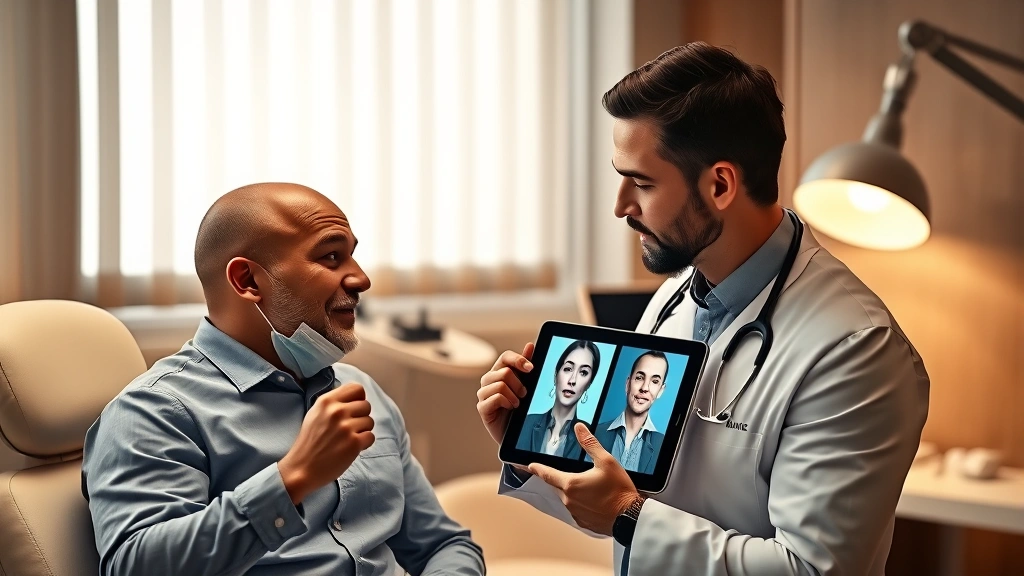
Comprehensive consultation with a board-certified plastic surgeon is essential before pursuing any cosmetic procedure. During consultation, discuss your aesthetic goals in detail, ensuring realistic expectations align with surgical possibilities. Expert surgeons present before-and-after photos of male patients with similar anatomy, allowing you to visualize potential outcomes specific to your facial structure.
Medical evaluation determines candidacy and identifies potential complications. Surgeons assess overall health, review medications, and evaluate skin quality and elasticity. Men with significant sun damage or poor skin texture may require preparatory treatments before surgical procedures to optimize outcomes. Discussing benefits of green tea for skin and antioxidant supplementation may help optimize skin health preoperatively.
Pre-procedure skincare optimization strengthens skin barrier function and promotes healing. Surgeons often recommend gentle cleansing, hydration with appropriate moisturizers, and sun protection for several weeks before surgery. Avoiding smoking, excessive alcohol, and certain medications reduces bleeding risk and promotes faster healing. Men should discontinue blood-thinning supplements like fish oil, vitamin E, and aspirin as directed by their surgeon.
Arrange for post-procedure support, including time off work and assistance during initial recovery phases. Most men can return to desk work within one to two weeks after non-surgical procedures, but surgical interventions require longer recovery periods. Understanding specific downtime requirements helps you plan appropriately and set realistic work expectations.
Recovery and Realistic Expectations
Recovery timelines vary dramatically depending on procedure type and extent. Non-surgical treatments like injectables produce minimal downtime, with patients resuming normal activities immediately. Some redness or mild swelling may appear temporarily, particularly after microneedling or chemical peels, but resolves within days.
Surgical procedures require more substantial recovery periods. Rhinoplasty involves nasal packing for one to two weeks, with visible swelling persisting for several weeks to months. Most men return to light activities within two weeks but avoid strenuous exercise for four to six weeks. Final results emerge over six to twelve months as swelling completely resolves and tissues settle into their new position.
Facelift recovery typically spans two to three weeks for initial healing, with gradual improvement over several months. Most men experience bruising and swelling that peaks around day three to five, then gradually improves. Keeping your head elevated, applying cold compresses, and following compression garment recommendations accelerates healing and reduces swelling duration.
Realistic expectations prevent disappointment and enhance satisfaction. Even excellent surgical results improve rather than transform your appearance. Cosmetic surgery aims to enhance natural features and address specific concerns, not create entirely new faces. Understanding this distinction helps men appreciate subtle refinements rather than expecting dramatic transformation.
Post-Procedure Skincare for Optimal Results
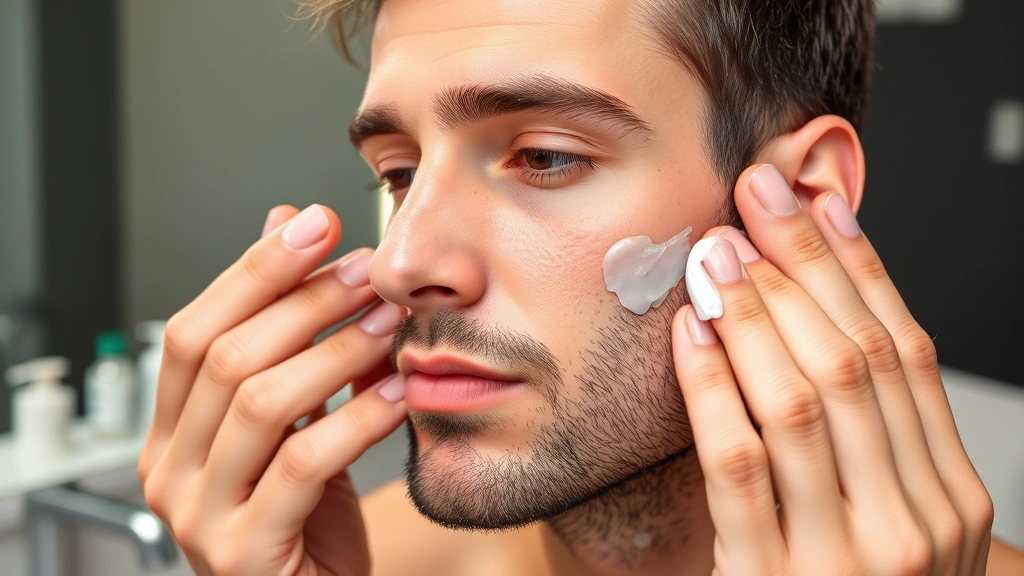
Proper post-procedure skincare directly impacts final results and healing speed. Immediately after most procedures, keep skin clean with gentle cleansers suitable for sensitive skin, avoiding harsh scrubbing or irritating products. Your surgeon will provide specific cleansing instructions based on your procedure type and healing stage.
Sun protection becomes absolutely critical after cosmetic procedures, as UV exposure increases inflammation, delays healing, and promotes hyperpigmentation. Use broad-spectrum sunscreen with SPF 30 or higher daily, even during cloudy weather. Many surgeons recommend mineral sunscreens containing zinc oxide or titanium dioxide, which provide physical barriers without irritating healing skin.
Moisturization supports barrier function and accelerates healing. Choose fragrance-free, hypoallergenic moisturizers without active ingredients that might irritate post-procedure skin. Avoid products containing retinoids, vitamin C, or acids during initial healing phases, reintroducing them gradually as skin tolerance improves.
Address large pore appearance during recovery by using gentle, non-comedogenic products. Many men experience temporary pore enlargement during healing as skin adjusts to changes. This typically resolves as swelling decreases and skin stabilizes in its new configuration.
Incorporate facial toners into your routine during recovery to maintain pH balance and improve skin texture without irritation. Choose alcohol-free formulas with hydrating and soothing ingredients like glycerin, hyaluronic acid, or centella asiatica.
If you experience post-procedure redness or sunburn-like irritation, immediately notify your surgeon. While mild erythema is normal, excessive redness may indicate complications requiring professional intervention. Apply cooling compresses and avoid heat exposure until inflammation subsides.
Long-term skincare maintenance preserves cosmetic procedure results. Continued sun protection prevents new sun damage and maintains skin quality. Regular moisturization and gentle cleansing prevent premature aging and maximize the longevity of your investment. Many men benefit from periodic non-surgical maintenance treatments like microneedling or light chemical peels to sustain results as they age naturally.
FAQ
What is the most popular cosmetic surgery for men?
Rhinoplasty consistently ranks as the most requested surgical procedure for men, often combined with chin augmentation to enhance overall facial definition and balance. Hair transplantation also ranks highly among men experiencing male pattern baldness.
Is cosmetic surgery safe for men?
Yes, cosmetic surgery is safe when performed by board-certified plastic surgeons in accredited surgical facilities. Men should undergo thorough medical evaluation and follow all pre- and post-operative instructions to minimize complications.
How long does recovery take from male cosmetic surgery?
Recovery varies by procedure. Non-surgical treatments have minimal downtime, while surgical procedures typically require two to four weeks for initial healing and several months for complete resolution of swelling and final result emergence.
Can cosmetic procedures look natural on men?
Absolutely. Expert surgeons specializing in male cosmetic enhancement understand masculine facial anatomy and create results that enhance natural features rather than creating obvious surgical appearance. Conservative approaches yield the most natural-looking outcomes.
What should men expect during cosmetic surgery consultation?
Expect thorough discussion of your goals, evaluation of your facial anatomy, presentation of before-and-after photos of male patients, honest assessment of realistic outcomes, and detailed explanation of procedure techniques, recovery, and potential complications.
Are non-surgical options effective for men?
Yes, non-surgical treatments produce excellent results for many men, particularly those concerned with fine lines, volume loss, or mild skin texture issues. These options offer progressive, natural-looking improvement with minimal downtime.