Top Cosmetic Treatments in Indian River County: A Comprehensive Review
Indian River County, located on Florida’s Treasure Coast, has become a hub for advanced cosmetic treatments and aesthetic procedures. Whether you’re seeking non-invasive rejuvenation or transformative surgical solutions, the region offers state-of-the-art facilities and experienced practitioners dedicated to enhancing your natural beauty. This guide explores the most sought-after cosmetic treatments available in Indian River County, helping you make informed decisions about your aesthetic journey.
The cosmetic treatment landscape in Indian River County reflects the broader trends in aesthetic medicine, combining cutting-edge technology with personalized skincare philosophies. From injectable treatments to laser therapies and surgical procedures, practitioners in this region are well-versed in addressing various skin concerns, aging signs, and body contouring goals. Understanding your options is crucial before committing to any treatment, especially when considering the investment involved and the importance of choosing qualified professionals.
Injectable Treatments and Dermal Fillers
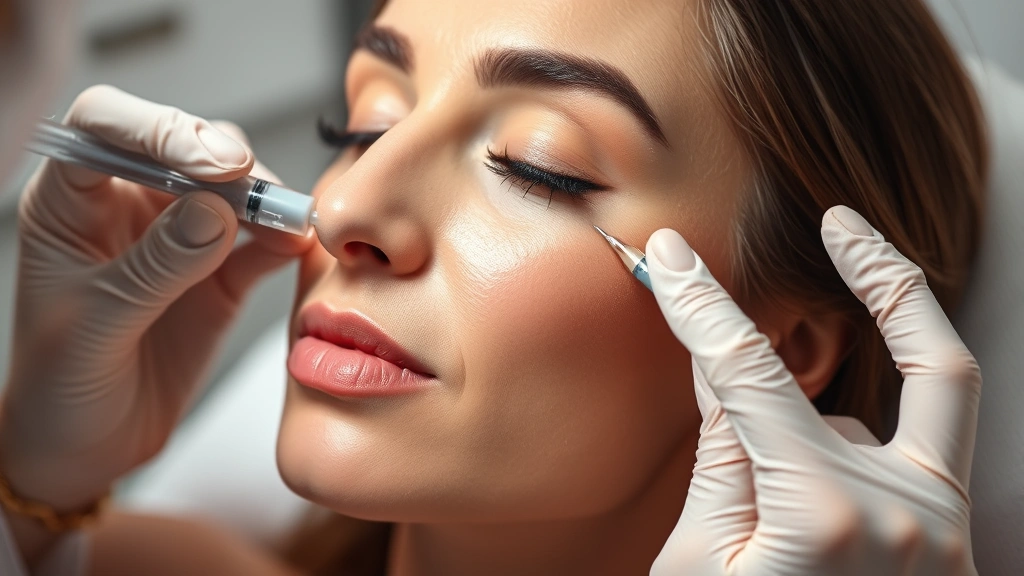
Injectable treatments represent some of the most popular cosmetic procedures in Indian River County, offering immediate results without surgical downtime. Botulinum toxin injections (commonly known by brand names like Botox, Dysport, and Xeomin) work by relaxing facial muscles that create dynamic wrinkles, particularly on the forehead, between the brows, and around the eyes. These treatments are ideal for preventing new wrinkles and softening existing expression lines, with results typically appearing within 3-7 days and reaching full effect by two weeks.
Dermal fillers have revolutionized non-surgical facial rejuvenation by restoring volume loss associated with aging. Hyaluronic acid-based fillers like Juvéderm and Restylane are popular choices in Indian River County practices because they’re reversible, biocompatible, and provide natural-looking results. These fillers address nasolabial folds, marionette lines, thin lips, and hollow cheeks by replacing lost hyaluronic acid—a humectant that naturally diminishes with age. Calcium hydroxylapatite fillers offer longer-lasting results for deeper lines, while poly-L-lactic acid stimulates your body’s own collagen production over time.
The key to successful injectable treatments lies in choosing experienced injectors who understand facial anatomy and aesthetic proportions. Indian River County practitioners often combine multiple injectable products strategically, creating comprehensive facial rejuvenation plans. Before undergoing injections, ensure you’re in good health, discuss your aesthetic goals clearly, and understand that results are temporary—typically lasting 3-6 months for neurotoxins and 6-18 months for fillers depending on the product and your metabolism.
Laser and Light-Based Therapies
Laser treatments have become cornerstone procedures in Indian River County’s cosmetic clinics, addressing everything from unwanted hair and pigmentation to wrinkles and acne scars. Fractional laser resurfacing works by creating microscopic columns of thermal injury, stimulating collagen remodeling while leaving surrounding tissue intact for faster healing. This approach is particularly effective for sun-damaged skin, fine lines, and texture irregularities.
Intense Pulsed Light (IPL) therapy uses broad-spectrum light wavelengths to target melanin and hemoglobin, making it excellent for treating age spots, sun spots, rosacea, and broken capillaries. Unlike lasers that emit a single wavelength, IPL devices can treat various skin concerns simultaneously, though results may be less dramatic than targeted laser treatments. The Florida sun exposure common to Indian River County residents makes IPL particularly valuable for addressing cumulative photodamage.
Laser hair removal uses concentrated light to target melanin in hair follicles, permanently reducing hair growth over multiple sessions. Most practitioners recommend 6-8 treatments spaced 6-8 weeks apart for optimal results. This treatment works best on individuals with darker hair and lighter skin, though newer laser technologies can safely treat darker skin tones. The American Academy of Dermatology recognizes laser hair removal as one of the most effective long-term hair reduction methods available.
Microneedling and Collagen Induction
Microneedling, also called collagen induction therapy, uses fine needles to create controlled micro-injuries that trigger your body’s natural healing response and collagen production. This minimally invasive procedure is particularly effective for addressing acne scars, stretch marks, and overall skin texture, while being suitable for most skin types including darker complexions where laser treatments may pose risks.
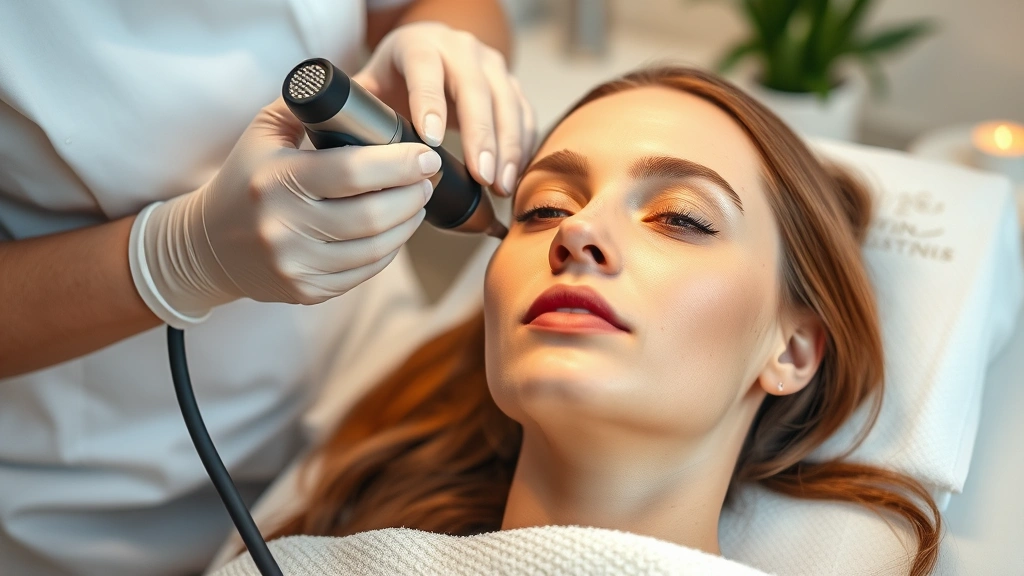
Radiofrequency microneedling combines needle-induced injury with radiofrequency energy, providing more dramatic results than traditional microneedling alone. The heat energy penetrates deeper into dermal layers, stimulating more robust collagen remodeling. Indian River County clinics often use devices like Morpheus8 or Secret RF, which offer customizable depth and energy settings for targeted treatment of specific concerns.
The beauty of microneedling lies in its versatility and relatively mild side effects—typically mild redness and swelling resolving within 24-48 hours. Results improve progressively over 3-6 months as collagen remodels, with most patients requiring 3-6 monthly treatments for optimal improvement. This treatment pairs exceptionally well with topical serums and growth factors applied immediately after, as the microchannels enhance product penetration.
Chemical Peels and Surface Treatments
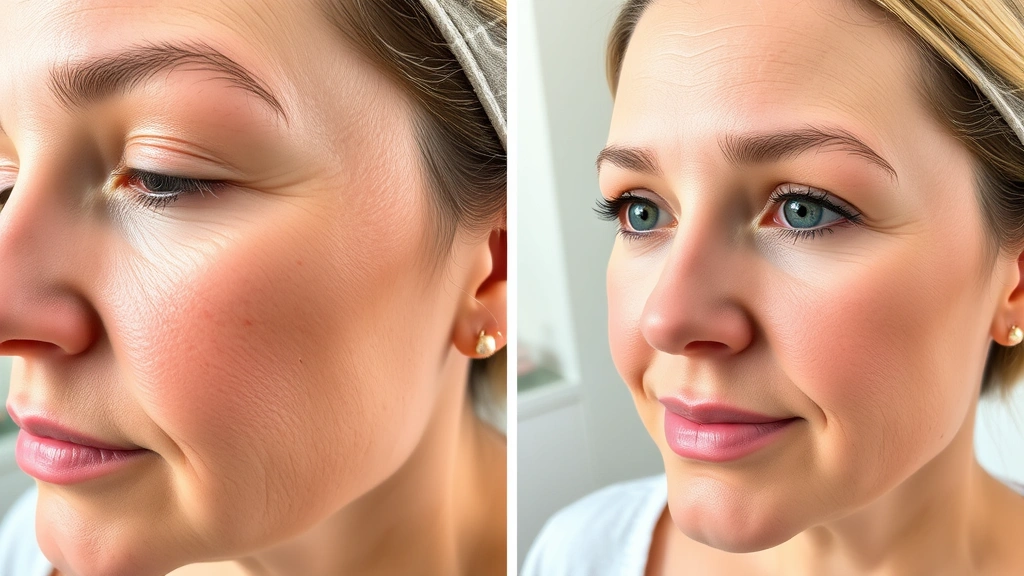
Chemical peels remain fundamental cosmetic treatments in Indian River County, ranging from superficial to deep depending on the chemical agent and concentration used. Superficial peels using alpha-hydroxy acids (AHAs) or beta-hydroxy acids (BHAs) remove only the outermost skin layer, requiring minimal downtime while improving texture, brightness, and mild hyperpigmentation. These peels are safe for frequent use and excellent for maintaining skin health between more intensive treatments.
Medium-depth peels using trichloroacetic acid (TCA) or glycolic acid penetrate the epidermis and superficial dermis, addressing moderate sun damage, deeper wrinkles, and significant pigmentation issues. These require 5-7 days of visible peeling and downtime, but results are more dramatic than superficial treatments. Deep peels using phenol are rarely performed anymore due to systemic risks, having been largely replaced by fractional laser resurfacing.
The mechanism behind chemical peels involves controlled chemical burns that stimulate renewal and collagen production. Post-peel skincare is critical, especially for sensitive skin types, requiring strict sun protection and gentle cleansing protocols. Most Indian River County practitioners recommend a series of monthly treatments for optimal results, particularly with superficial peels.
Body Contouring Procedures
Beyond facial treatments, Indian River County offers comprehensive body contouring solutions addressing stubborn fat deposits and skin laxity. CoolSculpting (cryolipolysis) freezes fat cells to trigger apoptosis without damaging surrounding tissue, making it ideal for treating love handles, flanks, and abdominal bulges. Results appear gradually over 4-6 weeks as the body naturally eliminates dead fat cells, with optimal results visible at 2-3 months post-treatment.
Liposuction remains a gold standard for significant fat removal, offering more dramatic contouring than non-invasive alternatives. Tumescent liposuction uses infiltration of dilute anesthetic solution to minimize bleeding and bruising, while ultrasound-assisted liposuction (UAL) and laser-assisted liposuction (LAL) add energy delivery for enhanced fat disruption. These surgical options require general or local anesthesia and involve recovery periods of 1-2 weeks before returning to normal activities.
Radiofrequency skin tightening treatments like Thermage and Forma address mild-to-moderate skin laxity non-surgically, using heat energy to contract collagen and stimulate remodeling. These treatments are particularly popular among Indian River County residents seeking to address aging skin without surgery, though results are subtle compared to surgical facelifts or liposuction.
Thread Lifts and Minimally Invasive Facelifts
Thread lifts offer a middle ground between non-invasive treatments and traditional surgical facelifts, using biocompatible threads to mechanically lift sagging tissue. Polydioxanone (PDO) threads are absorbed over 6-12 months while stimulating collagen production, providing temporary lifting effects with minimal downtime. This procedure is excellent for patients seeking subtle improvement without committing to surgery.
Barbed threads like Silhouette Soft or NovaThreads have directional barbs that grip tissue, providing more dramatic lifting than smooth threads. Results typically last 12-18 months as the threads dissolve and collagen remains. Most practitioners recommend 20-30 threads strategically placed along areas of greatest laxity, such as the jawline, cheeks, and temples.
Traditional surgical facelifts remain the gold standard for significant facial rejuvenation, addressing moderate-to-severe sagging through surgical tissue repositioning and removal of excess skin. Deep plane or composite facelifts provide more natural, longer-lasting results than superficial lifts by repositioning deeper facial structures. Recovery involves 2-3 weeks of visible bruising and swelling, with final results appearing over 3-6 months as swelling resolves.
Choosing the Right Provider
Selecting a qualified cosmetic treatment provider in Indian River County is perhaps the most critical decision in your aesthetic journey. Board certification by the American Board of Dermatology, American Board of Plastic Surgery, or American Board of Facial Plastic and Reconstructive Surgery ensures practitioners have completed rigorous training and maintain continuing education standards. Verify credentials through the American Board of Medical Specialties website to confirm legitimacy.
Review before-and-after photos of actual patients treated by your prospective provider, paying attention to natural-looking results that enhance rather than drastically alter appearance. During consultations, experienced practitioners should listen to your concerns, explain treatment options honestly, and set realistic expectations about results and timelines. Be wary of providers promising dramatic results with minimal procedures or unusually discounted pricing—quality cosmetic treatments require investment.
Consider the facility’s accreditation and safety standards, particularly if you’re considering surgical procedures. Accreditation by the American Association for Accreditation of Ambulatory Surgery Facilities (AAASF) or similar organizations ensures adherence to strict safety protocols. Ask about infection prevention, emergency protocols, and the provider’s experience managing complications.
Your skin type, concerns, and goals should guide treatment selection. Individuals with darker skin tones require providers experienced in treating melanin-rich skin to avoid complications like post-inflammatory hyperpigmentation or textural changes. Understanding your unique skin characteristics ensures appropriate treatment recommendations.
Budget considerations extend beyond initial treatment cost. Many cosmetic treatments require maintenance sessions—injectables every 3-4 months, laser treatments annually, and peels seasonally. Factor these ongoing costs into your decision-making process. Some providers offer package pricing or loyalty programs that reduce long-term expenses.
Don’t rush your decision. Reputable providers encourage you to take time considering treatment options and won’t pressure you into procedures. Schedule consultations with multiple practitioners to compare approaches, philosophies, and pricing. Your comfort level with the provider and staff significantly impacts your overall experience and satisfaction.
FAQ
What’s the difference between Botox and dermal fillers?
Botox (botulinum toxin) relaxes muscles causing dynamic wrinkles, while dermal fillers add volume to address static wrinkles, hollow areas, and lost facial fullness. Botox works best for forehead lines and crow’s feet, while fillers address nasolabial folds, marionette lines, and lip volume loss. They often work synergistically in comprehensive facial rejuvenation plans.
How long do cosmetic treatment results last?
Results vary significantly by treatment type. Botox typically lasts 3-4 months, hyaluronic acid fillers 6-12 months, laser treatments 6-12 months depending on maintenance, and surgical procedures 5-10+ years. Individual metabolism, lifestyle factors, and sun exposure affect duration. Regular maintenance treatments prolong results.
Are cosmetic treatments safe?
When performed by qualified, board-certified practitioners in accredited facilities, cosmetic treatments are generally safe with minimal complications. However, all procedures carry risks—allergic reactions, infection, asymmetry, or unsatisfactory results. Thorough consultation, realistic expectations, and following post-treatment instructions minimize risks significantly.
Can I combine multiple cosmetic treatments?
Yes, many treatments complement each other excellently. Combining injectables with laser therapy, adding microneedling with chemical peels, or pairing thread lifts with filler injections creates comprehensive rejuvenation. However, spacing treatments appropriately prevents overwhelming your skin’s healing capacity. Your provider should recommend optimal sequencing.
What’s the recovery time for cosmetic procedures?
Recovery varies dramatically. Injectable treatments require no downtime beyond potential bruising. Laser and microneedling involve 1-3 days of redness and swelling. Chemical peels cause visible peeling for 3-7 days. Surgical procedures require 1-3 weeks before normal activities. Understanding downtime helps you plan treatment timing around your schedule.
Are results from cosmetic treatments permanent?
Most non-surgical treatments provide temporary results requiring maintenance. Botox and fillers dissolve naturally, laser effects fade, and skin continues aging. Surgical procedures provide longer-lasting results—facelifts last 5-10+ years—but don’t stop aging entirely. Realistic expectations about permanence guide appropriate treatment selection.
How do I prepare for cosmetic treatment?
Preparation varies by procedure. Generally, avoid blood thinners (aspirin, ibuprofen), discontinue retinoids 3-5 days before, avoid sun exposure, and arrive with clean skin. Specific pre-treatment instructions depend on your procedure—your provider will give detailed guidelines. Following preparation instructions optimizes results and minimizes complications.
What should I expect after treatment?
Post-treatment experiences vary. Injectables may cause mild bruising or swelling resolving within days. Laser and microneedling cause redness, swelling, and potential peeling lasting days to a week. Surgical procedures involve significant swelling and bruising lasting weeks. All treatments require strict sun protection and often specific skincare protocols during healing.