Best Leg Makeup? Beauty Expert Approved
Leg makeup has become a game-changing solution for anyone looking to even out skin tone, cover blemishes, or achieve a flawless appearance from neck to toe. Whether you’re preparing for a special event, dealing with hyperpigmentation, or simply wanting to boost your confidence, cosmetics for legs offer professional-grade coverage that rivals traditional foundation. The leg area presents unique challenges—larger surface area, different skin texture, and exposure to friction—making standard facial products inadequate for optimal results.
Expert makeup artists and dermatologists increasingly recommend specialized leg makeup formulations designed to withstand movement, moisture, and extended wear. These products combine the coverage power of full-foundation with the durability needed for body application. Understanding which products work best for your specific leg skin concerns ensures you achieve a seamless, natural-looking finish that lasts throughout your day or event.

Understanding Leg Skin and Makeup Needs
Leg skin differs significantly from facial skin in structure, thickness, and sensitivity levels. The dermis on legs contains fewer oil glands and sebaceous glands, making this area naturally drier and more prone to dehydration. This characteristic means that leg makeup must incorporate hydrating ingredients to prevent a cakey, patchy appearance. The stratum corneum—your skin’s outermost protective barrier—is also thicker on legs, requiring formulations with different absorption rates than facial products.
The leg area experiences constant friction from clothing, which demands enhanced durability from cosmetic products. Unlike face makeup that sits relatively still, leg makeup must withstand rubbing against pants, skirts, and shoes without transferring or breaking down. This is why beauty experts emphasize choosing long-wearing formulas with superior adhesion properties. Additionally, legs are frequently exposed to UV radiation and environmental pollutants, making sun protection and antioxidant-rich formulations increasingly important for comprehensive beauty routines.
Professional makeup artists note that leg skin often displays hyperpigmentation, discoloration, and textural irregularities more prominently than facial skin. These concerns require targeted coverage solutions. The best leg makeup products address these specific needs while maintaining a natural appearance that doesn’t look overly done or dramatically different from your natural skin tone.
Best Leg Makeup Products for Full Coverage
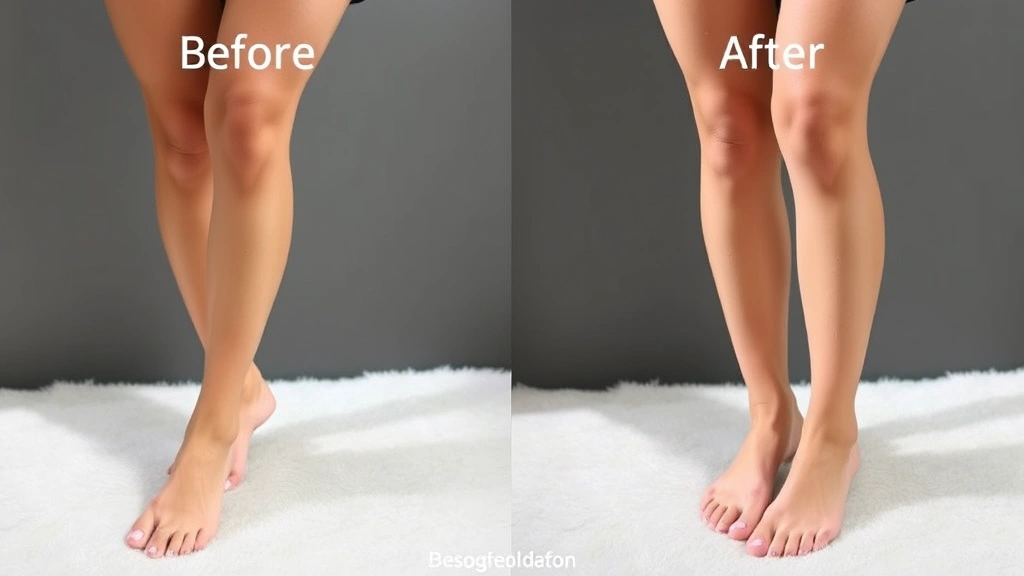
Full-coverage leg foundations represent the gold standard for professional results. Products specifically formulated as body or leg foundations contain pigment concentrations and binding agents optimized for larger body areas. Brands recognized by beauty professionals include specialized body foundations that offer buildable coverage without the weight of traditional full-face foundations. These products typically feature water-resistant or waterproof formulations, ensuring they withstand perspiration and environmental exposure.
The most highly recommended full-coverage options incorporate ceramides and hydrating polymers that maintain skin moisture while providing opaque coverage. Look for products containing silicone-based or water-based matrices that create a smooth, even finish without settling into texture or appearing artificial. Expert makeup artists frequently recommend cream-to-powder formulations that offer the blendability of cream products with the staying power of powder foundations.
When selecting full-coverage leg makeup, consider your undertone carefully. Leg skin often differs in depth from facial skin due to sun exposure, making perfect color matching essential. Many beauty professionals suggest purchasing two shades—one that matches your natural leg tone and one slightly darker for contouring and defining muscle tone. This technique creates dimension and a more sculpted appearance.
Application tools matter significantly for full-coverage leg makeup. Damp beauty sponges, stippling brushes, and foundation brushes all create different finishes. Beauty experts recommend testing application methods on a small area before committing to full-leg application, ensuring you achieve your desired coverage level and finish.
Lightweight Options for Everyday Wear
Not every occasion demands full-coverage leg makeup. Lightweight formulations serve those seeking subtle enhancement without dramatic transformation. Tinted moisturizers, BB creams formulated for body use, and sheer coverage foundations allow your natural skin to show through while evening out tone and minimizing minor imperfections. These products work particularly well for everyday wear, casual outings, and situations where you want buildable coverage rather than maximum opacity.
Dermatologists increasingly recommend lightweight leg cosmetics containing antioxidants and UV filters for daily use. These formulations provide skincare benefits alongside cosmetic coverage, making them ideal for long-term leg makeup routines. Products with niacinamide, green tea extract, or vitamin E offer protection while maintaining a natural appearance that doesn’t emphasize texture or create obvious makeup lines.
Gel-based and fluid foundations work exceptionally well for lightweight leg coverage. These formulations blend seamlessly into skin, creating an airbrushed effect without the heaviness of cream or stick products. They’re also less likely to transfer onto clothing, making them practical for everyday scenarios. Beauty professionals note that lightweight options work best on relatively even-toned legs with minor concerns like slight discoloration or small blemishes.
For those with sensitive leg skin or concerns about product irritation, lightweight formulations often contain fewer occlusive ingredients, reducing the risk of clogged pores or reactions. These products typically dry down quickly, allowing you to dress immediately after application without worrying about smudging or transferring.
Long-Wearing Formulas for Special Events
Special occasions demand extended-wear leg makeup that withstands dancing, perspiration, and hours of activity without fading or breaking down. Professional makeup artists designing looks for weddings, red carpet events, and photoshoots rely on specifically formulated long-wear products with advanced adhesion technology. These cosmetics typically feature hybrid formulations combining water-resistant polymers with silicone bases, creating a makeup film that adheres to skin throughout the day and night.
The most effective long-wear leg makeup products contain film-forming agents like acrylates or silicone polymers that create a flexible, breathable coating. This technology allows skin to move naturally without cracking or separating, maintaining flawless coverage even during vigorous activity. Beauty experts recommend setting long-wear leg makeup with translucent or tinted powders to enhance longevity and reduce shine.
Waterproof formulations specifically benefit those attending beach events, outdoor celebrations, or situations involving water exposure. These products resist moisture, sweat, and environmental humidity that would compromise standard formulations. However, waterproof leg makeup requires dedicated makeup removers—regular cleansers often prove insufficient, making proper removal techniques essential for maintaining healthy skin.
Professional makeup artists often layer long-wear products strategically, applying heavier coverage to problem areas while keeping overall application lighter. This technique maximizes staying power while maintaining a natural appearance. Using a makeup primer before applying long-wear leg foundation significantly enhances adhesion and longevity, creating an additional protective barrier between skin and cosmetics.
Application Techniques for Flawless Results
Proper application technique dramatically impacts leg makeup results, regardless of product choice. Begin with cleansed, moisturized skin—this foundational step ensures even product distribution and prevents patchiness. Allow moisturizer to fully absorb before applying makeup, typically five to ten minutes. This prevents product slipping or separating throughout wear.
Using a primer specifically formulated for body or leg skin creates an ideal base for makeup application. Primers minimize texture, extend wear time, and create a smooth surface that allows foundation to apply evenly. Apply primer in upward motions, following natural hair growth patterns to avoid irritation. Allow primer to set briefly before foundation application.
When applying leg makeup, work in sections—thighs, calves, ankles, and tops of feet. Using a damp beauty sponge, stipple foundation onto skin rather than rubbing or buffing, which can disturb primer and create uneven coverage. This technique builds coverage gradually while maintaining a natural appearance. For full coverage, apply thin layers rather than one thick application, allowing each layer to set before adding another.
Blend carefully at the neckline, ensuring leg makeup transitions seamlessly to facial foundation. This prevents obvious demarcation lines that undermine your entire look. Pay special attention to the inner thighs and behind knees, areas that experience friction and require extra durability.
Setting leg makeup is crucial for longevity. After foundation application, allow a brief drying period—typically two to three minutes—before applying setting powder. Use a large fluffy brush to apply translucent or tinted powder in upward motions, setting the makeup without creating a heavy or obvious powder layer. For extended wear, consider using setting spray as a final step, which locks makeup in place and extends wear time significantly.
Ingredient Considerations for Leg Skin
Understanding key ingredients in leg makeup ensures you select products that work with your skin rather than against it. Silicones provide smoothing and blurring effects, creating an airbrushed appearance while forming a breathable protective layer. For leg skin specifically, silicones offer excellent adhesion without feeling heavy or cakey. However, individuals with silicone sensitivity should opt for silicone-free formulations, which typically use alternative polymers for similar benefits.
Hydrating ingredients become essential in leg makeup since this area tends toward dryness. Look for ceramides, hyaluronic acid, and glycerin in formulations, which maintain skin barrier integrity while preventing the tightness or flaking that compromises makeup appearance. These ingredients are particularly important if you wear leg makeup regularly, as daily cosmetic application can stress skin if proper hydration isn’t maintained.
Antioxidants offer protective benefits that extend beyond coverage. Vitamin C, vitamin E, green tea extract, and resveratrol protect leg skin from environmental damage and free radical stress. These ingredients also improve skin health over time, reducing the appearance of discoloration and hyperpigmentation that necessitated leg makeup initially. Incorporating antioxidant-rich leg makeup creates a synergistic approach to leg appearance.
Avoid ingredients known to irritate or sensitize leg skin. Heavy fragrance, essential oils, and alcohol can compromise the skin barrier, leading to irritation or dryness. Since leg skin is more sensitive than often assumed, selecting fragrance-free or lightly scented formulations protects skin integrity. For individuals with conditions like eczema or dermatitis, hypoallergenic and dermatologist-tested formulations are essential.
Addressing Common Leg Skin Concerns
Hyperpigmentation and dark spots represent the most common reason people seek leg makeup solutions. These concerns require full-coverage formulations with sufficient pigment to neutralize discoloration. Beauty professionals recommend using color-correcting products before foundation—green-toned correctors neutralize redness from inflammation, while peach or orange tones counteract blue-based hyperpigmentation. Layering corrector with matching foundation creates opaque coverage that lasts throughout the day.
Textural irregularities like bumps, keratosis pilaris, or rough patches require smoothing primers and buildable foundations. These concerns benefit from primers containing silicone or polymer spheres that optically minimize texture. When applying foundation over textured areas, use a stippling motion rather than buffing, which emphasizes rather than conceals texture. Multiple thin layers provide better coverage than single thick applications.
Uneven skin tone across legs—common due to sun exposure, clothing lines, or natural variation—demands careful shade selection and strategic application. Many beauty experts recommend maintaining two to three foundation shades for leg application, using lighter shades on naturally lighter areas and deeper shades on hyperpigmented zones. This creates a cohesive appearance that looks naturally even rather than obviously corrected.
Scars, stretch marks, and other permanent concerns require specialized approaches. While leg makeup cannot eliminate these concerns, strategic application and highlighting techniques minimize their appearance. Matte foundations work better than luminous finishes for camouflaging scars, while avoiding highlight on scarred areas prevents them from appearing more prominent. Stretch marks benefit from full-coverage formulations applied with careful blending to create seamless transitions.
Dryness and flaking compromise any leg makeup application, making comprehensive skincare routines essential for flawless results. Exfoliating gently two to three times weekly removes dead skin that interferes with makeup application, while daily moisturization maintains the hydration necessary for smooth, even coverage. Beauty professionals emphasize that leg makeup looks significantly better when applied to well-prepared, healthy skin.
Sensitivity and irritation require gentle product selection and patch testing before full application. Since leg skin often reacts differently than facial skin to cosmetics, testing new leg makeup products on a small area for 24-48 hours prevents unexpected reactions. Individuals with reactive skin should prioritize hypoallergenic, dermatologist-tested formulations specifically designed for sensitive skin.
FAQ
Can I use regular face foundation on my legs?
While possible, facial foundation isn’t optimal for legs. Facial formulations contain different ratios of ingredients suited to facial skin’s characteristics. They often prove too heavy for legs, lack adequate water-resistance for extended wear, and don’t provide the durability needed for this high-friction area. Specialized leg makeup or body foundations deliver superior results, though full-coverage facial foundations work adequately for occasional use.
How do I prevent leg makeup from transferring onto clothing?
Proper setting is essential for preventing transfer. After foundation application, allow adequate drying time—typically five to ten minutes—before dressing. Use setting powder and setting spray to lock makeup in place, creating a more durable finish. Choosing long-wear or waterproof formulations reduces transfer significantly. Avoid sitting or lying on legs immediately after application, allowing makeup to fully set first.
What’s the best way to remove leg makeup?
Begin with a gentle makeup remover or oil cleanser, which dissolves makeup effectively without harsh scrubbing. For waterproof formulations, use dedicated waterproof makeup removers designed for body application. Follow with a gentle cleanser and lukewarm water, then apply moisturizer while skin is still slightly damp to seal in hydration. Pat skin dry rather than rubbing, which can irritate legs after makeup removal.
How often can I safely wear leg makeup?
Daily leg makeup use is safe when proper skincare practices are maintained. Cleanse thoroughly each evening, exfoliate gently two to three times weekly, and moisturize daily. If you notice irritation, sensitivity, or dryness, reduce frequency and incorporate more intensive skincare. Some dermatologists recommend makeup-free days weekly to allow skin to breathe and recover from cosmetic application.
Which leg makeup works best for sensitive skin?
Hypoallergenic, fragrance-free formulations specifically designed for sensitive skin offer the best option. Look for products free from common irritants like essential oils, alcohol, and synthetic fragrance. Dermatologist-tested and dermatologist-recommended leg makeup provides assurance of safety for reactive skin. Always patch test new products before full application, allowing 24-48 hours to assess potential reactions.
Can leg makeup help with appearance of veins or cellulite?
Yes, strategic leg makeup application minimizes these concerns’ appearance. For visible veins, use full-coverage foundations with careful blending to neutralize the blue or purple tones. Matte formulations work better than luminous finishes for minimizing visibility. Cellulite benefits from matte foundations applied with strategic contouring—using slightly darker shades in dimpled areas creates shadow that minimizes texture appearance. Avoid highlighting cellulite-prone areas, which would emphasize rather than conceal.
Expert Sources: American Academy of Dermatology | INCIDecoder Ingredient Database | Beauty Counter Ingredient Standards | Society of Cosmetic Chemists | Allure Beauty Publications