Top Cosmetics for Mature Skin: Expert Picks and Science-Backed Recommendations
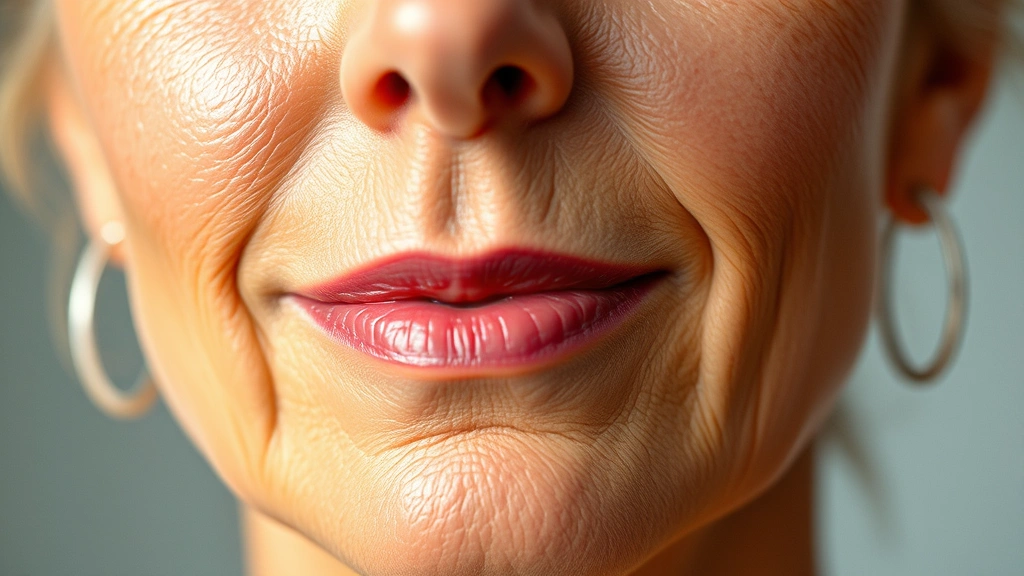
Finding the right cosmetics for mature skin requires understanding how aging changes your skin’s needs. As we enter our 40s, 50s, and beyond, our skin produces less collagen and elastin, experiences increased dryness, and develops fine lines and deeper wrinkles. The cosmetics industry has responded with sophisticated formulations designed specifically to address these concerns, combining proven ingredients with innovative delivery systems that penetrate mature skin effectively.
Mature skin isn’t simply older skin—it’s skin with distinct characteristics that demand tailored solutions. The best cosmetics for mature skin go beyond surface-level hydration; they work to restore firmness, improve texture, and address age spots while maintaining the skin barrier’s integrity. This comprehensive guide explores expert-recommended products, key ingredients, and strategies for building an effective skincare routine that celebrates and nourishes mature skin.
Understanding Mature Skin Needs
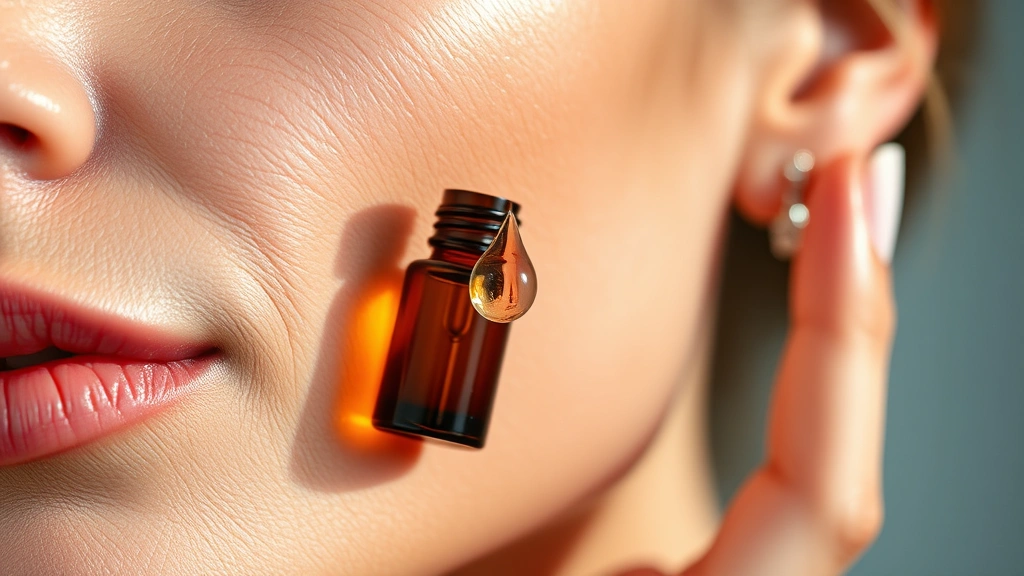
Mature skin experiences several physiological changes that impact how it responds to cosmetics. Cellular turnover slows by approximately 28-30% every decade after age 30, meaning dead skin cells accumulate more slowly on the surface but also that new skin regeneration takes longer. This slowdown contributes to a dull, tired appearance and makes mature skin more vulnerable to environmental damage.
The skin barrier—that crucial lipid layer protecting against moisture loss and external irritants—becomes compromised with age. Sebaceous gland activity decreases, leading to reduced natural oil production. Simultaneously, the dermal layer loses structural proteins, resulting in loss of elasticity and the formation of expression lines. Mature skin also tends to be more sensitive, reacting more intensely to harsh ingredients and environmental stressors.
Understanding these changes helps you select cosmetics for mature skin that address root causes rather than just symptoms. The most effective products work to boost hydration, stimulate collagen production, improve cell turnover, and provide antioxidant protection. This multi-pronged approach yields visible improvements in firmness, luminosity, and overall skin quality.
Essential Ingredients for Mature Skin
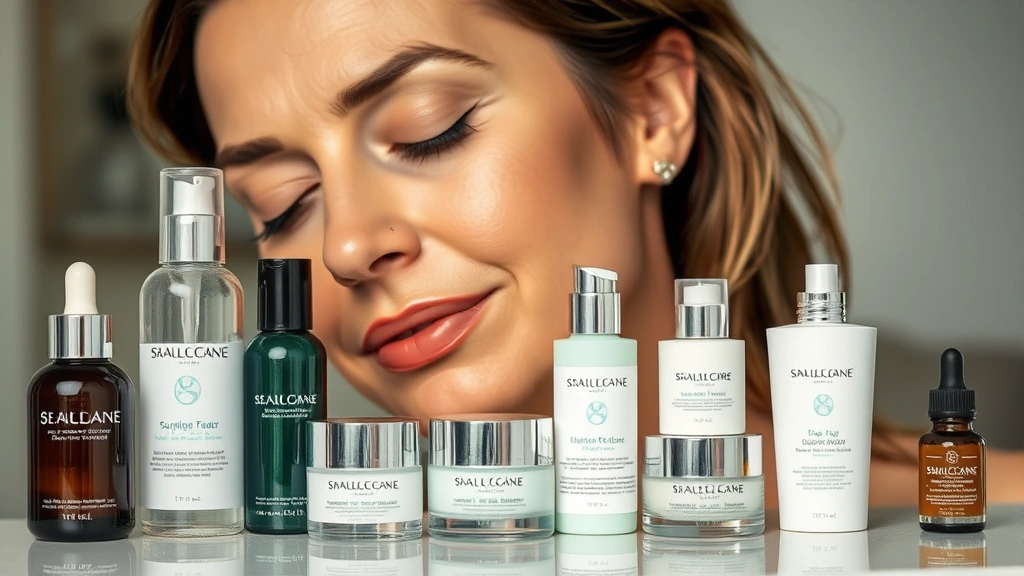
Certain ingredients have earned scientific credibility for their effectiveness on mature skin. These powerhouse components should anchor your cosmetic selections, whether you’re shopping luxury or budget cosmetic brands.
Retinol and Retinoids: The gold standard for anti-aging, retinoids increase cell turnover, stimulate collagen synthesis, and improve skin texture. Prescription-strength retinoids like tretinoin deliver faster results, while over-the-counter retinol takes longer but remains accessible. Retinaldehyde and bakuchiol offer gentler alternatives for sensitive mature skin. Start with lower concentrations and introduce gradually to minimize irritation.
Hyaluronic Acid: This humectant holds up to 1000 times its weight in water, plumping skin and smoothing fine lines. Our detailed guide on skincare products with hyaluronic acid explains how molecular weight affects penetration. Mature skin benefits tremendously from layered hyaluronic acid applications, especially when combined with occlusive ingredients that seal in moisture.
Peptides: These amino acid chains signal skin cells to produce more collagen and elastin. Matrixyl, Argireline, and copper peptides are commonly found in mature skin formulations. Peptides work synergistically with other ingredients, making them excellent supporting players in comprehensive routines.
Vitamin C (L-Ascorbic Acid): This potent antioxidant brightens dull mature skin, fades age spots, and protects against free radical damage. Stabilized forms like ascorbyl glucoside and tetrahexyldecyl ascorbate offer better shelf stability than pure L-ascorbic acid. Vitamin C boosts collagen production and works beautifully alongside sunscreen for preventative care.
Niacinamide: Also called vitamin B3, niacinamide strengthens the skin barrier, reduces inflammation, and improves skin texture. It’s exceptionally well-tolerated by sensitive mature skin and enhances the efficacy of other ingredients. Concentrations of 4-5% deliver visible benefits without irritation.
AHAs and BHAs: Glycolic acid (AHA) and salicylic acid (BHA) accelerate cell turnover and improve skin radiance. While mature skin requires gentler exfoliation than younger skin, these chemical exfoliants remain valuable for addressing dullness and uneven texture. Start with 2-3 times weekly and adjust based on skin response.
Top Product Categories and Expert Picks
Cleansers for Mature Skin: Mature skin demands gentle cleansing that removes impurities without stripping natural oils. Cream cleansers, micellar water, and oil-based formulations work better than harsh foaming cleansers. Look for ingredients like ceramides and hyaluronic acid that cleanse while maintaining hydration. Double cleansing—oil followed by gentle cream cleanser—effectively removes makeup and environmental debris without compromising the skin barrier.
Serums and Essences: These concentrated treatments deliver active ingredients efficiently to mature skin. The Belif Cosmetics Aqua Bomb exemplifies modern serum technology, combining hydrating and firming ingredients in a lightweight formula. Quality serums contain 5-10% active ingredients and absorb quickly without leaving residue. Apply to damp skin before moisturizer to maximize penetration.
Moisturizers and Creams: Rich moisturizers are non-negotiable for mature skin. Look for formulations with ceramides, squalane, and peptides that restore barrier function and provide lasting hydration. Heavier creams work beautifully as night treatments, while lighter lotions suit daytime use under makeup. Many experts recommend applying moisturizer to damp skin to trap water and enhance hydration.
Eye Creams: The delicate eye area ages fastest and requires specialized care. Mature eye skin benefits from ingredients like caffeine (reduces puffiness), peptides (boost firmness), and hyaluronic acid (plump fine lines). Apply with gentle patting motions using your ring finger, which applies minimal pressure.
Treatments and Masks: Weekly intensive treatments boost hydration and address specific concerns. Sheet masks with hyaluronic acid or peptides provide immediate plumping effects. Our guide to homemade face masks for glowing skin offers natural alternatives for budget-conscious skincare enthusiasts. Sleep masks seal in overnight hydration and are particularly beneficial for mature skin prone to dryness.
Sunscreen: Non-negotiable for mature skin, broad-spectrum SPF 30+ prevents further photodamage and hyperpigmentation. Mineral sunscreens with zinc oxide or titanium dioxide provide gentle protection, while chemical sunscreens offer lighter textures. Daily sunscreen use prevents age spots, maintains skin elasticity, and protects against UV-induced collagen breakdown.
Building Your Mature Skin Routine
An effective mature skin routine follows a logical sequence, allowing each product to penetrate and work optimally. The general principle moves from thinnest to thickest textures, though this can vary based on individual formulations.
Morning Routine: Begin with gentle cleansing to remove nighttime oil buildup and prepare skin for daytime products. Follow with a hydrating toner or essence if your skin tends toward dryness. Apply a vitamin C serum to brighten and provide antioxidant protection against environmental stressors. Layer a lightweight moisturizer containing hyaluronic acid and peptides. Finish with broad-spectrum sunscreen at least 15 minutes before sun exposure. This routine takes 5-10 minutes but provides comprehensive protection and brightening benefits.
Evening Routine: Evening routines can be more involved since you’re not rushing before work. Start with oil-based cleanser to dissolve makeup, sunscreen, and sebum. Follow with gentle cream cleanser to remove remaining impurities. Apply a hydrating toner. This is the ideal time for active ingredients like retinol or AHAs—apply 2-3 times weekly, gradually increasing frequency as skin adapts. Layer serums and treatments targeting specific concerns. Finish with a rich night cream or sleeping mask. Evening routines allow ingredients more time to work while you sleep, maximizing efficacy.
Weekly Additions: Incorporate gentle exfoliation 1-2 times weekly using chemical exfoliants like glycolic acid. Once weekly, apply an intensive mask or treatment. Consider professional treatments like microneedling or chemical peels quarterly for enhanced results.
Budget-Friendly Options Without Compromise
Effective cosmetics for mature skin don’t require luxury price tags. Many budget cosmetic brands formulate excellent products with proven ingredients at accessible prices. The key is understanding ingredient labels and prioritizing based on your specific concerns.
Drugstore brands increasingly offer retinol products, niacinamide serums, and hyaluronic acid moisturizers at fractions of luxury prices. Generic or store-brand versions of proven ingredients like glycerin, squalane, and peptides deliver results comparable to high-end alternatives. Building a routine with 3-4 quality budget products beats investing in one expensive product that doesn’t address your complete skincare needs.
When shopping budget options, read ingredient lists carefully. Look for products listing active ingredients early in the formulation (within the first 5-10 ingredients). Compare price-per-ounce across brands and consider buying larger sizes when products prove effective. Many skincare experts recommend allocating budget toward sunscreen and active treatments (retinol, vitamin C) while choosing more affordable options for cleansers and moisturizers.
Common Mistakes to Avoid
Over-Exfoliation: Mature skin is more delicate and irritation-prone than younger skin. Using harsh scrubs or exfoliating daily damages the barrier and increases sensitivity. Limit chemical exfoliation to 1-2 times weekly and avoid combining multiple exfoliating products in one routine.
Skipping Sunscreen: This represents the single biggest skincare mistake. UV exposure causes cumulative damage, accelerating aging through collagen breakdown, elastin degradation, and hyperpigmentation. Daily broad-spectrum SPF 30+ is non-negotiable, even on cloudy days.
Neglecting the Neck and Décolletage: These areas show age prominently yet receive minimal attention in most routines. Extend all skincare products to your neck and chest for consistent results and even skin tone.
Introducing Too Many New Products Simultaneously: Mature skin often reacts sensitively to change. Introduce one new product every 1-2 weeks, allowing time to assess tolerance and efficacy. This patience prevents irritation and helps identify which products truly benefit your skin.
Using Overly Hot Water: Hot water strips natural oils and damages the already-compromised barrier. Use lukewarm water for cleansing and pat skin dry gently rather than rubbing.
Forgetting to Store Products Properly: Heat and light degrade active ingredients like vitamin C and retinol. Consider storing serums in a cosmetic fridge to extend shelf life and provide soothing application to mature skin.
For comprehensive guidance on skincare products for aging skin, explore our detailed resource covering everything from ingredient science to routine customization.
FAQ
What’s the best cosmetic ingredient for mature skin?
No single ingredient works universally, but retinoids consistently deliver the most dramatic visible results. They increase cell turnover, stimulate collagen production, and improve skin texture. Combine retinoids with hyaluronic acid for hydration and sunscreen for protection to maximize anti-aging benefits.
How often should mature skin be exfoliated?
Chemical exfoliation 1-2 times weekly suits most mature skin types. Start conservatively with once weekly, gradually increasing frequency if skin tolerates well. Avoid physical scrubs, which can irritate mature skin’s delicate barrier. Never exfoliate on days when using prescription retinoids.
Can mature skin use active ingredients like retinol safely?
Yes, but introduce gradually. Start with lower concentrations (0.25-0.5% retinol) once or twice weekly, increasing frequency over 4-6 weeks as skin adapts. Always use sunscreen during the day when using retinoids, as they increase photosensitivity. Those with very sensitive skin may prefer bakuchiol as a gentler alternative.
Is expensive skincare necessary for mature skin?
Price doesn’t determine efficacy. Affordable products containing proven ingredients like hyaluronic acid, niacinamide, peptides, and retinol deliver measurable results. Focus on ingredient quality and consistency rather than brand prestige or packaging.
How long before seeing results from cosmetics for mature skin?
Timeline varies by ingredient and concern. Hydrating ingredients show immediate effects. Exfoliating products improve texture within 1-2 weeks. Retinoids require 6-12 weeks to show significant collagen-boosting results. Consistency matters more than expensive products—using affordable effective cosmetics daily beats sporadic luxury skincare.
Should mature skin use different products seasonally?
Yes, seasonal adjustments optimize results. Winter demands richer moisturizers and more frequent hydrating masks as indoor heating and cold temperatures increase dryness. Summer requires lighter textures and meticulous sunscreen application. Adjust active ingredient frequency based on skin condition—reducing exfoliation during winter if skin becomes sensitive.