Best Cosmetics for Mature Skin? Expert Tips Inside!
Mature skin deserves a thoughtfully curated cosmetics collection that addresses fine lines, loss of elasticity, uneven texture, and diminished radiance. Unlike younger skin, mature complexions require formulations with specific active ingredients, hydrating bases, and light-reflecting pigments that celebrate rather than mask age. The challenge isn’t finding products—it’s identifying those engineered with mature skin’s unique needs in mind.
Whether you’re navigating your 40s, 50s, or beyond, the right cosmetics can transform your complexion and boost confidence. This guide explores evidence-based product categories, key ingredients, and expert recommendations specifically formulated for mature skin. We’ll break down what actually works, why dermatologists recommend certain approaches, and how to build a skincare-first cosmetics routine that honors your skin’s evolution.
Understanding Mature Skin Needs
Mature skin experiences significant physiological changes. Collagen and elastin production decline approximately 1% annually after age 30, leading to visible loss of firmness and elasticity. Cellular turnover slows, resulting in dull, uneven texture. Oil production decreases, making skin more prone to dryness and sensitivity. Accumulated sun exposure manifests as hyperpigmentation, age spots, and compromised skin barrier function.
These changes demand cosmetics that go beyond coverage. The best products for mature skin incorporate hydrating silicones, peptides, antioxidants, and light-diffusing technology. budget cosmetic brands increasingly offer mature-friendly formulations, proving that effective cosmetics don’t require luxury price tags. However, ingredient quality matters more than brand prestige when addressing mature skin concerns.
Mature skin also exhibits increased sensitivity due to a compromised stratum corneum. Products containing fragrance, essential oils, or harsh actives can trigger irritation. Dermatologists recommend focusing on cosmetics with minimal irritant potential while prioritizing hydration, barrier support, and sun protection integration.
Foundation for Mature Skin
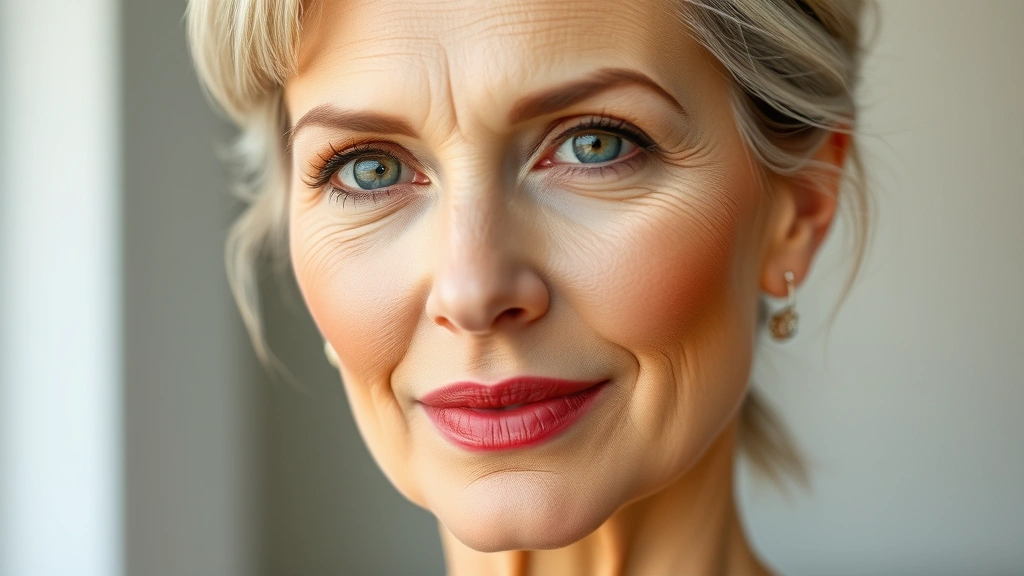
Foundation selection is paramount for mature skin. Matte formulations emphasize texture and fine lines, while overly dewy finishes can appear heavy and unflattering. The ideal mature skin foundation balances hydration with a natural, skin-like finish that doesn’t settle into creases or accentuate pores.
Serum-Based and Liquid Foundations work exceptionally well for mature complexions. These formulations contain emollients and humectants that hydrate while providing medium to full coverage. Look for products with hyaluronic acid, glycerin, or plant-derived hydrators. Silicone-based formulas create a smooth, dimensional finish that reflects light subtly, minimizing the appearance of fine lines without appearing plastic.
According to the American Academy of Dermatology, foundations with sun protection (SPF 30+) provide essential photoprotection. Since mature skin often shows cumulative sun damage, integrated sun protection in daily cosmetics offers practical prevention against further aging.
Color Matching Considerations: Mature skin often exhibits undertone changes. Rosacea, melasma, or post-inflammatory hyperpigmentation can shift undertones toward red or brown. Test foundations on the jawline in natural light, avoiding fluorescent retail lighting that distorts color accuracy. Undertones shift with age; what matched in your 30s may not work in your 50s.
Foundations with light-reflecting particles (not glitter, but micronized spheres) can blur fine lines optically. Avoid products with heavy silicone powders that can cake or emphasize texture. Instead, seek formulations with soft-focus technology that creates an imperceptibly smooth appearance.
Concealers and Coverage
Concealers for mature skin require strategic ingredient selection. Thick, matte concealers accentuate under-eye creases and can appear cakey. The thinner, more delicate under-eye area demands hydrating, lightweight formulas that provide coverage without creasing.
Hydrating Concealer Formulas: Cream-based concealers with emollient ingredients outperform powder formulations for mature skin. Ingredients like squalane, jojoba oil, and peptides provide coverage while supporting skin hydration. The under-eye area lacks sebaceous glands, making it naturally drier and more prone to fine lines—hydration-focused concealers address this directly.
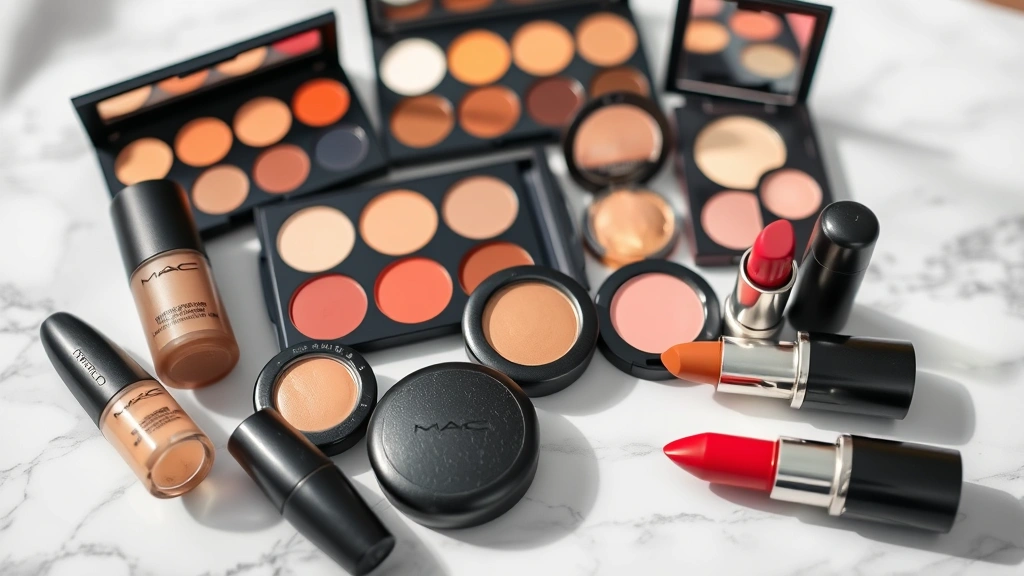
For dark circles, choose concealers with peachy or golden undertones (depending on skin tone) rather than pink-toned options. MAC Cosmetics and similar professional brands offer undertone-specific concealers suitable for mature skin. Apply with a damp beauty sponge rather than brushes, which can emphasize texture.
Strategic Coverage: Rather than applying concealer under the entire eye, focus on targeted areas—the inner corner, directly under the pupil, and the orbital bone. This technique provides coverage where needed while minimizing product accumulation in fine lines. Set concealer lightly with a hydrating powder rather than mattifying formulas.
Powders and Setting Products
Powder application is where many mature skin routines falter. Heavy, mattifying powders emphasize texture and fine lines, creating an aged, mask-like appearance. The goal is light, selective powder use that sets makeup without disrupting hydration or creating visible texture.
Loose Mineral Powders: Finely-milled mineral powders provide sheer coverage and light reflection without heaviness. They contain natural light-diffusing minerals that blur fine lines optically. Avoid talc-based powders, which can accentuate texture; instead, seek formulations with mica, titanium dioxide, and iron oxides.
Apply powder only to areas requiring setting—typically the T-zone and under the eyes if needed. Use a fluffy, stippling motion with a large brush rather than swiping, which deposits excessive product. Many mature skin experts recommend skipping powder entirely and using setting spray instead.
Setting Sprays: Hydrating setting sprays are superior for mature skin. These alcohol-free formulations contain glycerin, aloe, or rose water, which lock makeup in place while maintaining skin hydration. Avoid alcohol-based setting sprays that can dehydrate mature skin further. Apply setting spray after completing makeup, holding the bottle 6-8 inches from the face and misting lightly.
Eye Products for Mature Eyes
The eye area ages visibly due to thin skin, constant movement, and sun exposure. Mature eye cosmetics must address hooded lids, under-eye bags, fine lines, and loss of definition.
Eyeshadows for Mature Lids: Cream-based eyeshadows adhere better to mature, crepe-like eyelid skin than powders. They provide color payoff without creasing or settling into fine lines. Liquid eyeshadows with long wear formulas work equally well. Matte finishes appear more sophisticated on mature lids; shimmer should be minimal and finely-milled, not chunky or glittery.
Color selection matters significantly. Jewel tones (emerald, sapphire, deep plum) complement mature skin better than pale pastels. Warm metallics (bronze, copper, gold) enhance mature complexions more than cool silvers. Avoid harsh blacks directly on the lash line; instead, use deep browns or charcoal that define without appearing severe.
Eyeliner and Brow Products: Waterproof, long-wearing eyeliners prevent smudging throughout the day. Pencil liners with soft cores glide smoothly without pulling delicate skin. For brows, powder or cream products that mimic natural hair appearance are preferable to harsh, blocky brow pomades. Mature brows often thin; fill sparse areas with feathering techniques rather than bold shapes.
Mascara should volumize without clumping. Tubing mascaras (which wrap color around lashes rather than coating) are easier to remove and less damaging to fragile mature lashes. Brown or brown-black mascaras appear softer than pure black on mature skin.
Lip Products That Enhance
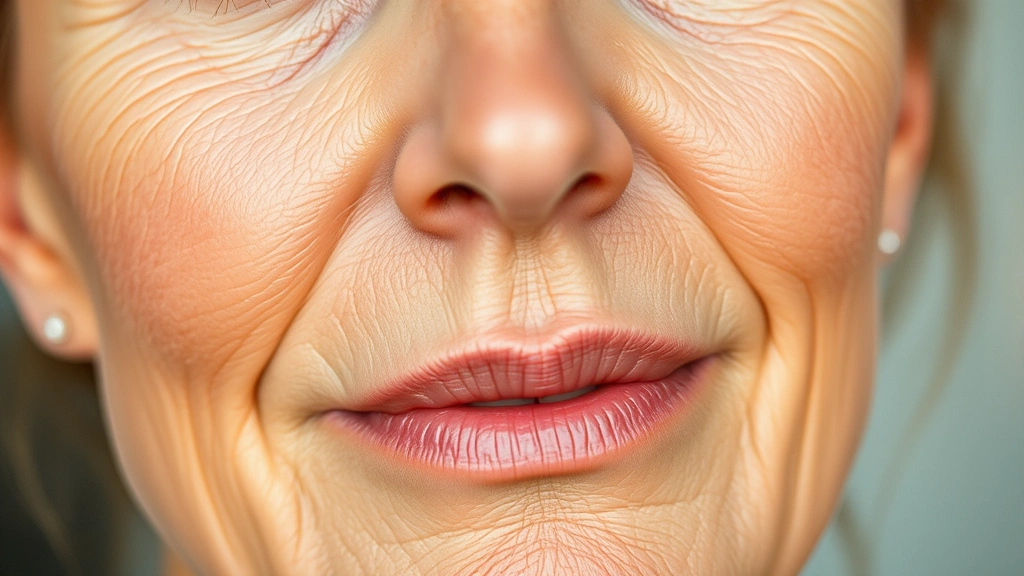
Lip cosmetics require special consideration for mature skin. Thin, crepe-like lips with visible lines demand hydrating, non-drying formulas that enhance without emphasizing texture.
Lip Primers and Treatments: Before applying color, use a hydrating lip primer or balm. These fill fine lines and create a smooth base for lipstick. Ingredients like hyaluronic acid, peptides, and plant oils plump lips while hydrating. Apply primer, wait 2-3 minutes, then proceed with color.
Lipstick Selection: Creamy, moisturizing lipsticks outperform matte formulations for mature lips. Satin or sheer finishes appear more elegant and less drying than full-coverage matte options. Warm reds, terracottas, berries, and warm nudes complement mature complexions beautifully. Cool-toned pinks can appear harsh against aged skin.
Lip stains and tints provide subtle color with a hydrating base. These are excellent for mature skin seeking natural-looking color without the drying effects of traditional lipstick. designer cosmetic bags often contain professional-grade lip products suitable for mature skin—invest in quality formulations that prioritize hydration.
Lip Liner Strategy: Lip liners define mature lips effectively, but avoid harsh, dark shades. Match liner to lipstick undertone, applying slightly inside the natural lip line rather than overlining. This prevents the obvious, aging appearance of overdrawing lips. Hydrating lip liners with conditioning ingredients prevent feathering and drying.
Key Ingredients to Prioritize
Understanding cosmetic ingredients specific to mature skin empowers informed purchasing decisions. Dermatologists recommend prioritizing these categories when selecting mature-friendly cosmetics:
- Hydrating Humectants: Hyaluronic acid, glycerin, and butylene glycol attract moisture to the skin. These ingredients are non-negotiable in mature skin cosmetics, particularly foundations, concealers, and setting products.
- Emollients and Occlusive Agents: Squalane, jojoba oil, dimethicone, and plant-derived oils prevent transepidermal water loss. They create smooth texture and support barrier function in dry, mature skin.
- Peptides: Matrixyl, Argireline, and copper peptides support collagen production and skin firmness. Cosmetics containing peptides help improve skin texture and elasticity over time.
- Antioxidants: Vitamin C, vitamin E, green tea extract, and resveratrol protect skin from free radical damage and environmental stressors. These are especially important in mature cosmetics to prevent further aging.
- Light-Diffusing Particles: Micronized mica, titanium dioxide, and silica spheres blur fine lines optically without appearing chalky. These ingredients are crucial in foundations and powders for mature skin.
- Skin-Conditioning Agents: Ceramides and fatty acids support barrier health. Mature skin with compromised barriers benefits significantly from cosmetics containing these restorative ingredients.
According to Cosmetics Europe, mature-targeted formulations increasingly include these evidence-backed ingredients. Check ingredient lists on product packaging or manufacturer websites to verify inclusion of these beneficial compounds.
Application Techniques
Even the best cosmetics for mature skin require proper application techniques to maximize results and minimize aging appearance.
Preparation: Skincare is foundational. Apply a hydrating primer after moisturizer to create a smooth base and extend makeup longevity. Primers with silicone or hydrating polymers fill fine lines and pores, creating an imperceptibly smooth canvas. This step is non-negotiable for mature skin makeup application.
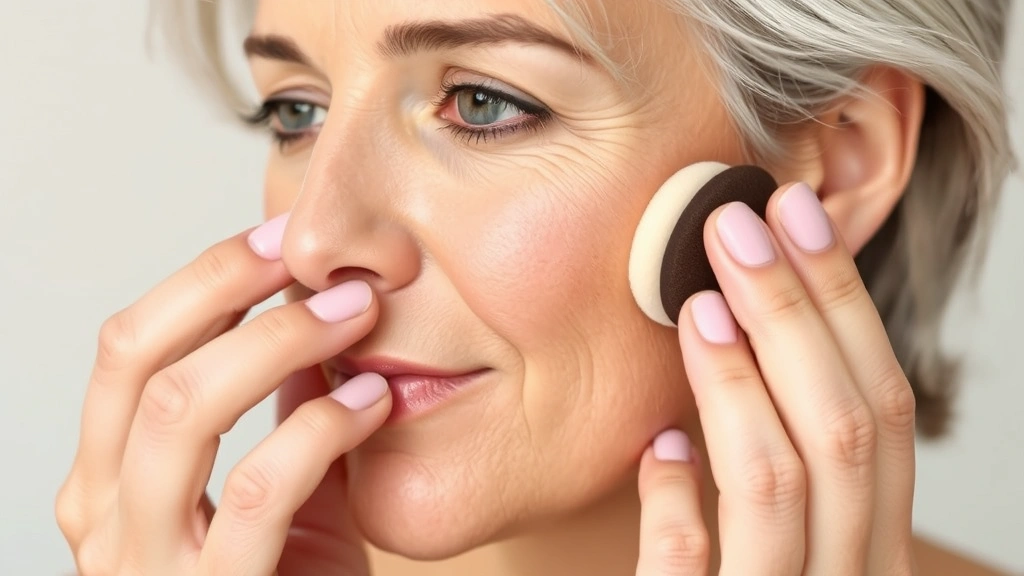
Foundation Application: Use a damp beauty sponge or stippling brush to apply foundation. Damp sponges blend seamlessly without disturbing primer or emphasizing texture. Stipple foundation gently rather than buffing, which can move product into fine lines. Build coverage gradually with thin layers rather than applying thick product upfront.
Blending Strategy: Blend all edges thoroughly, particularly around the jawline, hairline, and temples. Harsh lines appear aging; seamless blending creates a cohesive, youthful appearance. Take extra time blending around the eyes and mouth, where mature skin shows most texture.
Contouring Considerations: Heavy contouring can appear severe on mature skin. Instead, use subtle shading to enhance bone structure without creating harsh shadows. Apply contour with a light hand, focusing on subtle definition rather than dramatic sculpting. Warm, earthy tones work better than cool grays.
Highlighter Application: Subtle highlighting enhances mature skin’s natural features. Apply highlighter to the highest points of cheekbones, inner corners of eyes, and cupid’s bow. Avoid heavy, glittery products; instead, seek finely-milled, luminous formulas that create a natural glow without appearing shiny or oily.
The Beauty Independent emphasizes that mature skin cosmetics application is an art requiring patience and practice. Invest time in learning techniques that work for your specific mature skin concerns rather than rushing through application.
Consider consulting makeup artists specializing in mature skin. Many offer virtual consultations, providing personalized application tutorials adapted to your skin texture, tone, and concerns. This professional guidance often proves more valuable than following generic tutorials.
FAQ
What’s the best foundation type for mature skin with fine lines?
Serum-based and hydrating liquid foundations work best. These provide medium-to-full coverage while maintaining skin hydration and avoiding settlement into fine lines. Avoid matte formulations that emphasize texture. Look for products with hyaluronic acid, glycerin, and light-diffusing particles.
Can I wear bold makeup colors at a mature age?
Absolutely. Jewel tones, warm metallics, and rich colors complement mature skin beautifully. Avoid pale pastels that can wash out mature complexions. Bold lips in warm reds, berries, and terracottas enhance mature skin when paired with minimal eye makeup.
How often should mature skin use setting powder?
Minimize powder use on mature skin. Apply only to areas requiring setting (typically T-zone) using light, stippling motions. Many mature skin experts recommend replacing powder with hydrating setting spray, which locks makeup without disrupting hydration or emphasizing texture.
Are expensive cosmetics better for mature skin?
Price doesn’t guarantee quality. Many budget cosmetic brands offer excellent formulations for mature skin. Focus on ingredient quality and formula type rather than brand prestige. Read ingredient lists carefully; mature skin benefits more from smart formulation than luxury packaging.
What’s the best way to remove mature skin makeup?
Use a gentle, oil-based cleanser or micellar water. Remove makeup with soft, downward strokes rather than harsh rubbing. Follow with a hydrating facial cleanser and moisturizer. Proper removal prevents barrier damage and supports skin health, which ultimately improves cosmetic application and appearance.
How can I make my mature skin look less tired with cosmetics?
Focus on brightening and hydrating. Use peachy or golden-toned concealers under eyes, apply subtle highlighting to cheekbones and inner eye corners, and prioritize hydrating foundations and setting sprays. A touch of cream blush on apples of cheeks adds vitality. Well-hydrated, plump skin naturally appears more rested.
Should mature skin use primer?
Yes, absolutely. Hydrating primers fill fine lines, smooth texture, and extend makeup longevity. For mature skin, primers are essential rather than optional. Choose hydrating formulas with silicone or polymer technology that create a smooth base without feeling heavy.