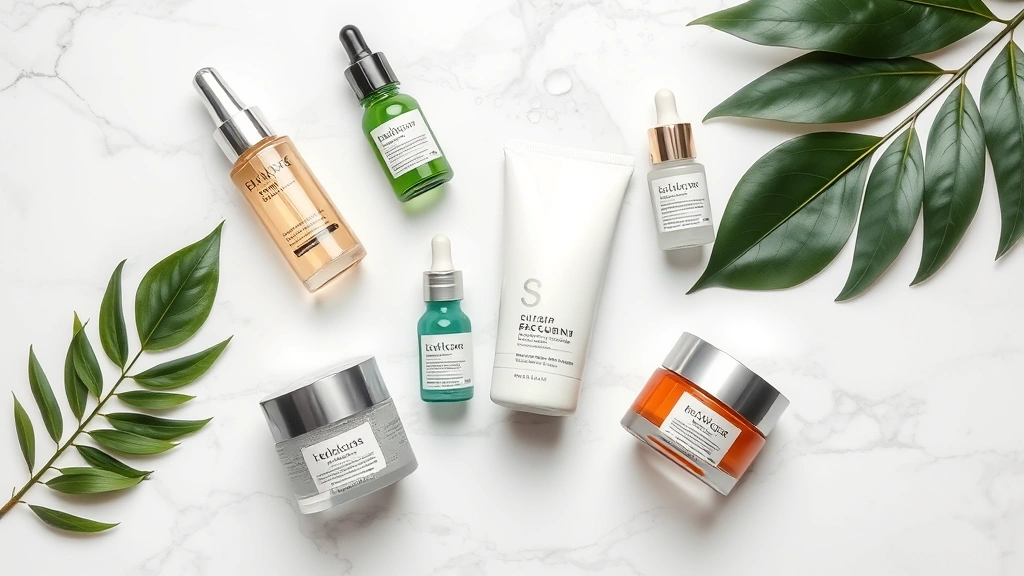
Best Skincare Routine? Dermatologist’s Favorite Picks
Building an effective skincare routine doesn’t require expensive products or complicated multi-step regimens. Dermatologists consistently recommend focusing on foundational principles that address your specific skin type and concerns. The most successful routines combine evidence-based ingredients, proper application techniques, and realistic expectations about how long results take to appear.
Whether you’re dealing with acne, sensitivity, dryness, or signs of aging, dermatologists emphasize that the “best” routine is one you’ll actually stick with. This guide breaks down dermatologist-approved approaches, highlighting the ingredients and products that deliver measurable results backed by clinical research.
Core Steps Every Dermatologist Recommends
Dermatologists agree that an effective skincare routine requires just three essential steps: cleansing, treatment, and protection. This minimalist approach prevents over-complication while maximizing results. Many people sabotage their skin by using too many products, which increases irritation risk and makes it impossible to identify what’s actually working.
The cleanse-treat-protect framework works because it addresses the fundamental needs of all skin types. Cleansing removes environmental debris and excess sebum without disrupting the skin barrier. Treatment addresses specific concerns using active ingredients. Protection maintains gains and prevents future damage. Everything else—serums, essences, masks—should enhance these core steps rather than replace them.
Dermatologists emphasize consistency over complexity. Using the same routine twice daily for at least 6-8 weeks allows you to evaluate whether products are effective. Constantly switching products prevents you from seeing real results and confuses your skin, potentially triggering irritation or breakouts.
Cleanser Selection by Skin Type
Your cleanser is the foundation of any routine, yet it’s often overlooked. Gentle cleansers for sensitive skin differ significantly from formulations designed for oily or acne-prone complexions. Dermatologists recommend choosing cleansers based on your skin’s pH balance and barrier function, not just texture preference.
For Oily and Acne-Prone Skin: Dermatologists often recommend water-soluble cleansers containing salicylic acid (beta-hydroxy acid) or benzoyl peroxide. These ingredients penetrate pores and reduce bacterial colonization without over-drying. Look for cleansers with concentrations between 0.5-2% salicylic acid. Using higher concentrations twice daily increases irritation without improving efficacy.
For Dry and Sensitive Skin: Creamy cleansers with ceramides, glycerin, and hyaluronic acid are dermatologist favorites. Products containing ceramides actively repair the skin barrier while cleansing. Avoid sulfates, which strip natural oils and compromise barrier function. Micellar water and cleansing balms work well for this skin type.
For Combination Skin: A gentle, pH-balanced cleanser works universally. Dermatologists often recommend gel or foam cleansers with amino acids and antioxidants. These remove excess oil from the T-zone without drying out cheeks and other areas.
Temperature matters too. Dermatologists advise using lukewarm—never hot—water when cleansing. Hot water dilates pores and increases transepidermal water loss (TEWL), which compromises barrier function. Lukewarm water effectively removes impurities while maintaining skin’s natural moisture balance.
Active Ingredients That Actually Work
Dermatologists base ingredient recommendations on clinical evidence rather than marketing claims. Several ingredients consistently demonstrate efficacy in peer-reviewed studies and clinical practice.
Retinoids: Retinol, retinaldehyde, and prescription retinoids (tretinoin, adapalene) are gold-standard ingredients for anti-aging and acne. They increase cell turnover, stimulate collagen production, and normalize sebum production. Dermatologists typically recommend starting with lower concentrations (0.25-0.3% retinol) and gradually increasing as skin builds tolerance. Results appear after 8-12 weeks of consistent use.
Vitamin C (L-Ascorbic Acid): This antioxidant brightens skin, reduces hyperpigmentation, and protects against environmental damage. Dermatologists emphasize that stability matters—L-ascorbic acid at 10-20% concentration in acidic formulations (pH 2.5-3.5) delivers results. Many products use inferior derivatives that provide minimal benefit.
Niacinamide: This B vitamin reduces sebum production, minimizes pore appearance, and strengthens barrier function. Concentrations of 4-5% prove effective for most skin types. Unlike some actives, niacinamide rarely causes irritation, making it suitable for sensitive skin and compatible with most other ingredients.
Azelaic Acid: Dermatologists frequently recommend this ingredient for rosacea, post-inflammatory hyperpigmentation, and mild acne. It’s less irritating than other acids and works through multiple mechanisms—reducing bacterial growth, decreasing inflammation, and inhibiting melanin production. Concentrations of 15-20% are standard.
Salicylic and Glycolic Acids: These exfoliating acids work differently. Salicylic acid (BHA) is lipophilic and penetrates pores, making it ideal for oily and congested skin. Glycolic acid (AHA) is hydrophilic and works on the surface, benefiting dry and textured skin. Dermatologists recommend using these 2-3 times weekly rather than daily to prevent barrier compromise.
Moisturizing and Barrier Protection
Many people skip moisturizer thinking it causes breakouts. Dermatologists emphasize that appropriate moisturization is essential for all skin types, including oily complexions. Dehydrated skin produces excess sebum to compensate, worsening acne and congestion.
Effective moisturizers contain three types of ingredients: humectants (draw water into skin), emollients (soften and smooth), and occlusives (seal moisture). Ceramide-rich moisturizers address barrier repair, which is crucial for sensitive skin and conditions like eczema.
Humectants: Glycerin, hyaluronic acid, and propylene glycol attract water molecules. Hyaluronic acid can hold up to 1000 times its weight in water, but it requires adequate environmental humidity to work effectively. In dry climates, humectants alone may worsen dehydration.
Emollients: Squalane, jojoba oil, and plant-derived oils soften skin without clogging pores. These ingredients improve texture and reduce transepidermal water loss. Dermatologists often recommend squalane for acne-prone skin because it mimics skin’s natural sebum composition.
Occlusives: Petrolatum, shea butter, and dimethicone create a protective barrier. Dermatologists recommend using heavier occlusives at night. During the day, lighter moisturizers prevent that greasy feeling while still providing protection.
Dermatologists stress that reducing skin inflammation requires proper hydration. Inflamed skin has compromised barrier function and increased sensitivity. Adequate moisturization decreases inflammation markers and improves tolerance to active ingredients.
Sun Protection: Non-Negotiable
Dermatologists consider sunscreen the most important anti-aging product available. UV exposure causes 80% of visible skin aging through collagen breakdown, elastin degradation, and oxidative stress. No other skincare ingredient can reverse sun damage as effectively as prevention.
Broad-spectrum protection (UVA and UVB) with SPF 30 minimum is standard. Dermatologists recommend SPF 50+ for daily use and reapplication every 2 hours with sun exposure. Many people apply insufficient amounts—use a quarter teaspoon for the face and neck.
Sunscreen Types: Chemical sunscreens (oxybenzone, avobenzone, octinoxate) absorb UV rays and convert them to heat. Physical sunscreens (zinc oxide, titanium dioxide) reflect UV rays. Dermatologists recommend physical sunscreens for sensitive skin and those prone to irritation. Hybrid formulations combine both types for optimal protection and cosmetic elegance.
Sunscreen application timing matters. Apply 15 minutes before sun exposure to allow proper film formation. Reapply after swimming or sweating. Daily sunscreen use prevents cumulative UV damage and works synergistically with other anti-aging ingredients like retinoids and vitamin C.

Targeted Treatments for Specific Concerns
For Acne-Prone Skin: Dermatologists typically recommend a dual-action approach combining exfoliation with antimicrobial ingredients. Products addressing sensitive conditions may also benefit acne-prone skin when inflammation is present. Benzoyl peroxide remains the gold standard for bacterial reduction. Niacinamide and azelaic acid reduce inflammation and prevent post-inflammatory hyperpigmentation.
For Hyperpigmentation: Vitamin C, niacinamide, azelaic acid, and kojic acid address excess melanin production. Dermatologists emphasize that these ingredients work best with consistent sunscreen use—without UV protection, pigmentation returns quickly. Results typically appear after 8-12 weeks.
For Fine Lines and Loss of Elasticity: Retinoids stimulate collagen remodeling and increase skin thickness. Peptides and growth factors support structural proteins. Dermatologists often recommend combining retinoids with vitamin C and hyaluronic acid for comprehensive anti-aging benefits. Results require patience—significant improvement takes 12-16 weeks.
For Rosacea and Sensitivity: Managing reactive skin conditions requires gentle formulations with anti-inflammatory ingredients. Niacinamide, azelaic acid, and centella asiatica reduce redness and strengthen barrier function. Avoid common irritants—fragrance, essential oils, high-concentration acids, and physical scrubs.
For Large Pores: Minimizing pore appearance involves reducing sebum production and improving skin texture. Niacinamide, salicylic acid, and retinoids all contribute to this goal. Dermatologists note that pore size is genetically determined, but proper skincare makes them appear smaller through improved hydration and reduced congestion.
FAQ
How long does it take to see skincare results?
Dermatologists recommend waiting 6-8 weeks before evaluating routine effectiveness. The skin’s natural cell turnover cycle is approximately 28 days, and meaningful changes require multiple cycles. Active ingredients like retinoids and vitamin C show visible results after 8-12 weeks of consistent use. Some benefits appear earlier—improved hydration shows within days, while collagen remodeling requires months.
Can I use multiple active ingredients together?
Yes, but with caution. Dermatologists recommend introducing one active ingredient at a time, spacing introductions 2-3 weeks apart. This allows you to identify any irritation or sensitivity. Compatible combinations include retinoids with niacinamide, vitamin C with hyaluronic acid, and azelaic acid with most ingredients. Avoid combining high-concentration acids or multiple exfoliants, which compromise barrier function.
Is expensive skincare better than affordable options?
Price doesn’t determine efficacy. Dermatologists emphasize that ingredient quality and concentration matter more than brand prestige. Many affordable products contain evidence-based ingredients at effective concentrations. Expensive brands often charge for packaging, marketing, and brand recognition rather than superior formulation. Compare ingredient lists and concentrations rather than prices.
Should I use different routines for morning and night?
Yes. Dermatologists recommend using gentler treatments in the morning and reserving active ingredients for evening routines. Morning routines should include sunscreen, while night routines can incorporate retinoids, acids, and stronger treatments. This approach maximizes efficacy while minimizing photosensitivity and irritation risks.
What should I do if my skin becomes irritated?
Dermatologists advise temporarily simplifying your routine to cleansing, moisturizing, and sunscreen only. This allows barrier recovery over 3-5 days. Once irritation subsides, reintroduce actives gradually—use lower concentrations and less frequent application. If irritation persists, consult a dermatologist to rule out contact dermatitis or other conditions.