Anti-aging creams have become a cornerstone of modern skincare routines, promising to diminish fine lines, improve skin elasticity, and restore a youthful glow. With countless products flooding the market, each claiming revolutionary results, it can be overwhelming to identify which formulations actually deliver science-backed benefits. The key to finding an effective anti-aging cream lies in understanding the active ingredients, your specific skin type, and how these powerful compounds work at the cellular level to combat visible signs of aging.
Expert dermatologists and cosmetic chemists agree that the most effective anti-aging creams contain proven ingredients like retinoids, peptides, vitamin C, niacinamide, and moisturizing humectants. Rather than chasing marketing hype, informed consumers should focus on cream formulations that address their individual concerns—whether that’s loss of firmness, deep wrinkles, uneven texture, or dehydration. This comprehensive guide breaks down the science behind anti-aging creams and provides expert-approved recommendations for different skin types and concerns.
Understanding Anti-Aging Cream Ingredients
The most effective anti-aging creams contain clinically-studied active ingredients that target multiple signs of aging simultaneously. Retinoids remain the gold standard in anti-aging skincare, with decades of research supporting their ability to increase cell turnover, boost collagen production, and reduce the appearance of fine lines and wrinkles. Prescription-strength retinoids like tretinoin offer the most dramatic results, while over-the-counter retinol and retinyl palmitate provide gentler alternatives for sensitive skin.
Peptides are another cornerstone ingredient in premium anti-aging formulations. These amino acid chains signal skin cells to produce more collagen and elastin, essentially communicating to your skin that it needs to strengthen and firm itself. Matrixyl, Argireline, and copper peptides are among the most research-backed peptide complexes found in effective anti-aging creams. When combined with other active ingredients, peptides can deliver visible improvements in skin texture and firmness within 4-8 weeks of consistent use.
Vitamin C (ascorbic acid and its stable derivatives) serves multiple anti-aging functions: it neutralizes free radicals that accelerate aging, brightens dull complexions, and stimulates collagen synthesis. Stabilized vitamin C formulations are essential, as pure ascorbic acid oxidizes quickly and loses potency. Look for creams containing 10-20% vitamin C concentration for optimal efficacy without irritation. Hyaluronic acid frequently appears alongside vitamin C, providing deep hydration that plumps fine lines and enhances skin barrier function.
Niacinamide (vitamin B3) is a powerhouse anti-aging ingredient that strengthens skin barrier function, reduces inflammation, minimizes pore appearance, and regulates sebum production. This multitasking ingredient works synergistically with most other active compounds, making it ideal for combination formulations. Studies show niacinamide can improve skin elasticity and reduce the appearance of fine lines within 8-12 weeks of regular use.
Alpha hydroxy acids (AHAs) and beta hydroxy acids (BHAs) exfoliate dead skin cells, revealing fresher, more youthful-looking skin underneath. Glycolic acid (AHA) and salicylic acid (BHA) improve skin texture, fade age spots, and enhance the penetration of other active ingredients. However, chemical exfoliants require careful introduction to avoid irritation and should always be followed by broad-spectrum SPF 30+ sunscreen.
Antioxidants like green tea extract, resveratrol, and ferulic acid protect skin from environmental damage and oxidative stress that accelerates aging. These ingredients work best when layered with other actives—vitamin C serums paired with vitamin E and ferulic acid create a synergistic antioxidant defense system. The American Academy of Dermatology recommends antioxidant-rich products as part of a comprehensive anti-aging regimen.
Best Anti-Aging Creams by Skin Type
For Dry and Mature Skin: Mature dry skin requires rich, nourishing formulations that address both aging concerns and dehydration. Look for creams containing retinol, peptides, and occlusive ingredients like ceramides, squalane, and plant oils. These creams should provide intense hydration while delivering anti-aging actives. A good option would feature hyaluronic acid for moisture binding, retinol for collagen stimulation, and a nourishing base that doesn’t feel heavy or greasy.
For Oily and Combination Skin: Oily skin types need lightweight, non-comedogenic anti-aging creams that won’t clog pores or create excess shine. Gel-cream formulations work exceptionally well, combining niacinamide for pore refinement, lightweight peptides, and hydrating but non-occlusive ingredients. Pore-minimizing ingredients like niacinamide and salicylic acid address both aging and breakout concerns simultaneously. These formulations should feel refreshing rather than coating, allowing skin to breathe while still providing anti-aging benefits.
For Sensitive Skin: Sensitive skin requires gentle anti-aging creams that deliver results without triggering irritation or inflammation. Focus on lower-strength retinol (not prescription retinoids), niacinamide, peptides, and calming ingredients like centella asiatica and allantoin. Start with the lowest concentration of active ingredients and gradually increase frequency as skin builds tolerance. Avoid formulations containing fragrance, essential oils, or multiple exfoliating acids that can compromise the skin barrier.
For Normal Skin: Normal skin can tolerate a wider range of anti-aging ingredients and formulations. Multi-tasking creams containing retinol, vitamin C, peptides, and hyaluronic acid work well without requiring a complex layering routine. Normal skin types benefit from balanced formulations that address hydration, firmness, and radiance simultaneously without being overly specialized for specific concerns.
How to Choose the Right Formula
Selecting an effective anti-aging cream requires understanding both the science and your individual skin needs. Identify your primary aging concerns: Do you have fine lines around the eyes, deep forehead wrinkles, loss of firmness and elasticity, or uneven skin tone and texture? Different ingredients address different concerns most effectively. Retinoids excel at reducing fine lines and wrinkles, peptides improve firmness, vitamin C brightens and fades hyperpigmentation, and chemical exfoliants enhance overall texture.
Consider your skin barrier health: A compromised skin barrier—indicated by sensitivity, redness, or persistent dryness—requires barrier-supporting ingredients like ceramides, niacinamide, and centella asiatica before introducing potent actives. Itchy or irritated skin signals that your barrier needs repair before adding anti-aging actives. Once your barrier is healthy, you can introduce stronger formulations with greater confidence and fewer adverse reactions.
Check ingredient concentration and stability: Look for active ingredients listed early in the ingredient list (within the first 5-10 ingredients) to ensure adequate concentration. For vitamin C, ensure it’s in a stabilized form like 3-O ethyl ascorbic acid or magnesium ascorbyl phosphate. For retinoids, check that the formulation is in opaque, airless packaging to prevent oxidation. The Cosmetic Ingredient Review provides detailed safety and efficacy data on skincare components.
Research clinical evidence: The most credible anti-aging creams cite peer-reviewed studies demonstrating efficacy. Look for products backed by published research showing measurable improvements in wrinkle depth, skin elasticity, or other aging markers. Marketing claims without scientific support should raise red flags, no matter how attractive the packaging or price point.
Start with one active ingredient: Introducing multiple new actives simultaneously increases irritation risk and makes it impossible to identify which ingredient is causing problems. Start with retinol or vitamin C, allow your skin 4-6 weeks to acclimate, then gradually introduce complementary ingredients. This methodical approach yields better long-term results and helps you identify your skin’s true tolerance levels.
Application Tips for Maximum Results
Timing and frequency matter significantly: Retinoids should be introduced gradually—start with 2-3 times weekly, gradually increasing to nightly use as tolerance builds. Begin with a pea-sized amount mixed into your moisturizer (called the “sandwich method”) to minimize irritation while your skin adapts. Vitamin C serums work best applied to clean, dry skin in the morning, as they provide antioxidant protection throughout the day. Layer hydrating toners underneath anti-aging creams to boost penetration and hydration simultaneously.
Use the correct amount: Most people apply insufficient product to achieve results. A nickel to quarter-sized amount of cream is appropriate for the entire face and neck. Gently massage the cream upward and outward, following natural facial contours. Pay special attention to areas prone to deep wrinkles—the forehead, around eyes, and nasolabial folds—but don’t neglect the neck and décolletage, which age visibly but are often neglected in skincare routines.
Protect with sunscreen: All anti-aging ingredients, particularly exfoliating acids and retinoids, increase sun sensitivity. Daily broad-spectrum SPF 30+ sunscreen is non-negotiable when using any anti-aging cream. Unprotected sun exposure not only undoes your anti-aging efforts but actively accelerates aging through UV-induced collagen breakdown and free radical damage. Reapply sunscreen every 2 hours during extended outdoor exposure.
Be patient with results: Visible anti-aging benefits require consistent use over 8-12 weeks minimum. Retinoids typically show initial results within 6-8 weeks, with continued improvement over months. Peptides and vitamin C may take 8-12 weeks to demonstrate noticeable changes. Consistency matters far more than switching products frequently. Most dermatologists recommend committing to a single formulation for at least 12 weeks before evaluating efficacy.
Common Mistakes to Avoid
Mixing incompatible ingredients: Certain ingredient combinations reduce efficacy or increase irritation. Never mix vitamin C with niacinamide in the same product (though recent formulations have solved this). Avoid combining multiple exfoliating acids in one routine, and be cautious about layering retinoids with benzoyl peroxide or strong vitamin C serums without spacing them appropriately. When in doubt, apply different actives on alternate evenings rather than simultaneously.
Neglecting the eye area: The delicate eye area has thinner skin and fewer oil glands, requiring specialized care. While many anti-aging creams can be used around the eyes, dedicated eye creams with lower active ingredient concentrations and more emollient bases often deliver better results with less irritation. Pat eye cream gently with your ring finger (the weakest digit) rather than tugging or rubbing, which damages delicate skin.
Ignoring lifestyle factors: The most expensive anti-aging cream cannot compensate for poor sleep, chronic stress, dehydration, smoking, or excessive sun exposure. These factors actively accelerate aging at the cellular level. Effective anti-aging requires a holistic approach: consistent skincare, adequate sleep (7-9 hours nightly), stress management, hydration, and sun protection. Supplementary treatments like face masks can enhance results but cannot replace fundamental lifestyle habits.
Using expired or improperly stored products: Anti-aging actives degrade over time, especially when exposed to light, heat, or air. Store creams in cool, dark places in tightly sealed containers. Most anti-aging creams remain potent for 12-24 months from opening. Once a product separates, smells off, or changes texture, discard it—degraded actives won’t deliver promised benefits and may irritate skin.
Skipping moisturization: Anti-aging creams are not substitutes for hydration. Even rich anti-aging formulations should be layered over hydrating serums or toners to maximize penetration and skin comfort. Dehydrated skin appears more wrinkled and aged, so adequate moisture is foundational to any anti-aging regimen. Compromised skin barriers require extra hydration support before introducing potent anti-aging actives.
FAQ
What’s the difference between retinol and retinoids?
Retinol is a weaker form of vitamin A available over-the-counter that your skin must convert to retinoic acid to be effective. Retinoids include prescription-strength tretinoin, adapalene, and tazarotene, which are already in the active form and deliver faster, more dramatic results. For beginners, retinol is gentler; for experienced users seeking maximum anti-aging benefits, prescription retinoids offer superior efficacy.
Can I use anti-aging cream if I have sensitive skin?
Yes, but you must choose formulations specifically designed for sensitivity. Start with gentle, lower-concentration actives like niacinamide and peptides before introducing retinol. Avoid products containing fragrance, essential oils, or multiple exfoliating acids. Introduce new ingredients slowly, waiting 2-4 weeks between additions. If irritation develops, pause the new ingredient and focus on barrier repair with ceramides and centella asiatica.
How long before I see results from anti-aging cream?
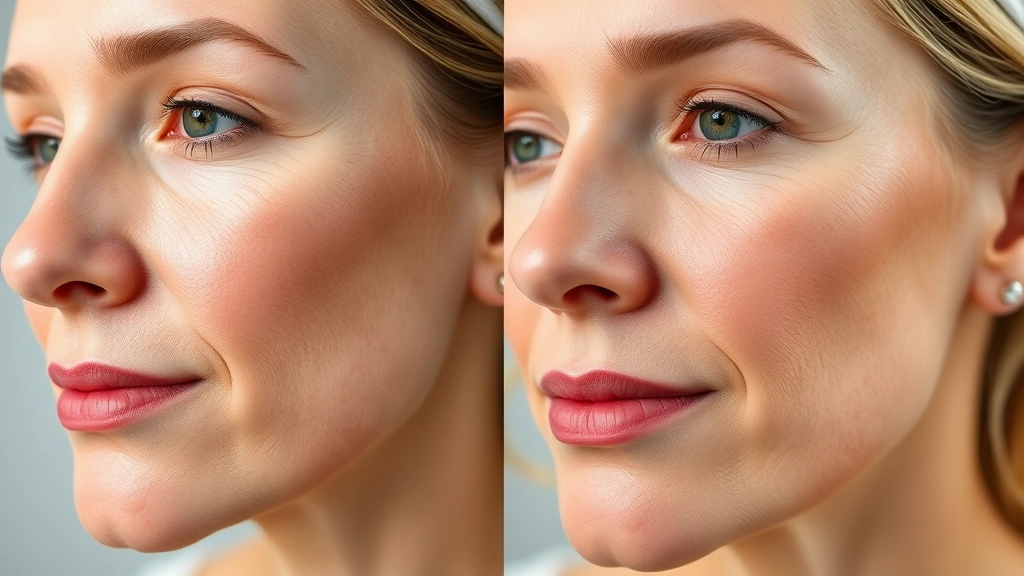
Most anti-aging creams require 8-12 weeks of consistent use to demonstrate visible improvements. Retinoids typically show initial results within 6-8 weeks, while peptides and vitamin C may require the full 12 weeks. Patience and consistency matter more than product switching. Taking before and after photos monthly helps track subtle improvements that daily observation might miss.
Should I use anti-aging cream at night or in the morning?
Most potent anti-aging actives (retinoids, strong acids) work best at night when skin isn’t exposed to sunlight. Vitamin C serums can be used morning and night, but morning application provides antioxidant protection. Creams can be used morning and night, but nighttime application allows for richer, more occlusive formulations without feeling greasy during the day. Adjust your routine based on product type and personal preference.
Can men use anti-aging creams?
Absolutely. Men’s skin ages similarly to women’s skin and benefits equally from retinoids, peptides, vitamin C, and moisturizing ingredients. Men may prefer lighter textures and unscented formulations, but the active ingredients and application principles remain identical. Anti-aging creams are effective skincare regardless of gender.