L’Oreal Primer Tips for Flawless Skin: Expert Advice
L’Oreal cosmetics primers have become essential tools in modern makeup routines, offering professional-grade formulations designed to create the perfect canvas for foundation and concealer. Whether you’re preparing for a special event or perfecting your everyday makeup application, understanding how to maximize your primer’s potential can transform your skin’s appearance and extend your makeup wear time significantly. These innovative products work by filling pores, smoothing texture irregularities, and creating a barrier that helps makeup adhere seamlessly to your skin.
The beauty industry has evolved dramatically over the past decade, with primers transitioning from optional luxury items to fundamental skincare-makeup hybrids that many dermatologists and makeup artists now recommend as essential steps in any beauty routine. L’Oreal’s extensive range of primers addresses specific skin concerns—from excessive shine and pore visibility to fine lines and uneven texture. By incorporating the right primer into your regimen, you can achieve a polished, long-lasting finish that looks professionally applied and feels comfortable throughout the day.
Understanding Primer Science and Skin Benefits
Modern primers function as silicone-based or water-based formulations that create a smooth, adhesive surface for makeup application. L’Oreal’s research and development team has engineered primers with specific polymers and silicones that fill microscopic imperfections in the skin’s surface, creating an optically smoother appearance while providing a grip for foundation molecules. This scientific approach ensures that makeup doesn’t slip or fade throughout the day, particularly in areas prone to oil production or movement.
The primary benefits of using a quality primer extend beyond aesthetics. These products can reduce the amount of foundation needed, allowing your skin to breathe more freely while still achieving complete coverage. Primers create a barrier between your skin and makeup, which can be especially beneficial for sensitive or acne-prone skin types. Additionally, primers can help regulate sebum production, making them particularly valuable for those dealing with oily or combination skin. The smoothing effect of primers can minimize the appearance of pores, fine lines, and textural irregularities—concerns that become increasingly important with age or environmental damage.
L’Oreal’s commitment to ingredient innovation means their primers often contain beneficial additives like antioxidants and protective compounds that support skin health while providing cosmetic benefits. Many formulations include hydrating agents that prevent the primer from feeling drying or tight on the skin, addressing a common complaint about silicone-heavy products. Understanding these scientific foundations helps you select the most appropriate primer for your unique skin needs and concerns.
L’Oreal Primer Range by Skin Type
L’Oreal offers an impressive selection of primers specifically formulated for different skin types, ensuring that everyone can find a product suited to their unique needs. For oily and combination skin, L’Oreal’s mattifying primers contain oil-absorbing polymers and pore-minimizing technology that keeps shine at bay for extended periods. These formulations typically feature a lightweight texture that doesn’t feel heavy or occlusive, making them ideal for those who struggle with congestion or breakouts triggered by heavy products.
Dry and sensitive skin types benefit from L’Oreal’s hydrating primer formulations, which incorporate humectants like glycerin and hyaluronic acid alongside protective silicones. These primers provide the smoothing benefits of traditional silicone-based products while maintaining skin hydration and comfort. The inclusion of soothing ingredients like allantoin or panthenol makes these formulations gentler for compromised or reactive skin barriers. If you’re dealing with dry patches or dehydration, these primers can actually improve the appearance and feel of your skin by providing an extra layer of moisture before foundation application.
Normal skin types have the advantage of being able to use most primer formulations effectively, though L’Oreal still offers balanced options that provide light coverage and a natural finish. Many professionals recommend that those with normal skin experiment with different primer types to determine whether they prefer a more dewy, hydrating formula or a mattifying option depending on their environment and personal preference. Mature skin benefits significantly from primers that address fine lines and loss of elasticity—look for L’Oreal formulations that include peptides or collagen-boosting ingredients that provide both cosmetic smoothing and potential long-term skin benefits. This connects to broader discussions about cosmetics specifically formulated for mature skin, where primer selection becomes increasingly important for achieving a youthful appearance.
Understanding your skin type is crucial before selecting a primer, as using an incompatible product can exacerbate existing concerns. Take time to assess whether your skin tends toward oiliness, dryness, sensitivity, or a combination of these factors. If you’re uncertain, consult with a dermatologist or makeup artist who can provide personalized recommendations based on your specific skin characteristics and concerns.
Application Techniques for Maximum Results
The success of any primer depends significantly on proper application technique. Begin with a well-prepared base: cleanse your skin thoroughly and apply your regular facial toner and skincare routine at least five to ten minutes before applying primer. This waiting period allows your skincare products to fully absorb and your skin to reach its natural moisture balance, preventing primer from sliding or pilling on top of wet product layers.
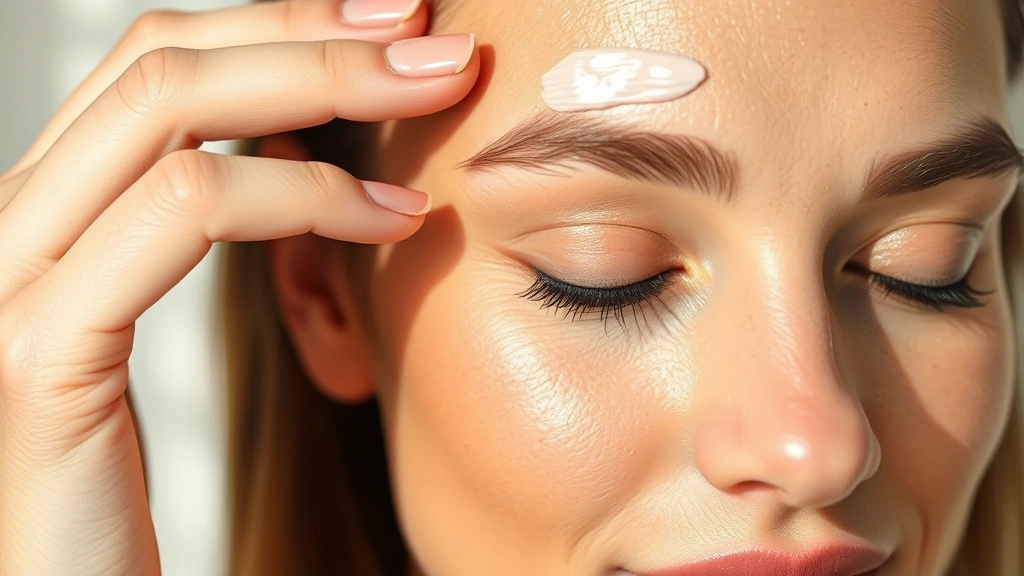
Apply primer in thin, even layers using either your fingertips, a damp beauty sponge, or a foundation brush, depending on your preference and the primer’s consistency. Most people use approximately a pea-sized amount for the entire face, though this varies based on product formulation and personal needs. Start by dotting primer on the center of your face—forehead, nose, chin, and cheeks—then gently blend outward using light tapping or circular motions. Focus on areas where you experience the most texture irregularities, pore visibility, or makeup breakdown throughout the day.
Pay particular attention to the T-zone and any problem areas, as these regions typically produce more oil and experience more makeup movement. Some makeup artists recommend using a slightly heavier application in these zones while keeping primer lighter on naturally dry areas like the cheeks and temples. Allow the primer to set for 30-60 seconds before applying foundation; this brief waiting period allows the silicones to fully adhere to your skin and create the optimal base for makeup application.
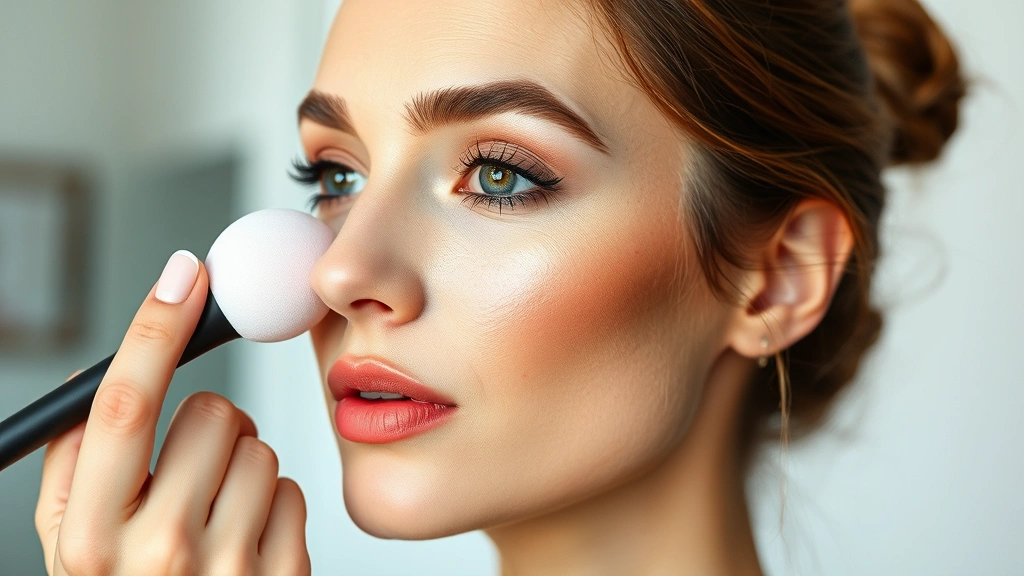
The blending technique matters considerably—avoid over-working the primer, as excessive rubbing can create pilling or disturb the product’s adhesive layer. Instead, use gentle pressing motions to ensure even coverage and proper skin contact. If you notice the primer looks streaky or uneven after application, use a damp beauty sponge to gently press and blend without dragging the product around. This technique helps ensure the primer sits smoothly on your skin while maintaining its effectiveness.
Layering Primers with Other Products
Strategic product layering can dramatically enhance your primer’s effectiveness and your overall makeup longevity. Begin with a moisturizer appropriate for your skin type—hydrating formulas for dry skin and lightweight, non-comedogenic options for oily skin. The primer acts as a buffer between your skincare and makeup, so ensuring your moisturizer has fully absorbed prevents the primer from sliding or separating later. Some makeup professionals recommend waiting up to 15 minutes after moisturizer application before applying primer, though this depends on your specific products and skin type.
When layering multiple primers—which some makeup artists do for particularly challenging skin or long-wear situations—choose formulations with complementary purposes. For example, you might apply a hydrating primer first, followed by a pore-minimizing or mattifying option. This approach allows you to address multiple skin concerns simultaneously while maintaining product compatibility. However, be cautious about using too many layers, as excessive product can create a heavy, cakey appearance and potentially clog pores or trigger sensitivity.
Foundation application over primer requires a slightly different technique than applying foundation to bare skin. Use less product than you normally would, as the primer provides additional slip and coverage. Apply foundation in thin layers, building coverage gradually rather than applying one thick coat. This approach creates a more natural, skin-like finish while maximizing the primer’s pore-minimizing and texture-smoothing benefits. Many professionals recommend using a damp beauty sponge for foundation application over primer, as the moisture helps blend the two products seamlessly.
Consider how your selected primer interacts with your foundation formula. Silicone-based primers work beautifully with silicone-based foundations, creating a cohesive, long-lasting base. Water-based primers pair well with water-based or hybrid foundations. Mixing silicone and water-based products can sometimes cause separation or pilling, so understanding your products’ bases helps prevent application issues. If you’re combining products from different brands, test the combination on a small area first to ensure compatibility.
Addressing Common Primer Concerns
Despite their benefits, primers can sometimes cause problems if not selected or applied correctly. Pilling—where the primer balls up or separates on the skin—typically results from applying too much product, using an incompatible foundation, or not allowing the primer to set adequately before foundation application. To prevent pilling, use less primer than you think you need, ensure complete absorption before layering additional products, and verify that your primer and foundation formulations are compatible.
Some individuals experience increased breakouts or sensitivity after incorporating primer into their routine. This often occurs when the primer is too heavy for their skin type or contains ingredients that trigger reactions. If you notice breakouts, discontinue use and patch-test on a small area before full-face application. Look for primers labeled non-comedogenic and formulated without common irritants like fragrance or essential oils if you have sensitive or acne-prone skin. Consulting with a dermatologist can help identify specific ingredients that may be triggering your reaction.
Primer that feels heavy, greasy, or uncomfortable throughout the day suggests an incompatible product for your skin type. Oily skin types using hydrating primers might experience excess shine, while dry skin types using mattifying primers might feel tight or uncomfortable. The solution is straightforward: switch to a primer formulated specifically for your skin type. L’Oreal’s diverse range ensures you can find a compatible option without abandoning primer use entirely.
Some people worry that primers prevent their skin from breathing or cause long-term damage. Quality primers are designed to be breathable and non-occlusive, allowing skin to function normally while providing cosmetic benefits. Properly removing primer each evening with a gentle cleanser ensures no product buildup occurs. If you’re concerned about primer safety or compatibility with your skin, consult the American Academy of Dermatology for evidence-based skincare guidance.
Advanced Tips from Makeup Professionals
Professional makeup artists employ several advanced techniques to maximize primer effectiveness and longevity. Color correcting before primer application can enhance the primer’s benefits and address specific skin concerns. For example, applying a green-tinted corrector before primer helps neutralize redness, while peach or orange correctors counteract under-eye darkness. Allow the corrector to set briefly before applying primer, creating multiple layers that work synergistically to create a flawless base.
Strategic primer placement—applying heavier amounts to areas prone to shine or makeup breakdown while using lighter applications elsewhere—optimizes both comfort and wear time. Many professionals focus primer application on the T-zone, under eyes, and around the mouth, where makeup tends to move most throughout the day. This targeted approach prevents the heavy, cakey feeling that full-face primer application sometimes creates while ensuring maximum benefit where you need it most.
Temperature and humidity significantly impact primer performance. In hot, humid climates, mattifying primers with oil-control technology perform best, while hydrating primers work better in dry, cold environments. Some professionals recommend keeping primer in a cool location, as temperature changes can affect silicone-based formulations’ consistency and performance. If you live in a particularly challenging climate, discuss primer options with a makeup artist familiar with your local conditions.
Mixing small amounts of primer with foundation creates a custom hybrid product that combines the benefits of both while improving blendability and reducing product feel on the skin. This technique works particularly well for those who find standard primer application too heavy or for achieving very natural, skin-like finishes. Use a ratio of approximately 3 parts foundation to 1 part primer, adjusting based on your preference and product consistency.
Professional makeup artists often recommend investing in quality primer over investing in expensive foundation, as a good primer creates the base that makes any foundation perform optimally. This perspective highlights primer’s importance in achieving professional-looking makeup results. Whether you’re applying makeup for everyday wear or special occasions, prioritizing primer quality ensures your entire makeup application performs better and lasts longer.
For those interested in exploring other foundational makeup products, understanding how primers compare to alternatives like full-coverage foundation options helps contextualize primer’s role in your beauty routine. Additionally, quality makeup application tools work synergistically with primers to enhance results, and exploring products available at major beauty retailers ensures access to professional-grade options.
FAQ
Can I use L’Oreal primer if I have sensitive skin?
Yes, L’Oreal offers primer formulations specifically designed for sensitive skin, typically free from fragrance, essential oils, and common irritants. Always patch-test on a small area first, and discontinue use if you experience redness, itching, or irritation. Consult a dermatologist if sensitivity persists.
How long does primer typically last on the skin?
Quality primers like L’Oreal formulations typically last 8-12 hours when properly applied, though duration varies based on skin type, climate, and activity level. Oily skin may experience shorter wear time, while proper application technique extends longevity.
Is primer necessary if I have clear, even skin?
While primer isn’t strictly necessary for perfectly clear skin, it still provides benefits including improved makeup longevity, enhanced coverage, and smoother texture appearance. Even those with ideal skin often notice improved makeup performance with primer use.
Can primer be used without foundation?
Absolutely. Primer alone can smooth skin texture, minimize pores, and create a polished appearance. Many people use primer as a standalone product for natural, no-makeup makeup looks, especially when their skin is already clear and relatively even-toned.
What’s the difference between L’Oreal primers and other brands?
L’Oreal primers combine advanced silicone technology with skincare ingredients, offering professional-quality formulations at accessible price points. Their extensive range addresses diverse skin types and concerns, backed by rigorous testing and dermatological research.
Should primer be applied to eyelids?
Yes, applying a small amount of primer to eyelids helps eyeshadow adhere better and prevents creasing. Use a very light application to avoid heaviness, and choose primers specifically formulated for eye area use if you have particularly sensitive eyelids.
How do I remove primer at the end of the day?
Remove primer using a gentle makeup remover or cleansing oil, followed by your regular facial cleanser. Proper removal prevents product buildup and ensures your skin can fully breathe and recover overnight, maintaining long-term skin health.