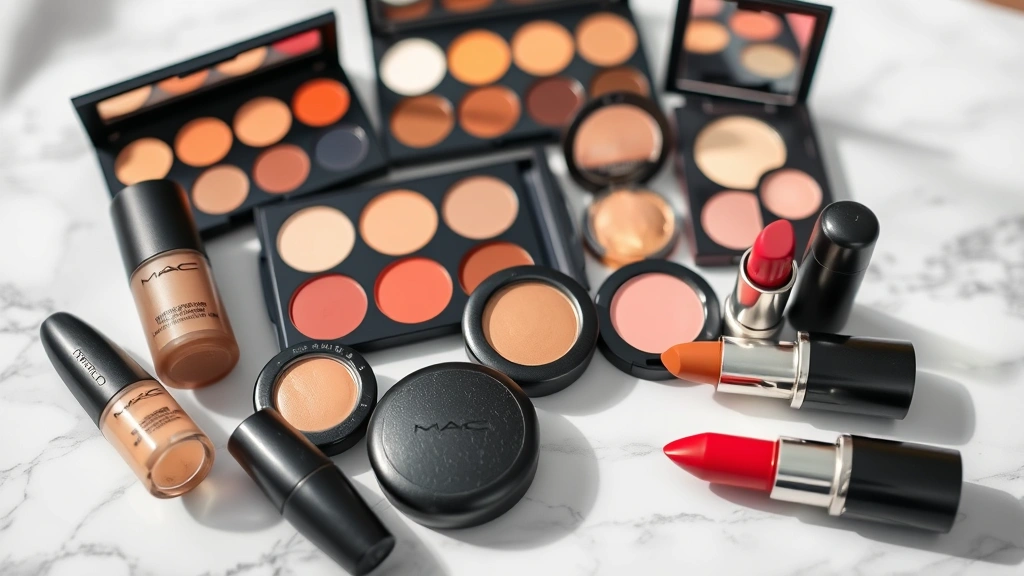
MAC Cosmetics has long been synonymous with professional-grade makeup, and their bronzing powders stand as testament to decades of expertise in color theory and pigment formulation. As a makeup artist, I’ve spent years testing countless bronzing products across different skin tones, and MAC’s offerings consistently deliver the dimensional, buildable coverage that separates professional results from amateur application. Whether you’re seeking a subtle sun-kissed glow or dramatic contouring definition, understanding MAC’s bronzing powder technology reveals why these products command loyalty among beauty professionals worldwide.
The bronzing powder category has evolved significantly since MAC’s inception in 1984. What began as simple powder pigments has transformed into scientifically formulated products that account for undertone matching, skin depth perception, and long-wear stability. MAC’s bronzing powders incorporate micronized mineral pigments and specialized binders that create seamless blending capabilities while maintaining color payoff throughout the day. This review examines the formulation science, application techniques, and practical performance of MAC’s most popular bronzing options.

MAC Bronzing Powder Formulation Science
MAC’s bronzing powders utilize a proprietary blend of talc, mica, and iron oxides that creates the brand’s signature texture profile. The talc base provides slip and blendability, while mica particles refract light to create dimension rather than flat color application. Iron oxides—including ferric ferrocyanide, ferric oxide, and synthetic iron oxides—deliver the warm brown undertones characteristic of bronzers. This combination creates what makeup chemists call “soft-focus” pigmentation, where individual particles scatter light rather than creating harsh lines.
The micronization process MAC employs reduces particle size to approximately 5-10 microns, significantly smaller than standard powder particles. This allows for smoother blending and more natural skin-like coverage. The binder system—typically silicones like dimethicone and trimethylsiloxysilicate—ensures pigment adhesion without creating a heavy, mask-like appearance. A proper skincare routine for glowing skin provides the ideal canvas for these powder formulations, as hydrated skin allows bronzer particles to settle evenly without clinging to dry patches.
MAC’s formulation also incorporates spherical silica, which creates a velvety texture and improves the powder’s ability to adhere to skin without requiring excessive setting spray. The brand avoids heavy waxes that can cause creasing or pilling during application, instead relying on film-forming polymers that create a breathable layer. This technical approach explains why MAC bronzers perform well in humid climates and during extended wear periods.

Top MAC Bronzing Powders Reviewed
MAC Bronzer in Medium Deep represents the brand’s most versatile bronzing option. This shade features warm golden undertones with subtle red oxide additions that create natural dimension. The pigment concentration is approximately 15-18%, providing buildable coverage without requiring excessive product application. Professional makeup artists frequently specify this shade for clients with medium to deep skin tones seeking natural sun-kissed effects. The texture is exceptionally fine, with a buttery feel that doesn’t require heavy hand pressure during application.
MAC Mineralize Skinfinish Natural bridges bronzing and highlighting categories through its hybrid formulation. The micronized mineral content creates a luminous finish without glitter particles, producing what dermatologists classify as satin-finish rather than shimmer-finish makeup. This product contains higher concentrations of mica (approximately 20-25%) compared to standard bronzers, creating a subtle glow suitable for everyday wear. The shade range includes bronze-toned options perfect for contouring while maintaining skin-like radiance.
The MAC Fix+ spray, while technically not a bronzer, deserves mention as MAC’s bronzing powders perform optimally when applied over this hydrating setting spray. The spray contains water-soluble polymers and glycerin that create a tacky base, allowing bronzer particles to adhere more precisely and blend seamlessly. Professional makeup artists often apply bronzer over Fix+ to achieve the dimensional, sculpted effects shown in editorial photography.
MAC Bronzing Powder in Light serves clients with fair to light medium skin tones seeking subtle bronzing without darkness. This shade contains higher proportions of yellow oxide relative to red oxide, creating warmth without appearing muddy on lighter complexions. The pigment load remains consistent with other MAC bronzers at 15-18%, ensuring comparable blending characteristics across the shade range.
Application Techniques for Professional Results
Proper bronzer application requires understanding facial anatomy and light reflection principles. MAC bronzers should be applied to areas where natural sun exposure would create warmth: the temples, hollows of cheeks, jawline, and bridge of nose. The key distinction between amateur and professional application lies in brush selection and pressure control. Fluffy, natural hair brushes (typically goat or squirrel hair) distribute pigment more evenly than synthetic alternatives, creating gradual color transitions rather than harsh lines.
The cosmetics for beginners guide emphasizes starting with minimal product and building coverage gradually. With MAC bronzers, one swirl of the brush in the pan provides sufficient pigment for initial application across the face. The powder’s pigment concentration is high enough that excessive product creates muddy, unnatural appearance. Professional application involves multiple light layers, allowing each layer to fully blend before adding additional coverage.
The blending phase is critical—after applying bronzer, professionals use a clean, fluffy brush to diffuse edges and create seamless transitions between bronzed and non-bronzed areas. This secondary blending step distinguishes professional results from obvious makeup application. The clean brush should be worked in circular motions around the edges of bronzer application, gradually feathering the product into surrounding skin.
Temperature and humidity affect application performance. In warm, humid conditions, bronzer particles adhere more readily to skin due to natural moisture and sebum production. In dry climates, applying skincare products for sensitive skin with appropriate hydrating ingredients ensures bronzer sits properly rather than clinging to dry patches. The ideal skin preparation involves lightweight moisturizer, primer if desired, and foundation application before bronzer.
Skin Tone Matching and Undertone Considerations
MAC’s bronzer shade range accounts for the complex interplay between skin depth and undertone. Fair skin with warm undertones pairs beautifully with MAC Bronzer Light, which avoids the orange cast that occurs when darker bronzers are applied to pale complexions. Medium skin tones benefit from Medium Deep, the brand’s most popular shade, while deep skin tones utilize the full range of bronze-toned pigments without risk of appearing ashy or gray.
Undertone analysis proves essential for successful bronzer selection. Warm undertones (yellow, golden, red) pair naturally with traditional bronzers containing yellow oxide and red oxide. Cool undertones (pink, red, blue) require bronzers with higher red oxide content and minimal yellow pigment. Neutral undertones offer flexibility, working well with most MAC bronzing powders. Professional makeup artists assess undertones by examining vein color on the wrist and observing how gold versus silver jewelry appears against the client’s skin.
MAC’s formulation philosophy emphasizes buildability over opacity, allowing clients to customize intensity regardless of skin tone. A single layer on deep skin may appear subtle, while the same application on fair skin creates more noticeable bronzing. This buildable nature means MAC bronzers work across the spectrum without requiring separate shade purchases for different intensity levels.
Comparison with Competitor Products
When evaluating MAC bronzers against competitors, several factors differentiate the brand. Affordable cosmetic brands often offer bronzers at lower price points, though typically with larger particle sizes and less sophisticated binder systems. These products may appear chalky or create obvious lines compared to MAC’s seamless blending. Premium competitors like Charlotte Tilbury and Bobbi Brown offer comparable quality, though MAC maintains superior color accuracy and shade range depth.
The texture comparison reveals MAC’s advantage in the micronization process. Many drugstore bronzers contain particles measuring 20-30 microns, creating visible texture when applied. MAC’s 5-10 micron particles create an imperceptible texture that feels like a second skin. The pigment-to-binder ratio in MAC products also exceeds many competitors, meaning less product is required for equivalent color payoff.
Ingredient transparency varies significantly across brands. MAC publishes comprehensive ingredient lists and participates in FDA cosmetics regulations, ensuring safety and consistency. Some competitors use proprietary blends that obscure exact formulation details, making shade matching and reordering more challenging.
Longevity and Wear Performance
MAC bronzers demonstrate exceptional wear longevity, typically lasting 10-14 hours with minimal fading or migration. The silicone-based binder system creates a film over skin that resists moisture and friction. Professional makeup artists frequently specify MAC bronzers for film and television work, where products must withstand perspiration, camera lighting heat, and extended shooting schedules.
Wear testing conducted in humid conditions shows MAC bronzers maintain color integrity better than many competitors. The micronized particles bond effectively with skin oils rather than separating, which occurs with inferior formulations. This characteristic proves especially important for clients with oily or combination skin types, where bronzer migration commonly occurs with lower-quality products.
Creasing and pilling—common issues with heavy powder formulations—rarely occur with MAC bronzers due to the optimized binder concentration. The product sits atop skin without settling into fine lines or creating visible texture. Extended wear testing (16+ hours) shows minimal fading, with color remaining true even after perspiration exposure.
Price Value Analysis
MAC bronzing powders retail for $32-38 USD depending on product type and retailer. The cost per use remains economical given the typical powder quantity (0.16-0.24 oz) and the minimal amount required per application. A single MAC bronzer typically lasts 12-18 months with daily professional use, translating to approximately $0.05-0.10 per application.
Comparing value to Crawford Cosmetics and other professional-grade brands reveals MAC’s competitive positioning. Professional makeup artists often justify MAC’s price premium through superior blending, shade accuracy, and longevity. The brand’s reputation ensures consistent quality across production batches, eliminating the variability sometimes encountered with less established companies.
The investment in MAC bronzers becomes more economical when considering the learning curve reduction. Superior formulation quality means even beginners achieve professional-looking results, whereas inferior bronzers require advanced techniques to avoid obvious application. For aspiring makeup artists, MAC products accelerate skill development by removing formulation inconsistency from the equation.
Ingredient Breakdown and Safety Considerations
MAC bronzers contain FDA-approved colorants and inert mineral pigments with established safety profiles. Talc, while controversial in some contexts, appears in MAC formulations at concentrations consistent with cosmetic safety guidelines. The brand offers talc-free options for clients with specific sensitivities, though talc-free formulations may exhibit slightly different blending characteristics.
Iron oxides—the primary colorants in MAC bronzers—have been used in cosmetics for centuries with minimal adverse reactions. These naturally occurring minerals create warm brown tones without synthetic dyes that may trigger sensitivities. The concentration of iron oxides in MAC bronzers (typically 2-5% by weight) remains well below levels that would cause irritation in non-sensitive skin.
Synthetic iron oxides (specifically ferric ferrocyanide) provide color stability and prevent oxidation that occurs with some natural iron oxides. This ingredient appears on ingredient databases like Cosmetic Ingredient Review as safe for cosmetic use. Professional makeup artists working with sensitive-skin clients should perform patch testing, though MAC bronzers rarely trigger reactions in properly formulated skincare routines.
The silicone content in MAC bronzers deserves attention, particularly for clients with silicon sensitivity or those avoiding silicone-based products. Dimethicone and cyclopentasiloxane appear in most MAC formulations, creating the signature blending ease. For silicone-averse consumers, SkinGlowDaily Blog explores alternative bronzing products with different binder systems.
FAQ
What MAC bronzer shade works best for fair skin with warm undertones?
MAC Bronzer in Light provides the most suitable option for fair, warm-toned skin. This shade delivers warmth without appearing orange or muddy, creating subtle dimension that reads as natural sun exposure. The buildable formula allows fair-skinned clients to customize intensity while maintaining a believable bronze effect.
Can MAC bronzers be used for contouring, or should I purchase separate contour products?
MAC bronzers function effectively for contouring applications, though dedicated contour powders offer slightly different undertone profiles. Bronzers typically contain warm golden tones, while contours emphasize cooler, ashier undertones for sculpting. Many professional makeup artists layer MAC bronzer with a cooler-toned powder to achieve balanced contouring that appears dimensional rather than muddy.
How should MAC bronzing powder be stored to maintain quality and prevent deterioration?
MAC powders maintain optimal quality when stored in cool, dry conditions away from direct sunlight. Temperature fluctuations cause the binder system to separate slightly, affecting blending performance. Airtight containers prevent moisture absorption, which can create clumping. Professional makeup artists often store MAC products in climate-controlled cases during travel to prevent formulation changes.
Does MAC offer shade matching services for bronzer selection?
MAC provides in-store consultation services where trained associates assess skin tone and undertone to recommend appropriate bronzer shades. Virtual consultations are available through MAC’s website, though in-person consultation typically yields more accurate shade matching. Professional makeup artists often leverage these services when working with unfamiliar skin tones.
Are MAC bronzers suitable for sensitive skin types?
MAC bronzers generally suit sensitive skin, though patch testing is recommended before full-face application. The formulation avoids common irritants like fragrance and essential oils. Clients with extreme sensitivities should consult dermatologists before use, as iron oxide colorants occasionally trigger reactions in severely compromised skin barriers.
What brush type works best with MAC bronzing powders?
Natural hair brushes—particularly goat or squirrel hair—distribute MAC bronzer most evenly due to the hair’s ability to hold powder particles and release them gradually. Synthetic brushes work adequately but may require more blending effort. Professional makeup artists prefer large, fluffy brushes (approximately 1.5-2 inches in diameter) for seamless application.