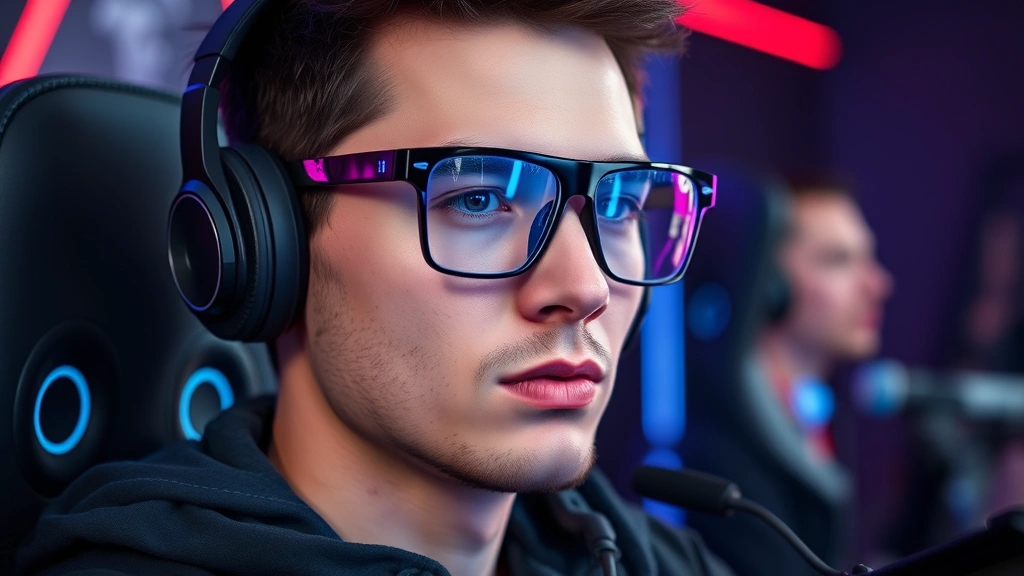
Top Skincare Tips for Gamers: Expert Advice for Extended Screen Time
Gaming marathons can wreak havoc on your skin. Whether you’re grinding through competitive matches, exploring open worlds, or streaming for hours, your complexion pays the price. Extended screen exposure, poor posture, neglected hydration, and irregular sleep schedules create a perfect storm for acne, dryness, sensitivity, and premature aging. Gamers face unique skincare challenges that require targeted solutions beyond standard routines.
The blue light emitted from monitors and phones penetrates the epidermis, generating reactive oxygen species that accelerate collagen breakdown and elastin degradation. Combined with the heat radiating from gaming rigs and the dehydrating effects of air conditioning in gaming rooms, your skin barrier becomes compromised. Add in the tendency to touch your face while gaming—transferring bacteria from controllers and keyboards—and you’ve created an environment where breakouts thrive. Professional gamers and streamers have started prioritizing skincare as seriously as their gaming performance, recognizing that clear, healthy skin boosts confidence and on-camera presence.
This comprehensive guide addresses the specific skincare concerns gamers face, providing evidence-based strategies to maintain a healthy complexion despite demanding gaming schedules. From preventative measures to targeted treatments, you’ll discover how to keep your skin glowing while dominating your favorite games.
Understanding Gamer Skin: The Science Behind Screen Damage
Gamer skin is a legitimate dermatological concern that combines multiple stressors affecting skin health. The primary culprit is high-energy visible light (HEV), commonly called blue light, emitted from LED screens. Unlike UV radiation that causes immediate sunburn, blue light operates insidiously, penetrating deeper into the dermis where it generates oxidative stress. Research published in the Journal of Cosmetic Dermatology demonstrates that blue light exposure increases melanin production, contributing to hyperpigmentation, age spots, and uneven skin tone—conditions previously associated primarily with sun exposure.
Beyond light exposure, gamers typically experience thermal stress from gaming equipment. High-performance gaming rigs generate substantial heat, elevating skin temperature and increasing sebum production. This excess oil doesn’t just sit on the surface; it oxidizes when exposed to environmental pollutants and bacteria, creating inflammatory acne lesions. The combination of heat and humidity in gaming setups creates ideal conditions for Cutibacterium acnes (formerly Propionibacterium acnes) proliferation.
Postural issues compound these problems. Gamers often lean forward toward screens, creating tension in the neck and jawline area where acne frequently develops. This forward head posture also restricts blood flow to facial tissues, reducing oxygen delivery and nutrient absorption. Poor circulation means slower skin cell turnover and diminished natural detoxification processes.
Sleep deprivation, a common gamer habit, further compromises skin health. During sleep, your body increases blood flow to the skin and rebuilds collagen. When gamers sacrifice sleep for gaming sessions, they miss this critical recovery window. Cortisol levels remain elevated, triggering inflammation and suppressing immune function—making the skin more susceptible to infections and breakouts.
Blue Light Protection and Prevention
Protecting your skin from blue light requires a multi-layered approach combining physical barriers, topical antioxidants, and smart habits. Blue light-blocking glasses represent the first defense line. These specialized lenses contain coatings that reflect or absorb blue wavelengths before they reach your eyes and skin. Studies indicate that consistent use reduces eye strain by 50-65% and decreases associated skin stress responses.
For topical protection, incorporate antioxidant serums into your morning routine. Ingredients like vitamin C (L-ascorbic acid), ferulic acid, and vitamin E neutralize free radicals generated by blue light exposure. A stabilized vitamin C serum applied before sunscreen creates a protective shield against oxidative damage. Look for products with concentrations of 10-20% L-ascorbic acid, though tetrahexyldecyl ascorbate and ascorbyl palmitate offer more stable alternatives if you have sensitive skin.
Niacinamide (vitamin B3) deserves special mention for gamers. This multitasking ingredient strengthens the skin barrier, reduces sebum production, minimizes pore appearance, and provides antioxidant protection. A 4-5% niacinamide serum or moisturizer addresses multiple gamer skin concerns simultaneously. It’s compatible with most other skincare ingredients, making it an excellent addition to any routine.
Don’t overlook sunscreen even when gaming indoors. Broad-spectrum SPF 30 or higher blocks both UVA/UVB radiation and provides additional blue light defense. Apply sunscreen 15 minutes before gaming sessions and reapply every two hours if you’re taking breaks. Mineral sunscreens containing zinc oxide or titanium dioxide offer superior blue light protection compared to chemical formulations.
Implement the 20-20-20 rule: every 20 minutes, look at something 20 feet away for 20 seconds. This reduces eye strain, decreases blue light cumulative exposure, and gives your skin a brief recovery period. Taking these micro-breaks also prevents the forward head posture that contributes to jawline acne.
Hydration Strategies for Long Gaming Sessions
Gamers notoriously neglect hydration, both internally and externally. The heat from gaming equipment, combined with air conditioning, creates a severely dehydrating microclimate. Your skin loses moisture rapidly, becoming tight, flaky, and more prone to sensitivity and irritation. Dehydrated skin also produces excess oil as a compensatory mechanism, leading to combination skin issues.
Internal hydration starts with conscious water consumption. Aim for at least 8-10 glasses of water daily, increasing intake during gaming sessions. Set phone reminders or use water bottles with time markers to track consumption. Electrolyte beverages (without excessive sugar) support hydration better than plain water alone, especially during extended gaming marathons. Avoid excessive caffeine and energy drinks, which have diuretic properties that increase fluid loss.
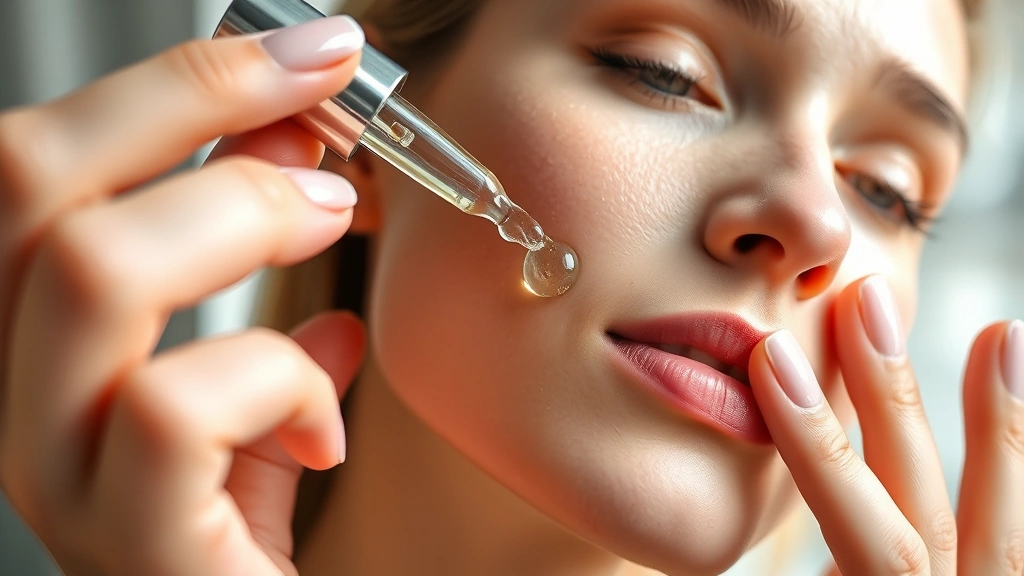
For topical hydration, layer products strategically using the hydrating toner method. After cleansing, apply a hydrating toner containing glycerin, hyaluronic acid, or panthenol. Follow immediately with a hydrating serum while skin is still damp—this allows humectants to draw moisture into the epidermis. Hyaluronic acid, despite its name, isn’t oily; it’s a humectant that can hold up to 1000 times its weight in water. A 1-2% hyaluronic acid serum applied to damp skin provides substantial hydration benefits.
Moisturizers create an occlusive barrier preventing transepidermal water loss (TEWL). Choose moisturizers with ceramides and cholesterol—lipids that repair and maintain the skin barrier. The ideal ratio mimics your skin’s natural composition: 3:1:1 ceramides to cholesterol to free fatty acids. Products containing cetyl alcohol, stearyl alcohol, and dimethicone provide excellent occlusion without feeling greasy.
Consider incorporating facial oils as the final step in your nighttime routine. Plant-derived oils like jojoba, rosehip, and squalane provide emollient benefits and reduce moisture loss by 20-30%. Despite common misconceptions, facial oils don’t cause acne in most skin types; improperly formulated products or poor application techniques do. Apply oils to damp skin, then seal with a lightweight moisturizer for optimal absorption.
Sheet masks offer intensive hydration during gaming breaks. Essence-saturated masks deliver concentrated hydrating ingredients directly to skin. Use them 2-3 times weekly for 15-20 minutes while playing casual games or during loading screens. This transforms idle time into skincare time, improving consistency.
Acne Management and Controller Hygiene
Gaming controllers are bacterial breeding grounds. Studies by microbiologists reveal that gaming controllers harbor more bacteria than toilet seats—a sobering reality considering gamers frequently touch their faces while playing. This direct transfer of Staphylococcus aureus, Cutibacterium acnes, and other pathogenic bacteria triggers inflammatory acne, particularly along the jawline, chin, and cheeks where controllers contact skin.
Controller hygiene is non-negotiable for gamer skincare. Wipe controllers with antibacterial wipes daily and perform deep cleaning weekly using isopropyl alcohol and microfiber cloths. Wash your hands before gaming sessions and avoid touching your face during gameplay. This single habit prevents numerous breakouts.
For active acne management, salicylic acid remains the gold standard for gamers. This beta-hydroxy acid (BHA) penetrates sebum-rich pores, dissolving comedones and reducing bacterial colonization. Use a 0.5-2% salicylic acid cleanser or toner daily. Start with lower concentrations to assess tolerance, gradually increasing as your skin adapts. Salicylic acid works best on oily and combination skin types.
Benzoyl peroxide provides antimicrobial benefits, directly killing acne-causing bacteria. A 2.5% concentration proves effective with minimal irritation—higher concentrations don’t provide proportionally better results but increase side effects. Apply benzoyl peroxide as a targeted treatment on active breakouts or as a spot treatment at night. Alternate with salicylic acid to prevent resistance and irritation.
For more severe acne, azelaic acid (10-20%) addresses both bacterial and inflammatory components while reducing hyperpigmentation from previous breakouts. It’s gentler than benzoyl peroxide but equally effective for many skin types, including sensitive and rosacea-prone skin.
The stress and sleep deprivation associated with gaming intensify acne by elevating cortisol and suppressing immune function. Prioritize 7-9 hours of sleep, even if it means reducing gaming hours. Your skin—and gaming performance—will improve with adequate rest.
The Gaming Setup Skincare Connection
Your physical gaming environment directly impacts skin health. Most gaming setups feature poor ergonomics, excessive heat generation, and inadequate air quality—all skin-damaging factors.
Monitor distance and angle influence both eye strain and posture. Position monitors 20-26 inches from your eyes, with the top of the screen at or slightly below eye level. This prevents the forward head posture that restricts blood flow to facial tissues and creates tension-related acne along the jawline. Proper positioning also reduces eye strain, decreasing the urge to rub eyes and introduce bacteria to the delicate eye area.
Ambient temperature control matters more than gamers realize. Excessive heat increases sebum production and accelerates bacterial growth. Maintain room temperature between 65-72°F (18-22°C). Use fans to improve air circulation without creating direct drafts that dry skin excessively. If your gaming rig generates substantial heat, position it away from your face or use external cooling solutions.
Humidity levels should ideally remain between 40-60%. Gaming rooms often feature low humidity due to air conditioning and electronic equipment. Use a humidifier during gaming sessions to prevent excessive transepidermal water loss. Conversely, avoid humidity above 60%, which creates environments where acne-causing bacteria and fungi proliferate.
Upgrade to blue light-filtering monitor screens or apply blue light-reducing screen protectors. These physical barriers block 30-50% of blue light wavelengths before they reach your skin. While not a complete solution, they provide meaningful protection during extended gaming sessions.
Keep your gaming space clean. Dust, pet dander, and environmental pollutants accumulate on monitors, keyboards, and controllers, transferring to your skin during gameplay. Weekly deep cleaning of gaming equipment prevents bacterial buildup and reduces acne triggers.
Essential Skincare Routine for Gamers
A streamlined, effective routine prevents common gamer skin issues without consuming time better spent gaming.
Morning Routine (5-7 minutes):
- Cleanse: Use a gentle, pH-balanced cleanser. Avoid harsh foaming cleansers that strip the skin barrier. Cetaphil, CeraVe, or similar gentle formulations work well. Cleanse for 60 seconds with lukewarm water.
- Tone: Apply a hydrating toner or essence containing glycerin or hyaluronic acid while skin is damp.
- Serum: Layer an antioxidant serum (vitamin C) or niacinamide serum. Wait 1-2 minutes for absorption.
- Moisturizer: Apply a lightweight moisturizer appropriate for your skin type.
- Sunscreen: Apply broad-spectrum SPF 30+ sunscreen 15 minutes before gaming. Reapply every two hours if taking breaks.
Evening Routine (7-10 minutes):
- Cleanse: Double cleanse if wearing sunscreen or makeup. Start with an oil-based cleanser or micellar water, follow with a gentle water-based cleanser.
- Exfoliate (3x weekly): Use chemical exfoliants (AHA/BHA) instead of physical scrubs. Salicylic acid 0.5-2% or glycolic acid 5-10% improve cell turnover without irritating sensitive skin.
- Treat: Apply targeted treatments—benzoyl peroxide for acne, azelaic acid for sensitivity, retinoids for anti-aging.
- Hydrate: Apply hydrating serum to damp skin, followed by moisturizer.
- Seal: Finish with a facial oil or heavier occlusive moisturizer for overnight barrier repair.
Weekly Additions:
- Sheet masks: 2-3 times weekly for intensive hydration during casual gaming sessions
- Gentle exfoliating treatments: 1-2 times weekly using enzyme masks or gentle scrubs
- Facial massage: Incorporate facial massage techniques to improve circulation and reduce tension, especially around the jawline
Ingredient Spotlight: What Actually Works
Understanding which ingredients deliver results prevents wasting money on ineffective products.
Retinoids (Vitamin A Derivatives): Prescription retinoids (tretinoin, adapalene) and over-the-counter retinol represent the gold standard for anti-aging and acne prevention. They increase cell turnover, stimulate collagen production, and normalize sebum production. Start with the lowest concentration (0.025% tretinoin or 0.1% adapalene) and use 2-3 times weekly, gradually increasing frequency. Retinoids require diligent sunscreen use—blue light protection becomes even more critical when using these photosensitizing ingredients.
Hyaluronic Acid: This humectant holds moisture in the skin, plumping fine lines and improving hydration. Use 1-2% concentrations in serums applied to damp skin. Layer under moisturizers for optimal absorption. It’s compatible with all skin types and ingredients.
Niacinamide: Concentrations of 4-5% reduce sebum production, minimize pores, strengthen the barrier, and provide antioxidant protection. It’s particularly valuable for gamers dealing with oily, acne-prone skin.
Ceramides and Cholesterol: These lipids repair the skin barrier and reduce transepidermal water loss. Look for products with the optimal 3:1:1 ratio of ceramides to cholesterol to free fatty acids. CeraVe and brands prioritizing barrier health incorporate these effectively.
Peptides: These amino acid chains signal skin cells to increase collagen and elastin production. Products containing dipeptides or tripeptides improve skin firmness and elasticity, particularly beneficial for gamers experiencing premature aging from blue light exposure.
Glycerin: A humectant and emollient, glycerin draws moisture into skin while creating a protective barrier. Concentrations of 3-5% provide visible hydration benefits without greasiness.
For applying these ingredients effectively, use appropriate tools like cosmetic sponges to ensure even distribution and optimal absorption without introducing bacteria.

Green Tea Extract: Rich in EGCG antioxidants, green tea provides anti-inflammatory and antimicrobial benefits. It reduces sebum production, making it ideal for oily and acne-prone gamer skin. Concentrations of 2-5% prove effective in serums and moisturizers.
Vitamin C (L-Ascorbic Acid): This potent antioxidant neutralizes free radicals generated by blue light and environmental stressors. Use 10-20% concentrations in stabilized formulations. L-ascorbic acid requires acidic pH (2.5-3.5) for stability and efficacy. Store in opaque, airtight containers away from light and heat.
Ferulic Acid: Synergizes with vitamin C and vitamin E, enhancing antioxidant efficacy by 8x. This combination (often called the C+E+Ferulic formula) provides superior protection against oxidative damage from blue light exposure.
Azelaic Acid: Particularly beneficial for acne-prone, rosacea-prone, and hyperpigmented skin. It inhibits bacterial growth, reduces inflammation, and improves skin tone. Concentrations of 10-20% prove effective with minimal irritation compared to benzoyl peroxide.
Salicylic Acid: This beta-hydroxy acid penetrates sebum-rich pores, dissolving comedones and reducing bacterial colonization. Use 0.5-2% concentrations daily in cleansers or toners. It’s particularly effective for oily and combination skin types common among gamers.
FAQ
Can blue light from gaming monitors actually damage skin?
Yes, scientific research confirms that high-energy visible light (HEV/blue light) penetrates the dermis, generating reactive oxygen species that accelerate collagen breakdown and increase melanin production. This contributes to premature aging, hyperpigmentation, and uneven skin tone. While not as immediately damaging as UV radiation, chronic blue light exposure causes cumulative skin damage.
What’s the best acne treatment for gamers specifically?
A combination approach works best: maintain impeccable controller and hand hygiene, use salicylic acid or benzoyl peroxide as targeted treatments, incorporate niacinamide to reduce sebum production, and prioritize sleep. For many gamers, addressing hygiene habits and environmental factors proves as important as topical treatments. Consult a dermatologist for persistent acne requiring prescription-strength treatments.
How often should gamers change their skincare routine?
Seasonal adjustments every 3 months help address changing humidity, temperature, and sun exposure. However, core products addressing gamer-specific concerns (blue light protection, acne management, hydration) should remain consistent. Major changes should occur gradually—introduce new products one at a time, spacing introductions by 1-2 weeks to identify any reactions.
Is gaming at night worse for skin than daytime gaming?
Night gaming disrupts sleep patterns, which significantly impacts skin health. During sleep, your body increases blood flow to skin and rebuilds collagen. Sleep deprivation elevates cortisol, triggering inflammation and suppressing immune function—making skin more susceptible to breakouts and accelerating aging. While blue light exposure occurs regardless of time, the sleep disruption caused by late-night gaming makes evening sessions particularly damaging.
Can proper skincare organization in personalized cosmetic bags actually improve routine consistency?
Absolutely. Visual organization and easy access increase the likelihood of following skincare routines consistently. Keeping products together in designated bags or containers reduces friction, making it easier to complete your routine during busy gaming schedules. Organization also prevents product duplication and helps track when items need replenishment.
What external resources can provide additional skincare guidance?
Consult the American Academy of Dermatology for evidence-based skincare information. The International Society of Aesthetic Surgeons provides professional insights into cosmetic dermatology. The Society of Cosmetic Chemists explains ingredient science and formulation strategies. Paula’s Choice Research offers peer-reviewed skincare information. The journal Journal of Cosmetic Dermatology publishes cutting-edge research on blue light effects and gaming-related skin concerns.