Table of Contents
Introduction
Let’s be real—being a teenager is tough enough without your skin deciding to join the chaos. One day you wake up with a face full of breakouts, the next your skin feels like sandpaper. Sound familiar? Here’s the thing: your skin isn’t trying to ruin your life (even though it might feel that way). It’s just going through some major changes, and with the right approach, you can actually work with it instead of against it.
Your skin during these years is basically on a hormonal rollercoaster. Those fluctuating hormones are cranking up oil production like there’s no tomorrow, which explains why you might be dealing with acne, blackheads, or that lovely combination of oily T-zone and dry patches everywhere else. The good news? Once you understand what’s happening, you can create a routine that actually makes sense for your skin. This is especially important if you’re dealing with sensitivity—choosing the right skincare products for sensitive skin can be the difference between clear skin and a red, irritated mess. And parents, if you’re reading this wondering how to help your teen navigate this confusing time, there are some great tips for parents of teenagers that go beyond just skincare.
Here’s what I’ve learned after years of helping teens with their skin: it’s not just about the products you use. Sure, having a solid routine matters (and we’ll get into all of that), but your confidence matters even more. When your skin is acting up, it can feel like everyone’s staring at that one giant pimple on your forehead. Trust me, they’re not—but I get why it feels that way. Learning to manage your skin with ingredients like niacinamide—which is basically a superhero for oily, irritated skin—gives you back some control. We’ll talk about incorporating niacinamide into your routine, plus gentle options like natural ingredients like aloe vera that won’t leave your skin feeling stripped and angry.
But wait—there’s more to this story than just what you put on your face. Your skin is basically a mirror reflecting what’s happening inside your body. Stressed about that math test? Your skin knows. Living on energy drinks and chips? Yep, your face is keeping track of that too. The connection between what you eat, how you handle stress, and how your skin looks is stronger than you might think. That’s why learning about maintaining a balanced diet and picking up some effective stress management techniques isn’t just good for your overall health—it’s like giving your skin a helping hand from the inside out.
What You’ll Learn in This Guide
We’re going to walk through this together, step by step. No overwhelming 12-step routines or products that cost more than your allowance—just practical, doable advice that actually works for real teenagers with real lives.
- Understanding Teenage Skin Changes: Why your skin decided to go rogue during puberty and what you can actually do about it (spoiler: a lot more than you think).
- Step-by-Step Skincare Routine: Morning and evening routines that won’t take forever but will make a real difference—no 47-step Korean skincare routines required.
- Tips for Healthy Habits: The lifestyle stuff that matters more than you’d expect, plus product recommendations that won’t break the bank or break out your skin.
- When to Seek Professional Help: How to know when it’s time to tag in a dermatologist because sometimes you need backup, and that’s totally okay.
Throughout this guide, we’ll cover everything from dealing with specific conditions (like finding the best skincare products for eczema) to more advanced topics like routines incorporating retinol and hyaluronic acid for those ready to level up their skincare game. We’ll also tackle the common mistakes that can actually make your skin worse (because nobody warns you about those).
The truth is, building a skincare routine that works isn’t about perfection—it’s about consistency and being kind to your skin. Start where you are, use what you can afford, and remember that good skin takes time. You’re not going to wake up tomorrow with Instagram-filter skin, but you can absolutely start seeing improvements within a few weeks if you stick with it.
Whether you’re a teen who’s tired of playing skincare roulette or a parent trying to help your teenager feel more confident in their own skin, you’re in the right place. Let’s figure this out together—no judgment, no impossible standards, just real talk about real skincare that actually works.
Let’s be real—teenage skin can feel like it has a mind of its own. One day it’s clear, the next day you’re dealing with breakouts that seem to appear overnight. Sound familiar? You’re definitely not alone. Building a solid skincare routine during these years isn’t just about looking good (though that’s a nice bonus). It’s about setting yourself up for healthy skin that’ll thank you later. Teen skin goes through some pretty intense changes thanks to hormones, oil production that’s working overtime, and all the environmental stuff you deal with daily. The good news? With the right routine designed specifically for teenage skin, you can tackle common issues like acne, oily patches, and those annoying dry spots. We’re going to walk through why your skin needs this attention and give you a step-by-step plan that actually works. Trust me—understanding this stuff now can make a huge difference in how your skin looks and how confident you feel about it.
Why Teenagers Need a Skincare Routine
Here’s what’s happening during your teenage years: your skin is basically going through puberty too. Oil production kicks into high gear, and your skin becomes way more sensitive to things that never bothered you before. This means adult skincare advice? It doesn’t always apply to you. When androgens (those lovely hormones) surge, your oil glands start working overtime, pumping out excess sebum. Left unchecked, this leads to that shiny T-zone and breakouts that seem to have their own schedule. Plus, you’re more likely to develop blackheads, whiteheads, and that uneven texture that can be so frustrating. If you’re dealing with sensitive skin on top of everything else, checking out how to choose skincare products for sensitive skin can be a game-changer. It’ll help you avoid harsh products that make things worse instead of better.
But here’s the thing—this isn’t just about how you look. Taking care of your skin now affects how it’ll age and how you feel about yourself. Starting a routine teaches you to pay attention to your body and develop habits that’ll serve you well into adulthood. It can also prevent some serious issues down the road, like scarring and persistent acne that’s harder to treat later. And if you’re a parent reading this? There are some great essential tips for parents of teenagers that can help you support your teen through this journey without being overbearing about it.
Common Teenage Skin Issues
Let’s talk about what you’re probably dealing with. Recognizing these issues is the first step to creating a routine that actually works:
- Acne and Pimples: The classic teenage skin struggle. When your pores get clogged and inflamed, you get acne—and those hormone fluctuations during puberty make it almost inevitable. The key is understanding what triggers yours and finding treatments that work without being too harsh.
- Oily Skin: That shiny forehead by lunchtime? Yep, that’s excess sebum at work. You need regular cleansing to manage it, but here’s the catch—strip your skin too much and it’ll produce even more oil to compensate.
- Dry Patches: Seems contradictory, right? But some teens get oily and dry areas at the same time. Those dry spots can get irritated and uncomfortable, so gentle, hydrating products are your friends here.
- Blackheads and Whiteheads: These little bumps happen when your pores get clogged. The difference? Blackheads are open to the air (which is why they look dark), while whiteheads are closed. Good cleansing habits can prevent a lot of them.
Catching these early and addressing them properly can save you from more complicated treatments later. Now that we’ve covered the “why,” let’s get into the “how.”
Step-by-Step Skincare Routine for Teenagers
Ready for some good news? An effective teenage skincare routine doesn’t have to be complicated. In fact, simpler is usually better when you’re starting out. You want something you’ll actually stick with, but comprehensive enough to cover all your skin’s needs. As your skin changes and you get more comfortable with skincare, you can always build on these basics. For ideas on stepping things up later, there’s a great guide on skincare routines with potent but gentle active ingredients that can grow with you.
The key is having both morning and evening routines. Your morning routine preps your skin for the day ahead, while your evening routine helps it recover and repair while you sleep. And if you’re into DIY skincare (which can be fun and budget-friendly), natural homemade face masks can be a great addition once or twice a week.
Morning Routine
Your morning routine is all about starting fresh and protecting your skin for whatever the day throws at it:
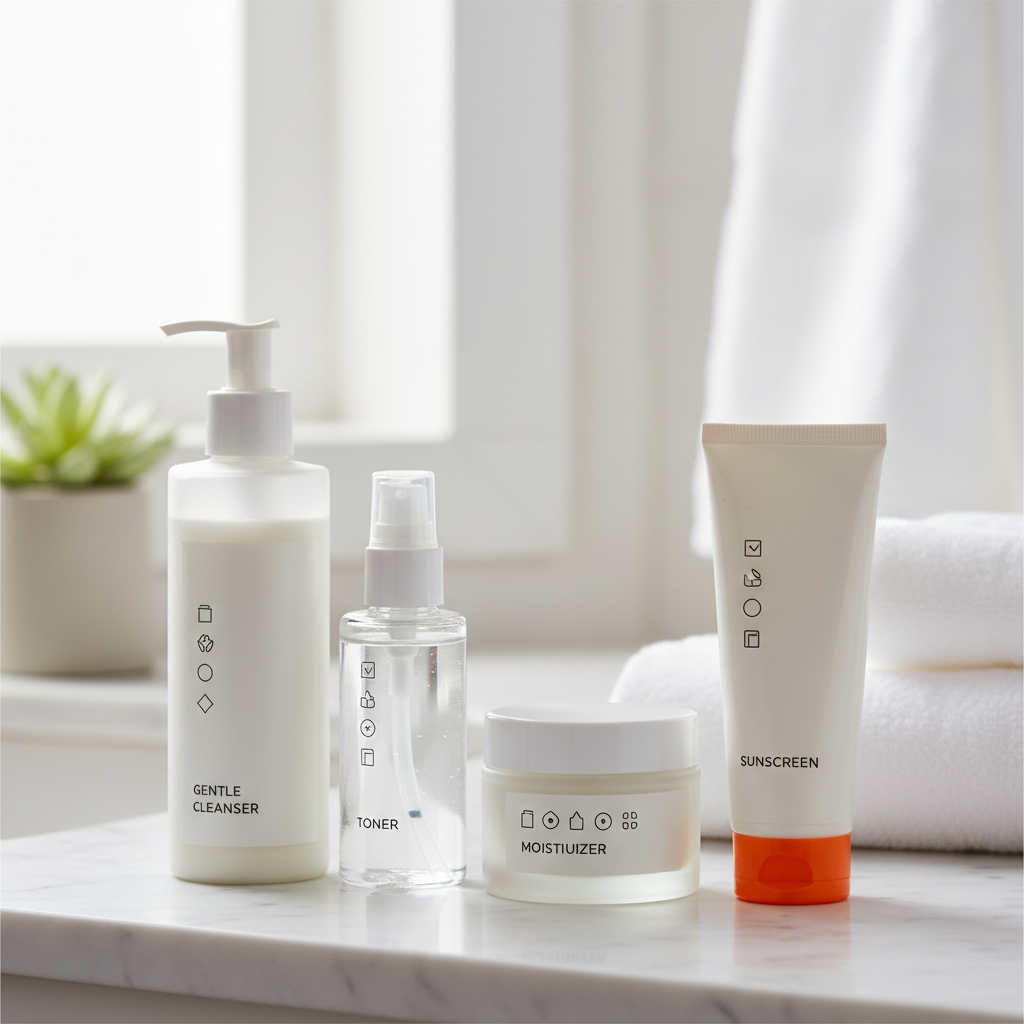
- Cleansing: Start with a gentle cleanser that removes the oil and sweat from overnight without stripping your skin. Think of it as hitting the reset button.
- Toning: A mild toner helps balance your skin’s pH and can soothe any irritation. It also preps your skin to better absorb your moisturizer.
- Moisturizing: Even oily skin needs moisture! Use a lightweight, non-comedogenic moisturizer (that means it won’t clog your pores). Your skin will actually produce less oil when it’s properly hydrated.
- Sun Protection: This is non-negotiable. A broad-spectrum sunscreen with at least SPF 30 protects against UV damage that can cause premature aging and make acne scarring worse.
These four steps create a solid foundation that keeps your skin clean, balanced, and protected. It might seem like a lot at first, but once it becomes habit, you’ll do it without thinking.
Evening Routine
Your evening routine is when the real magic happens—this is repair and recovery time:
- Removing Makeup or Dirt: If you wear makeup or sunscreen (and you should wear sunscreen!), start with a makeup remover or cleansing balm. This step prevents those products from clogging your pores overnight.
- Gentle Cleansing: Follow up with your regular cleanser to get everything clean while keeping your skin’s natural protective barrier intact.
- Applying Treatment Products (if needed): This is where you’d use any acne treatments or serums your skin needs. Start slow with these—your skin needs time to adjust to active ingredients.
- Moisturizing: Your evening moisturizer can be a bit richer than your morning one since you don’t need to worry about makeup going on top. This helps your skin stay hydrated while it repairs itself overnight.
Stick with these routines consistently, and you’ll start seeing improvements in just a few weeks. Remember—good skin is a marathon, not a sprint. But with the right habits, you’re setting yourself up for success both now and in the future.

Let’s be real—teenage skin is going through a lot right now. Hormones are doing their thing, oil production is ramping up, and sensitivity seems to pop up out of nowhere. It’s no wonder acne, oily patches, dry spots, and those stubborn clogged pores can make you feel like your face is working against you. But here’s the thing: understanding what’s happening is half the battle. These aren’t flaws you need to hide from—they’re normal changes that deserve the right kind of care. Building good skincare habits now? That’s your ticket to healthier skin today and way less drama down the road.
Here’s what actually works: keep it simple. Morning routine to wake up your skin and protect it. Evening routine to clean off the day and let your skin repair itself. That’s it. Don’t fall into the trap of thinking more products equals better results—trust me, your skin will rebel if you overwhelm it with too many steps or harsh ingredients. Even if your skin feels oily, it still needs moisture to stay balanced. (I know, counterintuitive, right?) And while you’re taking care of things on the outside, don’t forget the inside stuff matters too. Eating well, drinking enough water, keeping your hands off those tempting pimples, and finding ways to chill out—all of this supports what you’re doing topically.
Sometimes DIY isn’t enough, and that’s totally okay. If you’re dealing with severe acne that won’t quit, constant irritation, weird reactions, or if you’re starting to see scars or cysts—that’s when it’s time to call in the pros. A dermatologist isn’t giving up; it’s being smart. They can spot things you might miss and offer treatments tailored specifically to your skin’s needs. The earlier you get help when you need it, the better your outcomes will be. Remember, building a routine that works takes time. You won’t see changes overnight (though we all wish we could), but stick with good habits and you’ll get there.
Ready to take things up a notch? Consider adding niacinamide into your skincare routine—this ingredient is like a multitasker for oily, breakout-prone skin, helping to balance things out and calm irritation. If you’re a parent trying to support your teen through this journey, check out these tips for parents of teenagers for guidance on how to be helpful without being pushy. For those who prefer gentler, natural options, the benefits of aloe vera gel for the face are worth exploring—it’s incredibly soothing for sensitive skin. And don’t forget that what you eat matters too; maintaining a balanced diet gives your skin the nutrients it needs to function at its best.
You’ve got this. With the right information, a solid routine, and some patience with yourself, you’re setting up your skin for success. Progress might feel slow sometimes, but every day you show up for your skin counts. Stay consistent, be gentle with yourself, and remember—if you need expert help, there’s no shame in asking for it. Your skin is worth the effort, and the confidence that comes with healthy skin? That’s something that’ll stick with you long after the teenage years are behind you.
Frequently Asked Questions
-
What is the best skincare routine for teenagers?
- A simple skincare routine with gentle cleansing, moisturizing, and daily sun protection is best for teenagers’ changing skin.
-
Can teenagers use adult skincare products?
- It is generally recommended to use products formulated for sensitive, youthful skin rather than adult skincare products to avoid irritation.
-
How often should teenagers wash their face?
- Washing the face twice daily—in the morning and at night—is recommended to maintain clean, healthy skin.
-
When should a teenager see a dermatologist?
- A dermatologist should be consulted if acne is severe, persistent, causing scarring, or if there are signs of skin irritation or allergic reactions.