DIY Cosmetic Purse: Expert Seamstress Tips for Creating Your Perfect Cosmetic Purse Pattern
Creating your own cosmetic purse pattern is an exciting way to combine fashion design with practical organization for your skincare and beauty essentials. Whether you’re a seasoned seamstress or picking up a needle for the first time, crafting a personalized cosmetic bag allows you to design storage that perfectly matches your lifestyle, aesthetic preferences, and collection size. This comprehensive guide walks you through everything you need to know about designing and constructing your own cosmetic purse, from selecting materials to mastering advanced techniques that elevate your finished product.
A well-made cosmetic purse serves as more than just storage—it’s a reflection of your personal style and a testament to thoughtful design. When you invest time in creating your own DIY cosmetic purse, you gain complete control over dimensions, compartments, and fabric choices. This means your finished bag will accommodate your specific beauty products, whether you prefer a transparent cosmetic bag for quick product identification or a sophisticated design that keeps everything concealed. Beyond aesthetics, handmade cosmetic purses offer superior durability compared to mass-produced alternatives, especially when constructed with quality materials and proper techniques.
Essential Materials and Tools for Your Cosmetic Purse Pattern
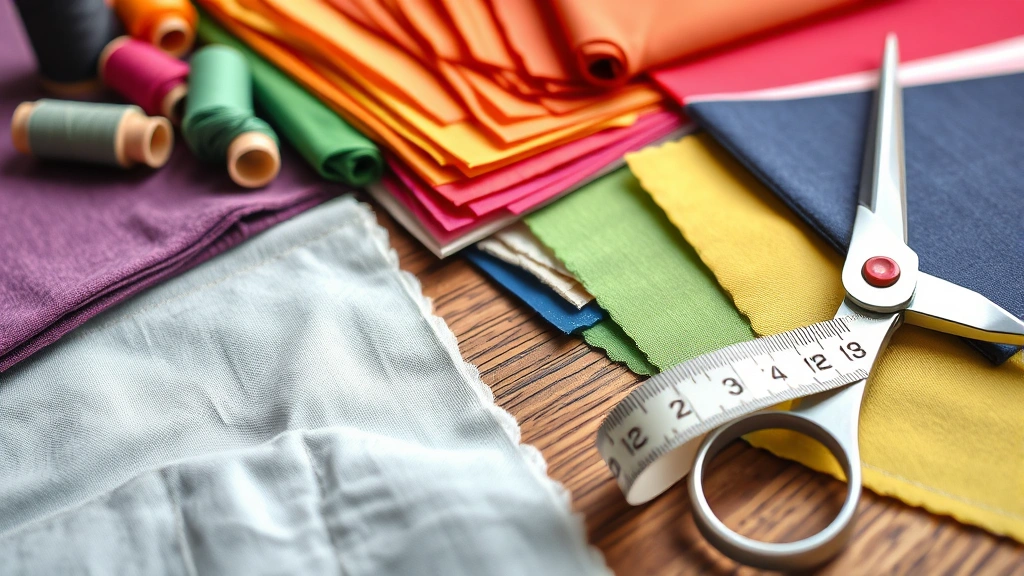
Before diving into your cosmetic purse pattern, assembling the right materials and tools is crucial for success. The foundation of any quality cosmetic bag begins with fabric selection. Cotton canvas, quilted cotton, and linen blends offer excellent durability and structure, making them ideal for the body of your purse. For the interior, consider soft cotton sateen or flannel that will protect delicate skincare products from scratches. Many seamstresses prefer using water-resistant or laminated cotton for the lining, which makes cleaning spills and maintaining hygiene effortless—especially important when storing skincare products with antioxidants that require careful preservation.
Your toolkit should include sharp fabric scissors (never use the same scissors on paper), a rotary cutter with a self-healing mat, a clear quilting ruler, and quality sewing thread that matches your chosen fabrics. Thread selection matters more than most beginners realize—polyester thread offers strength and durability, while cotton thread provides a more authentic appearance for traditional designs. You’ll also need elastic, magnetic snaps or quality zippers depending on your chosen cosmetic purse pattern design. A seam ripper is essential for correcting mistakes without damaging fabric, and a pressing tool like an iron helps achieve crisp, professional-looking seams and finished edges.
Interfacing—a stabilizing fabric layer—transforms your cosmetic purse from floppy and shapeless into structured and functional. Fusible interfacing bonds to your fabric with heat, while sew-in interfacing offers more flexibility. For cosmetic purses, medium-weight fusible interfacing provides the perfect balance between structure and flexibility. Additionally, invest in quality zippers (metal zippers last longer than plastic alternatives), stabilizing tape for reinforcing stress points, and optional embellishments like piping, bias tape, or decorative trims that elevate your finished piece.
Choosing the Right Cosmetic Purse Pattern for Your Needs
Selecting an appropriate cosmetic purse pattern depends on your sewing experience level, intended use, and personal preferences. Beginner patterns typically feature simple rectangular shapes with minimal seams and straightforward construction—think basic pouches with single compartments. These foundation patterns teach essential skills like cutting accurately, sewing straight seams, and inserting zippers. Intermediate patterns introduce complexity through multiple compartments, curved edges, or more sophisticated closures. Advanced patterns might include pleated sides, structured bases, or intricate lining systems that accommodate various product sizes.
Consider your specific storage needs when selecting a pattern. If you’re organizing a complete skincare routine, you might prefer a larger cosmetic purse with multiple compartments that keep serums separate from moisturizers and cleansers. For travel, a compact design with a handle or wristlet attachment proves more practical. If you store lip balms and prevention products, a smaller pouch with designated slots prevents product loss. Some seamstresses create coordinating sets with different-sized pouches for various purposes—a large daily cosmetic purse pattern paired with smaller travel pouches offers maximum versatility.
The luxury cosmetic bag aesthetic has influenced pattern design significantly. Modern patterns often incorporate design elements like metal feet for protection, structured bottoms that allow the bag to stand independently, and professional-grade zippers that glide smoothly. If you admire high-end designs, study their construction methods and adapt them into your chosen pattern—many luxury features are entirely achievable in DIY projects when you understand the underlying techniques.
Step-by-Step Construction Guide
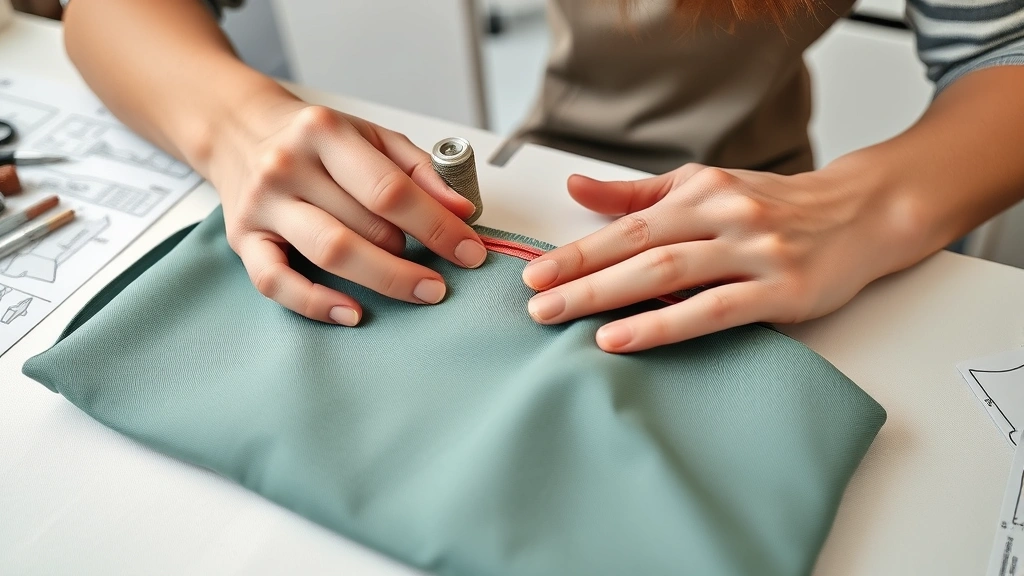
Beginning your cosmetic purse pattern project starts with proper preparation. First, print your pattern pieces and test-fit them by taping them together—this ensures proportions suit your vision before cutting expensive fabric. Prewash your chosen fabrics according to fiber content recommendations, as this prevents future shrinkage that could compromise your finished purse’s structure and fit. Press all fabric thoroughly before cutting to ensure accurate measurements and clean edges.
When cutting fabric pieces for your cosmetic purse pattern, precision matters tremendously. Use a rotary cutter with a ruler for straight, clean edges that sew together seamlessly. Mark grain lines clearly—cutting against the grain compromises structural integrity and causes puckering. Many seamstresses mark seam allowances using tailor’s chalk or fabric pencils, which guides stitching accuracy. Double-check that all pieces are cut correctly before proceeding to the next step, as mistakes multiply throughout construction.
Constructing the exterior begins by assembling pattern pieces according to instructions, typically starting with side seams. Use a quarter-inch seam allowance consistently—this standard measurement ensures pieces fit together properly. Backstitch at the beginning and end of each seam to prevent unraveling. Press seams open or to the side as directed, as this reduces bulk and creates a professional appearance. If your cosmetic purse pattern includes decorative elements like piping or topstitching, add these details now before attaching linings.
Lining construction mirrors the exterior process but requires careful attention to detail. Create the lining as a separate unit, then insert it into the exterior shell with right sides facing. This sandwich-style assembly creates clean, finished edges inside your cosmetic purse. If incorporating pockets or compartments, position them on lining pieces before assembly—this prevents visible stitching and maintains a polished interior appearance. Secure the lining to the exterior using ladder stitch or whip stitch along the opening for an invisible seam that looks professionally finished.
Advanced Techniques for Professional Results
Elevating your DIY cosmetic purse from handmade to professional-quality involves mastering several advanced techniques. Box corners—created by stitching diagonal lines at the bottom corners—transform flat seams into three-dimensional structure that allows your cosmetic purse to expand when filled. This technique requires mathematical precision: measure your desired width and depth, mark the intersection point, then stitch diagonally across it. Trimming excess fabric and finishing raw edges with seam binding creates clean, durable corners that withstand regular use.
Zipper insertion techniques significantly impact both function and appearance. Centered zippers create symmetrical designs, while exposed zippers offer industrial-chic aesthetics. The key to invisible zippers—which disappear into seams—involves special presser feet and careful alignment. Practice on scrap fabric first, as zipper installation challenges most beginners. Properly installed zippers glide smoothly, align evenly with surrounding fabric, and contribute to overall construction quality.
Magnetic snap installation provides convenient closures without visible hardware. These small magnets embed into fabric using special washers that distribute pressure evenly. Reinforcing snap placement with interfacing prevents fabric tearing under repeated opening and closing. Quality magnetic snaps from reputable sources ensure lasting function—cheap alternatives lose magnetism quickly, disappointing users. Position snaps symmetrically and test closure alignment before finalizing installation.
Binding and edge finishing techniques distinguish handmade cosmetic purses from amateur projects. Double-fold binding—where bias tape wraps around raw edges—creates clean finishes that last through countless uses. Piping inserted into seams adds visual interest while reinforcing stress points. Decorative topstitching, executed with coordinating or contrasting thread, adds sophistication while strengthening seams. These finishing touches require patience and practice but transform your cosmetic purse from functional to beautiful.
Customization Ideas for Your DIY Project
Personalizing your cosmetic purse pattern allows creative expression while ensuring the finished product perfectly matches your needs. Fabric selection offers unlimited customization possibilities—choose prints reflecting your personality, solid colors coordinating with your wardrobe, or luxurious materials like velvet or jacquard for special occasions. Consider color psychology when selecting fabrics: calming blues and greens create serene storage spaces, while vibrant yellows and oranges energize your daily routine.
Monogramming or embroidery adds personalized touches that elevate your cosmetic purse from generic to uniquely yours. Simple embroidered initials require basic skills, while complex designs demand advanced embroidery knowledge. Alternatively, fabric paint, appliqué, or iron-on transfers offer easier personalization methods. If gifting your handmade cosmetic purse to someone special, these custom touches transform it into a meaningful, treasured present.
Compartmentalization customization ensures your cosmetic purse accommodates your specific collection. Add elastic loops for securing lipsticks or pencils, zippered pockets for small items, or fabric dividers organizing products by category. Some seamstresses incorporate cosmetic refrigerator-friendly materials like insulated lining for temperature-sensitive products. If you collect top drugstore cosmetics, design compartments matching their dimensions exactly—this prevents shifting during transport and maximizes space efficiency.
Hardware selection dramatically impacts your cosmetic purse’s aesthetic. Antique brass hardware conveys vintage elegance, while modern matte black creates contemporary sophistication. Gold accents add luxury appeal, and rainbow or colored hardware suits playful designs. Ensure hardware quality matches your fabric and construction efforts—cheap hardware undermines excellent craftsmanship. Coordinating handles, feet, and closures creates cohesive, professionally designed cosmetic purses.
Protecting Your Beauty Products Inside
Creating the perfect cosmetic purse pattern means considering how to protect valuable skincare and makeup investments during storage and transport. Waterproof lining prevents liquid product leaks from damaging surrounding items—essential for storing serums, oils, and liquid foundations. Laminated cotton or PUL (polyurethane laminate) fabric provides reliable protection while remaining flexible enough for comfortable sewing. These materials clean easily when spills occur, extending your cosmetic purse’s lifespan significantly.
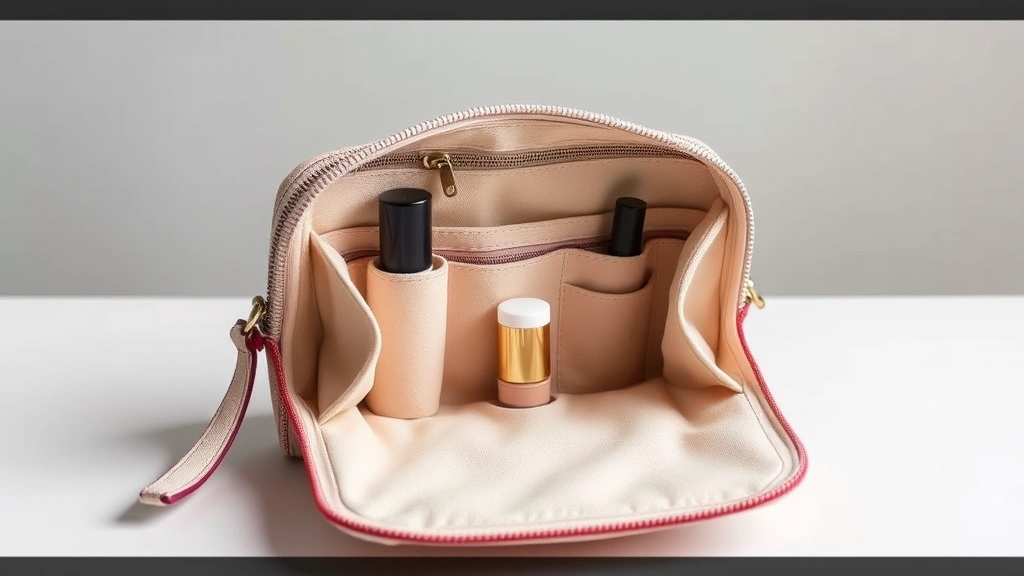
Compartmentalization protects delicate products from breakage. Fragile items like pressed powders, highlighters, and eyeshadow palettes benefit from individual compartments preventing them from shifting and potentially breaking. Padded dividers—created by quilting fabric layers—offer cushioning for sensitive products. Some seamstresses incorporate velvet or silk pouches within their cosmetic purses, creating luxury storage spaces for premium skincare products.
Ventilation considerations prevent moisture accumulation that encourages bacterial growth. Strategic design choices like mesh panels or breathable fabric sections allow air circulation without exposing products to dust. If storing products requiring specific humidity levels or temperatures, design your cosmetic purse with these requirements in mind. Proper storage extends product longevity and maintains efficacy, making thoughtful design choices essential.
Organizational systems within your cosmetic purse pattern facilitate quick product identification and prevent forgotten items. Clear vinyl pockets allow visual product identification without opening compartments. Labeled dividers organize products by category—skincare, makeup, tools—making your routine more efficient. Consider your morning routine when designing compartments; storing products in the order you use them streamlines your preparation process.
FAQ
What fabric weight works best for cosmetic purse patterns?
Medium-weight fabrics like quilted cotton, canvas, and linen blends provide ideal structure without excessive bulk. These fabrics maintain shape when filled with products while remaining flexible enough for comfortable sewing. Lightweight fabrics like cotton voile require interfacing for adequate structure, while heavy fabrics like upholstery material challenge sewing machines and create overly stiff purses.
How do I prevent my DIY cosmetic purse from falling apart?
Proper construction techniques ensure durability: use appropriate seam allowances, backstitch seams, reinforce stress points with extra stitching, and finish raw edges with binding or serging. Quality materials and thread significantly impact longevity. Test all closures regularly and repair small issues immediately before they develop into major problems. Well-constructed cosmetic purses withstand years of daily use.
Can I create a cosmetic purse pattern without sewing experience?
Absolutely! Start with beginner patterns featuring simple rectangular designs and minimal seams. Practice fundamental skills like cutting accurately, sewing straight seams, and pressing fabric. YouTube tutorials and sewing blogs provide excellent visual guidance. Consider taking a beginner sewing class for hands-on instruction. Most seamstresses begin with simple projects and gradually tackle more complex patterns as skills develop.
How large should my cosmetic purse be?
Size depends on intended use. Daily cosmetic purses typically measure 8-10 inches wide by 5-6 inches tall, accommodating standard makeup and skincare items. Travel purses might be smaller (6×4 inches) for compact packing, while comprehensive storage purses could reach 12×8 inches. Consider your specific product collection when determining dimensions—measure favorite items to ensure adequate space.
What closure works best for cosmetic purses?
Zippers offer secure closure preventing product loss during transport, making them ideal for travel. Magnetic snaps provide convenient access for daily use cosmetic purses. Drawstring closures create casual aesthetics while allowing flexible opening sizes. Choose closures matching your lifestyle—frequent travelers prefer zippers, while daily-use purses benefit from magnetic snap convenience.
Should I use waterproof lining for my cosmetic purse?
Waterproof lining protects other items from product spills and extends your cosmetic purse’s lifespan. This proves especially valuable if storing liquid products like serums, foundations, or oils. Even if using waterproof lining, store products upright with caps securely fastened. Waterproof materials clean easily when spills occur, maintaining your cosmetic purse’s appearance and hygiene.
External Resources for Further Learning: Explore Craft Council for comprehensive sewing resources and patterns. Visit Sew Magazine for expert seamstress tips and project inspiration. Check American Sewing Association for technique guides and community support. Review Threads Magazine for advanced construction techniques and designer insights. Consult Fabric Workshop for material selection guidance and quality sourcing.