Cosmetic Starter Kit Essentials: Expert Picks for Beginners
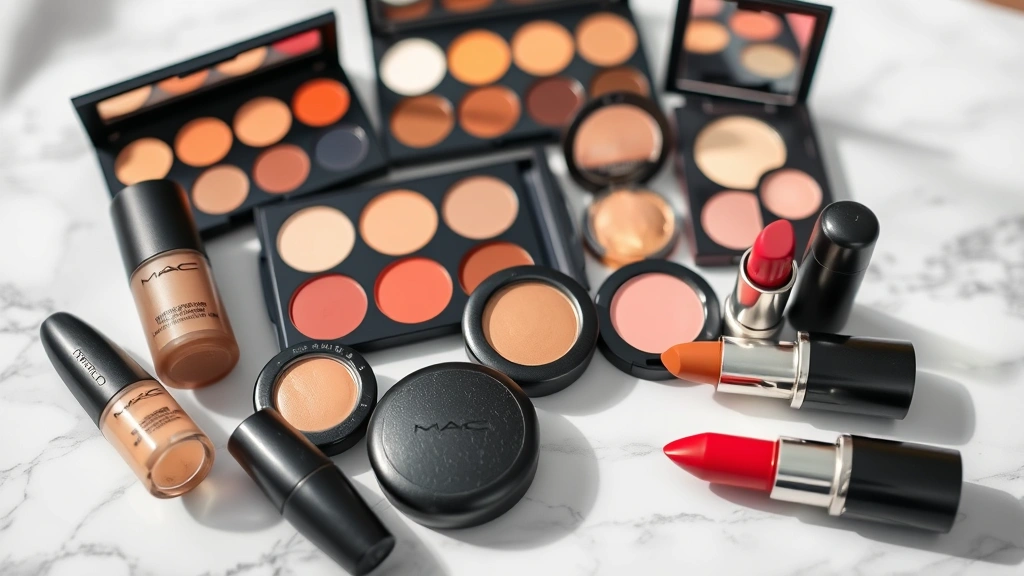
Building your first cosmetic starter kit can feel overwhelming when faced with endless product options, conflicting advice, and marketing claims. Whether you’re new to makeup or looking to streamline your collection, understanding which essentials truly matter is the foundation of a functional beauty routine. A well-curated cosmetic starter kit doesn’t require dozens of products—instead, it focuses on versatile, high-performing items that work across multiple skin types and can be layered for countless looks.
The beauty industry has evolved significantly, moving away from the “more is better” mentality toward intentional, ingredient-focused selections. Professional makeup artists and dermatologists now emphasize quality over quantity, recommending that beginners invest in multipurpose products with clean formulations rather than accumulating an extensive collection. This approach not only saves money but also reduces the risk of adverse reactions and simplifies your daily routine. Our expert picks focus on essentials that deliver real results while remaining accessible to most budgets.
Understanding Your Cosmetic Starter Kit Foundation
A proper cosmetic starter kit begins with understanding your skin’s unique characteristics. Before purchasing any products, assess whether you have oily, dry, combination, or sensitive skin. This foundational knowledge prevents wasted money on incompatible products and ensures your cosmetics enhance rather than irritate your complexion. Many beginners skip this crucial step, leading to frustration when products don’t perform as expected.
The concept of a starter kit has transformed from a pre-assembled box of random items to a personalized collection built around your specific needs. Dermatologists recommend starting with products that address your primary skin concern while maintaining a minimalist approach. For instance, if you have combination skin, you’ll need products that balance hydration in dry zones while controlling oil in the T-zone.
Quality ingredients matter significantly in a starter kit. Look for products containing proven actives like hyaluronic acid for hydration, niacinamide for pore refinement, or peptides for skin firmness. Understanding ingredient hierarchies—where components are listed by concentration—helps you identify whether a product truly delivers on its promises. The International Nomenclature of Cosmetic Ingredients (INCI) database provides transparent information about what’s actually in your cosmetics.
Essential Face Products
Your cosmetic starter kit’s foundation relies on three core face products: primer, foundation, and powder. These items create a smooth canvas and ensure longevity throughout your day. A quality primer fills pores and fine lines, creating an even surface for foundation application. Look for primers with silicone or water-based formulas depending on your skin type; silicone primers work best for oily skin, while water-based formulas suit sensitive complexions.
Foundation selection represents the most personal decision in your starter kit. Rather than assuming you need full-coverage formulas, consider that many professionals prefer lightweight, buildable foundations that adapt to your skin’s natural texture. The American Academy of Dermatology notes that foundations with non-comedogenic formulations prevent breakouts, particularly important if you have acne-prone skin. Cream, liquid, and powder foundations each serve different purposes; beginners typically succeed best with liquid foundations offering medium coverage and natural finish.
Concealer deserves dedicated attention in your starter kit. This single product addresses blemishes, dark circles, and discoloration with precision application. Choose a shade one to two levels lighter than your skin tone for brightening effects under eyes, while selecting a shade matching your foundation for spot concealing. Ingredients like caffeine, vitamin K, and peptides in eye-area concealers reduce puffiness and strengthen delicate under-eye skin. The best starter concealers feature long-wearing formulas that don’t settle into fine lines.
Blush and bronzer round out your essential face products, though many beginners combine these into one dual-purpose item. Cream blushes offer easier blending for makeup novices, while powder formulas provide longer wear. Select warm-toned bronzers for contouring and cooler-toned blushes for dimension. Affordable cosmetic brands now offer excellent quality in blush and bronzer, making it unnecessary to spend premium prices on these items.
Eye and Lip Cosmetics
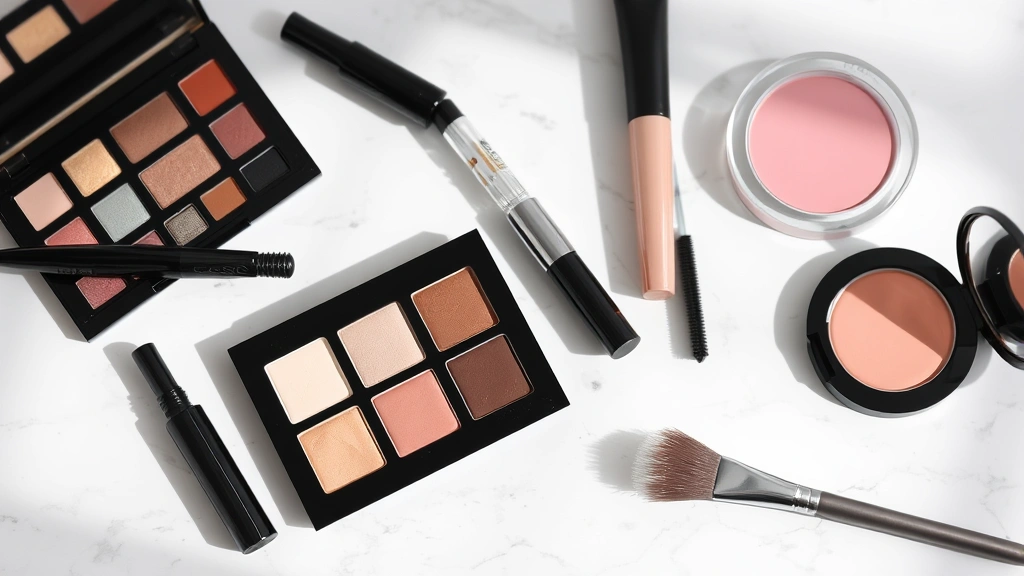
Eye cosmetics form the expressive core of most makeup routines. Your starter kit needs at least one eyeshadow palette offering neutral and warm tones suitable for everyday wear. Rather than purchasing multiple palettes, select one with versatile shades—creams, taupes, golds, and soft browns—that create everything from natural to slightly more dramatic looks. Cream eyeshadows simplify application for beginners since they require only finger application, though powder formulas offer more blending possibilities.
Mascara represents perhaps the most transformative cosmetic in your starter kit. Even without any other makeup, mascara instantly opens eyes and adds definition. Look for formulas with conditioning ingredients like argan oil, vitamin E, or castor oil that nourish lashes while providing volume and length. The Cosmetic Ingredient Review (CIR) panel continuously evaluates mascara safety, ensuring products meet rigorous standards. Waterproof mascaras last longer but require proper removal to prevent lash damage.
Eyeliner offers subtle or dramatic definition depending on application. Pencil liners work best for beginners since they’re forgiving and easy to blend, while liquid liners provide precision for more experienced users. Consider starting with a brown or charcoal liner rather than black, as these shades appear less harsh on most skin tones while still defining eyes effectively. Ingredients like soothing chamomile or anti-inflammatory bisabolol in eyeliner formulas minimize irritation for sensitive eyes.
Lip products deserve equal attention in your cosmetic starter kit. Lip balms with SPF protect lips from sun damage and prevent moisture loss, while lip tints offer sheer color without heavy texture. Many professionals recommend lip stains for longevity and natural appearance, particularly in starter kits focused on minimal products. Look for lip products containing nourishing oils, butters, or hyaluronic acid rather than drying formulas that require constant reapplication.
Tools and Application Essentials
Cosmetics perform optimally only when applied with proper tools. Your starter kit absolutely requires brushes or sponges for foundation, blush, and eyeshadow application. Quality brushes feature soft, densely-packed bristles that pick up product efficiently and distribute it evenly. Synthetic brushes work universally across all product types, while natural hair brushes excel with powder formulas but can degrade with cream products.
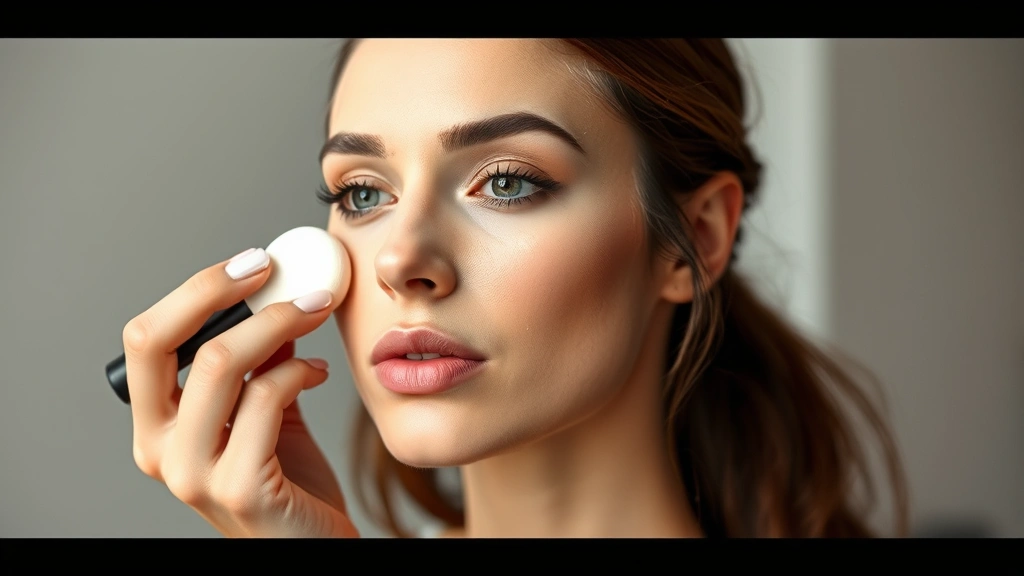
Cosmetic sponges offer an excellent alternative to brushes, particularly for foundation blending. Damp beauty sponges create seamless, natural finishes while using less product than brush application. The wedge shape allows precise concealer application around eyes and nose, while the rounded side covers larger face areas. Quality sponges maintain their shape through proper washing and replacement every three to four months.
Don’t overlook the importance of brush and sponge maintenance in your cosmetic routine. Dirty tools harbor bacteria, fungi, and product buildup that transfer to your skin and compromise makeup application. Wash brushes weekly with gentle cleanser, and replace sponges regularly to prevent breakouts and infections. This simple practice extends product lifespan and ensures hygiene standards that dermatologists emphasize.
Additional application tools in your starter kit might include eyeliner brushes for precise application, eyeshadow blending brushes, and angled brushes for contouring. Rather than purchasing individual brushes, many beginners benefit from affordable brush sets offering variety. The investment in quality tools immediately improves makeup application results and builds confidence as you develop your technique.
Building by Skin Type
Customizing your cosmetic starter kit based on skin type ensures products work harmoniously with your complexion. For oily skin, prioritize mattifying primers, lightweight liquid foundations with oil-control ingredients like silica or kaolin clay, and powder formulas for blush and bronzer. Avoid heavy creams and oils; instead, select products with niacinamide, salicylic acid, or charcoal that address excess sebum production. Cosmetic samples allow testing how specific formulas interact with oily skin before committing to full sizes.
For dry skin, your starter kit should emphasize hydrating primers with glycerin or hyaluronic acid, dewy foundation finishes, and cream formulas for blush and eyeshadow. Look for cosmetics containing ceramides, squalane, or plant oils that nourish while you wear them. Avoid matte formulas and powders that emphasize dry patches; instead, select products promoting luminosity and moisture. Lip products become particularly important in dry skin starter kits, as lips require constant hydration and protection.
For sensitive skin, ingredient selection becomes paramount in your starter kit. Choose products with minimal fragrance, hypoallergenic formulations, and dermatologist-tested labels. Avoid common irritants like parabens, sulfates, and synthetic dyes if your skin reacts to them. Patch-test every new product on a small area before full application. Consider travel size cosmetics for initial testing without financial waste.
For acne-prone skin, your cosmetic starter kit must include non-comedogenic products that won’t clog pores. Look for oil-free formulations, and consider foundations with salicylic acid or benzoyl peroxide for acne-fighting benefits. Concealers should feel lightweight and breathable. Avoid heavy powders; instead, select products allowing skin to breathe while managing shine.
Budget-Friendly Starter Options
Building an effective cosmetic starter kit doesn’t require luxury prices. Many drugstore brands now offer formulations rivaling higher-priced counterparts, with transparent ingredient lists and dermatologist recommendations. Focus your budget on items you’ll use daily—foundation, concealer, and mascara—while saving on occasional-use products like special occasion eyeshadow palettes.
Affordable cosmetic brands have revolutionized accessibility, proving expensive doesn’t equal effective. Many professional makeup artists recommend specific drugstore foundations and concealers alongside luxury alternatives. Price points range from five dollars for quality mascara to thirty dollars for comprehensive eyeshadow palettes offering months of use.
Strategic shopping maximizes your cosmetic starter kit budget. Purchase during seasonal sales, utilize coupons from beauty retailers, and consider purchasing starter kits pre-assembled by brands targeting beginners. These curated kits often provide better value than purchasing individual items, introducing you to multiple products within one brand’s ecosystem. Read reviews from verified purchasers to ensure quality before committing.
Investing in one or two premium products within your budget can elevate your entire starter kit. For example, choosing a higher-quality foundation paired with budget-friendly blush and bronzer creates a balanced collection. Alternatively, investing in professional brushes while using affordable cosmetics ensures proper application across all price points. This strategic approach maximizes performance within realistic budget constraints.
FAQ
What’s the minimum number of products needed in a cosmetic starter kit?
A truly minimal starter kit includes foundation, concealer, mascara, blush, and a neutral eyeshadow—five items creating complete makeup looks. However, most people benefit from adding a primer, powder, and lip product, bringing the essential total to eight items. This foundation allows endless variation while remaining manageable for beginners.
How do I choose the right foundation shade for my skin tone?
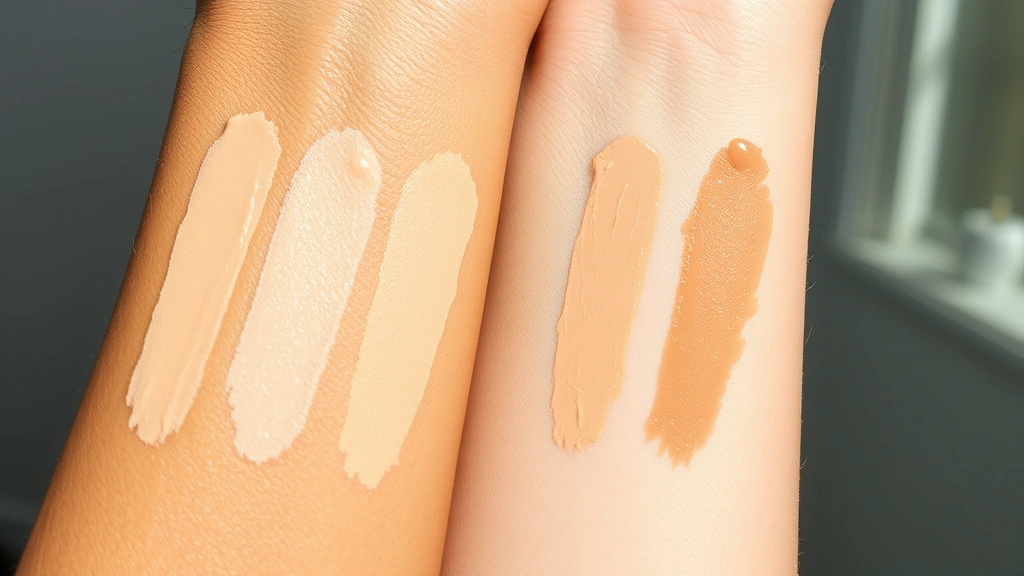
Test foundation shades on your jawline in natural light, selecting the shade that disappears into your skin without appearing lighter or darker. Undertones matter significantly; if you have warm undertones, choose foundations with golden or peachy bases, while cool undertones suit foundations with pink or red bases. Many beauty counters offer shade-matching services using spectrophotometry technology for precision.
Should beginners invest in high-end or drugstore cosmetics?
Quality exists at all price points. Rather than choosing exclusively high-end or drugstore, select the best product for each category within your budget. Many professionals recommend budget-friendly foundations but higher-quality eyeshadow palettes offering more versatility. Prioritize products touching sensitive areas like eyes, as quality matters more for these items.
How often should I replace cosmetics in my starter kit?
Most cosmetics last twelve to eighteen months once opened. Mascara requires replacement every three months due to bacteria accumulation, while foundations and concealers last six to twelve months depending on preservation and application methods. Store cosmetics in cool, dry locations away from direct sunlight to maximize shelf life.
Can I use the same products for different skin types in my household?
While possible, this approach often compromises results for everyone. Individual skin types require specific formulations addressing their unique needs. Instead, consider that skincare products for aging skin and cosmetics work best when tailored to individual requirements. Sharing tools like brushes and sponges creates hygiene concerns regardless of product compatibility.
What ingredients should I avoid in my cosmetic starter kit?
Common irritants include fragrance, alcohol denat, and certain preservatives for sensitive skin. Acne-prone individuals should avoid heavy oils and occlusive ingredients. Consult ingredient databases like INCIDecoder for detailed information about specific components and their functions. Patch-testing identifies personal sensitivities before committing to full-sized products.