Beginner’s Cosmetic Starter Kit Essentials: Expert Tips
Building your first cosmetic starter kit can feel overwhelming when faced with endless product options and conflicting beauty advice. Whether you’re transitioning from minimal makeup to a fuller routine or starting completely fresh, understanding which essentials truly matter is the foundation of successful beauty application. This guide breaks down the must-have products, tools, and ingredients that professional makeup artists and dermatologists recommend for beginners, ensuring you invest wisely in quality items that will serve your skin and aesthetic goals.
The beauty industry generates approximately $500 billion annually, yet most beginners waste money on redundant products they never use. By focusing on versatile, multi-functional items and learning proper application techniques, you’ll create a streamlined collection that addresses everyday makeup needs without clutter. This approach not only saves money but also prevents product waste and reduces the likelihood of triggering skin sensitivities through overuse of unnecessary items.
Foundation and Base Products
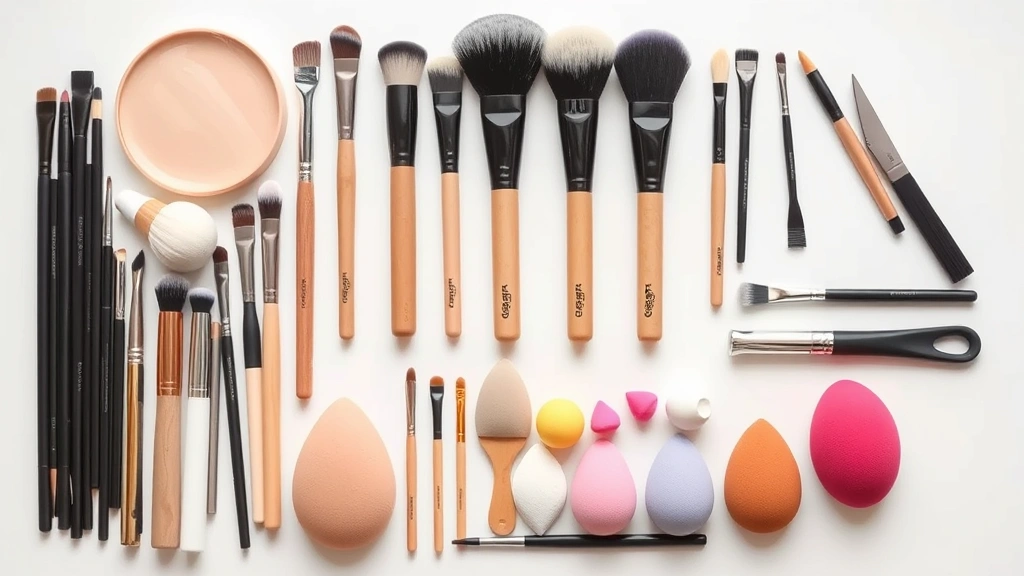
The foundation layer is literally the canvas for your entire makeup application. A quality primer creates a smooth surface, extends wear time, and protects your skin from potentially irritating makeup ingredients. Beginners often skip primers, but Paula’s Choice and professional makeup artists consistently emphasize that primers are non-negotiable investments. Look for primers containing silicone polymers or water-based formulations, depending on your skin type.
Foundation selection depends entirely on your skin type and undertone. For beginners, liquid foundations offer the most versatility and easiest blending compared to powders or sticks. The foundation should match your jawline, not your wrist, and you’ll need to test three shades minimum before purchasing. Consider your skin type: oily skin benefits from oil-control formulas with silica or kaolin clay, while dry skin requires hydrating bases with glycerin or hyaluronic acid.
Concealer serves multiple purposes beyond hiding blemishes—it brightens under-eyes, neutralizes redness, and highlights features. A beginner’s kit needs only one versatile concealer in a shade one to two levels lighter than your foundation. Liquid concealers blend seamlessly for beginners, while cream formulas offer better coverage but require more skill to blend without caking.
Setting powder prevents makeup from shifting throughout the day. Transparent powders work universally across skin tones, making them ideal starter choices. Avoid heavy powders that emphasize texture; instead, choose finely-milled formulas with minimal coverage that simply set makeup without adding visible product.
Essential Brushes and Tools
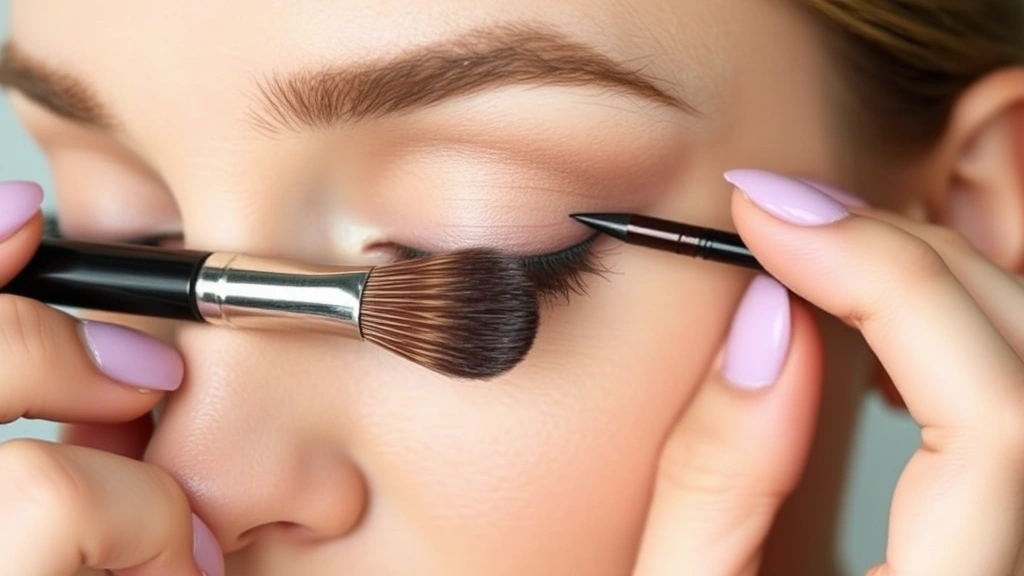
Quality brushes dramatically improve makeup application precision and blending. You don’t need thirty brushes—beginners function perfectly with five to seven essential tools. The best cheap cosmetic brushes combine affordability with functionality, allowing you to learn proper techniques before investing in luxury brands.
Your starter brush collection should include:
- Foundation brush or beauty sponge: Applies base product evenly. Damp beauty sponges blend seamlessly and use less product than brushes.
- Powder brush: Large, fluffy dome shape for setting powder application across the entire face.
- Contour/blush brush: Medium-sized angled or round brush for cream or powder application to cheeks and hollows.
- Eyeshadow brush: Flat shader brush for precise eyeshadow placement on the lid.
- Blending brush: Fluffy dome-shaped brush for seamlessly blending eyeshadow transitions.
- Eyeliner brush: Thin, angled brush for liquid or gel liner application.
- Lip brush: Small, flat brush for precise lip color application.
Natural hair brushes (squirrel, goat) work best for powder products, while synthetic brushes suit liquid and cream formulas. Beginners benefit from synthetic brushes because they’re more affordable, durable, and easier to clean. Establish a cleaning routine using gentle brush cleansers or baby shampoo weekly to prevent bacterial growth and product buildup.
Color Cosmetics Fundamentals
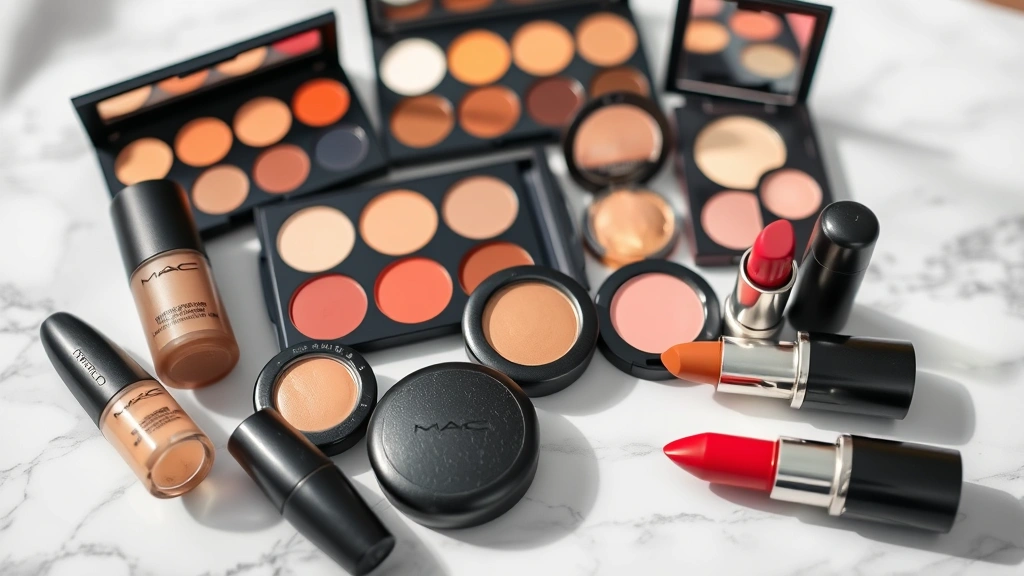
Color cosmetics—eyeshadow, blush, bronzer, and lipstick—define your makeup look. Beginners should prioritize versatility and ease of use over extensive shade collections. Start with neutral, universally-flattering colors before exploring trendy hues.
Eyeshadow: A simple three-shade palette (matte highlight, medium transition shade, and deep definition shade) teaches fundamental blending techniques. Matte formulas suit beginners better than shimmers because they forgive blending mistakes. Look for eyeshadow palettes with talc-free formulations and blendable pigments. According to the Cosmetic Ingredient Review, high-quality eyeshadows contain iron oxides and mica for color and luminosity without irritation.
Blush: Cream blushes blend more forgivingly than powders, making them ideal for beginners. One universally-flattering shade in a warm or cool undertone works for most skin tones. Blush should complement your natural flush, not fight against it. Apply to the apples of your cheeks and blend upward toward temples for a natural, youthful appearance.
Bronzer and contour: These products are optional for absolute beginners but teach important shaping techniques. Choose warm-toned bronzers for sun-kissed warmth and cooler-toned contours for shadow definition. Avoid heavily pigmented products that appear muddy; instead, select shades only two to three shades deeper than your natural skin tone.
Lipstick: Begin with satin or cream formulas that provide color without requiring perfect application technique. Matte lipsticks demand more precision and can emphasize lip texture. Nude and warm berry shades suit most beginners and coordinate with minimal makeup looks. Long-wear formulas contain film-forming polymers that adhere to lips, but they can feel drying—balance with hydrating lip balms containing beeswax or jojoba oil.
Skincare Foundation for Makeup
Healthy skin is the ultimate cosmetic starter kit foundation. Makeup applies beautifully only to properly prepared, hydrated skin. Before purchasing any color cosmetics, establish a basic skincare routine addressing cleansing, hydration, and sun protection.
A beginner skincare routine includes:
- Cleanser: Removes makeup, oil, and impurities. Choose cream or milk cleansers for dry skin and gel or foam for oily skin.
- Moisturizer: Hydrates and protects the skin barrier. Ingredients like ceramides, niacinamide, and hyaluronic acid restore moisture balance.
- Sunscreen: Prevents UV damage and premature aging. SPF 30 minimum daily, even on cloudy days.
- Optional treatment serum: skincare products with peptides strengthen skin barriers and improve texture with consistent use.
Skin conditions like eczema require specialized product selection. If you have sensitive skin, consult the best skincare products for eczema guide to prevent irritation. Allow your skincare routine to work for two to four weeks before adding makeup; this baseline helps identify whether skin reactions stem from makeup or skincare products.
Professional makeup artists emphasize that the benefits of facial steaming enhance skincare absorption and prepare skin for flawless makeup application. Weekly steaming opens pores, improves circulation, and allows hydrating serums to penetrate more effectively. Additionally, green tea cosmetic benefits include antioxidant protection and oil-control properties, making it an excellent ingredient to seek in toners or essences before makeup application.
Storage and Organization
Proper storage extends product lifespan and prevents contamination. Invest in a best cosmetic mirror with lights to assess makeup application in realistic lighting conditions and organize products within reach of your application area. Adequate lighting prevents over-application and ensures color matching accuracy.
Organization systems need not be expensive. Clear drawer organizers, repurposed containers, or small baskets keep products visible and accessible. Establish zones: skincare, primers and bases, color cosmetics, and brushes. Label expiration dates using a permanent marker on product bottoms. Most liquid makeup products last 12-18 months after opening, while powders remain viable for 24 months. Discard products showing color separation, unusual odors, or texture changes.
Brush storage matters significantly for product longevity and hygiene. Store brushes upright in cups or jars with bristles facing upward to prevent bristle damage. Never store wet brushes horizontally or bristles-down, as water can seep into ferrules and compromise adhesive integrity.
Budget-Friendly Shopping Strategy
Building a cosmetic starter kit on a budget requires strategic prioritization. Invest most heavily in products touching sensitive eye areas and those you’ll use daily. Foundation, concealer, and mascara warrant higher budgets because quality directly impacts appearance. Eyeshadow, blush, and bronzer can utilize affordable options since pigment quality varies minimally between price points at beginner levels.
Research ingredient lists using INCIDecoder, a cosmetic ingredient database that clarifies what you’re purchasing. Compare products by cost-per-ounce and ingredient quality rather than brand prestige. Drugstore brands often contain identical actives and pigments as luxury lines at 60-70% lower prices.
Purchase gradually rather than all at once. Buy one complete base product set, then add color cosmetics monthly as you learn your preferences. This approach prevents impulse purchases and allows you to determine which products genuinely work with your skin before expanding. Join beauty communities online where members share authentic reviews and swatch photos across different skin tones.
Watch for sales during major retail events (seasonal changes, holiday promotions) and sign up for brand newsletters offering first-time buyer discounts. However, never compromise on hygiene or safety to save money. Avoid expired products or items from unauthorized sellers, as counterfeit cosmetics may contain harmful ingredients or contamination.
FAQ
What’s the minimum number of products for a beginner cosmetic starter kit?
Absolutely essential: cleanser, moisturizer, sunscreen, primer, foundation, concealer, mascara, blush, and one eyeshadow shade. This seven-product minimum creates complete, wearable makeup looks while teaching fundamental application techniques. Additional items enhance versatility but aren’t necessary initially.
How do I choose foundation shade without visiting a store?
Request samples from online retailers or order multiple shades with free returns. Test shades on your jawline in natural daylight, not your wrist. The correct shade should disappear into your skin without appearing lighter, darker, or orange. Consider your undertone (warm, cool, or neutral) by examining vein colors on your wrist—blue veins indicate cool undertones, green suggests warm, and mixed indicates neutral.
Are expensive brushes necessary for beginners?
No. Beginner-friendly synthetic brushes perform excellently for learning proper techniques. Invest in quality brushes once you’ve established your routine and identified specific needs. High-end brushes offer marginally better performance but don’t compensate for inadequate technique or skincare preparation.
Can I use makeup if I have sensitive skin?
Yes, with careful product selection. Prioritize hypoallergenic, fragrance-free formulas and patch-test new products on your inner arm before facial application. Mineral makeup often suits sensitive skin better than conventional formulas. If you experience persistent irritation, consult a dermatologist before expanding your collection.
How often should I replace makeup products?
Replace liquid products (foundation, concealer, mascara) every 12-18 months and powder products every 24 months. Mascara specifically should be replaced every three months due to bacterial growth risk near eyes. Discard immediately if you experience eye infections or unusual reactions, regardless of purchase date.
What’s the difference between matte and satin finish makeup?
Matte finishes contain no shine and provide maximum coverage, ideal for oily skin and dramatic looks. Satin finishes offer subtle luminosity and blend more forgivingly, suiting dry skin and natural makeup aesthetics. Beginners typically find satin finishes more forgiving during application.