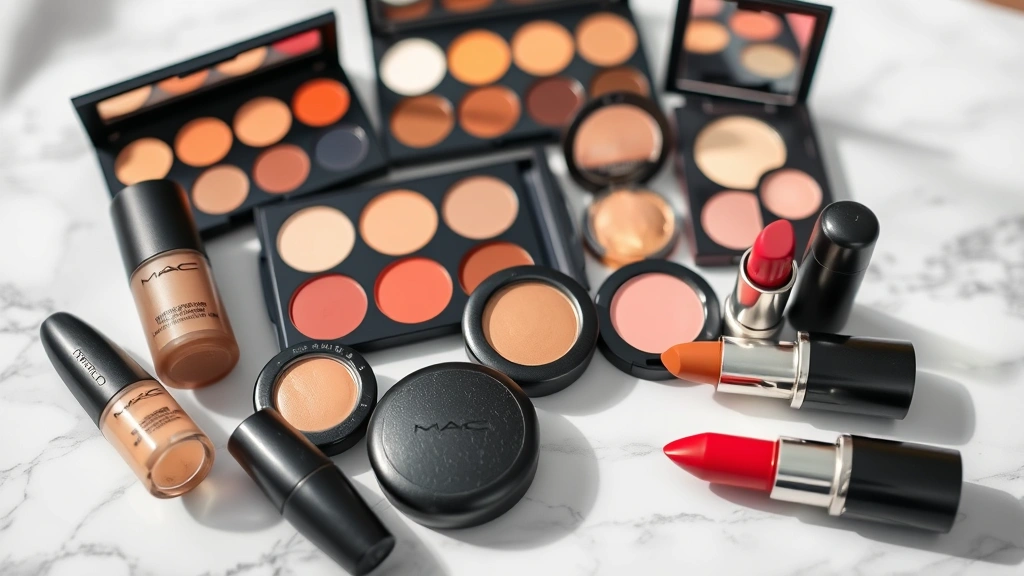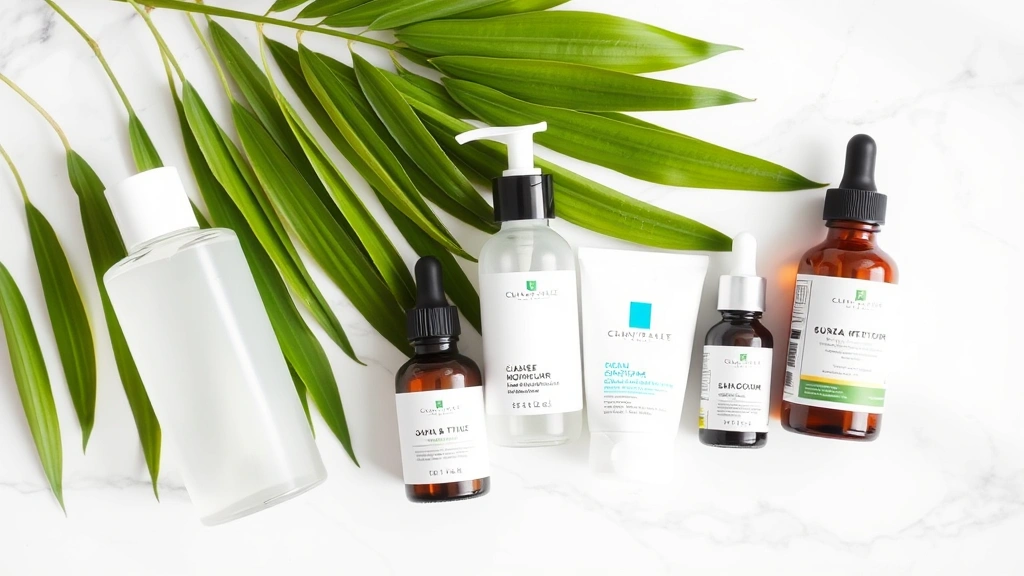
Beginner’s Cosmetic Kit: Beauty Expert Tips for Starting Your Routine
Building your first cosmetic starter kit can feel overwhelming when you’re faced with endless product options, conflicting advice, and beauty industry marketing claims. Whether you’re a teenager discovering makeup for the first time or an adult returning to beauty routines after years away, understanding the essentials makes all the difference. A thoughtful cosmetic starter kit doesn’t require expensive products or complicated multi-step routines—it requires knowledge about your skin type, realistic expectations, and products with proven ingredient profiles.
The foundation of any successful beauty routine starts with understanding your unique skin needs. Before purchasing a single product, assess whether your skin tends toward oily, dry, combination, or sensitive categories. This single decision determines which ingredients will benefit your complexion and which might cause irritation or counterproductive reactions. Many beginners waste money on trendy products designed for different skin types, leading to frustration and abandoned routines. This guide walks you through building a personalized cosmetic starter kit with expert recommendations, ingredient insights, and application techniques that actually work.
Understanding Your Skin Type and Needs
Your skin type is the cornerstone of any effective beauty routine. Oily skin produces excess sebum and benefits from lightweight, non-comedogenic formulas with ingredients like niacinamide and salicylic acid. Dry skin requires hydrating ingredients such as hyaluronic acid, glycerin, and ceramides that strengthen the skin barrier. Combination skin—the most common type—needs a balanced approach with different products for different zones. Sensitive skin demands fragrance-free, hypoallergenic formulas with minimal ingredients and soothing compounds like centella asiatica and allantoin.
Beyond these basic categories, consider specific concerns: acne-prone skin needs salicylic acid and benzoyl peroxide; aging skin benefits from retinol and peptides; hyperpigmentation responds to vitamin C and niacinamide; and reactive skin requires barrier-repair ingredients. The American Academy of Dermatology recommends patch testing new products for 24 hours before full application, especially when introducing active ingredients. Keep a simple journal tracking which products cause reactions—this data becomes invaluable when troubleshooting your routine.
Understanding ingredient concentrations matters significantly. A product listing niacinamide doesn’t guarantee effectiveness if it appears near the end of the ingredient list, indicating minimal concentration. The INCIDECODER database helps beginners research ingredient percentages and efficacy levels. Many drugstore products contain beneficial ingredients at therapeutic concentrations, making expensive luxury brands unnecessary for basics like cleansers and moisturizers.
Essential Products for Every Beginner Kit
A minimal but effective cosmetic starter kit contains five foundational products: cleanser, toner or essence, moisturizer, sunscreen, and one targeted treatment. This stripped-down approach prevents overwhelm while establishing healthy skin habits. Each product serves a specific purpose in your routine, and skipping steps compromises results.
Cleanser removes makeup, environmental debris, and excess oil without disrupting your skin barrier. Beginners often choose between foaming cleansers (better for oily skin) and cream cleansers (better for dry skin). Gel cleansers work well for combination skin. Avoid cleansers with sulfates—sodium lauryl sulfate strips natural oils and damages the protective barrier. Look for gentle surfactants like cocamidopropyl betaine or decyl glucoside instead.
Toner or essence hydrates and preps skin for subsequent products. Contrary to outdated astringent toners that overdried skin, modern toners hydrate and balance pH. Essences—lightweight, hydrating formulas—work beautifully for beginners because they layer easily under other products. These products often contain humectants like glycerin and hyaluronic acid that draw moisture into skin cells.
Moisturizer seals hydration and supports barrier function. Even oily skin needs moisturizer—lightweight gel or lotion formulas prevent dehydration without heaviness. Dry skin benefits from richer creams containing occlusive ingredients like squalane or jojoba oil. The Society of Cosmetic Chemists emphasizes that moisturizer effectiveness depends on applying it to damp skin, which traps water in the stratum corneum.
Sunscreen is non-negotiable, regardless of skin type or age. UV protection prevents premature aging, hyperpigmentation, and skin cancer. Broad-spectrum SPF 30 minimum is recommended daily, even on cloudy days and indoors (UVA penetrates windows). Chemical sunscreens absorb UV rays and convert them to heat; mineral sunscreens reflect rays. Beginners often prefer chemical formulas for their lighter feel, but those with sensitive skin benefit from mineral options with zinc oxide or titanium dioxide.
One targeted treatment addresses your primary skin concern. Those with acne choose salicylic acid or benzoyl peroxide; those with sensitivity start with green tea extract or centella asiatica; those wanting brightening effects use vitamin C or niacinamide. Introducing one active ingredient at a time prevents irritation and helps identify what works for your skin.
Skincare Foundation Before Makeup
Healthy skin makes the best canvas for makeup application. Beginners should spend 2-4 weeks establishing a skincare routine before adding makeup products. This foundational period allows your skin to balance, reduces congestion, and ensures makeup applies smoothly without clinging to dry patches or sliding off oily zones.
A basic AM routine takes five minutes: cleanse with lukewarm water, apply toner or essence, apply moisturizer, and finish with sunscreen. This sequence matters—apply products from thinnest to thickest consistency so each layer absorbs properly. Wait 30-60 seconds between steps for absorption; this patience prevents pilling and ensures ingredient effectiveness.
A basic PM routine includes the same steps minus sunscreen, plus your targeted treatment applied after toner but before moisturizer. Some beginners add a double cleanse in the evening—oil cleanser first to dissolve makeup and sebum, followed by water-based cleanser for thorough cleansing. This technique prevents clogged pores and ensures makeup removal completeness.
Exfoliation supports healthy skin but requires caution for beginners. Physical exfoliants (scrubs, brushes) can cause micro-tears; chemical exfoliants (AHAs, BHAs) work more effectively and gently. Start with exfoliation once weekly, increasing frequency only after your skin adapts. Glycolic acid (AHA) suits dry skin; salicylic acid (BHA) suits oily and acne-prone skin. The American Society for Dermatologic Surgery recommends waiting at least one week between starting new actives to monitor tolerance.
Facial massage enhances circulation and lymphatic drainage, promoting natural glow without products. A simple two-minute massage using fingertips or a jade roller in upward motions increases blood flow, reduces puffiness, and helps serums absorb deeper into skin.
Choosing Quality Makeup Essentials
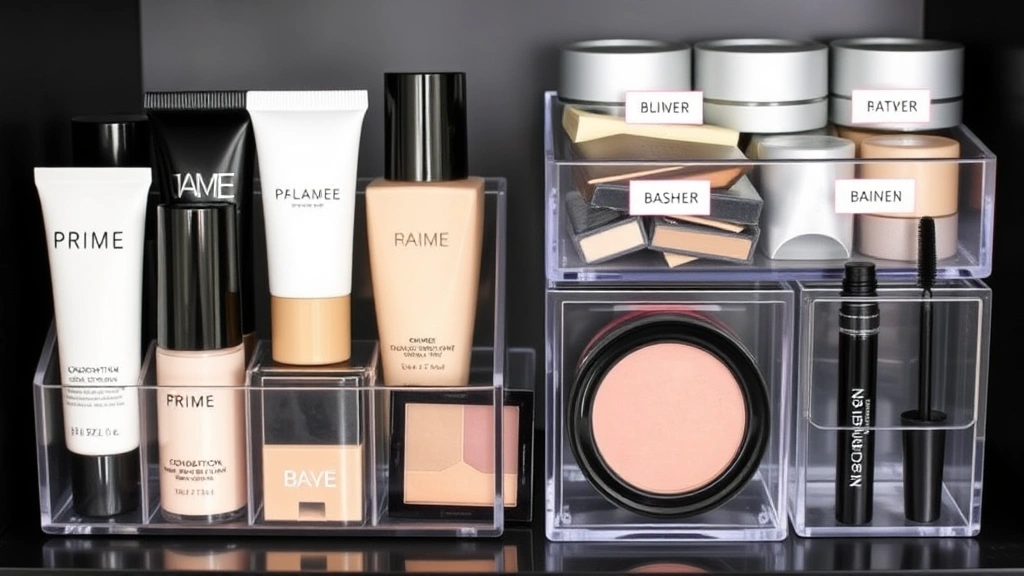
Once your skin is balanced and healthy, introduce makeup gradually. A beginner makeup starter kit includes: primer, foundation or tinted moisturizer, concealer, blush, and mascara. These five products create a polished look without overwhelming complexity.
Primer creates a smooth base, extends makeup wear, and prevents product breakdown throughout the day. Silicone-based primers work for most skin types, filling pores and creating a blurred effect. Water-based or hydrating primers suit dry skin; mattifying primers suit oily skin. Primers containing dimethicone or cyclopentasiloxane provide the most effective pore-blurring effect.
Foundation or tinted moisturizer evens skin tone. Beginners often struggle with shade matching—purchase in natural lighting and test on your jawline, not your hand. Tinted moisturizers provide light coverage and work beautifully for those wanting a natural appearance; full-coverage foundations offer more control for those with significant discoloration. Formula choice depends on skin type: liquid foundations suit most skin types; powder foundations suit oily skin; cream foundations suit dry skin.
Concealer hides blemishes, dark circles, and discoloration. Choose a shade matching your skin tone for blemishes; one shade lighter for under-eye darkness. Concealer formulas range from liquid to stick to cream; liquid provides buildable coverage, while stick formulas offer more control for precise application. The Beauty Independent notes that concealer placement matters—apply in an inverted triangle under eyes rather than directly on dark areas for a more natural appearance.
Blush adds color and dimension. Cream blushes blend easily and suit beginners; powder blushes offer longer wear. Choose shades complementing your undertone—cool undertones suit pink and berry shades; warm undertones suit peach and coral shades. Start with one universally flattering shade rather than collecting multiple options.
Mascara instantly opens eyes and completes a polished look. Volumizing mascaras add thickness; lengthening mascaras extend lashes; conditioning mascaras nourish while darkening. Beginners benefit from starting with black or dark brown formulas in standard brush sizes before exploring specialty brushes. Mascara contains conditioning ingredients like panthenol and biotin that protect lashes during wear.
Budget-Friendly Options and Drugstore Picks
Top drugstore cosmetics deliver professional results at fraction of luxury prices. The beauty industry’s markup on high-end brands often reflects packaging and marketing rather than superior formulation. Many dermatologists recommend drugstore brands for their accessible pricing and proven ingredient profiles.
Excellent beginner-friendly drugstore options include: CeraVe cleansers and moisturizers (containing ceramides and hyaluronic acid), Neutrogena Ultra Sheer sunscreen (lightweight and non-greasy), The Ordinary niacinamide and vitamin C serums (affordable actives), Cetaphil gentle cleanser (fragrance-free and dermatologist-recommended), and Maybelline mascara and foundation (professional-grade formulas at accessible prices).
Building a complete starter kit for under $75 is entirely possible with drugstore products. This budget-conscious approach removes pressure to justify expensive purchases and allows experimenting with different products to identify preferences. As your knowledge grows, you can invest in specialty brands with specific benefits—perhaps a targeted retinol serum or an advanced brightening treatment—but foundational products work equally well at any price point.
Generic and store-brand products often share formulations with name-brand equivalents, produced in the same facilities. Reading ingredient lists reveals these similarities. Comparing products from multiple brands at your local drugstore ensures finding options matching your skin type and budget simultaneously.
Building Application Skills
Product quality matters less than application technique when you’re beginning. Improper application wastes expensive products and produces subpar results. Beginners benefit from learning fundamental techniques before advancing to complex methods.
Skincare application follows the rule of thinnest to thickest consistency. Serums and toners absorb first; creams and oils apply last. Use about 1/4 teaspoon of moisturizer for your face, warming it between palms before pressing into skin rather than rubbing. This patting motion encourages absorption without disrupting the skin barrier.
Primer application requires minimal product—a pea-sized amount spread across the entire face. Focus on the T-zone (forehead, nose, chin) where makeup breakdown occurs fastest. Allow 30 seconds for primer to set before applying foundation.
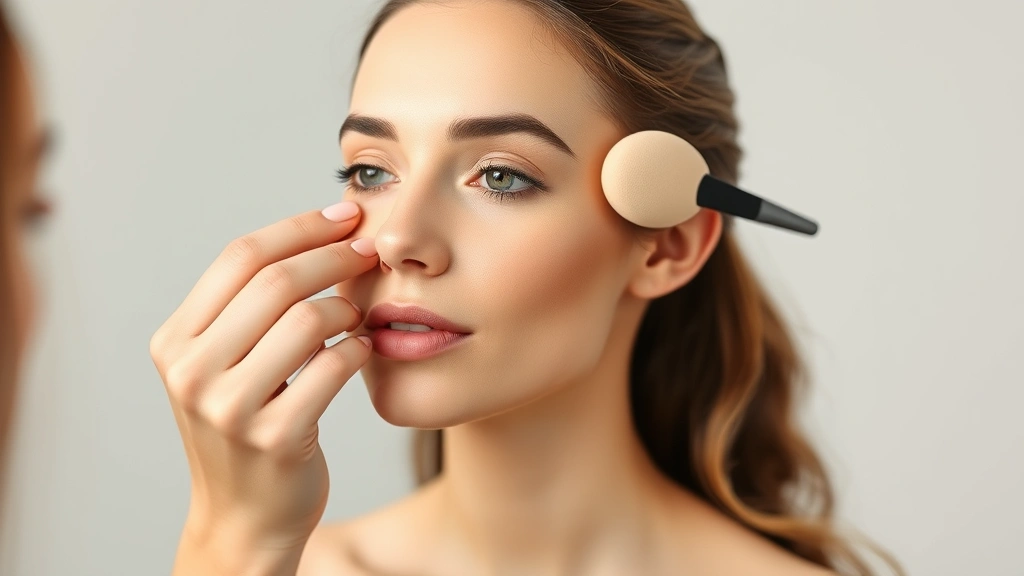
Foundation application uses a damp beauty sponge, brush, or fingertips. Sponges provide the most natural finish for beginners; brushes offer more control; fingertips work but transfer oils. Apply foundation in thin layers, building coverage gradually rather than applying one thick layer. This technique prevents cakey appearance and ensures even color distribution.
Concealer application uses a concealer brush or fingertip. Apply in small dots on problem areas, gently patting to blend. Under eyes require gentle tapping motions—rubbing causes creasing and irritation. Set concealer with translucent powder to prevent creasing throughout the day.
Blush application starts with a fluffy brush to pick up minimal product. Apply to the apples of your cheeks (smile to locate), blending upward toward temples. This placement flatters all face shapes and prevents harsh lines.
Practice these techniques daily for one week before adding complexity. Muscle memory develops quickly, and basic application skills become automatic, freeing mental energy for more advanced techniques later.
Common Beginner Mistakes to Avoid
Understanding frequent pitfalls prevents frustration and wasted money. Skipping sunscreen remains the most damaging mistake—UV exposure causes premature aging, hyperpigmentation, and skin cancer. Make sunscreen non-negotiable, applying it even on cloudy days and indoors.
Introducing too many products simultaneously prevents identifying which products cause reactions. Add one new product every 1-2 weeks, using it consistently before evaluating results. This patience reveals true effectiveness versus coincidental skin improvements.
Ignoring your skin type leads to purchasing products working against your skin’s needs. Oily-skin individuals using heavy creams experience congestion; dry-skin individuals using mattifying products experience irritation. Reassess your skin type every 6-12 months as seasons and hormones affect skin characteristics.
Over-exfoliating damages the skin barrier, causing sensitivity and irritation. Limit exfoliation to once or twice weekly, reducing frequency if experiencing redness or sensitivity. Chemical exfoliants work more effectively than physical scrubs for most skin types.
Applying makeup to unprepared skin results in patchy, unflattering appearance. Always cleanse, hydrate, and prime before makeup application. This foundation makes every makeup product perform better and last longer.
Using expired products compromises safety and efficacy. Mascaras expire after three months; moisturizers after six months to one year; foundations after 12 months. Replace products regularly and note opening dates on containers.
Sleeping in makeup clogs pores, breaks down the skin barrier, and accelerates aging. Remove makeup thoroughly every evening, even when exhausted. This single habit prevents most breakouts and maintains skin health long-term.
Touching your face throughout the day transfers bacteria and breaks down makeup. Keep hands away from your face except during intentional skincare routines. This simple practice reduces breakouts significantly.
Comparing your skin to others creates unrealistic expectations and frustration. Everyone’s skin responds differently to products based on genetics, environment, diet, and stress levels. Focus on your skin’s individual journey rather than achieving someone else’s results.
Neglecting appropriate product selection for your age means missing preventative opportunities. Teens benefit from acne-fighting ingredients; twenty-somethings from sunscreen and antioxidants; older adults from retinol and peptides. Age-appropriate product selection supports skin health across your lifetime.
FAQ
How long does it take to see results from a new cosmetic routine?
Most skincare products require 4-12 weeks of consistent use to demonstrate visible results. Skin cell turnover occurs approximately every 28 days, so patience is essential. Makeup provides immediate results; skincare requires commitment to routine. If experiencing no improvement after 12 weeks, the product may not suit your skin type.
Can I use the same products year-round?
Seasonal adjustments improve results. Winter requires heavier moisturizers; summer benefits from lighter formulas. Humidity levels, temperature changes, and seasonal stress affect skin characteristics. Reassess your routine seasonally and adjust product textures accordingly. Some people rotate between summer and winter moisturizers; others adjust only sunscreen application.
What’s the difference between drugstore and luxury cosmetics?
The primary differences are packaging, marketing, and sometimes fragrance. Many drugstore products contain identical or superior formulations to luxury brands. Ingredient concentrations matter more than brand name. Read ingredient lists comparing products across price points—you’ll often find drugstore options outperforming expensive alternatives.
Should I use all products from one brand?
Mixing brands is perfectly acceptable and often beneficial. Each brand excels in different areas; combining strengths creates a superior routine. You might use one brand’s cleanser, another’s vitamin C serum, and a third’s moisturizer. Focus on individual product quality rather than brand loyalty.
How do I know if a product is causing breakouts?
Suspect products causing breakouts if breakouts appear in areas where you applied the product, develop within 1-2 weeks of starting it, or disappear after discontinuing it. Keep a simple journal noting new products and any skin changes. Patch test new products on a small area for 24 hours before full-face application.
Is it necessary to use a toner or essence?
Toners and essences aren’t absolutely necessary but provide additional hydration and prepare skin for subsequent products. If your cleanser and moisturizer adequately hydrate your skin, you can skip this step. However, most beginners benefit from the extra hydration layer, especially those with dry or dehydrated skin.
Can I wear makeup every day?
Yes, wearing makeup daily is safe if you remove it thoroughly every evening and maintain a healthy skincare routine. The concern isn’t makeup itself but incomplete removal and neglected skincare. Always cleanse, moisturize, and apply sunscreen—makeup doesn’t replace these essential steps.
What’s the best way to store cosmetics?
Store cosmetics in cool, dry locations away from direct sunlight and humidity. Bathrooms experience temperature and humidity fluctuations that degrade products; bedroom drawers or closets are better options. Keep lids tightly closed and avoid touching product containers with dirty fingers. This storage practice extends product longevity and maintains ingredient stability.