Should You Use a Cosmetics Fridge? Expert Opinions on Temperature-Controlled Skincare Storage
The cosmetics fridge has become a trendy addition to bathroom countertops and bedroom vanities, promising to extend product shelf life, enhance application comfort, and preserve active ingredients. But is this luxury storage solution genuinely beneficial, or is it merely a marketing phenomenon? Dermatologists and cosmetic chemists have varying perspectives on whether temperature-controlled refrigeration is necessary for your skincare and makeup collection, and the answer largely depends on your climate, product formulations, and specific skin concerns.
Understanding the science behind cosmetics storage requires examining how temperature affects ingredient stability, product efficacy, and overall performance. Some formulations genuinely benefit from cool temperatures, while others remain perfectly stable at room temperature. This comprehensive guide explores expert opinions, ingredient considerations, and practical recommendations to help you decide whether a cosmetics fridge is a worthwhile investment for your beauty routine.
What Is a Cosmetics Fridge and How Does It Work
A cosmetics fridge is a compact refrigeration unit specifically designed for storing beauty products, typically maintaining temperatures between 45-65°F (7-18°C). These mini-fridges differ from standard kitchen refrigerators in several ways: they’re engineered to maintain consistent, gentle cooling without the extreme cold that could damage delicate formulations, they often feature adjustable temperature settings, and they’re aesthetically designed to complement bedroom or bathroom décor.
The primary function of a cosmetics fridge is to slow down chemical degradation processes within skincare and makeup products. All chemical reactions, including oxidation and ingredient breakdown, occur more slowly at lower temperatures. By reducing ambient temperature, a cosmetics fridge theoretically extends product shelf life, preserves active ingredient potency, and can enhance the sensory experience of application—particularly beneficial for products designed to reduce skin inflammation.
However, not all cosmetics benefit equally from refrigeration. The decision to invest in a cosmetics fridge should be based on your specific product collection, geographic location, and skincare goals rather than aesthetic appeal alone.
Which Products Actually Benefit from Refrigeration
Serums and Active Concentrates
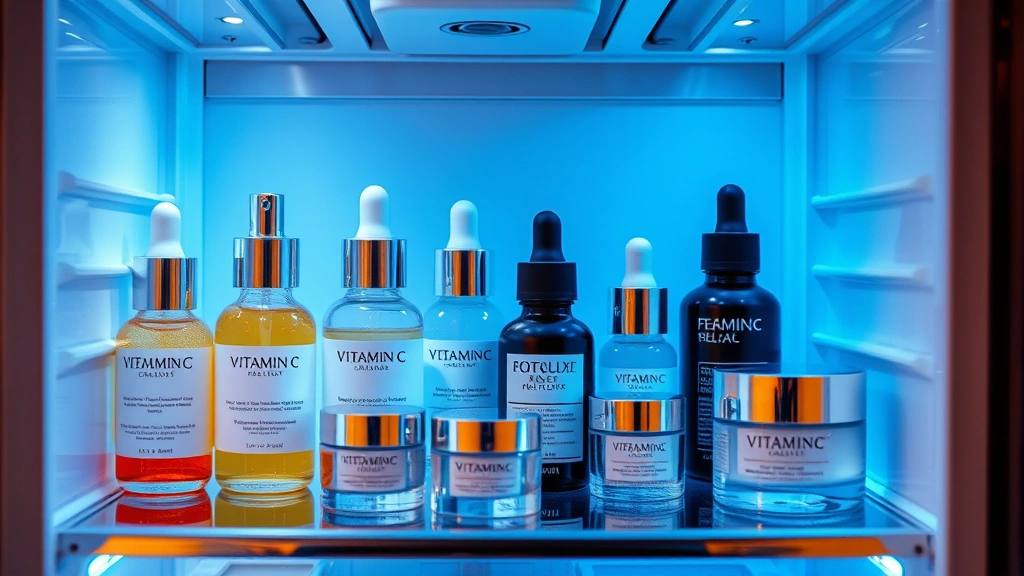
Vitamin C serums, retinol products, and peptide-rich serums represent the category most benefiting from refrigeration. These formulations contain active ingredients that degrade relatively quickly when exposed to heat, light, and oxygen. A comprehensive ingredient database confirms that stabilized vitamin C derivatives, particularly L-ascorbic acid, significantly benefit from cool storage conditions. Keeping these serums at 50-60°F can extend their efficacy window by several weeks, ensuring you receive maximum benefits during your skincare routine.
Eye Creams and Gel Formulations
The delicate eye area requires specialized products, and gel-based eye creams with hydrating ingredients genuinely benefit from refrigeration. The cooling effect provides anti-inflammatory benefits, reduces puffiness upon application, and helps gel formulations maintain their intended texture. Products containing caffeine, peptides, or hyaluronic acid in lightweight gel bases remain more stable and effective when refrigerated.
Sheet Masks and Hydrating Treatments
Sheet masks, sleeping masks, and hydrating treatment essences gain substantial benefits from cool storage. The refreshing sensation of a cold mask enhances the user experience and provides temporary reduction in facial redness and inflammation. Many Korean and Japanese beauty brands specifically recommend refrigeration for their treatment masks, as the cool temperature enhances absorption and provides soothing effects.
Makeup Products with Sensitive Formulations
Certain makeup products, particularly cream and liquid formulations containing natural preservatives or minimal synthetic ones, may benefit from refrigeration in hot climates. Cream blushes, liquid lipsticks, and foundation formulas with nourishing oils can separate or degrade faster in warm environments. However, most mainstream cosmetics brands formulate products with sufficient preservative systems to remain stable at room temperature.
Ingredients That Degrade in Warm Temperatures
Understanding which ingredients are temperature-sensitive empowers informed storage decisions. Vitamin C (L-ascorbic acid) represents the most notoriously unstable ingredient in skincare, oxidizing rapidly when exposed to heat and oxygen. Stabilized forms like magnesium ascorbyl phosphate remain more stable but still benefit from cool storage. Retinol and retinoids, including prescription-strength formulations, degrade in heat and light, losing potency relatively quickly. A 25°C temperature increase can accelerate retinoid degradation significantly.
Peptides and proteins in anti-aging serums can denature under high temperatures, reducing their effectiveness. Niacinamide, while relatively stable, performs optimally in cool environments and may become less effective in warm conditions. Hyaluronic acid maintains its hydrating properties better at cooler temperatures, and botanical extracts like green tea, resveratrol, and vitamin E degrade faster in heat.
Natural preservative systems, increasingly popular in clean beauty brands, offer less protection than synthetic preservatives in warm environments. Products relying on essential oils, plant-based preservatives, or minimal synthetic options genuinely benefit from refrigeration in hot climates. Conversely, oils and oil-based serums may thicken excessively when refrigerated, potentially affecting their spreadability and absorption.
Expert Dermatologist Opinions on Cosmetics Fridges
Dermatologists present nuanced perspectives on cosmetics fridges. The American Academy of Dermatology acknowledges that proper storage conditions enhance product efficacy but doesn’t universally recommend refrigeration for all consumers. Dr. Joshua Zeichner, a prominent dermatologist at Mount Sinai Hospital, notes that refrigeration is particularly valuable for active-ingredient serums in warm climates, but unnecessary for well-formulated, stable products in moderate environments.
According to cosmetic chemistry resources, the primary concern isn’t whether products should be refrigerated, but rather ensuring they’re stored away from heat, humidity, and direct sunlight. Many dermatologists recommend refrigeration primarily for consumers in hot, humid climates or those using multiple vitamin C, retinol, or peptide-based products simultaneously.
The consensus among cosmetic chemists emphasizes that product formulation determines necessity more than consumer preference. Well-formulated products with appropriate preservative systems remain stable at room temperature (68-72°F), while poorly formulated products may degrade regardless of storage method. Dermatologists also caution against temperature fluctuations—repeatedly moving products between room temperature and refrigeration can cause condensation and accelerate degradation.
Climate Considerations and Storage Conditions
Geographic location significantly impacts whether a cosmetics fridge becomes practical rather than optional. Consumers in tropical climates, hot and humid regions, or areas without air conditioning gain substantial benefits from refrigeration. Heat accelerates all chemical degradation processes, and humidity introduces moisture that compromises product integrity and increases bacterial growth risk.
In moderate climates with stable temperatures and low humidity, proper room-temperature storage in a cool, dark cabinet often suffices. The ideal storage temperature for most cosmetics ranges from 50-72°F (10-22°C), with humidity below 50%. If your bathroom or bedroom maintains these conditions naturally, a cosmetics fridge becomes optional rather than essential.
Conversely, if your bathroom temperature regularly exceeds 75°F or fluctuates significantly with seasons, or if you’re using multiple heat-sensitive products, refrigeration provides measurable benefits. Consumers in humid climates should also consider that bathroom moisture can compromise product integrity faster than room-temperature storage in dry environments.

Potential Drawbacks and Risks of Cosmetics Fridges
Temperature Fluctuations and Condensation
One significant drawback of cosmetics fridges is the condensation risk when products are removed and exposed to warmer room temperatures. This moisture can introduce bacteria, compromise preservative systems, and accelerate degradation. Repeatedly exposing products to temperature changes actually causes more damage than consistent room-temperature storage.
Over-Reliance on Refrigeration
Consumers may develop false confidence in cosmetics fridges, neglecting other crucial storage factors like light protection and air exposure. A refrigerated product stored in direct sunlight or left open to air oxidation will degrade faster than an unrefrigerated product stored properly in darkness. Refrigeration addresses only the temperature variable, not the complete storage equation.
Product Texture and Application Issues
Some products become too thick or difficult to apply when refrigerated. Oil-based serums, balms, and certain moisturizers may solidify partially, affecting their spreadability. Additionally, applying extremely cold products to facial skin can cause temporary vasoconstriction or irritation in sensitive individuals, counteracting intended benefits.
Space and Practicality Constraints
Cosmetics fridges require counter or shelf space, electricity, and maintenance. For consumers with limited bathroom or bedroom space, the investment may not justify the benefits, particularly if climate conditions don’t demand refrigeration.
Best Practices for Cosmetics Storage Without a Fridge
If you decide against a cosmetics fridge, implementing proper storage practices ensures your products remain effective. Store products in a cool, dark location—a bathroom cabinet away from the shower, a bedroom drawer, or a climate-controlled closet works excellently. Avoid storing cosmetics in bathrooms directly above sinks or near showers where humidity spikes during bathing.
Minimize light exposure by using opaque storage containers or keeping products in original packaging when possible. UV light accelerates ingredient degradation, particularly for light-sensitive ingredients like vitamin C and retinoids. Amber or opaque glass bottles provide superior protection compared to clear containers.
Maintain consistent temperature by storing products away from heating vents, air conditioning units, windowsills, and direct sunlight. Fluctuating temperatures cause more damage than slightly elevated but consistent temperatures. A bedroom drawer or hallway closet typically maintains more stable temperatures than bathrooms.
Manage humidity levels by ensuring your storage area has adequate ventilation. Use silica gel packets in storage containers if your climate is particularly humid. Keep products sealed tightly and never leave containers open longer than necessary during application.
Organize by usage frequency so you’re not repeatedly opening rarely-used products. Decant frequently-used products into smaller containers, reducing air exposure for the main container. This practice is particularly important for serums and active treatments.
Making Your Decision: Is a Cosmetics Fridge Right for You
Determine whether a cosmetics fridge suits your needs by evaluating several factors. First, assess your climate and bathroom conditions. If your bathroom temperature consistently exceeds 75°F, humidity surpasses 60%, or you live in a tropical region, a cosmetics fridge provides genuine benefits. If your climate remains moderate and stable, proper room-temperature storage likely suffices.
Second, evaluate your product collection. If you use multiple vitamin C serums, retinol products, peptide treatments, or other active-ingredient formulations, refrigeration significantly extends their efficacy. If your routine primarily includes moisturizers, cleansers, and stable makeup products, refrigeration becomes optional. Consider whether your products include heat-sensitive ingredients that justify investment.
Third, consider your usage patterns and commitment. A cosmetics fridge only benefits you if you consistently use it properly—avoiding temperature fluctuations and preventing condensation. If you’ll occasionally forget to close it or frequently move products between locations, the benefits diminish substantially.
Fourth, assess your budget and space availability. Quality cosmetics fridges cost $50-$300 depending on size and features. Evaluate whether this investment aligns with your beauty budget and whether you have adequate space without cluttering your room. For many consumers, investing in proper room-temperature storage solutions costs significantly less while providing adequate protection.
Finally, consider that proper formulation matters more than storage temperature. Investing in high-quality products from reputable brands with effective preservative systems ensures stability regardless of refrigeration. A poorly formulated product stored in a cosmetics fridge will degrade faster than a well-formulated product stored at room temperature.
FAQ
Do all skincare products need to be refrigerated?
No. Most well-formulated skincare products remain stable at room temperature (68-72°F) when stored properly away from heat, light, and humidity. Only products containing heat-sensitive active ingredients like vitamin C, retinol, peptides, or natural preservatives genuinely benefit from refrigeration. Moisturizers, cleansers, and most makeup products don’t require refrigeration.
Can refrigerating cosmetics damage them?
Yes, potential damage occurs through temperature fluctuations and condensation. Repeatedly moving products between refrigeration and room temperature causes moisture accumulation that compromises preservative systems and accelerates degradation. Consistent cool storage is beneficial; fluctuating temperatures are harmful.
What’s the ideal temperature for storing cosmetics?
The ideal storage temperature ranges from 50-72°F (10-22°C) with humidity below 50%. This range maintains ingredient stability while avoiding extreme cold that could affect product texture. Most cosmetics fridges maintain temperatures around 50-60°F, which falls within this optimal range.
Should I refrigerate my vitamin C serum?
Yes, if possible. Vitamin C (L-ascorbic acid) is notoriously unstable and degrades rapidly in heat and light. Refrigeration extends its efficacy window significantly, ensuring you receive maximum antioxidant and brightening benefits. Store vitamin C serums in opaque, airtight bottles in a cosmetics fridge or cool, dark location.
Is a cosmetics fridge worth the investment?
A cosmetics fridge is worth the investment if you live in a hot, humid climate, use multiple heat-sensitive products, and have adequate space and budget. For consumers in moderate climates using stable formulations, proper room-temperature storage provides sufficient protection. Evaluate your specific circumstances before investing.
Can I store makeup in a cosmetics fridge?
Most makeup remains stable at room temperature and doesn’t require refrigeration. However, cream-based products like cream blushes, liquid lipsticks, and foundations may benefit from cool storage in extremely hot climates. Store makeup in airtight containers to prevent condensation and texture changes.
How do I prevent condensation in a cosmetics fridge?
Allow products to reach room temperature before opening containers after removing them from refrigeration. Use airtight, opaque containers to minimize moisture exposure. Avoid storing products in the coldest section of the fridge, and ensure adequate ventilation around the fridge unit itself.