Men’s Skincare Routine? Expert Tips Inside
Men’s skincare has evolved dramatically over the past decade. What was once considered a niche concern is now mainstream, with for men cosmetics becoming increasingly sophisticated and accessible. The reality is simple: healthy skin isn’t gender-specific, and establishing a proper routine benefits everyone. Whether you’re dealing with daily shaving irritation, environmental stressors, or signs of aging, understanding the fundamentals of men’s skincare can transform your complexion and boost your confidence.
The male skin barrier faces unique challenges. Men typically have thicker, oilier skin with larger pores and higher collagen density than women, but they also experience faster collagen breakdown as they age. Additionally, the daily practice of shaving creates micro-abrasions that can compromise skin health if not properly addressed. A dedicated men’s skincare routine doesn’t need to be complicated—it requires the right approach, quality ingredients, and consistency.
This comprehensive guide covers everything you need to know about building an effective skincare routine tailored for men, from foundational steps to advanced treatments that address specific concerns like sensitivity and inflammation.

Understanding Male Skin: Why Men Need Different Skincare
Male skin possesses distinct characteristics that influence product selection and routine design. Men’s sebaceous glands are typically more active, producing approximately 40% more sebum than female skin. This natural oiliness offers some protective benefits—the lipid barrier tends to be more robust—but it also predisposes men to congestion, blackheads, and acne, particularly in the T-zone (forehead, nose, and chin).
The thickness of male skin is another crucial differentiator. Men’s epidermis is approximately 20-25% thicker, which means they often tolerate stronger actives better but may experience slower penetration of lighter formulations. However, this doesn’t mean men should skip hydration. The misconception that “oily skin doesn’t need moisture” leads many men to over-strip their skin, triggering compensatory sebum production and exacerbating the very problems they’re trying to solve.
Hormonal factors also play a significant role. Testosterone influences sebum production and can trigger inflammatory responses in acne-prone individuals. This is why men often struggle with adult acne and why strategies to reduce skin inflammation become essential components of an effective routine.
The aging process manifests differently too. While men develop fewer fine lines initially due to thicker skin and stronger collagen networks, the breakdown—when it occurs—tends to be more dramatic. Expression lines around the eyes and forehead are common, along with loss of elasticity and skin sagging.
The Essential Four-Step Routine
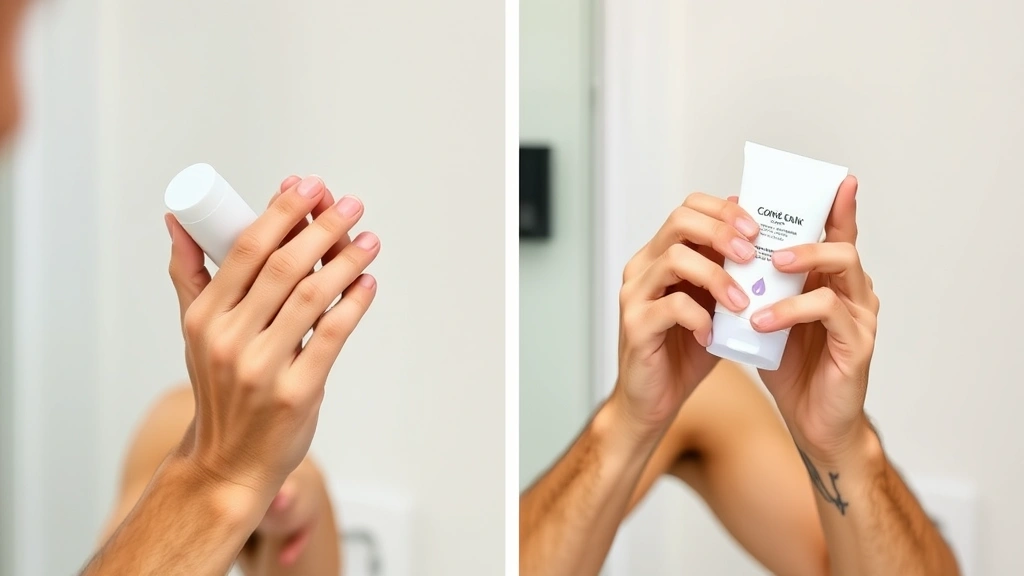
A robust men’s skincare routine doesn’t require dozens of products. The foundation consists of four essential steps: cleansing, exfoliating, treating, and protecting. Each step serves a specific purpose in maintaining skin health and addressing male-specific concerns.
Step 1: Cleansing
Proper cleansing removes daily accumulation of sweat, sebum, environmental pollutants, and shaving residue. Men should cleanse twice daily—morning and evening—using a cleanser formulated for their skin type. For oily or combination skin, a gel or foaming cleanser with mild surfactants works well. Those with sensitive skin should choose gentle cleansers that won’t disrupt the skin barrier.
The technique matters as much as the product. Use lukewarm water (not hot, which can over-strip skin) and massage the cleanser in circular motions for 60 seconds, paying special attention to areas prone to congestion. Rinse thoroughly and pat dry gently—rubbing aggressively can irritate skin and trigger inflammation.
Step 2: Exfoliation
Exfoliation removes dead skin cells that can trap bacteria and sebum, leading to congestion and dull complexion. Men should exfoliate 2-3 times weekly, not daily. Chemical exfoliants (AHAs and BHAs) are preferable to physical scrubs because they’re less irritating and more effective at clearing pores. Salicylic acid (a BHA) is particularly beneficial for men’s skincare because it penetrates oily skin effectively and addresses acne-causing bacteria.
Step 3: Treatment
The treatment step targets specific concerns using serums, essences, or targeted treatments. This is where hydrating ingredients like hyaluronic acid become valuable, providing moisture without heaviness. Men dealing with aging concerns should consider retinol or peptide-based treatments, while those with acne benefit from niacinamide or salicylic acid treatments.
Step 4: Moisturizing and Sun Protection
Even oily-skinned men need moisturizer. A lightweight, oil-free moisturizer hydrates without creating shine or exacerbating congestion. Apply to damp skin to lock in hydration. In the morning routine, always follow with broad-spectrum SPF 30 or higher. Sun damage is the primary driver of premature aging, and many men neglect this crucial step. Daily sunscreen prevents not only wrinkles and age spots but also reduces skin cancer risk.
Addressing Shaving-Related Skin Issues
Shaving is a daily ritual for most men, and the mechanical trauma it creates demands specific skincare attention. Razor blades create micro-abrasions, remove the outer skin layer, and can cause irritation, ingrown hairs, and razor burn. A comprehensive men’s skincare approach must address these concerns.
Pre-shave preparation: Soften facial hair with warm water and a pre-shave oil or balm. This reduces friction and allows the blade to glide smoothly. A quality shaving cream or gel provides lubrication and further protects the skin barrier.
Post-shave care: After shaving, resist the urge to apply harsh aftershaves high in alcohol. Instead, use an aftershave balm or a soothing treatment containing calming ingredients like chamomile, aloe, or allantoin. These reduce redness, prevent irritation, and support the skin barrier’s recovery. For those prone to ingrown hairs, a gentle exfoliating treatment 2-3 times weekly prevents hair from curling back into the skin.
Sensitive skin considerations: Men with sensitive skin should opt for single-blade or electric razors that create less trauma than multi-blade cartridge razors. Choosing appropriate skincare products for sensitive skin becomes even more critical when shaving regularly.
Targeting Specific Skin Concerns
While the four-step routine provides a foundation, men often need to address specific concerns that require targeted interventions.
Acne and Congestion
Adult male acne frequently stems from hormonal influences, excess sebum production, and poor exfoliation. Beyond the basic routine, incorporate a targeted acne treatment containing salicylic acid or benzoyl peroxide. Niacinamide serums also help regulate sebum production and reduce inflammation. Consistency is key—acne treatments require 4-8 weeks to show significant improvement.
Large Pores
While pore size is largely genetic, proper skincare can minimize their appearance. A comprehensive routine for large pores includes regular exfoliation, oil control, and treatments that improve skin texture. Retinol strengthens skin structure and can make pores appear smaller over time.
Redness and Sensitivity
Men with rosacea or reactive skin need calming, barrier-supporting formulations. Effective strategies to reduce skin inflammation include avoiding common irritants (fragrances, essential oils, high-strength actives) and incorporating soothing ingredients like centella asiatica, niacinamide, and ceramides.
Signs of Aging
Fine lines, wrinkles, and loss of elasticity respond well to retinol, peptides, and antioxidants. Vitamin C serums brighten and protect, while hyaluronic acid provides plumping hydration. Consistent sunscreen use prevents further damage, making it the most effective anti-aging strategy available.
Advanced Ingredients for Men’s Skincare
Understanding key skincare ingredients empowers men to select products that address their specific needs. For men cosmetics, certain ingredients consistently deliver results.
Retinol and Retinoids: These vitamin A derivatives are gold-standard anti-aging ingredients that boost collagen production, improve texture, and reduce fine lines. Start with lower concentrations (0.25-0.3%) and gradually increase as skin acclimates. Use only at night, as retinoids increase sun sensitivity.
Niacinamide: This vitamin B3 derivative regulates sebum production, strengthens the skin barrier, and reduces inflammation. It’s particularly valuable for men with oily or acne-prone skin and works well alongside other actives.
Salicylic Acid (BHA): A beta hydroxy acid that penetrates oily skin and unclogs pores. It’s ideal for congestion, blackheads, and acne. Use 2-3 times weekly to avoid over-exfoliation.
Hyaluronic Acid: Despite its name, this humectant is lightweight and perfect for men’s skincare. It holds up to 1000 times its weight in water, providing hydration without heaviness. Apply to damp skin for optimal absorption.
Peptides: These amino acid chains signal skin to produce more collagen, improving firmness and elasticity. They’re excellent for aging skin and work synergistically with other anti-aging ingredients.
Antioxidants: Vitamin C, vitamin E, and green tea extract protect skin from free radical damage and environmental stressors. They brighten complexion and support the skin barrier.
Azelaic Acid: This multifunctional ingredient addresses acne, rosacea, and hyperpigmentation. It’s particularly useful for men dealing with post-inflammatory hyperpigmentation from acne.
Product Selection and Application Tips
Selecting appropriate products requires understanding your skin type and concerns. Men should avoid common mistakes that undermine skincare effectiveness.
Skin Type Assessment
Determine whether you have oily, dry, combination, or sensitive skin. Oily skin benefits from lightweight, oil-free formulations and regular exfoliation. Dry skin requires richer moisturizers and gentle, hydrating cleansers. Combination skin (oily T-zone, normal or dry cheeks) may need different products for different areas. Sensitive skin demands fragrance-free, minimal-ingredient formulations.
Application Sequence
Apply products in order of consistency, from thinnest to thickest: cleanser, exfoliant, toner (if using), serum, treatment, moisturizer, sunscreen (AM only). This sequence ensures optimal absorption and prevents pilling or layering issues.
Quantity and Frequency
More product doesn’t equal better results. A pea-sized amount of serum or treatment is typically sufficient. Start new actives slowly—introduce one product every 1-2 weeks to monitor tolerance. Patience is essential; most skincare ingredients require 4-12 weeks to demonstrate visible results.
Consistency Over Perfection
The best skincare routine is one you’ll actually follow. A simple, consistent routine outperforms a complicated one abandoned after two weeks. Establish a realistic regimen you can maintain long-term, even when traveling or busy.
FAQ
How often should men exfoliate?
Men should exfoliate 2-3 times weekly with chemical exfoliants. Over-exfoliation damages the skin barrier and triggers inflammation. Those new to exfoliation should start once or twice weekly and gradually increase frequency.
Is moisturizer necessary for oily skin?
Yes. Even very oily skin needs hydration. Skipping moisturizer causes the skin barrier to become compromised, triggering compensatory sebum production. Use a lightweight, oil-free moisturizer to hydrate without exacerbating oiliness.
Can men use the same skincare as women?
Many skincare ingredients and formulations work equally well for all skin types and genders. However, products formulated specifically for men often account for thicker skin, higher sebum production, and shaving-related concerns, making them more targeted solutions.
When should men start anti-aging skincare?
Prevention is more effective than correction. Men should incorporate sunscreen in their 20s and add antioxidants in their 30s. Retinol can begin in the late 20s or early 30s, depending on individual aging signs and skin sensitivity.
How long until skincare results are visible?
Most skincare ingredients require 4-8 weeks to show noticeable improvements. Retinol and stronger actives may take 8-12 weeks. Consistency matters more than immediate results; discontinuing products prematurely prevents you from experiencing their benefits.
Should men use separate products for face and body?
Yes. Facial skin is thinner and more sensitive than body skin. Facial products are formulated with this in mind, containing higher concentrations of actives and gentler surfactants. Body products are typically less potent and may irritate facial skin.