Table of Contents
Introduction
Ouch. That familiar sting tells you everything—you’ve overdone it in the sun again. Sunburn redness isn’t just uncomfortable; it’s your skin waving a red flag (literally) that it needs help. Whether you’re a dedicated beach-goer, love hiking trails, or just got caught off guard during a deceptively sunny afternoon, sunburn can leave you looking like a lobster and feeling twice as miserable.
Here’s what’s actually happening under that angry red skin: UV radiation has damaged your skin’s upper layers, causing blood vessels to dilate and create that telltale flush. Think of it as your body’s alarm system going off. While the redness is obvious right now, the real concern is the long-term damage brewing beneath the surface if you don’t treat it properly. That’s exactly why knowing how to tackle sunburn redness matters—not just for immediate relief, but for your skin’s future health. And if your skin tends to be on the sensitive side? Well, choosing the right products becomes even more critical. Learning how to select skincare products for sensitive skin can make the difference between healing and making things worse.
Now, here’s something most people don’t think about: hydration isn’t just about what you put on your skin. Your water bottle might be your secret weapon right now. When you’re sunburned, your body has lost moisture, and drinking plenty of water helps replenish what’s gone while supporting your skin’s natural repair process. It’s like giving your skin the building blocks it needs to heal from the inside out. Pair that internal hydration with the right topical treatments, and you’ve got a winning combination for reducing inflammation and calming that angry redness. Because let’s be honest—nobody wants to deal with dry, flaky skin peeling off in sheets a few days from now.
Sometimes the gentlest approach works best. Take aloe vera—it’s not just an old wives’ tale. This green wonder actually contains anti-inflammatory compounds that can cool your skin while providing deep moisture. The benefits of aloe vera gel for face go beyond just feeling good; it actively helps reduce redness and provides antioxidant protection while your skin repairs itself. Combining natural remedies like this with proven medical treatments gives you a gentle yet effective approach to healing.
What You’ll Learn in This Guide
Ready to turn that lobster-red situation around? This guide will walk you through everything you need to know about treating sunburn redness safely and effectively. We’re covering the immediate must-dos, gentle home remedies, and smart prevention strategies so this doesn’t happen again. Here’s what we’ll tackle together:
- Understanding the Causes: Learn about UV radiation and factors that increase sunburn risk, so you can better protect your skin in the future.
- Immediate Treatment Techniques: Discover effective ways to cool your skin, hydrate your body, and apply over-the-counter products to minimize redness and discomfort.
- Home Remedies for Relief: Explore natural treatments like aloe vera, oatmeal baths, and cool compresses which help to soothe and heal your skin gently.
- Prevention Strategies: Gain practical tips for sun protection including proper sunscreen use, clothing choices, and timing your outdoor exposure to avoid sunburns.
But we’re not stopping at just emergency treatment. While you’re healing from this sunburn, it’s the perfect time to think about your overall skincare routine. Knowing how to soothe irritated skin in general will serve you well beyond just sunburn recovery—your skin will thank you for the extra TLC.
We’ll start with the immediate steps you can take right now to cool and calm your skin, then move into gentle remedies and products that actually work (not just feel nice). Most importantly, we’ll talk about how to protect yourself better going forward—because prevention really is the best medicine when it comes to sun damage.
By the time you finish reading this guide, you’ll have a complete action plan for dealing with sunburn redness, plus the knowledge to prevent it from happening again. Your skin’s health and appearance don’t have to suffer just because you love being outdoors. Ready to start feeling better and get your skin back to its happy, healthy state? Let’s dive in with solutions that actually work.
We’ve all been there—that moment when you realize you’ve stayed out in the sun a little too long, and your skin starts looking like a lobster. Sunburn redness isn’t just embarrassing; it’s your skin’s way of waving a red flag (literally) that UV damage has occurred. When those ultraviolet rays hit your skin, they trigger inflammation and cellular damage that leaves you red, tender, and probably regretting that extra hour by the pool. But here’s the good news: understanding why this happens and knowing how to treat it can make all the difference in how quickly you bounce back. Let’s break down what’s really going on when your skin turns red, explore some tried-and-true treatment methods, and talk about how to keep this from happening again.
Understanding the Causes and Risk Factors of Sunburn Redness
So what exactly happens when your skin gets that telltale red glow? It all comes down to UV radiation from the sun doing a number on your skin cells. Think of it like this: UV rays are basically tiny hammers that pound away at your skin, causing damage that triggers your body’s alarm system—inflammation. Now, there are two main culprits here: UVA and UVB rays. UVA rays are the sneaky ones—they dive deep into your skin and work on long-term damage like wrinkles and age spots. UVB rays, on the other hand, are the troublemakers that give you that immediate red, burning sensation. Both are bad news, but understanding the difference helps explain why broad-spectrum protection matters so much.
Not everyone burns the same way, though. Your risk factors can make you either a sitting duck or somewhat more protected when it comes to sunburn. Fair-skinned folks with light hair and eyes? You’re unfortunately in the high-risk category because you have less melanin—that’s your skin’s natural sunscreen. The timing matters too. Those peak sun hours between 10 a.m. and 4 p.m.? That’s when the sun is throwing its strongest punches. And if you’re somewhere closer to the equator or up in the mountains, you’re getting an extra dose of UV intensity. Here’s something that catches people off guard: reflective surfaces like water, snow, or even sand can basically double-team you with UV exposure. It’s like getting sunburned from below and above at the same time.
Key Aspects of Understanding Sunburn Causes
When you’re trying to wrap your head around sunburn causes and risks, these are the big-picture points that really matter:
- UVA vs UVB Rays: Think of UVA as the long-term troublemaker—it goes deep and causes aging and skin damage over time. UVB is your immediate problem, giving you that painful red burn. You need protection from both, which is why “broad-spectrum” sunscreen isn’t just marketing fluff.
- Skin Type Sensitivity: If you’re pale, you’re basically walking around with less natural armor against UV damage. It’s not fair, but it’s genetics. Knowing your skin type helps you plan better protection strategies.
- Peak Sun Exposure Times: Midday sun is no joke—that’s when UV radiation is at its strongest. If you can avoid being outside during these hours, you’re already ahead of the game.
- Environmental Amplifiers: Water, sand, and snow don’t just look pretty—they’re reflecting UV rays right back at you. It’s like being surrounded by mirrors that bounce sunlight onto your skin from every angle.
Getting a handle on these factors means you can actually do something about preventing sunburn instead of just crossing your fingers and hoping for the best. But what if it’s too late and you’re already sporting that lobster look? Let’s talk about damage control.
Immediate and Natural Treatment Options for Sunburn Redness
Okay, so you’ve got sunburn—now what? First things first: you need to cool things down, literally. Your skin is basically on fire right now, so anything cold is going to be your friend. Cold compresses or a cool (not ice-cold) bath can work wonders for bringing down that heat and soothing angry skin. Just don’t go overboard—you want cool relief, not frostbite on top of sunburn. And here’s something people often forget: you’re probably dehydrated. Sunburn sucks moisture out of your skin and your whole body, so start chugging water like it’s your job.
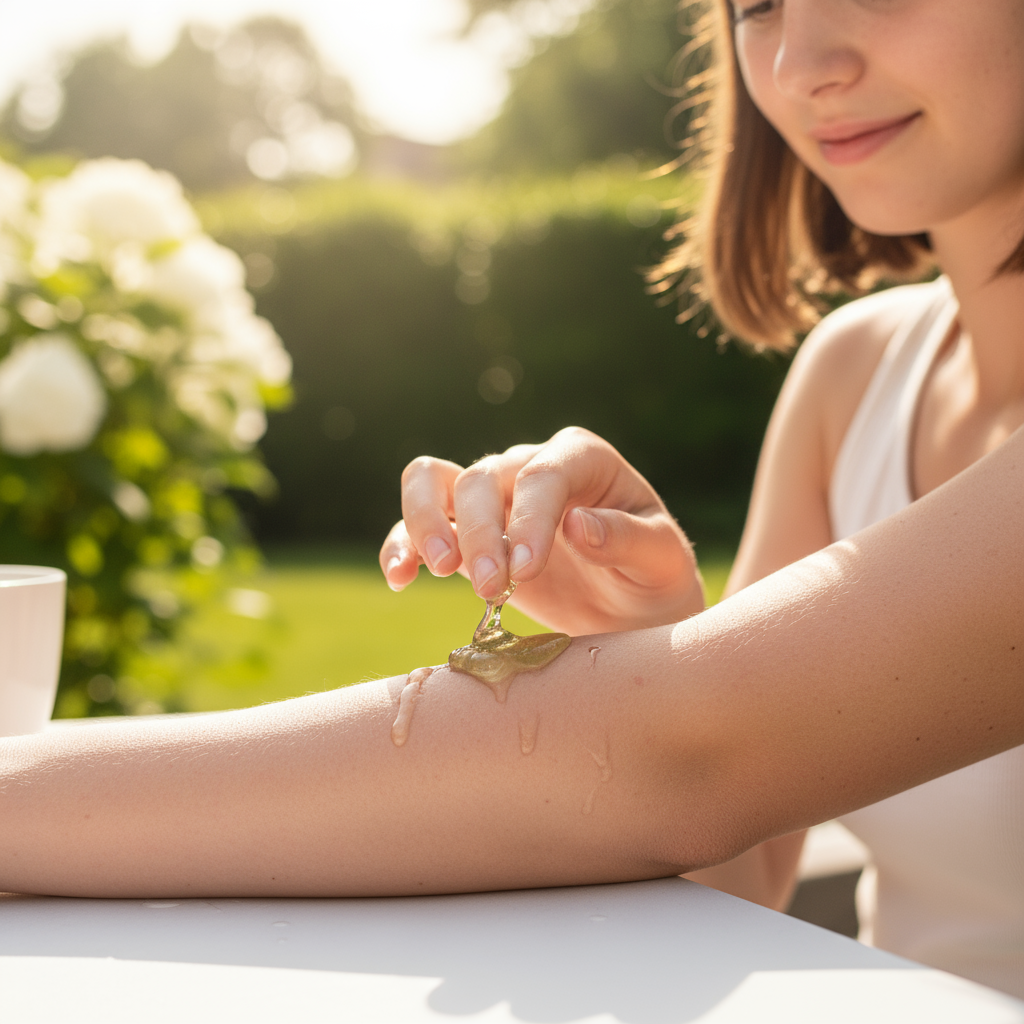
Now for the good stuff—treatments that actually work. Aloe vera isn’t just some old wives’ tale; it’s genuinely amazing for sunburned skin. The real gel (not the bright green stuff with alcohol in it) has anti-inflammatory properties that calm irritated skin while adding much-needed moisture. If you’ve got some hydrocortisone cream lying around, that can help with the itching and redness too—just don’t go crazy with it. And don’t underestimate good old-fashioned ibuprofen. It tackles inflammation from the inside out, which can really help with both pain and that angry red color.
Essential Points on Treating Sunburn Redness
When you’re dealing with sunburn redness, these treatment basics will get you back on track:
- Cooling Methods: Cold compresses or cool baths are your first line of defense. They bring down skin temperature and provide immediate relief—just what your inflamed skin is crying out for.
- Hydration: Drink more water than you think you need. Sunburn is dehydrating, and your skin needs all the help it can get to repair itself from the inside out.
- Topical Applications: Real aloe vera gel is like a drink of water for your skin—it moisturizes and has natural healing properties without irritation. Hydrocortisone cream can help with itching and redness, but use it sparingly and not for too long.
- Pain Relief: Anti-inflammatory drugs like ibuprofen don’t just help with pain—they actually reduce the inflammation that’s causing all that redness and discomfort.
The key is to start these treatments as soon as you notice the burn. Most mild to moderate sunburns will respond well to this approach, and you’ll be surprised how much better you feel within a day or two. Just remember—if things get worse instead of better, or if you develop severe symptoms, it’s time to call a doctor. Your skin is trying to heal itself, but sometimes it needs professional backup.

Let’s be real about sunburn redness—it’s your skin’s way of waving a red flag (literally) to tell you something’s wrong. Those UV rays, both UVA and UVB, don’t mess around. They dive deep into your skin’s upper layers, causing all that inflammation, tenderness, and angry redness you’re dealing with right now. The good news? Once you understand what triggers sunburn—your skin type, how long you’ve been baking in the sun, where you are geographically, and those sneaky reflective surfaces like water and snow—you can actually get ahead of the game. And when sunburn does happen, knowing how to cool and hydrate your skin properly makes all the difference in how quickly you bounce back.
Here’s the thing about treating sunburn: it’s all about balance. You want to soothe that angry skin while giving it space to do what it does best—heal itself. Cool compresses and lukewarm baths are your best friends right now (trust me, your skin will thank you). But here’s what many people miss—hydration isn’t just about what you put ON your skin. Drinking plenty of water helps your body repair from the inside out. Those over-the-counter heroes like aloe vera and hydrocortisone cream? They’re solid choices for tackling redness and that maddening itch. And if you’re more of a natural remedies person, oatmeal baths and milk compresses can work wonders without any harsh chemicals. The real win, though, is prevention—sunscreen, protective clothing, and ducking indoors during those brutal midday hours.
Ready to take action? Start with a gentle skincare routine that won’t irritate your already compromised skin. Your skin needs all the TLC it can get right now. Check out our guide on skincare products for sensitive skin to find products that’ll actually help instead of making things worse. If you’re dealing with active irritation (and let’s face it, sunburn is pretty much the definition of irritated skin), our resource on how to soothe irritated skin has some game-changing strategies. And can we talk about aloe vera for a second? This plant is basically nature’s sunburn superhero. Dive into our article about benefits of aloe vera gel for face to learn how to use it properly—because yes, there’s a right way and a wrong way.
Now, about that hydration we mentioned earlier. We’re not just talking about slathering on moisturizer (though that helps too). What you drink matters more than you might think. Our piece on benefits of drinking water breaks down exactly how staying hydrated speeds up healing and keeps your skin looking its best. It’s one of those simple things that makes a huge difference.
One last thing—and this is important. If you’re seeing blisters, experiencing severe pain, running a fever, or notice any signs of infection, don’t tough it out. Get to a doctor. Sunburn can be more serious than people realize. But with everything we’ve covered here, you’ve got the tools to handle most sunburn situations like a pro. Take care of your skin now, learn from this experience, and you’ll have a much healthier relationship with the sun going forward. Your future self will definitely appreciate it.
Frequently Asked Questions
-
How long does sunburn redness usually last?
- Sunburn redness typically lasts a few days but can vary depending on the severity of the burn and individual skin type.
-
Can sunburn redness be treated with home remedies alone?
- Mild sunburn redness often responds well to home remedies, but severe burns or symptoms like blistering should be evaluated by a healthcare professional.
-
Is it safe to use hydrocortisone cream on sunburn?
- Hydrocortisone cream can be used short-term to reduce inflammation and itching, but it’s important to follow the product instructions and consult a doctor if unsure.
-
What are the best ways to prevent sunburn?
- Effective prevention includes regular use of broad-spectrum sunscreen, wearing protective clothing, and avoiding sun exposure during peak UV hours.
-
When should I see a doctor for sunburn?
- If you experience severe pain, extensive blistering, fever, or signs of infection, seek medical attention promptly to avoid complications.