
Table of Contents
Introduction
Your skin is angry, and you can feel it. That uncomfortable burning, the persistent itch, the redness that seems to appear out of nowhere—sound familiar? You’re definitely not alone in this. Millions of people deal with skin inflammation every single day, and honestly, it’s one of those things that can really mess with your confidence and comfort.
Here’s what most people don’t realize: when your skin gets inflamed, it’s not just about looking a little red or feeling itchy. Your skin’s protective barrier—think of it like your body’s bouncer—gets compromised. This leaves you wide open to infections and a whole host of other skin problems. Not exactly what you signed up for, right?
The triggers are everywhere. Allergic reactions from that new detergent you tried. Environmental irritants like pollution or harsh weather. Sometimes it’s an underlying health condition throwing your skin into chaos. That’s why getting the right skincare products matters so much, especially when your skin is already feeling sensitive. Learning how to select and care for sensitive skin products can be a game-changer for managing those frustrating symptoms.
Now, here’s something crucial that people often overlook: infections. When inflammation goes unchecked, infections can sneak in and make everything worse. Way worse. Recognizing the warning signs early and knowing effective treatment options for skin infections can save you weeks of misery. Beyond the medical stuff, there are gentle, natural approaches that can bring real relief. The methods to soothe irritated skin that actually work can make your daily routine so much more manageable.
But wait—there’s more to this story than just what you put on your skin. Your lifestyle plays a huge role too. Regular exercise? It’s like a secret weapon against inflammation. When you get moving, you’re not just getting stronger—you’re actually helping your body fight inflammation from the inside out. The benefits of regular physical activity extend way beyond the gym, boosting circulation and giving your skin that healthy glow you’ve been missing.
And let’s talk about food for a minute. (Because everything always comes back to food, doesn’t it?) What you eat directly impacts your skin’s inflammation levels. Those omega-3 fatty acids everyone keeps talking about? They’re not just good for your heart—they’re incredible for calming angry skin. Understanding the benefits of omega 3 fatty acids and working them into your diet can provide the kind of support your skin has been craving.
What You’ll Learn in This Guide
This guide is going to walk you through everything you need to know about tackling skin inflammation head-on. We’re covering all the bases, so you’ll have a complete toolkit for healthier skin:
- Understanding the Causes: We’ll dig into what’s actually triggering your skin’s inflammatory response—allergies, infections, environmental nasties, and chronic conditions. Once you know your triggers, you can start avoiding them.
- Identifying Symptoms: Learn to spot the telltale signs early: redness, swelling, that maddening itch, pain, and peeling. The sooner you catch it, the faster you can treat it.
- Treatment Strategies: From tried-and-true home remedies to over-the-counter solutions and when you need to call in the medical pros. Plus, we’ll cover how to baby your skin barrier with the right moisturizing and gentle care routines.
- Prevention and Care Tips: Real-world strategies to keep inflammation from coming back. We’re talking about dodging allergens, managing stress (because yes, stress shows up on your skin), and choosing products that won’t betray you.
By the time you finish this guide, you’ll feel confident managing your skin inflammation and maintaining the comfortable, healthy skin you deserve.
We’re going to start by breaking down exactly what causes skin inflammation—because you can’t fix what you don’t understand. Then we’ll move into recognizing those early warning signs that can save you from a full-blown flare-up. You’ll get the inside scoop on treatment options that actually work, including gentle routines perfect for sensitive skin that’s been through the wringer. If you’re interested in building your skin’s natural defenses, we’ll also explore natural ways to boost collagen production for stronger, more resilient skin.
Prevention is where the real magic happens, though. We’ll cover practical strategies to keep future outbreaks at bay and maintain your skin’s health long-term. You’ll also learn when it’s time to wave the white flag and get professional help—because sometimes you need backup, and that’s perfectly okay.
The goal here isn’t just to stop the discomfort (though that’s definitely part of it). It’s about getting your confidence back and feeling good in your own skin again. Ready to dive in? Let’s start with understanding what’s actually causing your skin to rebel in the first place.
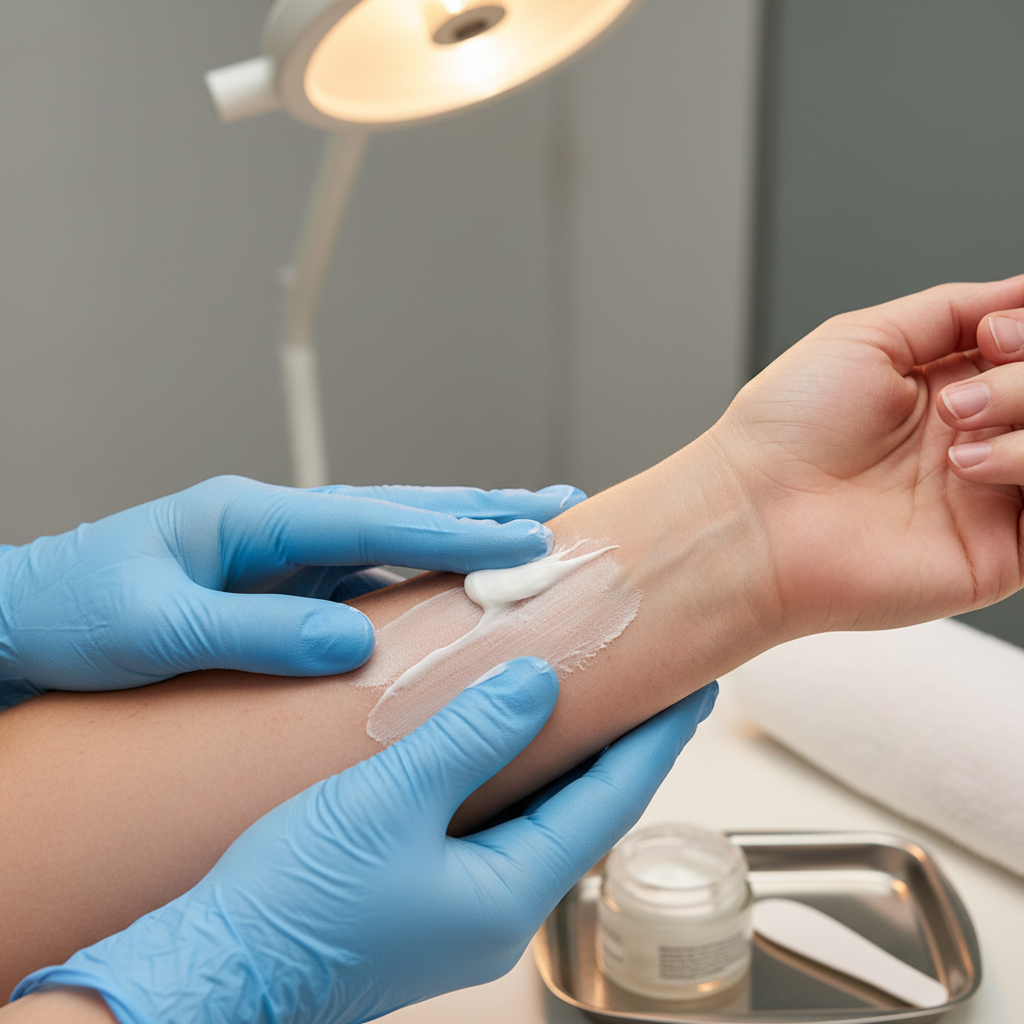
Now that we’ve covered the basics of skin inflammation, let’s dig into what actually causes it—and more importantly, what you can do about it. Here’s the thing: skin inflammation isn’t just one simple problem with one simple solution. It’s your skin’s way of saying “something’s not right here,” and that something could be any number of triggers. The good news? Once you understand what’s setting off your skin, you can take real steps to calm things down and keep future flare-ups at bay. We’re going to walk through the most common culprits behind inflamed skin, then explore practical ways to treat it (both the stuff you can try at home and when it’s time to call in the professionals).
What Causes Skin Inflammation?
Your skin is constantly playing defense against the world around it. Sometimes, though, that defense system goes into overdrive—and that’s when you get inflammation. Think of it as your skin’s alarm system: redness, swelling, heat, and that annoying burning or itching sensation are all signs that something has triggered a response. But what exactly sets off this alarm?
The triggers are surprisingly varied. Maybe it’s an allergic reaction where your immune system treats something harmless (like a new face cream) as a major threat. Could be an infection—bacteria, viruses, or fungi trying to make themselves at home on your skin. Or perhaps you’re dealing with a chronic condition like eczema or psoriasis, where your skin just seems to have its own agenda. Don’t forget about environmental troublemakers either: harsh soaps, pollution, extreme weather, or even physical injuries like cuts and scrapes.
Here’s what makes this tricky—you might be dealing with multiple triggers at once. That’s why figuring out your specific situation matters so much. If allergies are your problem, playing detective to find and avoid those allergens becomes crucial. Got an infection? You’ll want to tackle that quickly before it gets worse. Chronic conditions usually need ongoing attention and a skincare routine that actually works with your skin instead of against it. And if environmental factors are causing havoc, a little prevention goes a long way. For some practical tips on calming irritated skin from various causes, check out how to soothe irritated skin.
Common Causes of Skin Inflammation
Let’s break down the usual suspects that cause skin inflammation—these are the ones dermatologists see most often:
- Allergic Reactions: Your immune system mistakes something innocent (pollen, certain foods, skincare ingredients) for an enemy and launches an attack. The result? Red, itchy, swollen skin that can show up immediately or hours later.
- Infections (Bacterial, Viral, Fungal): When unwanted microorganisms crash the party on your skin, your body fights back with inflammation. It’s trying to help, but the process often comes with discomfort and potential skin damage if left untreated.
- Chronic Skin Conditions: Eczema, psoriasis, and similar conditions involve your immune system getting its wires crossed. The inflammation keeps coming back because the underlying issue is ongoing—not a one-time event.
- Environmental Irritants: Harsh soaps, detergents, city pollution, crazy weather—all these can wear down your skin’s protective barrier. Once that barrier is compromised, inflammation often follows.
- Physical Injury or Trauma: Cuts, burns, bruises, even repeated friction (hello, ill-fitting shoes) trigger inflammation as part of your body’s natural healing process.
Recognizing which of these applies to your situation helps you target your treatment approach. Speaking of treatment—let’s talk about what actually works to calm inflamed skin.
Treatment Options for Reducing Skin Inflammation
When your skin is angry, you want relief—and you want it now. The good news is there are plenty of ways to tackle inflammation, from simple things you can do at home to more advanced medical treatments for stubborn cases. The key is matching the treatment to the problem.
Home remedies are often your first line of defense. They’re accessible, usually gentle, and can provide surprising relief for mild to moderate inflammation. Think cool compresses, the right moisturizers, and simply avoiding what’s irritating your skin in the first place. But sometimes you need bigger guns—prescription medications that can dial down your immune response or target infections directly.
The sweet spot? Often it’s combining both approaches. Using gentle, consistent home care while following medical treatment recommendations gives you the best shot at keeping inflammation under control. Don’t forget about lifestyle factors either—managing stress and staying away from known triggers can make a huge difference in how well your treatment works. If you’re dealing with sensitive, easily irritated skin, our guide on skincare products for sensitive skin can help you choose products that won’t make things worse.
Home Care Remedies for Skin Inflammation
These simple strategies can make a real difference in how your skin feels and looks. Best part? You probably have most of what you need already:
- Use of Cool Compresses: Grab a clean, damp cloth and apply it to inflamed areas for 10-15 minutes. The coolness helps reduce redness and swelling by calming blood vessels and soothing irritated nerves.
- Applying Over-the-Counter Anti-inflammatory Creams: Hydrocortisone creams can be lifesavers for mild inflammation and itching. Just follow the directions—more isn’t always better with these products.
- Moisturizing to Protect the Skin Barrier: This isn’t just about comfort (though that matters too). Regular moisturizing with gentle, fragrance-free products helps rebuild your skin’s protective barrier and prevents the dryness that can make inflammation worse.
- Avoiding Known Irritants: Sometimes the best treatment is prevention. Figure out what sets your skin off—certain products, fabrics, environments—and steer clear when possible.
While these home remedies work well for many people, don’t tough it out if your symptoms persist or get worse. That’s when it’s time to bring in professional help.
Medical Treatments for Skin Inflammation
When home care isn’t cutting it, medical treatments can provide the targeted relief you need. Your healthcare provider might recommend:
- Prescription Topical Steroids or Immunomodulators: These are the heavy hitters for inflammation. They work by calming down immune activity right where you need it most—perfect for conditions like eczema, psoriasis, and allergic reactions.
- Oral Anti-inflammatory Medications: For widespread or severe inflammation, oral medications can help control the problem from the inside out, giving you system-wide relief.
- Antibiotics if Infection is Present: When bacteria are part of the problem, antibiotics clear the infection and often take the inflammation down with it.
- Phototherapy in Some Chronic Cases: Controlled light therapy might sound futuristic, but it’s actually a proven way to help regulate immune function in chronic inflammatory skin conditions.
The right medical treatment depends on what’s causing your inflammation and how severe it is. That’s why working with a healthcare provider who understands your specific situation is so important. Combine good medical care with smart home management, and you’ve got a solid strategy for keeping skin inflammation in check.

Dealing with skin inflammation? You’re definitely not alone. This frustrating condition can pop up thanks to everything from allergic reactions and infections to chronic issues like eczema and psoriasis—not to mention environmental irritants and even minor injuries. Here’s why understanding these triggers matters: when you know what sets your skin off, you can actually do something about it. Those telltale signs—redness, swelling, that maddening itch, pain, warmth, or peeling—are your skin’s way of waving a red flag. Catch them early, and you’ll save yourself a lot of discomfort while helping your skin heal faster.
When it comes to treatment, you’ve got options (and that’s good news). For those milder flare-ups, home remedies can work wonders. Think cool compresses to calm the heat, over-the-counter anti-inflammatory creams, keeping your skin well-moisturized, and—this one’s huge—staying away from whatever triggered the problem in the first place. But sometimes your skin needs the big guns. Severe inflammation or signs of infection? That’s when prescription topical steroids, oral medications, antibiotics, or even phototherapy come into play. The sweet spot? Combining professional treatment with a gentle skincare routine that actually works with your sensitive skin, not against it.
Here’s the thing about prevention—it really is your best friend in this fight. Take some time to figure out your personal triggers (allergens, irritants, that soap that seemed innocent enough). Keep your skin clean but gentle, choose products that won’t aggravate things, stay moisturized, and don’t underestimate stress management. Your skin and your stress levels are more connected than you might think. A little prevention goes a long way toward keeping your skin happy and comfortable day after day.
Ready to dive deeper? Our detailed guide on skincare products for sensitive skin will help you navigate the sometimes overwhelming world of products that won’t make things worse. Worried about infections? Check out our comprehensive resource on how to treat skin infections—it’s packed with strategies for catching problems early and treating them effectively. And when you need immediate relief, our article on how to soothe irritated skin has practical tips and gentle remedies that actually work. Don’t forget about the stress connection either—our piece on effects of stress on the body might surprise you with how much your mental state affects your skin.
Armed with this knowledge, you can tackle skin inflammation with confidence instead of frustration. Building a skincare routine based on what actually works (not just what sounds good) will support your skin’s natural healing process and build up its resilience over time. Want to take things a step further? Our guide on how to boost collagen production naturally offers some great insights for keeping your skin strong and youthful. Bottom line: consistent care, avoiding your known triggers, and knowing when to call in professional help are your tickets to healthier, more comfortable skin. Your journey to calmer, happier skin? It starts with the choices you make today.
Frequently Asked Questions
-
Can diet affect skin inflammation?
- Absolutely—certain foods can definitely trigger or make skin inflammation worse, so eating a balanced diet rich in anti-inflammatory nutrients can really help keep symptoms in check.
-
Are natural remedies effective for reducing skin inflammation?
- Some natural remedies can be genuinely soothing for inflamed skin, but results vary from person to person; it’s always smart to check with a healthcare professional before making them your go-to solution.
-
How long does skin inflammation usually last?
- It really depends on what’s causing it and how you’re treating it—mild cases might clear up in just a few days, while chronic conditions need ongoing attention and management.
-
Is it safe to use steroid creams?
- When you follow directions and use them under medical supervision, steroid creams are both safe and effective for reducing inflammation, though using them for too long can sometimes cause side effects.
-
Can stress worsen skin inflammation?
- Yes, stress can absolutely make skin inflammation worse, which is why managing stress becomes such an important part of both treating and preventing flare-ups.