Is MAC Better Than Sephora? Makeup Artist Insights
When it comes to choosing between MAC Cosmetics and Sephora, professional makeup artists and beauty enthusiasts often find themselves at a crossroads. Both brands have carved significant niches in the cosmetics industry, but they operate under fundamentally different business models that affect everything from product quality to customer experience. MAC stands as an independent, professional-grade cosmetics brand with a legacy rooted in artistry, while Sephora functions as a multi-brand retailer offering curated selections from hundreds of cosmetic companies. Understanding which option serves your needs better requires examining their product formulations, price points, ingredient transparency, and overall value proposition.
The comparison between MAC and Sephora isn’t straightforward because you’re essentially comparing a single-brand cosmetics company with a department store-style retailer. However, this distinction matters significantly when considering factors like product consistency, ingredient sourcing, and makeup artist accessibility. Professional makeup artists frequently rely on MAC for their kit essentials, while everyday consumers often appreciate Sephora’s vast selection and return policy. This comprehensive guide explores both retailers from multiple angles, helping you determine which aligns better with your makeup needs, skin type, and beauty goals.
Understanding MAC Cosmetics: Professional-Grade Heritage
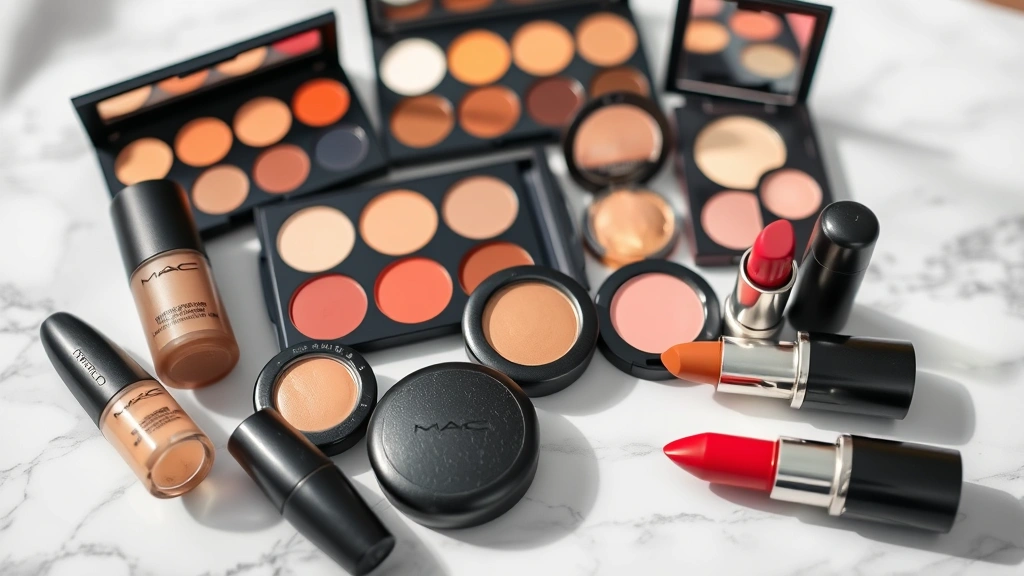
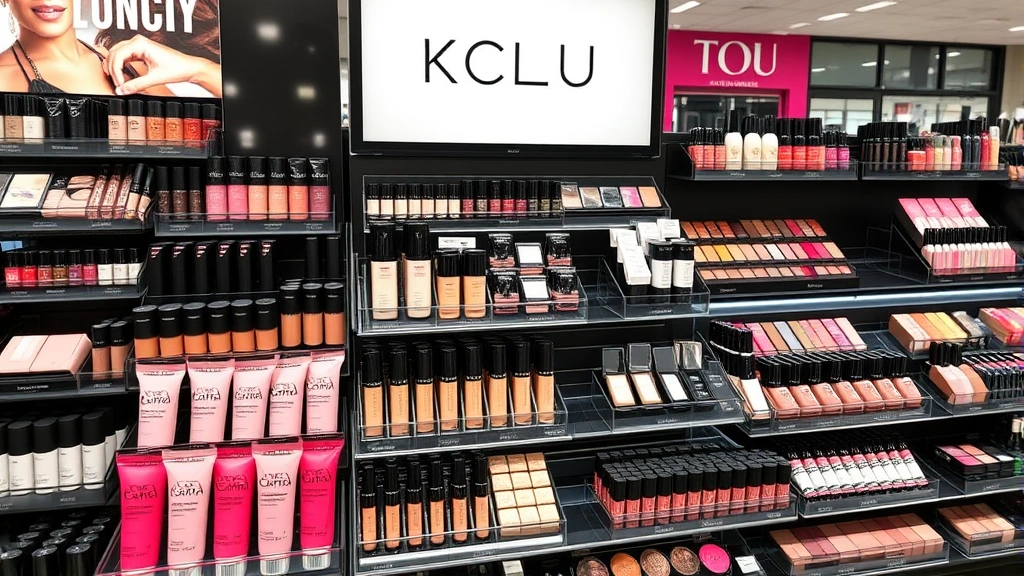
MAC Cosmetics, founded in Toronto in 1984, emerged from a makeup artist’s vision to create products specifically designed for professional use. The brand’s foundation rests on serving makeup artists, photographers, and performers who demanded pigment-rich, long-wearing formulas that could withstand stage lighting and extended wear. This heritage fundamentally shapes MAC’s product development philosophy, ingredient selection, and quality control standards. Professional makeup artists appreciate MAC because the brand consistently delivers high-performance formulas across their foundation, eyeshadow, and lipstick lines.
The professional-grade positioning means MAC invests heavily in pigmentation and lasting power. Their eyeshadow formulas contain carefully selected pigments that provide intense color payoff with minimal fallout. MAC’s foundation offerings span multiple undertone variations within each shade, recognizing that skin tone isn’t one-dimensional. The brand’s commitment to serving makeup artists means their customer service includes professional discount programs, makeup education, and direct feedback channels that influence product development. When you purchase MAC products, you’re investing in formulations created by and for makeup professionals who understand the demanding requirements of color accuracy and wear time.
However, MAC’s professional focus also means higher price points and less frequent sales compared to competitors. The brand maintains consistent pricing across retailers, reflecting their commitment to brand value and professional positioning. Additionally, MAC’s ingredient transparency varies by product category, with some formulas containing fragrance and preservatives that may not suit sensitive skin types. Professional makeup artists often overlook these considerations because durability matters more than gentleness during performance applications.
Sephora’s Multi-Brand Approach and Market Position
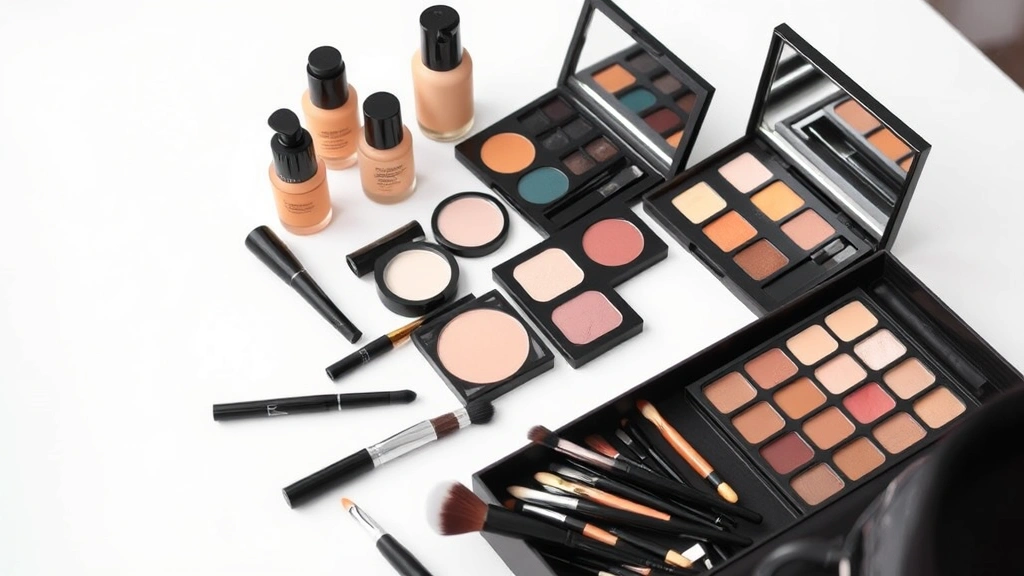
Sephora operates as a curated beauty retailer, stocking products from MAC, Fenty Beauty, Charlotte Tilbury, NARS, and hundreds of other brands. This multi-brand approach offers customers unprecedented selection and the ability to compare products within the same store. Sephora’s business model emphasizes accessibility, offering price points ranging from affordable to luxury, allowing consumers to find options that fit various budgets. The retailer serves as a discovery platform where customers can explore emerging brands alongside established names, making it ideal for those who enjoy variety and experimentation.
The Sephora experience prioritizes customer convenience through generous return policies, extensive testers, and educated beauty consultants. Their Insider loyalty program rewards frequent purchases with points, exclusive early access to sales, and birthday gifts. Sephora frequently runs promotions, seasonal sales, and beauty events that MAC rarely offers. For consumers seeking flexibility, variety, and deals, Sephora’s retail model delivers significant advantages. The brand has also embraced digital innovation with virtual try-on technology, detailed product reviews, and personalized recommendations based on browsing history.
However, Sephora’s strength in selection creates challenges in terms of consistency. Product quality varies dramatically across brands they carry. A customer might purchase excellent foundations alongside mediocre eyeshadows from different brands, requiring more research and trial-and-error compared to committing to a single brand’s ecosystem. Additionally, Sephora’s focus on volume and variety sometimes means less depth in educational resources compared to MAC’s professional training initiatives. The retailer’s vast inventory also makes quality control more complex, occasionally resulting in inconsistent product batches from different manufacturing runs.
Product Quality and Formula Consistency
MAC’s professional heritage translates to exceptional formula consistency across batches. The brand maintains rigorous quality control standards developed through decades of serving makeup artists who require absolute reliability. MAC eyeshadows consistently deliver saturated color with minimal fallout, a critical requirement for professional applications where makeup must last through hours of filming or performance. Their foundations blend seamlessly and provide buildable coverage without separation or oxidation issues that plague lower-quality formulas.
When comparing specific product categories, MAC excels in pigmented eyeshadows, long-wear lipsticks, and skin-tone matched foundations. The brand’s Fix+ setting spray has become an industry standard because its formula effectively sets makeup without disrupting underlying products. Their Studio Fix Fluid Foundation remains popular among makeup artists and consumers seeking full coverage with natural finish. These products maintain consistent quality year after year, allowing professionals to build reliable kit essentials.
Sephora’s product quality depends entirely on individual brands they carry. Some brands available at Sephora, like NARS and Fenty Beauty, deliver exceptional formula consistency comparable to MAC. Other brands prioritize trend-driven marketing over formula development, resulting in inconsistent quality. Consumers shopping at Sephora must research individual brands rather than relying on the retailer’s name as a quality guarantee. This requires more effort but rewards informed shoppers with access to truly excellent products across multiple price points.
For those concerned about cosmetic expiration date and product longevity, MAC’s stability and consistency offer peace of mind. The brand’s formulas maintain integrity over time, and their products don’t separate or degrade as quickly as some lower-quality alternatives. When purchasing from Sephora, pay attention to manufacturing dates and choose brands with proven track records for formula stability.
Ingredient Transparency and Safety Standards
MAC provides ingredient lists on their website and packaging, allowing consumers to identify potential allergens or problematic ingredients. However, the brand’s transparency varies by product type. Some MAC formulas contain fragrance and essential oils that may irritate sensitive skin, while others prioritize clean ingredients. Professional makeup artists historically prioritized performance over gentleness, explaining MAC’s inclusion of certain ingredients that might concern skincare-focused consumers. If you have aging skin or sensitivity concerns, carefully review MAC’s ingredient lists before purchasing.
MAC’s parent company, Estée Lauder, operates under strict regulatory compliance and conducts safety testing on all products. The brand adheres to FDA guidelines and international cosmetic safety standards. However, MAC does not publicly commit to eliminating certain controversial ingredients like parabens or silicones that some consumers prefer to avoid. Their professional positioning means ingredient selection prioritizes performance and stability over clean beauty trends.
Sephora carries brands with varying levels of ingredient transparency. Some brands offer complete ingredient breakdowns with explanations of each component’s function, while others provide minimal information. The Cosmetic Ingredient Review (CIR) panel evaluates safety of cosmetic ingredients, and reputable brands sold at Sephora comply with these standards. However, Sephora’s “clean beauty” section features brands emphasizing ingredient transparency and safety, making it easier for conscious consumers to find products aligned with their values.
For those concerned about ingredient safety during pregnancy or with specific skin conditions, Sephora’s diverse brand selection offers more options than MAC’s limited ingredient philosophy. The retailer stocks brands specifically formulated for sensitive skin, pregnancy-safe products, and clean beauty options that MAC doesn’t prioritize.
Price Comparison and Value Proposition
MAC’s pricing reflects their professional-grade positioning and single-brand distribution model. A MAC eyeshadow typically costs $16-18, while foundations range from $38-45. Lipsticks cost $18-20, and specialty products like their Fix+ spray run $20-25. These prices remain consistent across all retailers because MAC maintains strict pricing agreements. The brand rarely discounts products, though they occasionally release sale items or limited-edition collections at standard prices. For professional makeup artists building kits, MAC offers professional discounts that reduce costs by approximately 25-40%, offsetting higher retail prices.
Sephora’s pricing varies dramatically based on brand selection. Budget-friendly options from brands like Maybelline or Wet n Wild offer eyeshadows for $5-8 and foundations for $8-15. Mid-range brands like Tarte or Benefit position products at $18-35, while luxury brands like Charlotte Tilbury or Tom Ford command $60+ for similar product categories. This range means consumers can find value at any budget level, but also requires more research to identify best performers within price tiers.
When evaluating value, consider cost-per-use and product longevity. A $20 MAC eyeshadow lasting 2+ years with daily use costs approximately $0.03 per application. A $6 budget eyeshadow lasting 6 months costs roughly $0.04 per application, but may require more frequent application for adequate color payoff. For professional makeup artists, MAC’s higher prices deliver exceptional value through durability and consistency. For everyday consumers applying makeup 3-4 times weekly, Sephora’s budget options may offer better value despite lower performance.
Color Range and Inclusivity
MAC revolutionized the cosmetics industry by offering extensive shade ranges across all product categories. The brand’s foundation range includes 50+ shades spanning fair to deep skin tones with multiple undertone variations. This commitment to inclusivity emerged from MAC’s professional roots, where makeup artists needed products that matched diverse client skin tones. MAC’s eyeshadow range includes neutral, warm, cool, and unconventional colors, allowing artists to create looks for any skin tone and aesthetic preference.
However, MAC’s shade range, while extensive, doesn’t match Sephora’s combined offerings across multiple brands. Brands like Fenty Beauty expanded foundations to 40+ shades with unprecedented undertone accuracy, and other brands have similarly improved shade ranges. Sephora’s multi-brand approach means customers can compare shade ranges across different brands and choose the one offering the best match for their specific undertone and depth combination.
For consumers with deeper skin tones or unique undertones, Sephora’s variety offers advantages. Brands like Fenty Beauty prioritize shade inclusivity as a core brand value, offering foundations and concealers in ranges that MAC didn’t historically match. Similarly, eyeshadow brands available at Sephora offer diverse color options from warm bronzes to cool purples that suit various skin tones. If finding the perfect shade match is your priority, Sephora’s multi-brand selection typically offers more options than MAC alone.
Customer Service and Return Policies
MAC’s customer service reflects their professional positioning. The brand employs makeup artists as counter staff who provide application assistance and color matching. MAC offers makeovers and consultations, though availability varies by location. The brand’s return policy typically allows 60 days for returns with original receipt, though policies may vary by location. MAC’s professional discount program requires verification of makeup artist status, limiting accessibility for everyday consumers.
Sephora’s customer service emphasizes accessibility and convenience. The retailer’s famous return policy allows returns of opened, used products within 60 days without questions asked, a policy unmatched by most competitors. Sephora offers free makeovers, beauty consultations, and personalized shade matching for all customers. Their Insider loyalty program provides rewards, exclusive access to sales, and birthday gifts. The brand’s customer service team can discuss products from all brands they carry, helping customers navigate options and find alternatives if a particular product doesn’t work.
For consumers uncertain about product performance or shade match, Sephora’s generous return policy removes purchasing risk. If a foundation doesn’t match after opening, you can exchange it without penalty. MAC’s stricter return policy means you need greater confidence in your purchase before opening products. This difference significantly impacts the shopping experience, particularly for consumers new to makeup or unfamiliar with their undertone.
Sustainability and Ethical Practices
MAC’s parent company, Estée Lauder, has committed to sustainability initiatives including reducing plastic packaging and sourcing responsibly. The brand’s professional positioning historically prioritized performance over environmental concerns, but recent initiatives show evolving commitment to sustainability. MAC offers a recycling program where customers can return empty containers for free MAC lipstick, incentivizing product recycling. However, the brand’s packaging remains heavier and less eco-friendly compared to some competitors.
Sephora’s multi-brand approach means sustainability standards vary significantly. The retailer has launched a “Clean at Sephora” initiative featuring brands meeting specific ingredient and sustainability standards. However, Sephora also carries brands with questionable environmental practices and excessive packaging. Shopping sustainably at Sephora requires researching individual brands rather than relying on the retailer’s overall standards. The brand has committed to eliminating single-use plastic bags and offers incentives for customers bringing reusable containers.
If sustainability matters to your purchasing decisions, research individual brands before buying from Sephora, or consider homemade alternatives for certain beauty applications. MAC’s recycling program demonstrates environmental commitment, though the brand’s packaging still generates significant waste. Neither retailer currently leads the cosmetics industry in sustainability, making this a consideration rather than a deciding factor for most consumers.
FAQ
Are MAC products better quality than Sephora brands?
MAC products deliver exceptional quality and consistency due to their professional heritage and single-brand focus. However, Sephora carries multiple brands with comparable quality, including NARS, Fenty Beauty, and Charlotte Tilbury. Quality depends on the specific brand rather than the retailer. MAC excels in consistency, while Sephora offers variety at multiple quality levels.
Which option offers better value for everyday makeup users?
Sephora typically offers better value for everyday consumers because their price range spans budget to luxury options, and their generous return policy reduces purchasing risk. MAC’s higher prices make sense for professional makeup artists building comprehensive kits, but casual users may find better value through Sephora’s diverse brand selection.
Can I return opened MAC products?
MAC’s return policy allows returns within 60 days with original receipt, though policies may vary by location. Unlike Sephora, MAC doesn’t explicitly guarantee acceptance of opened, used products. Contact your local MAC counter for specific return policies before purchasing.
Does Sephora sell MAC products?
Yes, Sephora carries MAC Cosmetics products at most locations. You can shop MAC at Sephora and use your Insider rewards, though you won’t receive professional discounts available through MAC’s direct channels. Pricing remains consistent between MAC stores and Sephora.
Which retailer offers better customer service?
Sephora’s customer service excels in accessibility and convenience, with extensive makeover services and a generous return policy. MAC’s customer service emphasizes professional expertise, with makeup artist staff providing specialized guidance. Your preference depends on whether you value accessibility (Sephora) or professional expertise (MAC).
Is MAC better for sensitive skin?
MAC’s professional formulations sometimes contain fragrance and preservatives that may irritate sensitive skin. Sephora carries multiple brands specifically formulated for sensitive skin with minimal fragrance and hypoallergenic ingredients. For sensitive skin, Sephora’s variety offers more suitable options than MAC’s limited sensitive-skin line.
Which option provides better shade ranges?
While MAC offers extensive shade ranges, Sephora’s multi-brand selection typically provides more options overall. Brands like Fenty Beauty specifically prioritize shade inclusivity with 40+ foundation shades. For finding your perfect match, Sephora’s combined inventory usually exceeds MAC’s individual offerings.