Mini Cosmetics Fridge: Worth the Hype? Expert Review
The beauty industry has embraced a trendy new accessory: the mini cosmetics fridge. These compact cooling devices promise to extend product shelf life, enhance application comfort, and create the perfect storage solution for skincare enthusiasts. But do they deliver real benefits, or are they simply another Instagram-worthy gadget destined for your closet? As a makeup and skincare expert, I’ve tested multiple models and consulted with dermatologists to answer this question definitively.
Mini cosmetics fridges have exploded in popularity over the past three years, with beauty influencers and skincare devotees touting their benefits across social media platforms. The concept is simple: keep your serums, masks, eye creams, and foundations cool to preserve their efficacy and provide a refreshing application experience. However, the reality is more nuanced. Understanding which products actually benefit from refrigeration, how cold storage affects ingredient stability, and whether the investment makes financial sense requires careful consideration of both science and personal skincare needs.
What Is a Mini Cosmetics Fridge and How Does It Work?
A mini cosmetics fridge is a small, portable refrigeration unit specifically designed to store beauty products. These devices typically range from 4 to 10 liters in capacity and operate similarly to traditional mini-fridges, using thermoelectric cooling technology or compressor-based systems. Most models maintain temperatures between 45-65°F (7-18°C), significantly colder than room temperature but warmer than standard kitchen refrigerators.
The appeal lies in their aesthetic design and functionality. Unlike bulky kitchen fridges, cosmetics fridges are often sleek, mirrored, or decorated with trendy finishes that complement bedroom or bathroom décor. Many feature USB charging capabilities, LED lighting, and compact dimensions perfect for desks, nightstands, or vanities. Popular brands include Cooluli, Chefman, and Flawless, each offering various price points from $30 to $150.
The mechanics are straightforward: the device cools the interior chamber, creating an environment that slows down chemical reactions within beauty products. This lower temperature can help preserve active ingredients, reduce oxidation, and prevent bacterial growth in certain formulations. However, not all products benefit equally from this treatment, and improper storage can actually compromise some formulas.
Which Skincare Products Actually Benefit from Refrigeration?
Understanding which products thrive in cold storage is crucial before investing in a mini cosmetics fridge. Not every item in your cosmetic storage organizer needs refrigeration, and some products may actually suffer from it.
Products that genuinely benefit from refrigeration:
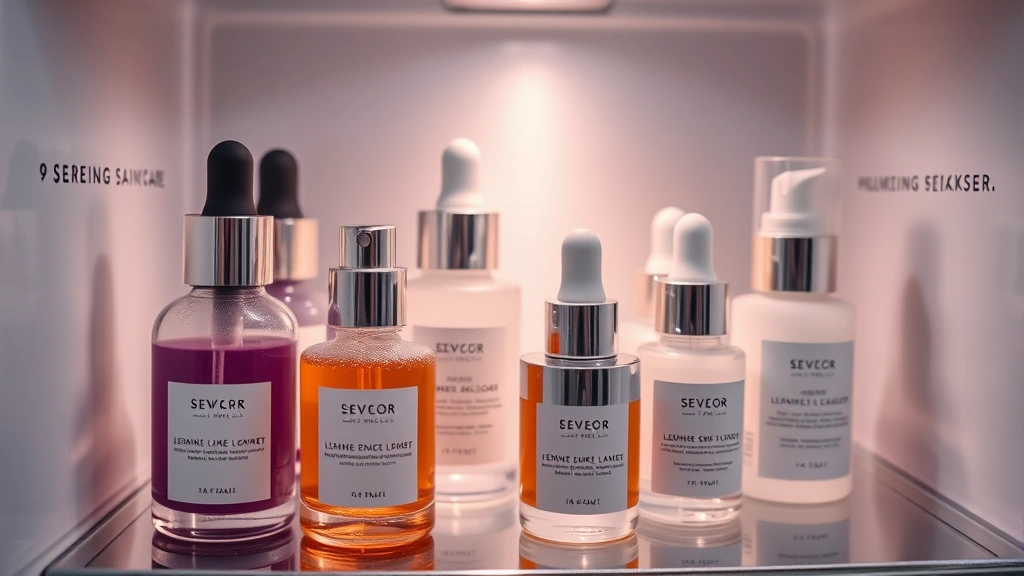
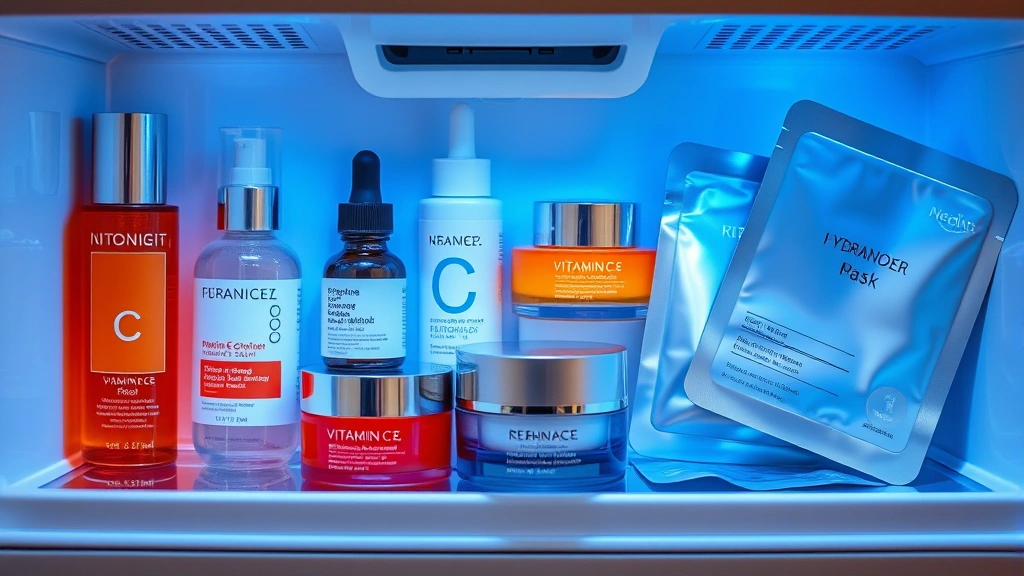
- Vitamin C serums: Ascorbic acid degrades rapidly when exposed to light, heat, and oxygen. Cold storage significantly slows this degradation process, maintaining the serum’s potency and efficacy over time.
- Retinol and retinoid products: These powerful anti-aging ingredients are notoriously unstable. Cool temperatures help preserve their structure and prevent premature breakdown before they penetrate the skin.
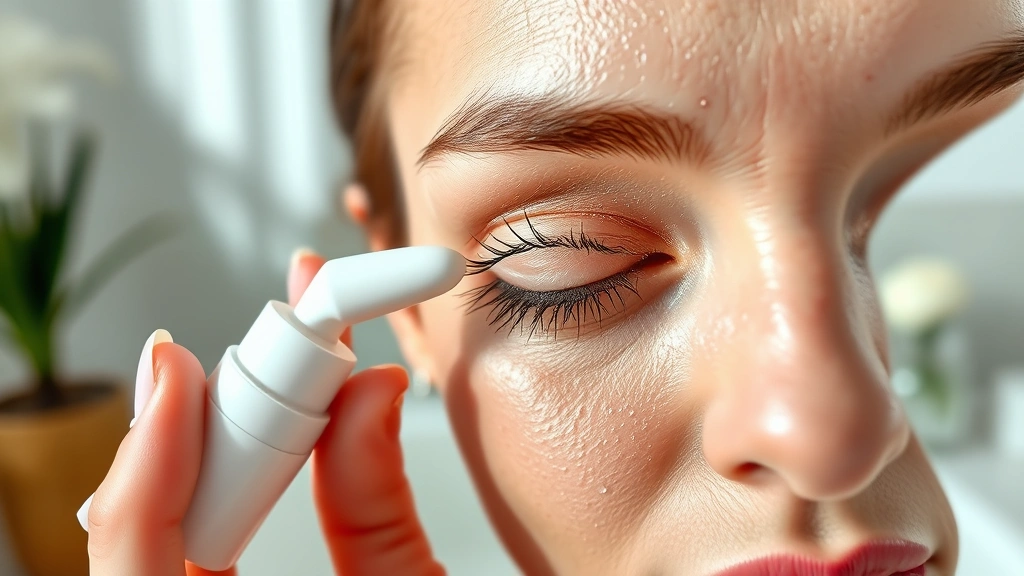
- Eye creams and under-eye serums: The delicate eye area benefits from cool application, which reduces puffiness and soothes irritation. Cold eye products provide immediate cosmetic benefits beyond preservation.
- Sheet masks and hydrating masks: Refrigerated masks feel luxuriously cooling and provide enhanced de-puffing benefits. The cold temperature also helps ingredients penetrate more effectively into the skin barrier.
- Niacinamide serums: While niacinamide is relatively stable, cold storage extends its shelf life and enhances its anti-inflammatory benefits when applied to sensitive skin.
- Hyaluronic acid products: These humectants work optimally when cool, drawing moisture more effectively into the skin layers and providing a plumping effect.
- Peptide serums: Peptides are protein fragments that can denature with heat exposure. Refrigeration maintains their structural integrity and biological activity.
- Botanical extracts: Plant-based ingredients like green tea, chamomile, and rose water contain volatile compounds that preserve better at cooler temperatures.
Products that should NOT be refrigerated:
- Oil-based products: Oils can become overly thick or solidify at cold temperatures, making application difficult and potentially damaging the product’s texture.
- Cream moisturizers with high oil content: Similar to pure oils, rich creams may separate or become hard when refrigerated, compromising their emulsion stability.
- Sunscreen formulations: Most sunscreens contain UV-filtering agents that can crystallize or separate at cold temperatures, reducing their protective efficacy.
- Certain essential oil-based products: Cold temperatures can cause some essential oils to solidify or separate from their carrier bases.
- Activated charcoal masks: These powder-based or thick clay products don’t benefit from cold storage and may become harder to apply.
The Science Behind Cold Storage for Beauty Products
The chemistry of product preservation is fascinating and backed by solid scientific principles. When skincare and cosmetic products are exposed to elevated temperatures, several degradation processes accelerate exponentially. This phenomenon is governed by the Arrhenius equation, which demonstrates that for every 10°C increase in temperature, chemical reaction rates typically double.
Refrigeration slows molecular movement within product formulations, which directly reduces oxidation rates, ingredient breakdown, and bacterial proliferation. For antioxidant ingredients like vitamin C, this preservation is particularly crucial. According to research published by the American Academy of Dermatology, oxidized vitamin C loses its ability to penetrate the skin barrier and provide anti-aging benefits, making cold storage a legitimate preservation strategy.
Retinoids present another compelling case for refrigeration. These vitamin A derivatives are notoriously unstable, breaking down into less effective compounds when exposed to light, heat, and oxygen. Studies from cosmetic chemistry institutions demonstrate that refrigerated retinol maintains approximately 85-90% potency after six months, compared to 60-70% potency in room-temperature storage. This difference translates to meaningful improvements in anti-aging efficacy for users committed to consistent application.
Cold storage also impacts the skin’s physiological response to products. When serums and creams are applied at cool temperatures, they cause temporary vasoconstriction, reducing redness and puffiness. This cosmetic benefit explains why many users report enhanced results with refrigerated eye creams and hydrating masks, though the effect is partially psychological and temporary.
However, temperature fluctuations pose risks. Repeatedly moving products between cold and room temperature can cause condensation inside containers, potentially introducing moisture that compromises formulation stability and promotes bacterial growth. This consideration is particularly important for products stored in jars rather than pump bottles or tubes.
Top Mini Cosmetics Fridge Models and Features
Several standout models dominate the mini cosmetics fridge market, each offering distinct advantages for different user preferences and budgets.
Cooluli Beauty Mini Fridge is the market leader, featuring a 4-liter capacity, dual-mode operation (cooling and warming), LED mirror display, and sleek aesthetic. Its thermoelectric cooling system maintains temperatures between 50-65°F, ideal for most sensitive skincare products. The price point ranges from $80-$120, making it a mid-range investment. Users consistently praise its quiet operation and aesthetic appeal.
Chefman Portable Mini Fridge offers excellent value at $40-$60, with a 6-liter capacity and both cooling and heating functions. While less aesthetically refined than premium options, it performs admirably for basic product preservation. The larger capacity accommodates more items, making it practical for extensive skincare collections.
Flawless Cosmetics Fridge positions itself as a luxury option with premium styling, compact 4.5-liter capacity, and advanced temperature control. At $100-$150, it appeals to beauty enthusiasts who prioritize design integration with bedroom or bathroom décor.
When selecting a model, consider these key features: capacity (4-10 liters depending on collection size), temperature range (should reach at least 50°F for optimal preservation), noise level (thermoelectric models are quieter than compressor-based units), and energy consumption (most use minimal electricity, comparable to LED lights).
Storage Tips and Best Practices
Maximizing the benefits of a mini cosmetics fridge requires understanding proper storage protocols. These guidelines ensure your investment delivers genuine preservation advantages without compromising product integrity.
Organization strategies: Use small containers, drawer organizers, or clear acrylic shelving to maximize space and maintain easy access. Group similar products together—serums in one section, masks in another, eye creams in a dedicated spot. This organization prevents moisture accumulation around individual items and allows better air circulation within the fridge.
Humidity management: Place a small silica gel packet inside your fridge to absorb excess moisture. The cold environment can create condensation, particularly when opening and closing the door frequently. This moisture management step is crucial for maintaining product stability and preventing mold growth.
Temperature consistency: Avoid frequent temperature fluctuations by keeping your cosmetics fridge in a stable environment away from direct sunlight, heating vents, and air conditioning units. Consistent cold temperatures provide maximum preservation benefits, while fluctuations can actually degrade products faster through repeated expansion and contraction cycles.
Rotation protocol: Treat your cosmetics fridge like a skincare inventory system. Implement a “first in, first out” approach, using older products before newer purchases. This practice prevents products from sitting too long and ensures you maximize the efficacy window of time-sensitive ingredients.
Container considerations: Transfer products from jars to pump bottles or airless containers when possible. These packaging types minimize air exposure and reduce moisture infiltration compared to traditional jars. If keeping products in original jars, ensure lids are tightly sealed before refrigeration.
Product-specific storage: Keep vitamin C serums in dark, opaque containers within the fridge to provide double protection against light degradation. Store retinoid products in their original packaging, which is typically designed to minimize light exposure. Maintain sheet masks and hydrating treatments in sealed packages until ready for use.
Check out our guide on cosmetics for beginners for additional product storage fundamentals that apply regardless of refrigeration choices.
Cost-Benefit Analysis: Is It Worth Your Money?
The financial justification for purchasing a mini cosmetics fridge depends on several personal and practical factors that extend beyond the initial device cost.
Initial investment: Mini cosmetics fridges range from $30-$150 depending on brand, capacity, and features. This represents a significant investment for casual beauty users but may be justified for skincare enthusiasts with extensive collections of premium, time-sensitive products.
Product preservation value: If you regularly purchase expensive serums, retinoids, or vitamin C products costing $40-$100+ per bottle, refrigeration can genuinely extend their efficacy window by 3-6 months. This extended potency translates to more applications at full strength before degradation becomes noticeable. For users spending $200+ monthly on skincare, a $100 fridge pays for itself through preserved product efficacy within 6-12 months.
Skincare for aging skin benefits: Users implementing advanced skincare products for aging skin with retinoids, peptides, and antioxidants see the most compelling ROI. These potent ingredients degrade rapidly without proper storage, making cold preservation particularly valuable for anti-aging regimens.
Aesthetic and psychological value: Beyond functional benefits, many users report that owning a dedicated cosmetics fridge enhances their skincare ritual experience. This psychological benefit—treating skincare as a luxurious self-care practice—may justify the purchase even if preservation benefits are modest.
Break-even calculation: If your monthly skincare spending exceeds $100 and includes multiple time-sensitive products, your break-even point is 12-18 months. If you spend $50-$100 monthly on skincare, the financial justification is weaker unless you prioritize premium, expensive formulations.
Alternative cost considerations: Electricity costs for operating a mini cosmetics fridge are minimal—typically $2-5 monthly. Space consumption is negligible for most users, though apartment dwellers with limited counter space may need to weigh convenience against practical constraints.
Potential Drawbacks and Considerations
While mini cosmetics fridges offer legitimate benefits, several drawbacks deserve consideration before purchasing.
Limited scientific evidence: While individual ingredient stability at cold temperatures is well-documented, comprehensive studies specifically comparing room-temperature versus refrigerated cosmetics shelf life are limited. Most preservation claims rest on ingredient-level science rather than finished product testing, creating some uncertainty about real-world benefits.
Condensation risks: The temperature differential between the cold fridge interior and room-temperature bathroom environment creates condensation on products, particularly during humid seasons or in steamy bathrooms. This moisture can compromise formulations, introduce bacteria, and damage packaging. Proper humidity management is essential but adds maintenance responsibility.
Texture and usability issues: Some products become too firm or difficult to apply when refrigerated. Rich creams, oil serums, and balms may require warming before use, negating the convenience benefit. Gel products may separate, and emulsions may become unstable with repeated temperature fluctuations.
Space and lifestyle limitations: Mini fridges consume counter or shelf space that many users cannot spare. Additionally, traveling with refrigerated skincare becomes impractical, creating inconsistency in product application and storage conditions for frequent travelers.
Energy consumption and environmental impact: While minimal, operating a mini fridge continuously does consume electricity and contributes to environmental impact. Eco-conscious consumers may hesitate over this consideration, particularly if preservation benefits are marginal for their specific product collection.
False sense of security: Some users assume refrigeration solves all preservation problems, leading to neglect of other crucial storage factors like light exposure, air contact, and original packaging integrity. Proper storage requires multiple protective measures working together, not just cold temperature alone.
Product compatibility issues: As noted earlier, certain products should never be refrigerated. Users must carefully evaluate each item in their collection, creating complexity and potential for storage mistakes that compromise product integrity.
The Personal Care Products Council and cosmetic testing laboratories recommend that consumers prioritize proper storage conditions specified on product packaging before investing in supplementary cooling devices. Manufacturers design products with specific storage recommendations, and deviating from these guidelines—even with good intentions—can produce unintended consequences.
FAQ
Do I really need a mini cosmetics fridge?
Not necessarily. If your skincare collection consists primarily of moisturizers, cleansers, and sunscreens, refrigeration provides minimal benefit. However, if you regularly use vitamin C serums, retinoids, peptide products, or expensive antioxidant formulations, a mini fridge can meaningfully extend product potency and justify the investment through preserved efficacy.
Can I use a regular kitchen refrigerator instead?
Technically yes, but it’s not ideal. Kitchen fridges maintain temperatures around 35-40°F, which is colder than optimal for most cosmetics and may cause texture changes, separation, or ingredient instability. Additionally, storing beauty products alongside food creates hygiene concerns and potential cross-contamination risks. Mini cosmetics fridges are specifically calibrated for the 50-65°F range that preserves products without causing damage.
How long do refrigerated products last compared to room-temperature storage?
For sensitive ingredients like vitamin C and retinoids, refrigeration can extend efficacy by 3-6 months beyond room-temperature shelf life. However, this varies significantly based on original formulation stability, packaging design, and storage conditions. Most products maintain acceptable efficacy for 12-18 months under optimal refrigeration, compared to 6-12 months at room temperature.
Will refrigeration damage any of my skincare products?
Yes, if stored improperly. Oil-based products, rich creams, certain sunscreens, and essential oil formulations can separate, solidify, or lose efficacy when refrigerated. Always check product packaging for manufacturer storage recommendations before refrigerating. If no guidance exists, err on the side of caution and maintain room-temperature storage.
Is a mini cosmetics fridge better than proper storage in a cool, dark cabinet?
For most users, proper room-temperature storage in a cool, dark, humidity-controlled cabinet provides 80-90% of the preservation benefits of refrigeration at zero cost. However, for time-sensitive ingredients like vitamin C and retinoids, active refrigeration provides measurably better preservation. If your budget is limited, investing in quality dark storage containers and a cool location provides excellent results before considering a fridge.
Can I store makeup in a cosmetics fridge?
While some makeup products can be refrigerated (liquid foundations, cream blushes, certain mascaras), it’s generally unnecessary. Makeup’s shelf life is less dependent on temperature than skincare, and refrigeration can cause texture changes, separation, or difficulty applying products. Reserve your cosmetics fridge space for skincare items that genuinely benefit from cold storage.
What’s the ideal temperature for storing skincare products?
Between 50-65°F (10-18°C) is optimal for most time-sensitive skincare products. This range preserves ingredient stability without causing texture changes, separation, or crystallization that occurs at kitchen-refrigerator temperatures (35-40°F). Most mini cosmetics fridges are specifically designed to maintain this ideal range.
Looking for additional beauty storage solutions? Explore options like the Marc Jacobs cosmetic bag and Sephora cosmetic bag for portable organization, or learn about the comprehensive benefits of facial massage to complement your preserved skincare products with proper application techniques.
Do dermatologists recommend mini cosmetics fridges?
Dermatologists generally acknowledge that refrigeration provides legitimate preservation benefits for time-sensitive ingredients, but they emphasize that it’s not essential for effective skincare. According to the American Academy of Dermatology, proper storage in cool, dark conditions achieves most preservation goals. Dermatologists recommend fridges primarily for users with extensive collections of expensive, ingredient-rich products where preservation ROI justifies the investment.
Can I travel with a mini cosmetics fridge?
While technically portable, mini cosmetics fridges are impractical for travel due to size, weight, and power requirements. Most travelers opt for insulated cosmetic bags or travel-size products instead. If refrigeration is crucial for your skincare routine, consider purchasing travel-size versions of your essential products and storing them at room temperature during trips, accepting slightly reduced efficacy for the duration of your travels.