Table of Contents
Introduction
Winter hits different when it comes to your skin, doesn’t it? One day you’re enjoying crisp autumn air, and the next you’re dealing with that tight, uncomfortable feeling that screams “I need moisture!” If you’ve ever caught yourself scratching at flaky patches or wincing at how rough your hands feel, you’re definitely not alone. Winter skin dryness is one of those universal struggles that somehow still catches us off guard every year.
Here’s the thing about dry skin in winter—it’s not just annoying, it’s actually a bigger deal than most people realize. When your skin gets too dry, it’s more likely to crack, turn red, and in some cases, even get inflamed enough to cause infections. Nobody wants that. The good news? Once you understand why this happens, you can actually do something about it. That’s where practical guidance comes in handy, like learning how to avoid skin dryness before it becomes a problem. And if you’ve got sensitive skin (lucky you), figuring out the right products for sensitive skin becomes even more crucial during these harsh months.
So what’s actually happening to your skin when winter rolls around? Think of it this way: cold air is basically a moisture vacuum. Low humidity, freezing temperatures, and those cozy indoor heaters all team up to strip water right out of your skin. Your body doesn’t help much either—it naturally produces less oil when it’s cold, and your skin cell turnover slows down. (Thanks, biology.) The result? That desert-like feeling you know all too well. When your skin gets irritated from all this, knowing how to soothe irritated skin becomes essential. You might also want to look into ingredients that actually work—like niacinamide, which is honestly a game-changer for winter skin care. There’s a great guide on building a skincare routine with niacinamide that’s worth checking out. And hey, if you’re a teenager dealing with this on top of everything else, don’t worry—there’s specific advice for a skincare routine for teenagers too.
Now here’s something interesting that most people don’t think about: what you eat actually affects how your skin handles winter. Seriously. Your skin needs certain nutrients to stay hydrated from the inside out, especially those omega-3 fatty acids everyone talks about. A solid healthy nutrition plan and understanding the benefits of omega 3 fatty acids can make a real difference in how your skin feels during the colder months. It’s like giving your skin backup support while you’re working on it from the outside.
What You’ll Learn in This Guide
Ready to transform your winter skin game? We’re going to walk through everything you need to know to keep your skin happy, hydrated, and healthy when the temperature drops. No fluff, just practical advice that actually works.
- Understanding the Causes of Winter Dryness: We’ll break down exactly why winter is so brutal on your skin—the environmental factors, the biological stuff, all of it. Knowledge is power when it comes to prevention.
- Effective Moisturizing and Skincare Routines: Get ready for real talk about moisturizing—what products to use, when to use them, and how to build a routine that actually makes sense for your skin type.
- Bathing and Environmental Controls: Turns out your shower routine and home environment play huge roles in winter skin health. We’ll cover simple changes that make a big difference.
- When to Seek Treatment and Professional Advice: Sometimes dry skin needs more than just a good moisturizer. We’ll help you recognize when it’s time to call in the professionals.
As we dive deeper into this topic, you’ll discover why your skin acts the way it does in winter and what you can actually do about it. We’re talking real, actionable advice for moisturizing routines, smarter bathing habits, and making your environment work for you instead of against you. For those dealing with stubborn dry skin that just won’t quit, we’ll also explore treatment options and warning signs that mean it’s time to see a dermatologist. Plus, if you’re dealing with inflammation (which often goes hand-in-hand with winter dryness), learning how to reduce skin inflammation can be a total game-changer.
By the time you’re done reading this, you’ll have everything you need to not just survive winter, but actually have great skin while doing it. Want to take things a step further? Consider learning how to boost collagen production naturally—because healthy, resilient skin is always the goal, regardless of what season throws at you. Let’s get started on this journey to skin that feels as good as it looks, even when it’s freezing outside.
Trust me, once you nail these winter skincare habits, you’ll wonder how you ever made it through previous winters without them. Get ready to enjoy the confidence that comes with soft, comfortable skin all season long—no more hiding under layers because your skin feels awful. Let’s dive into the essential strategies and expert tips that will keep your skin glowing through the coldest months of the year.
Introduction
Winter skin struggles are real. You know the feeling—that tight, uncomfortable sensation when you step inside from the cold, or the way your skin starts flaking no matter how much lotion you slather on. It’s frustrating, and honestly? You’re not imagining it. Winter really does wage war on our skin, and it’s got some pretty effective weapons: bone-dry air, cranked-up heaters, and temperatures that make your skin cells basically throw in the towel on staying hydrated.
Here’s what’s happening: when temperatures drop, your skin’s natural protective barrier starts breaking down. Think of it like your skin’s security system going offline just when it needs to work overtime. The result? Dryness, irritation, and that lovely combo of flaking and redness that makes you want to hibernate until spring. But here’s the good news—you don’t have to surrender to winter skin misery. We’re going to break down exactly why this happens and, more importantly, how you can fight back and keep your skin happy all season long.
Why Skin Becomes Dry During Winter
Let’s get into the science without the jargon. Your skin is basically fighting a two-front war during winter. Outside, you’ve got cold air that holds about as much moisture as a desert. Inside? Your heating system is working overtime, sucking every last drop of humidity out of the air. It’s like putting your skin in a moisture-vacuum chamber.
But wait, there’s more. (And not in a good way.) Your skin actually produces less oil when it’s cold—kind of like how your car engine struggles in freezing weather. Those sebaceous glands that normally keep your skin soft and protected? They basically go into hibernation mode. So you’re getting hit from all sides: dry air stealing moisture, heaters making it worse, and your skin’s natural defense system taking a winter break. For the complete breakdown of how to tackle this problem year-round, our comprehensive guide to avoiding skin dryness dives deep into the science and solutions.
Now, here’s where your daily habits come into play. (And this might sting a little.) Those long, hot showers you’re taking to warm up? They’re actually making things worse. I know—it feels amazing when you’re freezing, but that hot water is stripping away the few oils your skin is still producing. Add harsh soaps and skipping moisturizer, and you’ve basically created the perfect storm for winter skin disaster. The good news? Small changes in your routine can make a huge difference.
Key Factors Contributing to Winter Skin Dryness
Let’s break down the main culprits behind your winter skin woes. Understanding these helps you know exactly what you’re up against:
- Environmental Elements: Cold, windy weather is like a moisture thief—it literally pulls hydration right out of your skin. Then you come inside to escape the cold, only to face another enemy: heating systems that turn your home into the Sahara Desert.
- Reduced Skin Oil Production: When temperatures drop, your oil glands basically hit the snooze button. Less oil means less natural protection, which means your skin can’t hold onto moisture like it normally would.
- Bathing Practices: Those steamy, hot showers might feel like heaven, but they’re hell on your skin. Hot water strips away essential oils faster than you can say “dry skin.” And don’t get me started on harsh soaps—they’re like taking sandpaper to your moisture barrier.
- Clothing and Protection: Not covering up properly? Your skin pays the price. Rough fabrics can irritate already-sensitive winter skin, while inadequate protection leaves you vulnerable to every gust of cold wind.
Recognizing these patterns is the first step to winning the winter skin game. Once you know what’s working against you, you can start working with your skin instead of accidentally sabotaging it. Ready to learn how to keep your skin comfortable and healthy when the temperature drops?
Practical Prevention Tips to Maintain Skin Hydration
Alright, let’s talk solutions. The secret to winter skin success isn’t complicated, but it does require a game plan. First up: moisturizer is your new best friend. But not just any moisturizer—you need the heavy-duty stuff. Think thick, rich creams that feel substantial on your skin. Look for ingredients like ceramides and hyaluronic acid (fancy names, but they’re skin superheroes that help rebuild your moisture barrier and lock in hydration).
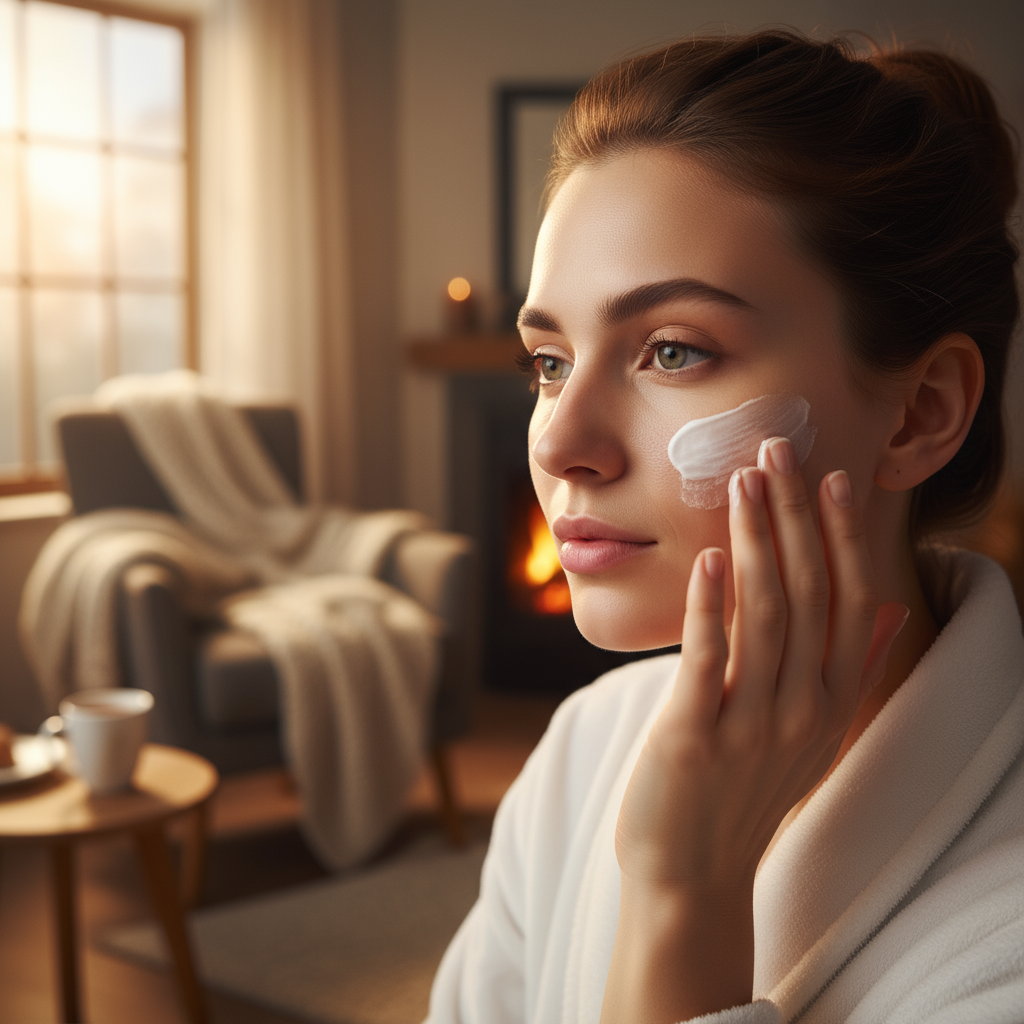
Here’s a pro tip that makes all the difference: apply your moisturizer while your skin is still damp. Right after you pat yourself dry from the shower—that’s your golden window. You’re essentially trapping moisture under the moisturizer, which is exactly what your thirsty skin needs. For a complete routine that includes ingredient benefits and perfect timing, check out our guide on skincare routines with beneficial ingredients.
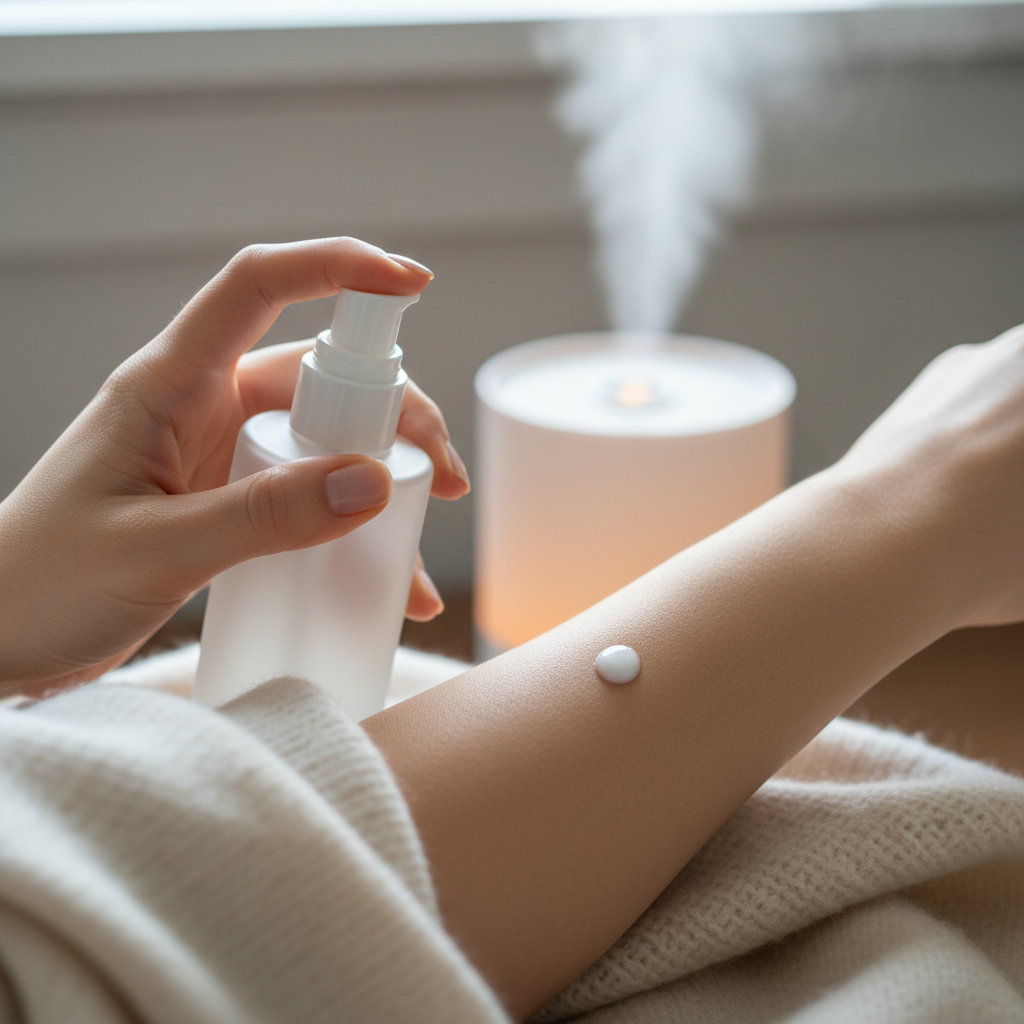
Now, about those showers—I hate to be the bearer of bad news, but it’s time to turn down the heat. Lukewarm water is your friend (I know, I know, it’s not as satisfying). Keep your showers short and sweet, and switch to gentle, fragrance-free cleansers. Your skin will thank you. And here’s something you might not have thought of: get a humidifier. Seriously. It’s like giving your skin a drink of water just by breathing. Aim for 30-50% humidity indoors, and watch how much happier your skin becomes.
Essential Prevention Strategies for Winter Dry Skin
Here are the game-changing moves that actually work. These aren’t just suggestions—they’re your winter skin survival kit:
- Consistent Moisturizing Routine: Invest in a rich, thick cream designed for dry skin. Apply it immediately after cleansing while your skin is still damp—this locks in moisture before it has a chance to escape.
- Adjust Bathing Habits: Turn down the temperature (lukewarm, not hot), keep it brief, and use gentle, unscented cleansers. Your skin’s natural oils will stay where they belong—on your skin, not down the drain.
- Maintain Indoor Humidity: Get a humidifier, or even just place bowls of water near your heating vents. Your skin (and your sinuses) will feel the difference immediately.
- Protective Clothing: Cover up smart—gloves, scarves, hats that actually protect exposed skin. Choose soft fabrics that won’t irritate, and layer appropriately so you’re not constantly going from freezing to overheated.
The bottom line? Winter doesn’t have to mean suffering through months of uncomfortable, irritated skin. With these strategies in your back pocket, you’re equipped to keep your skin healthy, comfortable, and resilient no matter how low the temperature drops. Your skin works hard to protect you—return the favor with a little extra care during the tough months.

Winter skin dryness? It’s way more serious than most people realize. You step outside into that crisp, cold air, then come back into your heated home—and your skin gets hit from both sides. The cold strips away moisture while indoor heating basically turns your house into a desert. And here’s what makes it worse: your skin actually produces less oil when it’s cold, leaving you extra vulnerable. Hot showers (we’ve all been there) and a damaged skin barrier just pile on the problems. Once you understand what’s really happening—environmental assault, reduced natural oils, and barrier breakdown—you can actually do something about it instead of just suffering through another winter.
Look, we’ve covered a lot of ground here, but it all comes down to this: winter skin needs a completely different game plan. You can’t just slap on any old moisturizer and call it good. We’re talking about heavy-duty hydration routines that actually work in harsh conditions. Ditch those scalding showers (I know, I know) and switch to lukewarm water with gentle, fragrance-free cleansers. Your skin will thank you. Throw in a humidifier, layer up when you go outside, and pay attention when your skin starts getting angry. Sometimes you need professional help—and that’s totally okay. The key is consistency that actually fits into your real life, not some perfect routine you’ll never stick to.
Ready to actually fix this? Start today with a solid moisturizing routine—and I mean products that pack a punch with ceramides and hyaluronic acid. Here’s a pro tip: slather on that moisturizer right after your shower while your skin’s still damp. Trust me, it makes a huge difference. Want to get serious about ingredients that actually heal? Check out our skincare routine with niacinamide—this stuff is gold for protecting skin in harsh weather. Got sensitive skin that freaks out at everything? Our skincare products for sensitive skin guide will help you find products that won’t betray you. And when your skin’s already angry and irritated, our how to soothe irritated skin resource has your back. Don’t forget to feed your skin from the inside out—omega-3s are incredible for skin health. This comprehensive nutrition guide breaks down exactly how these fatty acids can transform your skin’s resilience.
Here’s the thing about winter skin care—it’s not just about surviving the season. It’s about feeling confident and comfortable in your own skin, even when the weather’s doing its worst. Everything we’ve talked about here? It works, but only if you actually do it consistently. Caring for younger skin? Our skincare routine for teenagers has age-specific tips that really matter. Your skin deserves this level of care, and honestly? Once you start seeing results, you’ll wonder why you put up with dry, uncomfortable skin for so long. Winter doesn’t have to mean suffering—you’ve got the knowledge now to make dry skin a thing of the past.
Frequently Asked Questions
-
Can dry skin cause itching?
- Absolutely—and it’s probably one of the most annoying parts of winter skin issues. When your skin lacks moisture and those essential oils that keep everything comfortable, your skin barrier gets compromised and starts sending itch signals like crazy.
-
Are certain moisturizers better for winter?
- You bet. Winter calls for the heavy hitters—thick creams loaded with ceramides and hyaluronic acid. These ingredients don’t just sit on top of your skin; they actually repair your barrier and lock in moisture when the weather’s working against you.
-
Can diet affect skin dryness?
- More than you’d think! What you eat absolutely shows up on your skin. Omega-3 fatty acids and staying properly hydrated work from the inside out to keep your skin’s moisture levels stable, even when winter’s doing its worst.
-
How often should I moisturize?
- Twice a day minimum—but here’s the secret: timing matters. Right after you shower while your skin’s still damp? That’s when you get maximum absorption and hydration that actually lasts through your day.