
Table of Contents
Introduction
Picture this: you’re looking in the mirror, and your forehead is practically glowing with oil while your cheeks feel like sandpaper. Sound familiar? Welcome to the world of combination skin—where your face can’t seem to make up its mind. One minute you’re blotting away shine, the next you’re slathering on moisturizer. It’s like having two different skin types living on the same face (because, well, you basically do). But here’s the thing—once you understand how to work with your skin instead of against it, everything changes.
So what exactly is combination skin? Think of it as your face’s way of keeping things interesting. You’ve got that infamous T-zone—your forehead, nose, and chin—acting like an oil slick, while your cheeks and the rest of your face stay relatively normal or even dry. It’s frustrating, right? You reach for a product that works great on your oily spots, only to have it leave your cheeks feeling tight and irritated. Or you moisturize those dry patches and suddenly your T-zone looks like you could fry an egg on it.
Here’s what most people don’t realize: taking care of combination skin isn’t just about looking good (though that’s definitely a bonus). It’s about keeping your skin healthy and comfortable. When you don’t have the right routine, you’re setting yourself up for a whole mess of issues—breakouts where you’re oily, flaky patches where you’re dry, and general irritation everywhere. The secret? Finding that sweet spot where you can control the oil without overdrying and hydrate without clogging pores. A skincare routine with niacinamide can be a game-changer here—it helps balance oil production while calming any inflammation. And if you’ve got sensitive areas (which many combination skin people do), choosing skincare products for sensitive skin ensures you’re not making things worse with harsh ingredients.
But wait—there’s more to this story. Your skin doesn’t exist in a vacuum. What you eat matters too. I know, I know, you’ve heard this before, but stick with me. Your skin needs good nutrition to repair itself and stay resilient. Loading up on antioxidant-rich foods gives your skin the tools it needs to look and feel its best from the inside out. Plus, learning how to avoid skin dryness through proper hydration and protective habits helps keep those dry patches happy while supporting your overall skin health. When you combine smart topical care with good lifestyle habits, that’s when the magic happens.
What You’ll Learn in This Guide
Ready to finally figure out this combination skin puzzle? This guide has everything you need to create a routine that actually makes sense for your skin. Whether you’re starting from scratch or just tired of products that don’t deliver, we’ve got you covered.
- Understanding Combination Skin: We’ll break down exactly what makes your skin tick and why it behaves the way it does. Once you understand the “why,” the “how” becomes so much clearer.
- Daily Skincare Routine Essentials: Time to build a routine that works for both your oily and dry zones. We’re talking cleansing that doesn’t strip, moisturizing that doesn’t clog, and sun protection that plays nice with everything.
- Recommended Products and Ingredients: No more guessing games. You’ll learn which ingredients are your skin’s best friends (hello, niacinamide and hyaluronic acid) and how to spot products that actually deliver on their promises.
- Additional Care Tips and Common Mistakes: The details that make all the difference—when to exfoliate, how to use masks effectively, and the mistakes that could be sabotaging your progress without you even knowing it.
As we dive deeper, you’ll discover how to customize everything to work with your skin’s unique personality. Trust me, once you master a skincare routine with niacinamide, you’ll wonder why you waited so long to try it. This ingredient is like a multitasker’s dream—it helps with oil control, reduces inflammation, and even helps with texture issues. The goal here isn’t just clear skin (though you’ll definitely get that). It’s confidence. It’s waking up and actually liking what you see in the mirror.
Let’s be honest—the skincare world can feel overwhelming. Everyone’s got an opinion, every product promises miracles, and half the advice out there contradicts the other half. But here’s what I’ve learned: good skincare doesn’t have to be complicated. You just need the right information and a plan that makes sense for YOUR skin. We’re going to show you how to balance moisture and oil control, calm sensitive spots, and protect everything from environmental damage. No more trial and error. No more wasted money on products that don’t work.
Ready to fall in love with your skin? By the time you finish this guide, you’ll have everything you need to create a routine that feels effortless, works consistently, and respects every aspect of your combination skin. Let’s do this!
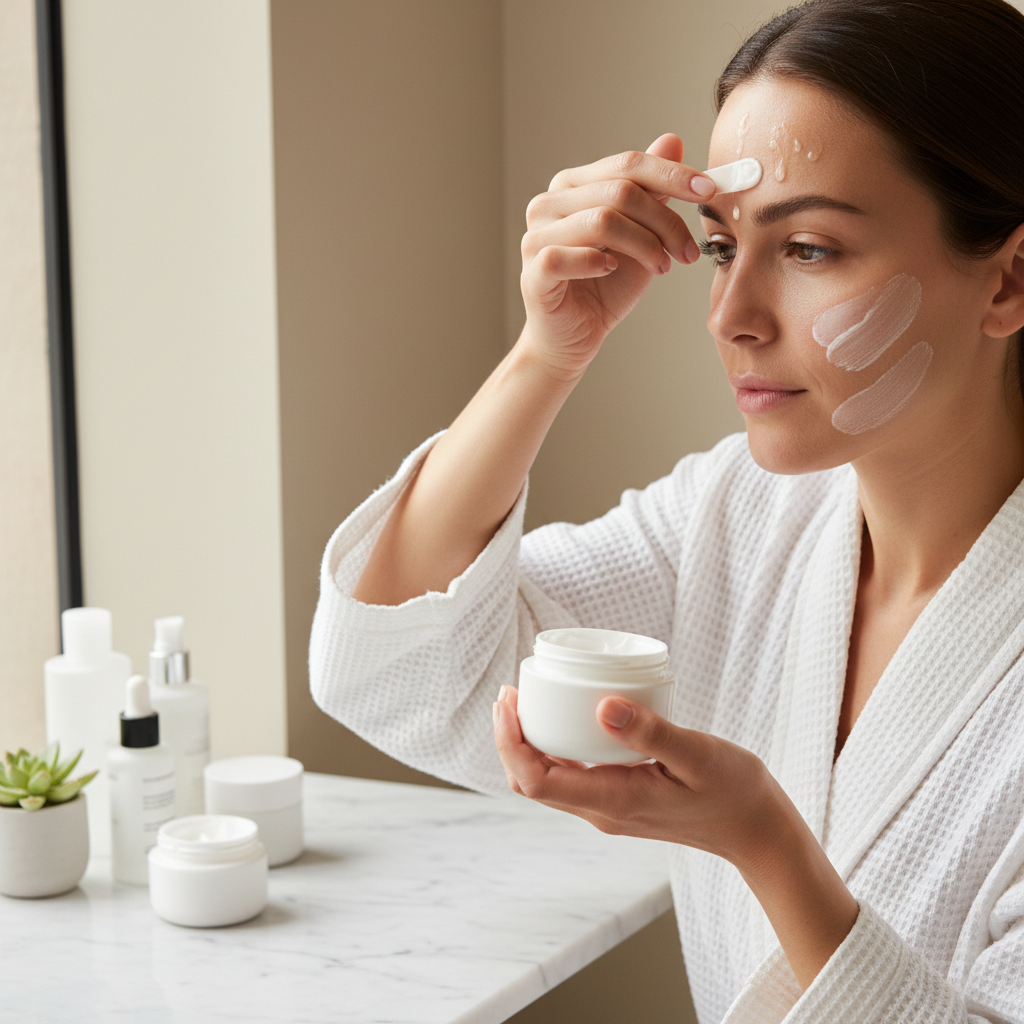
Now that we’ve covered the basics of combination skin, let’s get into the real nitty-gritty. Combination skin is tricky—you’ve got both oily and dry areas demanding completely different things from your routine. It’s like trying to satisfy two different roommates with opposite preferences. Getting this right means understanding what each zone needs and why they behave so differently. When you nail this balance, your skin feels comfortable all day and actually looks radiant (instead of half-oily, half-flaky). We’re going to walk through everything you need to know—from what makes combination skin tick to building a routine that actually works.
Understanding Combination Skin: Traits and Causes
Here’s what makes combination skin so unique: you’ll typically see oily patches in your T-zone (forehead, nose, and chin) while your cheeks stay drier or pretty normal. Sounds simple enough, right? Not so fast. This mix of textures and moisture levels can drive you crazy if you don’t understand what’s happening underneath. The key is recognizing that each area has different needs—no one-size-fits-all solutions here. Once you get why certain spots behave the way they do, everything starts to make sense. Your genetics play a huge role, but so do hormones, weather changes, and (here’s the kicker) sometimes our own skincare mistakes that throw everything off balance. If you’re dealing with sensitivity on top of combination skin, checking out skincare products for sensitive skin can give you extra insights into gentle approaches that won’t irritate your different zones.
Most of the time, combination skin comes down to genetics mixed with whatever life throws at you environmentally. Weather changes? Your skin notices. Pollution levels? Yep, that affects things too. But here’s where it gets interesting—hormones can completely change the game. Think teenage years, pregnancy, or even just a stressful week at work. Your oil production goes haywire. Then there are the mistakes we make without realizing it (been there!). Using harsh cleansers or going overboard with exfoliation strips essential oils from dry areas while making oily zones produce even more oil. It’s like your skin gets confused and overcompensates. Understanding these triggers is half the battle—once you know what’s causing the chaos, you can make smarter choices about products and habits. Your overall lifestyle matters too, from what you eat to how you handle stress, because everything shows up on your face eventually.
Key Aspects of Understanding Combination Skin
Let’s break down what you’re really dealing with when it comes to combination skin:
- Oily Zones Concentrated in the T-Zone: Your forehead, nose, and chin have more oil glands packed in there, so they naturally produce more sebum. The trick is cleaning them properly without stripping away moisture—you want to control the oil, not declare war on it.
- Dry or Normal Cheek Areas: Your cheeks are usually the sensitive, less oily spots that crave more hydration and gentler treatment. Skip the harsh stuff here—you’ll end up with flaky, irritated skin that nobody wants.
- Variability in Skin Texture and Moisture Levels: This is the big challenge—your skin isn’t uniform. What works for your T-zone might be completely wrong for your cheeks. That’s why personalized care isn’t just nice to have, it’s essential.
- Influence of Genetics and Hormones: You can thank your parents for your skin type, but hormones are the wild card that can change everything. They can ramp up oil production or mess with hydration levels seemingly overnight.
Getting familiar with these traits shows you exactly why generic skincare routines fall short for combination skin. You need something smarter, more targeted. As we move into the practical stuff, keep these insights in mind—they’ll guide every choice you make about products and daily habits.
Effective Daily Skincare Routine for Combination Skin
Building a routine for combination skin is all about finding that sweet spot between your oily and dry areas. You want to clean effectively without triggering more oil production or irritating the dry patches. Think of it as diplomatic skincare—everyone needs to be happy. Start with gentle cleansers that tackle oil without being harsh, use alcohol-free toners to restore balance, and choose moisturizers strategically (lightweight where it’s oily, richer where it’s dry). And here’s non-negotiable: sunscreen every single day. UV damage doesn’t discriminate between oily and dry zones, and protecting your skin is the foundation of everything else you’re trying to accomplish.
The magic happens when you understand ingredients and how they work with your skin type. Hyaluronic acid serums are fantastic because they hydrate without clogging pores—perfect for combination skin. Ingredients like salicylic acid or niacinamide help control shine and calm inflammation without going overboard. Exfoliation once or twice a week keeps dead skin cells from building up and helps your products work better, but don’t get carried away (your skin will let you know if you’re overdoing it). Zone-specific masks are a game-changer too—clay masks for oily areas, hydrating masks for dry spots. It’s like giving each part of your face exactly what it needs. Want to dive deeper into specific ingredients? The guide on complete skincare routine with niacinamide breaks down how this powerhouse ingredient can transform your routine.
Key Components of an Effective Daily Routine
Here’s what your daily routine should include to keep combination skin balanced and glowing:
- Gentle Cleansing for Balanced Oil Control: Choose mild cleansers that remove dirt and excess oil from your T-zone without stripping your dry areas. Harsh soaps are the enemy here—they’ll make everything worse.
- Alcohol-Free Toning to Restore pH and Soothe: A good alcohol-free toner calms your skin, helps balance oil production, and preps everything for the treatments that follow. Skip anything that stings or leaves your skin feeling tight.
- Tailored Moisturizing for Each Skin Zone: This is where strategy comes in—lightweight, oil-free moisturizers for oily areas, richer creams for dry spots. Non-comedogenic is key to avoid clogged pores.
- Broad-Spectrum Sun Protection Daily: Every day, without exception. UV protection keeps all areas of your face healthy and prevents the kind of damage that shows up years later. Your future self will thank you.

Here’s the thing about combination skin—it’s like trying to please two completely different roommates at the same time. Your T-zone wants oil control (and lots of it), while your cheeks are basically begging for moisture. Sound familiar? You’re definitely not alone in this struggle. The secret isn’t finding one magical product that does everything. Instead, it’s about getting smart with your approach and treating each area of your face like the unique zone it is. Think gentle cleansing that won’t strip your skin bare, alcohol-free toners that actually soothe instead of sting, and moisturizers that you can literally customize for different parts of your face. And sunscreen? Non-negotiable. Every single day.
Throughout this guide, we’ve talked a lot about being picky with your products—and for good reason. Ingredients like niacinamide, hyaluronic acid, and antioxidants aren’t just skincare buzzwords. They’re game-changers that actually regulate oil production, pump hydration into your skin without clogging pores, calm down angry inflammation, and keep your skin renewal process humming along nicely. The strategy that works? Lightweight, oil-free formulas where you’re oily, richer creams where you’re dry. Simple as that. We’ve also covered the mistakes that’ll sabotage your progress (looking at you, over-cleansing), plus the habit of ignoring certain zones or—please don’t do this—skipping sunscreen entirely.
But here’s what I really want you to remember: your skin talks to you. Listen to it. Maybe you need to switch things up when winter hits and everything gets drier. Maybe you notice irritation creeping in and realize it’s time to dial things back. Sometimes you’ll need to call in the professionals—dermatologists exist for a reason, and there’s zero shame in getting expert help when your skin isn’t cooperating. The real magic happens when you stick with it. Patience and consistency aren’t just nice ideas—they’re your ticket to actually seeing results and waking up to skin that feels comfortable in its own… well, skin.
Ready to put all this into action? Let’s get specific. If you want to dive deeper into niacinamide (seriously, this ingredient is fantastic for oil control and calming benefits), check out our detailed guide on complete skincare routine with niacinamide. Dealing with sensitive patches or irritation that just won’t quit? We’ve got you covered with advice on skincare products for sensitive skin and how to soothe irritated skin. Winter coming in hot with the dryness? Learn how to prevent skin dryness in winter before it becomes a problem. And if you haven’t tried hyaluronic acid serum yet, you’re missing out—here’s how to use hyaluronic acid serum to level up your hydration game.
Now, let’s zoom out for a second. Great skin isn’t just about what you put on your face—it’s also about what you put in your body. Those antioxidants you’ve been hearing about? They work from the inside out too. Loading up on foods rich in antioxidants gives your skin the building blocks it needs to defend and repair itself naturally. When you combine smart topical care with mindful lifestyle choices, you’re setting yourself up for long-term skin success. Take these insights, make them your own, and remember—consistent, personalized care is what wins the combination skin game.
You’ve got this. Really. You now know exactly what your skin needs and how to give it to it. Trust yourself, stay patient when things don’t change overnight (because they won’t), and take confident steps toward the healthy, balanced skin you deserve. Understanding and caring for your unique skin type isn’t just about looking good—it’s about feeling confident and comfortable in your own skin every single day.
Frequently Asked Questions
-
What is combination skin?
- Combination skin has both oily and dry or normal areas on the face, requiring a balanced care approach.
-
Can I use the same moisturizer on my entire face?
- It’s best to use different moisturizers tailored to oily and dry zones to balance your skin’s needs effectively.
-
How often should I exfoliate if I have combination skin?
- Exfoliating 1-2 times per week helps remove dead skin cells without irritating sensitive areas.