Pyro Cosmetics: Safe to Use? Expert Insights on Ingredients and Skin Safety
Pyro Cosmetics has gained significant attention in the beauty industry, but many consumers wonder whether these products are truly safe for their skin. With growing concerns about cosmetic ingredient transparency and potential irritants, understanding what goes into your makeup is essential. This comprehensive guide explores the safety profile of Pyro Cosmetics, examining their formulation practices, ingredient sourcing, and how they compare to industry standards.
The cosmetics industry faces increasing scrutiny regarding product safety, ingredient disclosure, and regulatory compliance. Pyro Cosmetics, like many contemporary beauty brands, must navigate complex regulations while meeting consumer expectations for both efficacy and safety. Whether you’re a sensitive-skin individual or simply cautious about what you apply to your face, this analysis will help you make informed decisions about incorporating Pyro Cosmetics into your beauty routine.
What Are Pyro Cosmetics?
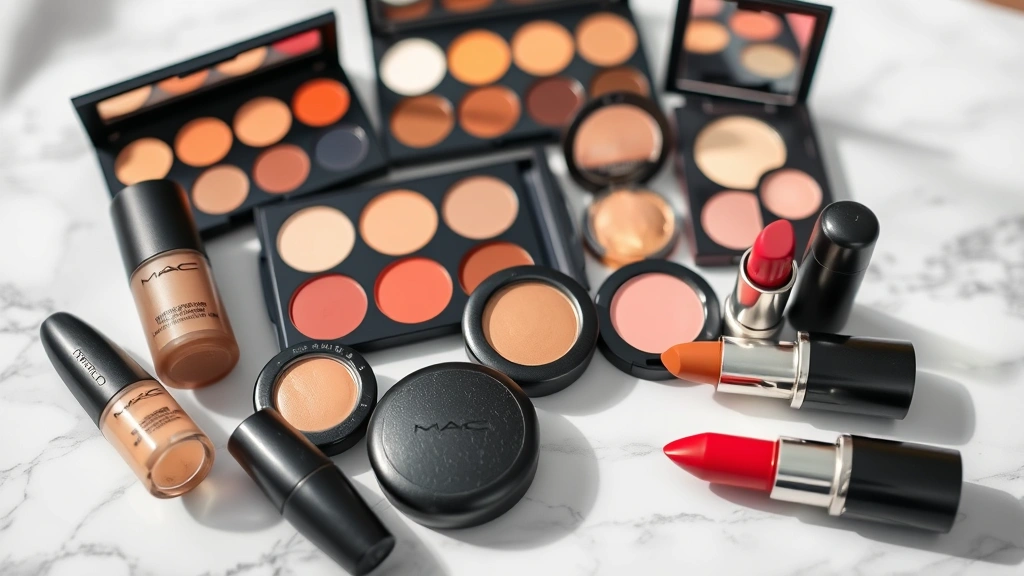
Pyro Cosmetics positions itself as a contemporary beauty brand focused on vibrant, high-impact makeup products. The brand emphasizes bold colors and long-lasting formulations, particularly in eyeshadows, lip products, and face pigments. Their product range typically includes highly pigmented formulas designed for both professional makeup artists and everyday consumers seeking dramatic looks.
The name “Pyro” suggests intensity and fire, reflecting the brand’s commitment to creating products with maximum color payoff and dramatic effects. However, intensity in pigmentation doesn’t automatically indicate safety concerns—many highly pigmented products maintain excellent safety profiles when formulated responsibly. Understanding the specific ingredients used in Pyro Cosmetics products is crucial for assessing their safety.
Most Pyro Cosmetics products fall into categories where pigment concentration matters significantly. Unlike skincare products that remain on skin for extended periods, cosmetics like eyeshadows and lip colors have more limited contact time, though they still require careful formulation. The brand’s focus on bold color requires either synthetic pigments, natural colorants, or combinations thereof, each with different safety considerations.
Safety Standards and Regulatory Compliance
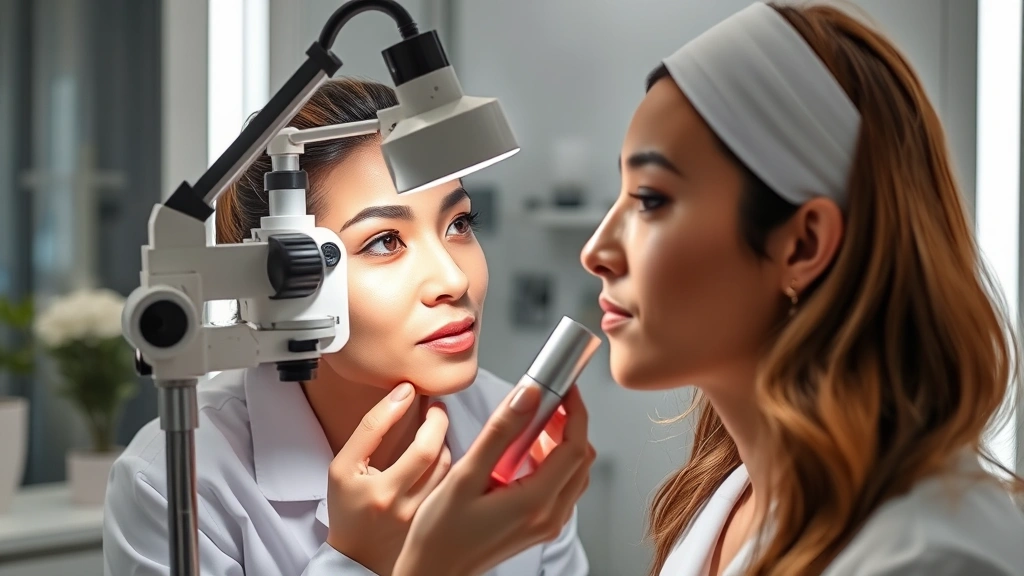
Pyro Cosmetics operates within regulatory frameworks established by governing bodies like the FDA in the United States and the European Commission in Europe. These organizations maintain strict guidelines regarding which ingredients are permissible, required labeling, and manufacturing standards. For U.S. consumers, the FDA classifies cosmetics differently from drugs, meaning they undergo different approval processes.
The FDA’s Color Additives Status List specifies which colorants are approved for use in cosmetics, with some approved for general use and others limited to specific applications (like eyelids only, not lips). Pyro Cosmetics must source their pigments from this approved list to legally sell products in the United States. This regulatory requirement provides a baseline safety assurance, though compliance doesn’t guarantee individual suitability for all skin types.
European regulations are notably stricter, with a banned substances list containing over 1,300 chemicals prohibited from cosmetics—compared to approximately 11 in the United States. If Pyro Cosmetics markets products internationally, they must reformulate to meet the more stringent European standards. This difference highlights why checking product origin and certification is important when evaluating safety.
Third-party testing and certifications provide additional safety assurance beyond regulatory compliance. Brands that pursue certifications from organizations like Cosmetics Europe or maintain partnerships with dermatological research institutes demonstrate commitment to safety transparency. Investigating whether Pyro Cosmetics undergoes such testing can inform your purchasing decision.
Key Ingredients Analysis
The safety of Pyro Cosmetics depends significantly on their ingredient formulations. High-pigment makeup typically requires specific ingredient classes: binders (to hold pigments together), preservatives (to prevent bacterial growth), slip agents (for smooth application), and colorants (for visible effects). Each category presents different safety considerations.
Pigments and Colorants: Pyro Cosmetics’ signature bold colors come from FDA-approved colorants. Common options include iron oxides (natural mineral pigments with excellent safety records), synthetic organic pigments like D&C Red No. 7 (approved for cosmetic use), and natural alternatives such as carmine or mica. Iron oxides are particularly safe—they’re minimally absorbed through skin and have been used safely in cosmetics for decades. Synthetic approved colorants undergo rigorous testing before FDA approval, making them generally reliable when used within approved concentrations.
Binders and Film-Formers: These ingredients create texture and ensure pigments adhere to skin. Common binders include silicones (like dimethicone), which provide smooth application and water resistance. Silicones have extensive safety data supporting their use in cosmetics, though some consumers prefer silicone-free alternatives due to personal preferences rather than safety concerns. Other binders include polymethyl methacrylate (PMMA) and various acrylate polymers—all approved for cosmetic use when formulated correctly.
Preservatives: Bold, moist formulations like those in Pyro Cosmetics require preservatives to prevent microbial growth. Common preservatives include parabens, phenoxyethanol, and methylisothiazolinone. Each has different safety profiles and potential concerns. Parabens, despite popular misconceptions, have decades of safety data supporting their use at approved concentrations. Phenoxyethanol is also approved but some consumers with sensitivities may react. Understanding which preservative system Pyro Cosmetics uses helps assess compatibility with your skin.
Slip Agents and Texture Modifiers: Talc, mica, and silica are common slip agents that improve application. Talc has faced safety scrutiny regarding potential asbestos contamination, though properly sourced cosmetic talc is safe. Mica is generally recognized as safe and provides a natural shimmer. These ingredients significantly impact how a product feels and performs, making them important to ingredient lists.
Potential Irritants and Allergens
While Pyro Cosmetics may comply with safety regulations, individual reactions depend on personal skin sensitivity and specific formulations. Common irritants in bold pigmented products include fragrance compounds, essential oils, and certain preservatives. Even approved ingredients can trigger reactions in sensitive individuals.
Fragrance Sensitivity: Many cosmetics, including eyeshadows and lip products, contain fragrance to improve sensory appeal. Fragrance is a complex mixture of compounds, and some individuals react to specific fragrance components. If you have fragrance sensitivity, checking whether Pyro Cosmetics products are fragrance-free is essential. Fragrance-free formulations exist but may be less common in bold color cosmetics.
Preservative Reactions: While preservatives are necessary for product safety, they can irritate sensitive skin. Phenoxyethanol, commonly used in cosmetics, causes reactions in some individuals. Parabens, though generally safe at approved levels, trigger concern in consumers with specific sensitivities. Methylisothiazolinone is another preservative that occasionally causes contact dermatitis. If you’ve experienced reactions to preserved cosmetics, patch testing is crucial before using new Pyro products.
Colorant Reactions: Though rare, some individuals react to specific approved colorants. Iron oxides are extremely unlikely to cause reactions, but synthetic organic colorants occasionally trigger sensitivities in predisposed individuals. Those with a history of cosmetic reactions should consider patch testing, especially with bold pigmented products.
Heavy Metal Concerns: Some cosmetics contain trace heavy metals as contaminants in pigments. Regulatory bodies set limits for lead, cadmium, and other metals in cosmetics. Brands that conduct heavy metal testing and maintain low levels demonstrate responsible manufacturing. Investigating whether Pyro Cosmetics publishes heavy metal testing data provides additional safety assurance.
Skin Type Compatibility
Pyro Cosmetics safety varies depending on your skin type and condition. While the products themselves may be safe when used correctly, compatibility depends on how your specific skin responds.
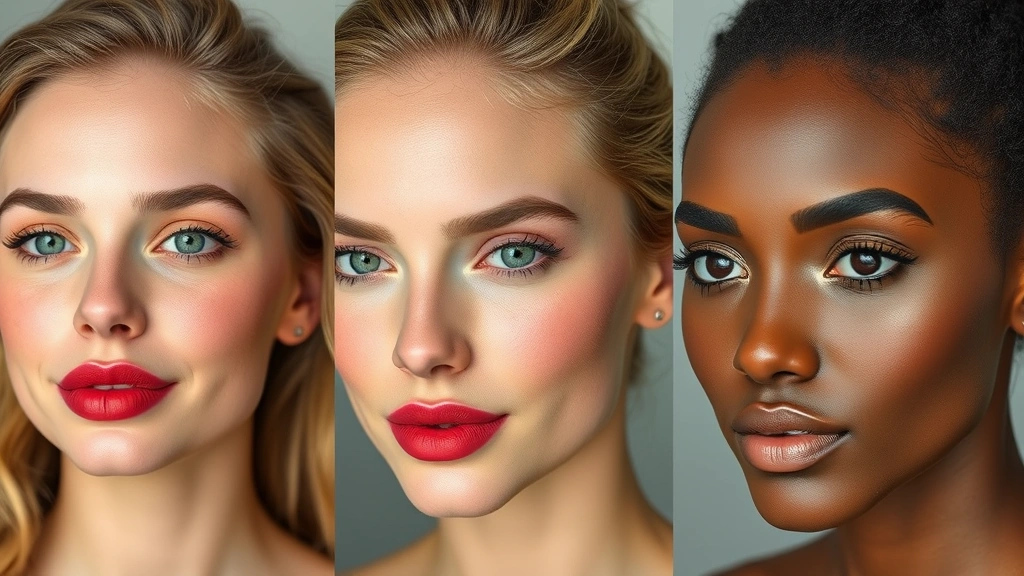
Sensitive Skin: Individuals with sensitive skin should approach bold pigmented cosmetics cautiously. Highly concentrated pigments and preservative systems in intense formulations may trigger redness, itching, or burning. If you have sensitive skin, starting with a patch test on a small area (like inner arm or behind ear) before applying to face is prudent. Consider that sensitive skin often reacts to multiple ingredient classes, so identifying your specific triggers helps assess Pyro Cosmetics compatibility.
Oily Skin: Those with oily skin often benefit from certain formulations in Morphe Cosmetics Eyeshadow and similar brands, which often include oil-control ingredients. Pyro Cosmetics’ formulations may or may not include such ingredients depending on the specific product line. Checking whether products contain mattifying agents or absorbing powders helps determine compatibility with oily skin types.
Dry Skin: Dry skin requires products with adequate slip and minimal drying ingredients. Some bold pigmented formulations include drying preservatives or powdery textures that exacerbate dryness. If you have dry skin, seeking Pyro products that include emollients or hydrating ingredients improves compatibility. Applying a Benefits of Aloe Vera Gel for Face before makeup can provide a hydrating base.
Acne-Prone Skin: Individuals with acne must avoid comedogenic ingredients that clog pores. Some bold pigmented formulations use heavy oils or silicones that may trigger breakouts in predisposed individuals. Non-comedogenic formulations exist but require specific ingredient selection. Checking product claims and ingredient lists is crucial for acne-prone skin types.
Dermatologist Recommendations
Dermatologists generally recommend several practices when using cosmetics like Pyro products. Their guidance reflects both safety science and practical application.
Patch Testing Protocol: Before applying any new cosmetic to your face, dermatologists recommend conducting a patch test. Apply a small amount to your inner arm or behind your ear, wait 24-48 hours, and observe for any reaction. This simple step identifies potential problems before they affect your face. For individuals with sensitive skin or previous cosmetic reactions, this is non-negotiable.
Removal and Hygiene: Bold pigmented products require thorough removal to prevent irritation and infection. Dermatologists recommend using gentle makeup removers, avoiding harsh rubbing, and following with cleanser and moisturizer. The How to Prevent Skin Dryness in Winter applies year-round when using intense makeup—maintaining skin barrier function is essential.
Ingredient Transparency: Dermatologists emphasize the importance of reading ingredient lists carefully. Understanding what you’re applying helps identify potential triggers and assess safety. Many dermatological associations, including the American Academy of Dermatology, provide resources for interpreting cosmetic ingredients and identifying problematic components for specific skin conditions.
Product Shelf Life and Storage: Properly stored cosmetics maintain safety profiles, but expired or poorly stored products may develop bacterial growth or ingredient degradation. Pyro Cosmetics, like all cosmetics, should be stored in cool, dry conditions away from direct sunlight. Replacing products within recommended timeframes (typically 6-12 months for opened products) prevents contamination.
Comparing Pyro to Other Brands
Understanding how Pyro Cosmetics compares to similar brands provides context for safety assessment. Brands like NARS Cosmetics Eyeshadow and L’Oreal Paris Cosmetics x Balmain Lipstick Rebellion occupy similar market spaces with comparable formulation approaches.
Ingredient Standards: Most contemporary cosmetic brands use similar ingredient categories—approved colorants, standard preservatives, and conventional binders. Differences typically lie in specific ingredient selection and concentration ratios rather than fundamental safety approaches. Comparing ingredient lists between Pyro and competitor brands reveals whether Pyro uses notably different (either safer or riskier) components.
Transparency and Testing: Leading brands increasingly publish safety data, heavy metal testing results, and dermatological certification information. Assessing whether Pyro Cosmetics provides comparable transparency compared to established competitors helps evaluate their commitment to safety. Brands that publish full ingredient lists, safety certifications, and testing data demonstrate greater transparency.
Price and Quality Correlation: While higher prices don’t automatically indicate superior safety, budget brands sometimes cut corners on quality control or ingredient sourcing. Mid-range brands like Pyro typically balance cost with quality control, often maintaining safety standards comparable to premium brands while remaining more affordable. However, this varies by specific brand and product line.
Regulatory Compliance History: Investigating whether brands have faced regulatory actions, recalls, or safety warnings provides practical safety information. Brands with clean compliance histories generally maintain rigorous quality control, though absence of recalls doesn’t guarantee perfection—it simply suggests no major safety issues have been identified.
FAQ
Are Pyro Cosmetics hypoallergenic?
Pyro Cosmetics may be formulated to minimize common allergens, but true hypoallergenic products don’t exist—any ingredient can trigger reactions in susceptible individuals. Check product labels for hypoallergenic claims and specific ingredient information. If you have multiple allergies, patch testing is essential regardless of hypoallergenic labeling.
Do Pyro Cosmetics contain harmful chemicals?
Pyro Cosmetics, when formulated according to regulatory standards, should not contain harmful chemicals at levels that pose safety risks. However, “harmful” is dose-dependent—even approved ingredients can cause problems at excessive concentrations or in sensitive individuals. Understanding specific ingredients and your personal sensitivities is more important than blanket “chemical” concerns.
Is Pyro Cosmetics cruelty-free?
Safety and cruelty-free status are separate considerations. This article focuses on ingredient safety and regulatory compliance. For information about animal testing practices, consult Pyro Cosmetics’ official statements or cruelty-free certification organizations.
Can I use Pyro Cosmetics if I have sensitive skin?
Sensitive skin doesn’t automatically preclude using Pyro Cosmetics, but extra caution is warranted. Patch testing is essential, and identifying your specific triggers helps determine compatibility. Many people with sensitive skin use bold pigmented cosmetics successfully by selecting appropriate formulations and maintaining proper hygiene.
How long can I safely use opened Pyro Cosmetics?
Most cosmetics remain safe for 6-12 months after opening, depending on formulation and storage conditions. Check product packaging for specific guidance. Properly stored products (cool, dry, away from sunlight) last longer than those exposed to heat or humidity. If products develop unusual odors, colors, or textures, discard them regardless of the timeline.
Should I patch test before using Pyro Cosmetics?
Patch testing is recommended for anyone trying new cosmetics, especially those with sensitive skin or previous cosmetic reactions. Even if you’ve used similar products without issue, individual formulations vary, making patch testing a prudent precaution that takes minimal time.
What ingredients in Pyro Cosmetics might cause irritation?
Potential irritants vary by individual but commonly include fragrance compounds, certain preservatives (like phenoxyethanol or methylisothiazolinone), and high pigment concentrations. Reviewing specific product ingredient lists and comparing them to your known sensitivities helps predict compatibility.