Table of Contents
Introduction
There’s nothing quite like waking up to an angry, itchy rash that seems to have appeared overnight. The constant scratching. The burning sensation. That nagging worry about what’s causing it and whether it’s getting worse. When your skin decides to revolt, finding fast relief isn’t just want—it’s a need.
Here’s the thing about rashes: time matters. A lot. The longer you wait to treat them, the more stubborn they become. What starts as mild irritation can quickly spiral into something that keeps you up at night, affects your confidence, and sometimes even leads to infection. Rashes come from all sorts of triggers—allergic reactions to that new laundry detergent, contact with something irritating, or infections caused by bacteria, fungi, or viruses. And if you already have sensitive skin? Well, even the gentlest breeze can sometimes set things off. That’s why choosing the right skincare products for sensitive skin isn’t just helpful—it’s essential for managing rashes without making things worse.
But here’s what many people don’t realize: getting rid of a rash goes way beyond just treating the symptoms you can see. Think of it like this—you wouldn’t just paint over a water stain without fixing the leak, right? The same logic applies to your skin. You need to soothe what’s happening now while also preventing future flare-ups. The good news? You have more control over your skin health than you might think. Learning how to soothe irritated skin can dramatically reduce that awful redness and itching that’s driving you crazy. And when rashes signal something more serious—like an underlying infection—knowing how to treat skin infections properly can prevent a minor issue from becoming a major problem.
Let’s talk about something else that might surprise you: your skin’s moisture levels play a huge role in how quickly rashes heal. Dry skin is basically a welcome mat for irritation. Whether it’s harsh weather, over-washing, or just your skin’s natural tendency to lose moisture, dryness can turn a small rash into a persistent nightmare. The experts have some solid advice on how to avoid skin dryness that can make a real difference in your healing process. And here’s something that might seem unrelated but actually isn’t: staying active. Regular exercise boosts circulation and strengthens your immune system, both of which help your skin repair itself faster. Check out the benefits of regular physical activity for your overall health—your skin included. When you combine smart skincare with a healthy lifestyle, you’re giving your skin the best shot at healing quickly and staying healthy.
What You’ll Learn in This Guide
This guide will give you everything you need to tackle skin rashes head-on. Whether you’re dealing with your first rash or you’ve been battling recurring skin issues, here’s what we’ll cover:
- Understanding Skin Rashes: You’ll learn the common causes of rashes, including allergens, irritants, and infections, helping you identify what may be triggering your condition.
- Recognizing Symptoms: Key signs such as redness, itching, and swelling will be explained so you can assess the severity and type of rash for appropriate care.
- Fast and Effective Treatments: Discover home remedies, over-the-counter options, and medical treatments that promote rapid healing and relieve discomfort.
- Preventive Measures: Learn practical tips to avoid future rashes, including proper skincare routines and lifestyle adjustments that foster healthy skin.
By the time you’re done reading, you’ll know how to tell different types of rashes apart, treat them safely, and recognize when it’s time to call in the professionals.
So what’s coming up? We’re going to start by getting to the bottom of what causes rashes in the first place. Then we’ll walk through the warning signs you should never ignore and the treatments that actually work—fast. We’ll also cover the prevention strategies that can save you from future rash headaches. Think of this as your roadmap to clearer, more comfortable skin. You’ll learn why your skin reacts the way it does, how to choose products that won’t backfire on you, and how to build a routine that keeps your skin happy long-term.
Ready to get your skin back to feeling normal again? Let’s start with understanding exactly what’s happening when a rash appears and why some people seem more prone to them than others.
Dealing with a skin rash? You’re not alone—and you definitely want relief fast. Rashes are uncomfortable, sometimes embarrassing, and let’s be honest, they have a way of showing up at the worst possible times. The good news? Understanding what’s causing your rash puts you in the driver’s seat for getting rid of it quickly. We’re going to walk through this together, starting with the most common culprits behind those angry red patches. Then we’ll tackle the treatments that actually work—the kind that bring real relief, not just temporary fixes. Think of this as your practical roadmap to healthier, happier skin.
Common Causes and Types of Skin Rashes
Here’s the thing about rashes—they’re basically your skin’s way of waving a red flag. Something’s bothering it, and it wants you to know. The tricky part? That “something” could be practically anything. Allergens floating around in the air, that new soap you tried, or even a sneaky infection you picked up somewhere. Your immune system might be overreacting to perfectly harmless stuff, or your skin could be genuinely under attack.
Take contact dermatitis, for example. This one’s a real troublemaker—it happens when your skin touches something it really doesn’t like. Could be harsh chemicals in cleaning products, or maybe you brushed against poison ivy on that weekend hike. Then there are the infectious rashes. Bacteria, fungi, viruses—they all have their own signature looks and feel. And don’t get me started on heat rash. Ever notice how your skin gets cranky when it’s hot and humid? That’s your sweat glands basically throwing a tantrum because they’re all blocked up.
Want to get really good at handling these situations? It helps to know your enemy. Learning to spot the difference between an allergic reaction and an infection can save you time, money, and a lot of unnecessary suffering. If you’re dealing with something that looks infected, you might want to check out resources about how to treat skin infections effectively—it’s worth knowing what you’re up against. And if your skin tends to be on the sensitive side (join the club), exploring skincare products for sensitive skin could be a game-changer for both treatment and prevention.
Key Aspects of Common Rash Causes
Let’s break down the main troublemakers so you can identify what’s going on with your skin. Knowledge is power, especially when you’re itchy and desperate for relief:
- Allergic Reactions: Your immune system sees something harmless—pollen, certain foods, that fancy new moisturizer—and decides to launch a full-scale attack. The result? Anything from mild redness to intense itching and swelling. Once you know it’s allergic, antihistamines or topical creams can work wonders for quick relief.
- Contact Dermatitis: This is what happens when your skin actually touches something irritating. Harsh soaps, detergents, or plants like poison ivy are common culprits. You’ll usually see redness, maybe some blistering, and definitely itching—but only where the contact happened. The key here is avoiding the trigger and being extra gentle with your skin while it heals.
- Infections: These rashes have personality—and not in a good way. Bacterial, fungal, or viral infections each have their own calling cards. Ringworm shows up as circular, itchy patches (despite the name, no worms involved). Viral rashes might spread across larger areas. The bottom line? These need proper medical treatment—antibiotic or antifungal creams, depending on the culprit.
- Heat Rash: Picture this: it’s hot, you’re sweating, and your sweat ducts decide to go on strike. The result is tiny red bumps and irritation, especially in areas where skin rubs together. The fix is usually simple—cool down your skin, get some air flowing, and switch to breathable fabrics.
Now that you can play detective with your own skin, you’re ready for the really important part—getting rid of that rash fast. Because understanding the cause is only half the battle.
Effective Rapid Treatment Options for Skin Rashes
Time for the good stuff—actually making that rash disappear. Speed matters here because the longer you wait, the more uncomfortable you’ll be (and trust me, rashes have zero chill when it comes to timing). The beauty of treating rashes is that you often don’t need anything fancy. Sometimes the simplest approaches work best.
Start with the basics—they’re basic for a reason. Home remedies can work surprisingly well for calming angry skin. But don’t overlook over-the-counter options either. Antihistamines and mild corticosteroids can be absolute lifesavers for allergic or inflammatory rashes. Now, if you’re looking at something that seems infected—redness spreading, pus, warmth—that’s when you need to get serious about medical treatment. Don’t mess around with infections.
Here’s something worth knowing: aloe vera isn’t just marketing hype. It genuinely helps with many skin issues, and you can learn more about its benefits by checking out the benefits of aloe vera gel for face. For general irritation and inflammation, there are proven strategies outlined in how to soothe irritated skin effectively. And if you’re dealing with swelling along with your rash? Quick action can make a huge difference—check out how to reduce facial swelling fast for immediate relief strategies.
Key Aspects of Rapid Rash Treatment
Ready to take action? Here’s your toolkit for fighting back against rashes. These approaches target both the symptoms (because you need relief now) and the underlying problem:
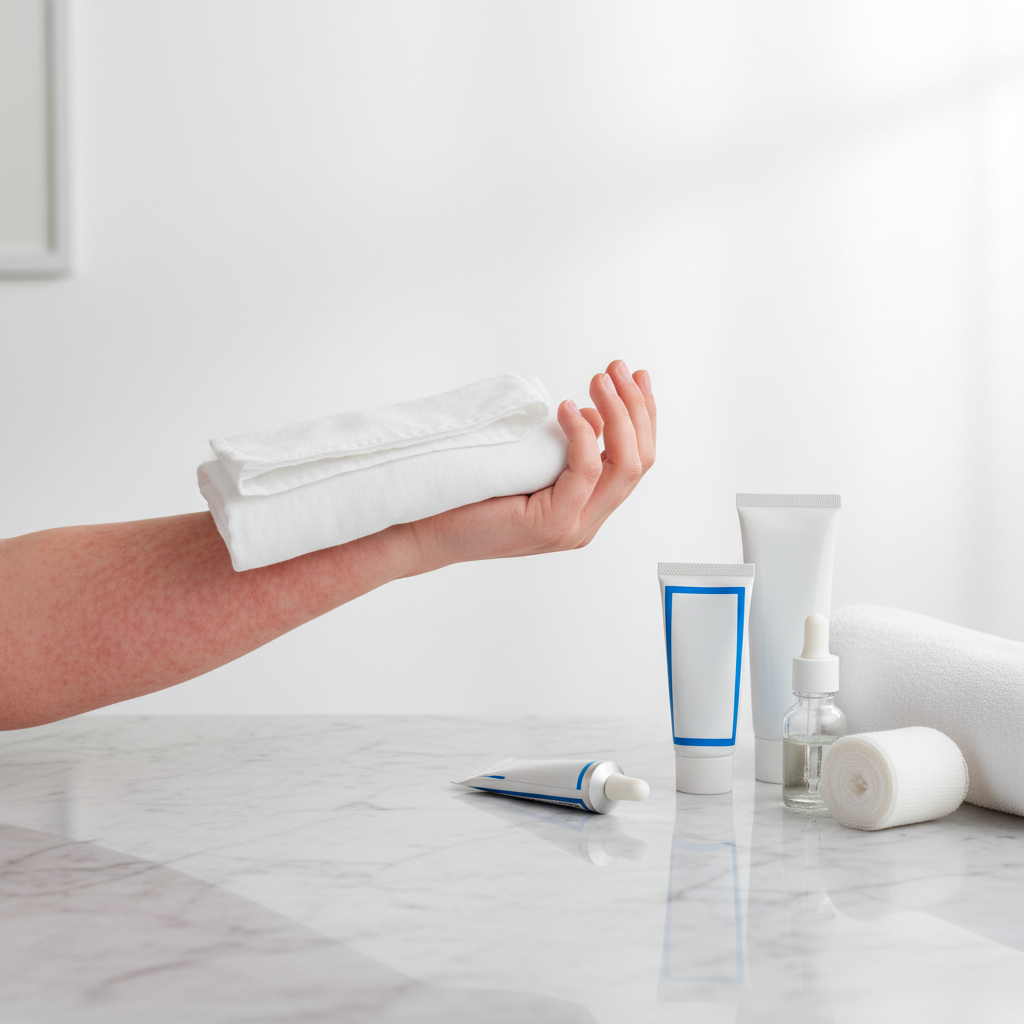
- Cold Compresses: This one’s beautifully simple—grab a clean, damp cloth, make it cold, and apply it to the rash. It reduces inflammation almost immediately and gives you that sweet, sweet itch relief. The cold also helps calm down irritated tissues, which speeds up healing.
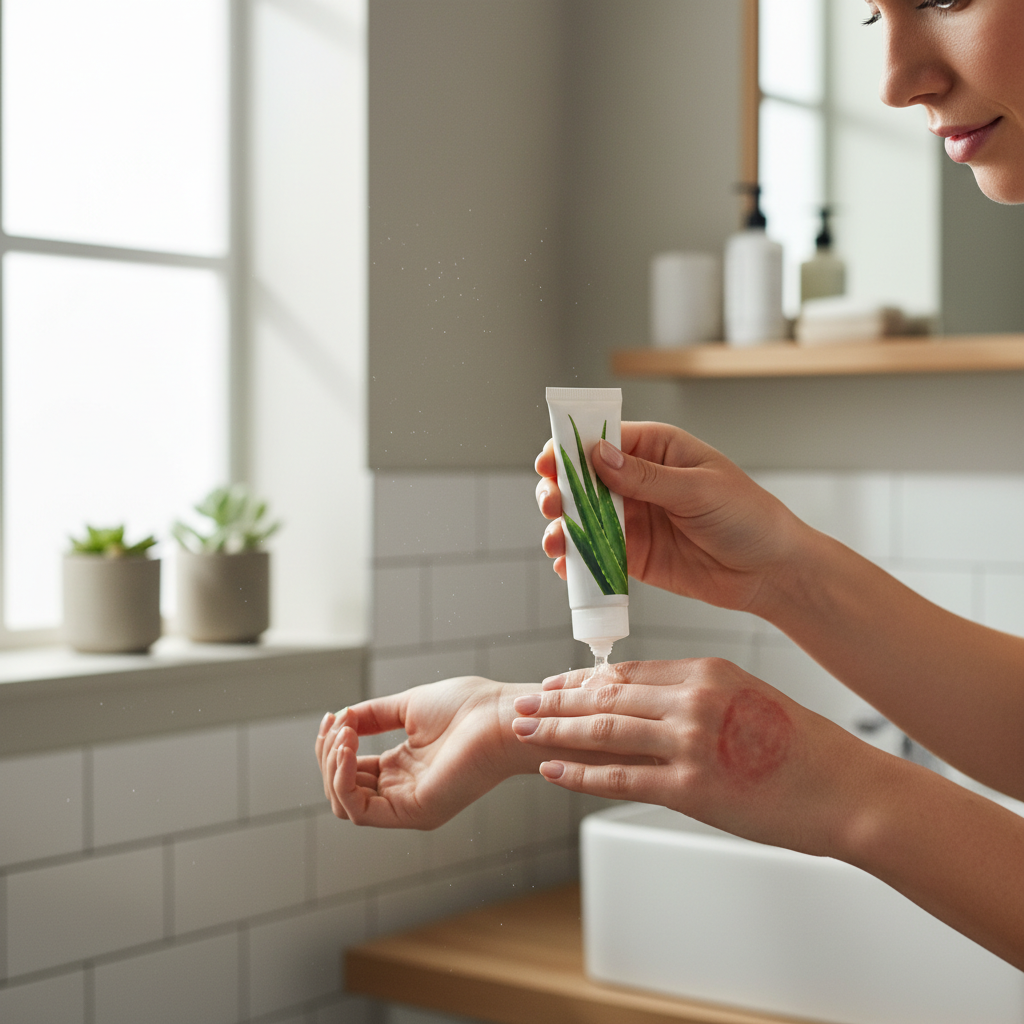
- Aloe Vera and Moisturizers: Aloe vera is nature’s anti-inflammatory agent, and it actually works. It hydrates while it heals, making it perfect for most types of rashes. Pair it with fragrance-free moisturizers to protect your skin barrier and prevent the dryness that can slow down recovery.
- Over-the-Counter Medications: Don’t underestimate the power of what’s available at your local pharmacy. Antihistamines tackle allergic reactions head-on, reducing both itching and swelling. Topical corticosteroids calm inflammation and give you relief from redness and irritation. Best part? No prescription needed.
- Seeking Medical Attention When Necessary: Sometimes you need backup, and there’s no shame in that. If your rash is spreading, showing signs of infection (think pus, severe pain, or red streaking), or if you’re running a fever—get professional help. Early intervention with prescription treatments can prevent things from getting worse and get you back to normal faster.

Dealing with skin rashes? You’re definitely not alone. These irritating skin conditions pop up for all sorts of reasons—allergies, infections, environmental irritants, or just plain old heat. The good news is that spotting the warning signs early (think redness, itching, swelling, or those pesky bumps and blisters) can make all the difference. Sure, different rashes have their own quirks, but many share similar symptoms that can leave you feeling uncomfortable and worried. Here’s the thing: knowing what to look for puts you in the driver’s seat, helping you act fast before things get worse or turn into something more serious like an infection.
When it comes to treating rashes, sometimes the simplest solutions work wonders. Cold compresses are your friend—they knock down inflammation and give you relief from that maddening itch. Natural helpers like aloe vera gel? Pure gold for hydrating and healing irritated skin. Don’t overlook oatmeal baths and fragrance-free moisturizers either. They’re fantastic for calming angry skin and keeping your moisture barrier intact. If you’re dealing with allergic or inflammatory rashes, over-the-counter antihistamines and topical corticosteroids can be game-changers for easing symptoms and speeding up recovery. But here’s when you need to hit the brakes and call a doctor: spreading redness, pain, fever, or any signs that infection might be setting in. That’s when professional help becomes non-negotiable.
Prevention is where you can really win this battle long-term. If your skin tends to be sensitive or you get rashes regularly, avoiding known troublemakers is huge. Choose gentle skincare products, shield your skin from harsh environmental factors, and you’ll see fewer flare-ups. Regular moisturizing and good skin hygiene? They’re like building a fortress for your skin, making it tougher against irritation. Once you figure out your triggers and make smart skincare choices, you can keep rashes at bay or at least make them way less intense.
Ready to take charge? Start by picking the right skincare products for sensitive skin that won’t bombard you with harsh chemicals and allergens. If you spot signs of infection creeping in, or if rashes stick around longer than they should, you’ll want to learn how to treat skin infections properly to avoid complications and heal faster. When facial puffiness joins the party (because why not add insult to injury?), knowing how to reduce facial swelling fast can get you back to feeling human again. And don’t forget to master the art of how to soothe irritated skin—it’s a skill that’ll serve you well and help build up your skin’s natural defenses.
Look, skin rashes are frustrating. But you’ve got more control than you think. Mix effective treatments with smart prevention habits, and don’t hesitate to get professional help when you need it—that’s your recipe for clearer, calmer, and stronger skin. Consistency is your secret weapon here. Stay aware, stay proactive, and remember that taking care of your skin isn’t just about solving problems—it’s about preventing them. Your skin deserves this attention, and honestly? You deserve to feel comfortable in your own skin.
Frequently Asked Questions
-
How quickly can a skin rash go away?
- The recovery time depends largely on the cause of the rash. Many rashes improve within a few days with proper care, but others, especially infections or chronic conditions, may take longer requiring medical treatment.
-
Can home remedies really help get rid of rashes?
- Yes, home remedies like cold compresses and oatmeal baths are effective for soothing irritation and reducing inflammation. However, severe or infected rashes often require professional medical treatment.
-
When should I see a doctor for a rash?
- You should seek medical attention if the rash spreads quickly, is very painful, shows signs of infection, or is accompanied by systemic symptoms like fever.
-
Are skin rashes contagious?
- Some rashes caused by infections are contagious, while those from allergies or irritants are not. Proper diagnosis helps determine the risk of spreading.