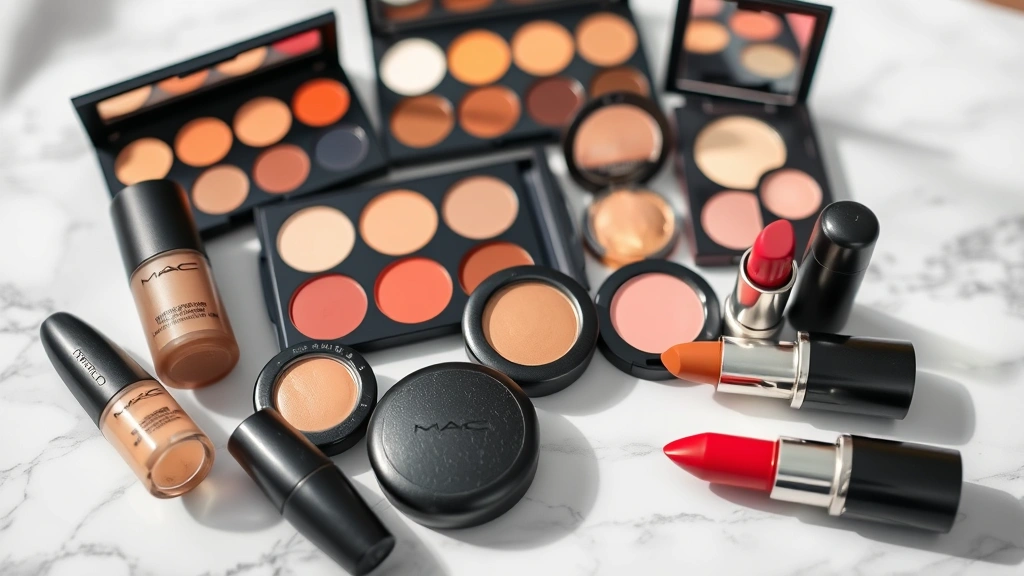
Finding the right cosmetic store near you requires more than a quick Google search. Whether you’re seeking best drugstore cosmetics, professional-grade products, or luxury beauty brands, understanding where to shop and what to look for makes all the difference. This comprehensive guide walks you through locating quality cosmetic retailers, evaluating their product selection, and making informed purchasing decisions based on your unique skin type and beauty goals.
The cosmetics industry has transformed dramatically over the past decade. Today’s consumers have unprecedented access to diverse product ranges—from indie beauty brands to established cosmetic company stores—each offering distinct formulations, price points, and ingredient profiles. Whether you’re shopping for foundations with peptide-enriched formulas, green tea-infused skincare, or specialized makeup brushes, knowing how to navigate local options ensures you get products suited to your needs.
Locating Cosmetic Stores in Your Area
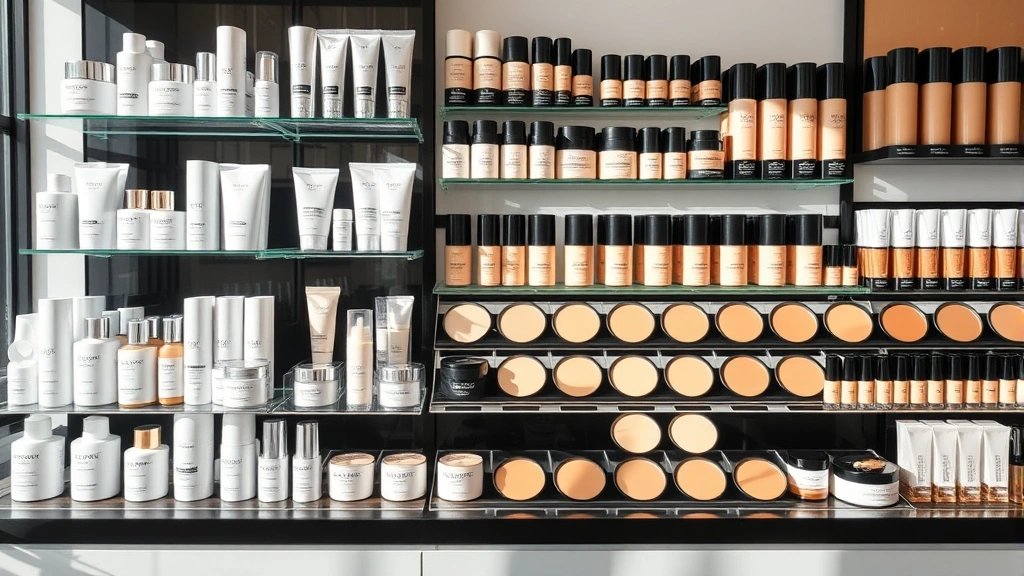
The most effective way to find a cosmetic company store near you involves leveraging multiple search strategies. Start by using Google Maps and entering “cosmetic store near me” or “makeup retailer near me” to see all available options within your vicinity. Most major cosmetic brands maintain store locators on their official websites—Sephora, Ulta Beauty, MAC, Estée Lauder, and other established companies provide precise location information, hours, and sometimes online appointment booking for consultations.
Beyond corporate-owned stores, explore independent beauty boutiques in your neighborhood. These smaller retailers often carry curated selections of niche brands, natural cosmetics, and specialty products you won’t find in chain stores. Local beauty supply stores frequently stock professional-grade products, including professional-grade applicators and tools used by makeup artists and estheticians. Check community bulletin boards, ask your dermatologist for recommendations, and read Google reviews to assess store reputation and product availability.
Don’t overlook department stores like Nordstrom, Saks Fifth Avenue, and Bloomingdale’s, which maintain extensive beauty counters with multiple brands under one roof. These retailers often employ trained beauty consultants who understand skin chemistry and can recommend products based on your complexion, skin type, and specific concerns. Many department stores also offer complimentary beauty consultations and samples, making them valuable resources for testing products before committing to full-size purchases.
Understanding Different Store Types
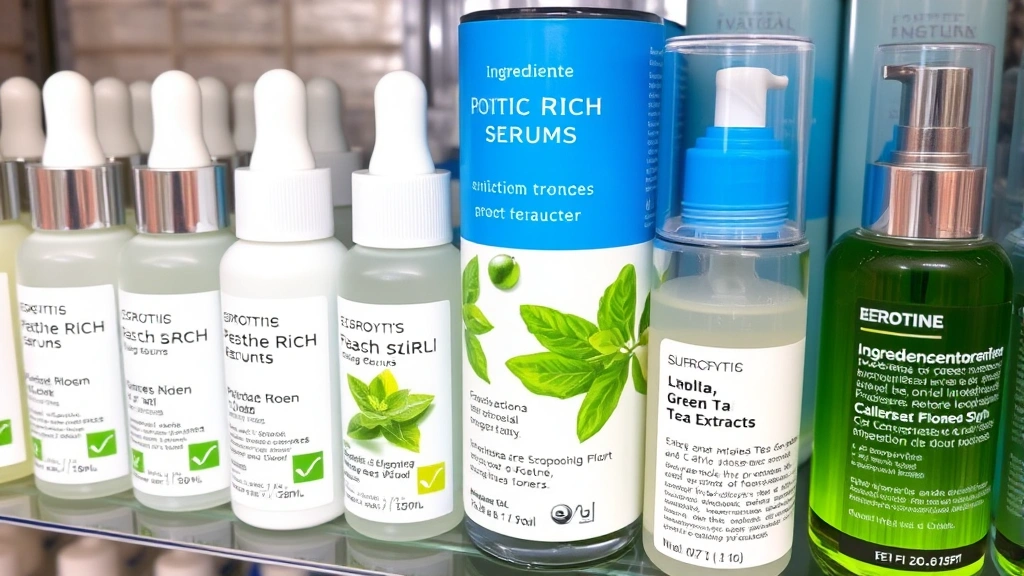
Each cosmetic retailer type serves different shopping preferences and needs. Mass-market drugstore chains like CVS, Walgreens, and Walmart offer budget-friendly options with established brands such as Maybelline, L’Oréal, Revlon, and CoverGirl. These stores excel at accessibility and affordability but may have limited product specialists on staff. The best drugstore cosmetics often feature excellent formulations at accessible price points, making them ideal for everyday makeup and basic skincare needs.
Specialty beauty retailers like Sephora and Ulta Beauty revolutionized cosmetics shopping by curating hundreds of brands in one location. These stores employ trained beauty advisors, offer extensive testers, and provide services like foundation matching and eyebrow design. Their return policies are generally generous, and they frequently offer loyalty programs with rewards on purchases. Sephora specializes in prestige and indie brands, while Ulta Beauty combines prestige cosmetics with drugstore options and salon services.
Professional beauty supply stores cater to makeup artists, estheticians, and beauty professionals. These retailers stock professional-grade cosmetics, specialized tools, and bulk quantities at wholesale or near-wholesale prices. While some restrict sales to licensed professionals, many welcome retail customers. Professional stores typically carry brands like Mehron, Kryolan, and Graftobian—products formulated for theatrical, bridal, and professional makeup applications.
Brand-specific boutiques represent individual cosmetic companies’ flagship or standalone stores. MAC, Bobbi Brown, Charlotte Tilbury, and other premium brands operate their own retail locations, offering complete product lines with expert staff trained specifically in that brand’s philosophy and formulations. These stores provide personalized consultations and often feature limited-edition products unavailable elsewhere.
Natural and clean beauty boutiques have emerged as consumers prioritize ingredient transparency and sustainability. These specialized retailers focus on cosmetics formulated without harmful chemicals, often emphasizing natural ingredients, advanced skincare ingredients like peptides, and eco-friendly packaging. Many natural beauty stores employ staff knowledgeable about ingredient sourcing and skin compatibility.
Evaluating Product Selection and Quality
When visiting a cosmetic store, assess their product range across multiple categories. Quality retailers stock foundations in diverse shade ranges—minimum 30 shades, ideally 40+ to accommodate all skin tones. Examine their undertone options (warm, cool, neutral) and finish varieties (matte, satin, dewy) to ensure they serve diverse customer needs. Limited shade ranges indicate either a newer store or one prioritizing certain demographics over others.
Inspect skincare sections for evidence of ingredient knowledge. Quality cosmetic stores display products organized by skin type (oily, dry, combination, sensitive) and concern (acne, aging, hyperpigmentation, inflammation). Look for staff who can discuss specific ingredients, their functions, and skin compatibility. Stores carrying facial toners and treatment essences alongside cleansers and moisturizers demonstrate understanding of comprehensive skincare routines.
Evaluate testers and samples. Reputable cosmetic stores maintain clean, organized tester stations with sanitized applicators. Avoid stores with dried-out, contaminated, or poorly labeled samples. Quality retailers provide samples of products before purchase—this is standard practice at Sephora, Ulta Beauty, and premium boutiques. The ability to test before buying reduces the risk of purchasing unsuitable products.
Check expiration dates and product integrity. Cosmetics have shelf lives: foundations typically last 12-18 months, mascaras 3-6 months, and powders 2-3 years once opened. Stores should rotate inventory regularly and display products without damage. Sealed packaging should be intact—opened or tampered products shouldn’t be sold at full price unless clearly marked as testers.
Research brand reputation through external sources. The Cosmetics Info website provides ingredient information and safety data. The Paula’s Choice Cosmetics Database offers detailed product reviews and ingredient analysis. These resources help verify that stores stock products meeting current cosmetic safety standards and ingredient transparency expectations.
Ingredient Awareness and Skin Compatibility
Modern cosmetic shopping demands ingredient literacy. Before visiting a store, identify your skin type (oily, dry, combination, sensitive, or normal) and specific concerns (acne, rosacea, eczema, hyperpigmentation, aging). This clarity helps you evaluate whether a store’s product selection matches your needs. A quality cosmetic retailer stocks options for multiple skin types rather than assuming “one size fits all.”
Familiarize yourself with key ingredients and their functions. Humectants like glycerin and hyaluronic acid draw water into skin—essential for dry skin types. Emollients such as ceramides, squalane, and plant oils seal moisture—beneficial for compromised barriers. Occlusives like petrolatum and beeswax create protective layers. Actives including retinol, niacinamide, and vitamin C address specific concerns. Understanding these categories helps you identify whether a store’s skincare section addresses your particular needs.
Learn about potential irritants based on your skin sensitivity. Common irritants include fragrance, essential oils, alcohol, sulfates, and certain preservatives. If you have sensitive skin, seek stores carrying fragrance-free, hypoallergenic options. Stores specializing in clean or natural beauty often stock products without synthetic fragrances, but always read ingredient lists—”natural” doesn’t automatically mean gentler or safer.
Ask store staff about ingredient sourcing and formulation philosophy. Quality cosmetic retailers employ staff who understand peptides and their skin-firming benefits, the antioxidant properties of green tea in cosmetic formulations, and how different actives work synergistically. If staff cannot discuss ingredients beyond marketing claims, consider that a red flag regarding their expertise.
Smart Shopping Strategies for Cosmetic Retailers
Develop a systematic approach to cosmetic shopping that saves money and prevents impulse purchases. Visit during off-peak hours when staff can provide unhurried consultations. Weekday mornings typically offer quieter shopping environments than weekends. Make a list of specific products you need based on your skincare routine and makeup preferences. This prevents overspending on items you don’t actually use.
Take advantage of loyalty programs at major retailers. Sephora’s Beauty Insider, Ulta Beauty’s Ultamate Rewards, and brand-specific programs accumulate points toward free products and exclusive discounts. Many stores offer birthday month bonuses, early access to sales, and point multiplier events. Enrolling in these programs—especially if you shop regularly—provides tangible financial benefits.
Request samples before purchasing full-size products. This is particularly important for foundations, which must match your undertone precisely, and for active ingredients, which require patch testing to verify your skin tolerates them. Quality stores provide samples in small containers or sachets. Using samples for 3-7 days reveals how products perform on your skin under regular conditions.
Understand return policies before purchasing. Sephora and Ulta Beauty allow returns within 60 days with receipt and original packaging. Department stores vary—some accept returns up to 90 days, others require original containers. Independent stores may have stricter policies. Knowing these details provides recourse if a product doesn’t work for your skin.
Compare prices across retailers. The same brand’s products may cost differently at drugstores versus department stores versus specialty retailers. Online prices sometimes undercut physical stores, though shipping costs and return hassles may offset savings. Consider whether convenience of immediate availability justifies premium pricing.
Build relationships with store staff. Regular customers who develop rapport with beauty consultants receive personalized recommendations, advance notice of sales, and sometimes complimentary services like makeup application or color consultation. Staff at quality cosmetic stores appreciate customers who ask thoughtful questions and provide feedback about products they’ve purchased.
Getting Professional Guidance In-Store
Quality cosmetic stores employ trained beauty advisors who understand skin science and formulation chemistry. When seeking in-store consultations, come prepared. Describe your skin type, current routine, specific concerns, and budget. Bring photos of makeup looks you admire and discuss whether those styles suit your face shape and coloring. Professional beauty consultants use this information to recommend products and techniques.
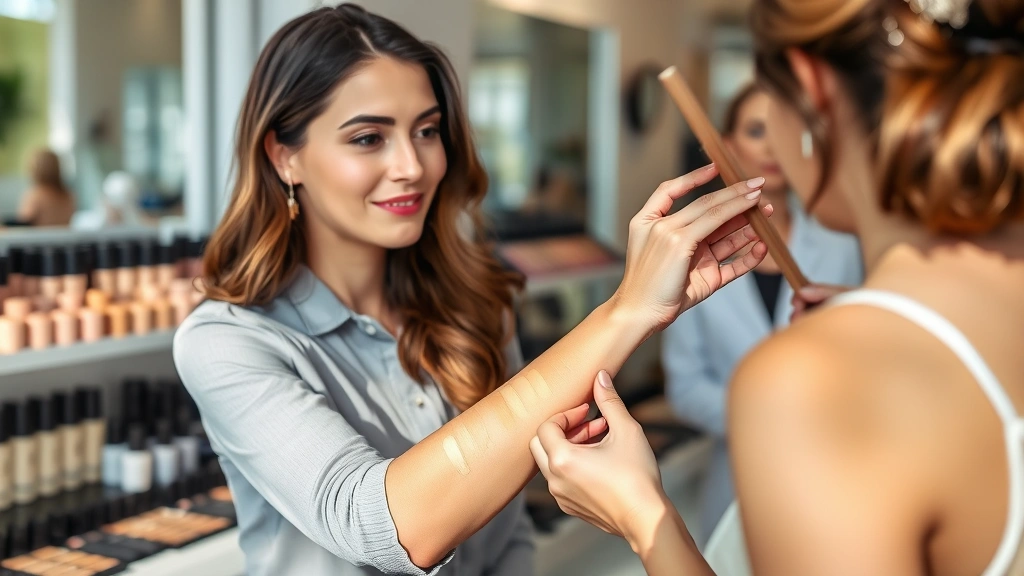
Request shade matching services, particularly for foundations. Trained consultants use natural lighting (not fluorescent) to match undertones accurately. Many stores offer digital skin analysis technology that assesses skin condition, pore size, and undertone, informing product recommendations. These technologies vary in accuracy—combine digital results with traditional visual assessment.
Ask about ingredient compatibility when discussing skincare. If you’re using facial toners or active treatments, inform the consultant so they recommend compatible products. Some ingredients interact poorly—for example, vitamin C and retinol shouldn’t be used simultaneously, and niacinamide can interfere with certain actives. Professional guidance prevents these conflicts.
Discuss your skin goals clearly. Are you addressing acne, preventing aging signs, managing sensitivity, or correcting hyperpigmentation? Different concerns require different ingredient profiles and product combinations. A consultant recommending a complete routine should explain each product’s purpose and how ingredients work together.
Don’t feel pressured to purchase multiple products immediately. Quality consultants respect budget constraints and help you prioritize. Starting with essentials—appropriate cleanser, moisturizer, and sunscreen—then adding targeted treatments allows you to assess tolerance and effectiveness before expanding your routine.
Consider professional services available at cosmetic stores. Many Ulta Beauty locations offer makeup services, eyebrow design, and lash applications performed by licensed professionals. MAC and other brand boutiques provide makeup application services. These services, sometimes complimentary with purchases, demonstrate product application techniques and help you visualize finished looks.
FAQ
How do I find a specific cosmetic brand’s store near me?
Visit the brand’s official website and look for “Store Locator” or “Find a Retailer” links. Most major cosmetic companies maintain searchable databases showing physical locations, hours, and sometimes online booking options. You can also call brand customer service for precise location information and store-specific product availability.
What’s the difference between drugstore and prestige cosmetics?
Drugstore cosmetics (L’Oréal, Maybelline, CoverGirl) prioritize accessibility and affordability, typically costing $3-15 per product. Prestige cosmetics (Charlotte Tilbury, Estée Lauder, Dior) emphasize luxury packaging, exclusive ingredients, and brand heritage, ranging from $30-100+. Quality varies within each category—excellent drugstore products exist alongside mediocre prestige options. Your skin type and concerns matter more than price point.
Are online cosmetic purchases safer than in-store shopping?
Both have advantages. In-store shopping allows testing, immediate product access, and personal consultations. Online shopping offers broader selection, price comparison, and convenience. Risks exist in both: counterfeit products online, expired inventory in stores. Purchase from authorized retailers—official brand websites, Sephora, Ulta Beauty, and reputable department stores minimize counterfeiting risks.
How should I prepare for a cosmetic store visit?
Cleanse your face beforehand and wear minimal makeup so consultants can accurately assess your skin. Come with a list of products you need, your skin type documented, and any known sensitivities or allergies. Bring reference photos of makeup looks you like. Allow adequate time—quality consultations require 20-45 minutes, not rushed 5-minute interactions.
What should I avoid when shopping for cosmetics?
Avoid purchasing based solely on packaging or marketing claims. Avoid products with unclear ingredient lists or stores that can’t explain formulations. Don’t buy sealed products from unauthorized sellers or suspiciously discounted sources—counterfeits are common. Avoid impulse purchases without testing or researching first. Don’t let store staff pressure you into products outside your budget or unsuitable for your skin type.
How often should I replace cosmetic products?
Replace mascaras every 3-6 months due to bacterial growth risks. Replace liquid and cream products (foundations, concealers, creams) every 12-18 months. Replace powders, lipsticks, and pencils every 2-3 years. Once-opened products have shorter lifespans than unopened ones. Store cosmetics in cool, dry places away from direct sunlight to maximize shelf life. Discard products showing color changes, separation, or unusual odors immediately.