Repair Cosmetic Damage? Expert Tips Inside
Cosmetic damage—whether from aggressive makeup application, harsh products, or prolonged wear—can compromise your skin barrier and leave you with irritation, redness, and compromised skin health. The good news? Your skin has remarkable regenerative capabilities, and with the right approach, you can restore its vitality and glow. This comprehensive guide explores evidence-based strategies to repair cosmetic damage, from identifying the underlying causes to implementing a targeted recovery routine.
Whether you’ve experienced damage from heavy foundations, expired products, or overzealous skincare regimens, understanding the repair process is essential. Many people don’t realize that their favorite cosmetics might be causing invisible damage—microabrasions, oxidative stress, and barrier disruption. By recognizing these issues early and implementing corrective measures, you can prevent long-term skin complications and restore your complexion to its healthiest state.
Understanding Cosmetic Damage to Your Skin
Cosmetic damage occurs when makeup products, application techniques, or ingredient interactions compromise your skin’s protective barrier and cellular health. Unlike occasional irritation, true cosmetic damage involves structural changes to the epidermis and dermis, resulting in compromised moisture retention, increased sensitivity, and vulnerability to environmental stressors.
The most common causes include:
- Heavy, occlusive foundations that suffocate pores and prevent natural skin respiration, particularly problematic for acne-prone and sensitive skin types
- Expired or contaminated products containing harmful bacteria, oxidized oils, or degraded preservatives that trigger inflammatory responses
- Harsh removal techniques using excessive rubbing, tugging, or abrasive materials that cause microtrauma to delicate facial skin
- Incompatible ingredient combinations mixing products with conflicting pH levels or reactive compounds that destabilize the skin barrier
- Prolonged product wear without proper cleansing, allowing cosmetics to oxidize on skin and penetrate deeper into pores
- Allergenic or irritating ingredients such as certain dyes, fragrances, or preservatives that trigger cumulative sensitivity reactions
Understanding these mechanisms helps you identify which products or habits are damaging your skin, enabling targeted intervention. Soothing irritated skin requires addressing the root cause, not just treating symptoms.
Identifying Signs of Cosmetic-Induced Damage
Before implementing repair strategies, you must accurately diagnose whether your skin has sustained cosmetic damage. Early detection prevents progression and allows for faster recovery. Key indicators include:
- Persistent redness that doesn’t resolve after 24 hours of product cessation, indicating compromised barrier function and active inflammation
- Increased sensitivity to previously tolerated products, temperature changes, or water contact—a hallmark of barrier dysfunction
- Texture changes including roughness, visible peeling, or a sandpaper-like quality suggesting epidermal compromise
- Reactive breakouts appearing 12-48 hours after makeup application, often in areas where products concentrate
- Tightness and discomfort especially after cleansing, indicating moisture loss and barrier impairment
- Visible flaking or scaling despite hydration efforts, suggesting accelerated skin turnover or barrier damage
- Hyperpigmentation or dark patches where cosmetics consistently contact skin, from inflammation or ingredient reactivity
Document these symptoms by taking photos in consistent lighting. This creates a baseline for tracking improvement throughout your repair journey and helps dermatologists assess damage if professional intervention becomes necessary.
The Science Behind Skin Barrier Repair
Your skin barrier—the outermost layer called the stratum corneum—functions as a protective fortress, maintaining hydration while preventing harmful substances from penetrating deeper. This barrier comprises lipids (ceramides, cholesterol, fatty acids), proteins, and natural moisturizing factors. When cosmetics damage this structure, repair requires strategic ingredient deployment and lifestyle modifications.
According to research from the American Academy of Dermatology, barrier repair typically follows this sequence:
- Inflammatory phase (days 1-3)—Your immune system responds to damage with increased blood flow and cytokine release, causing visible redness and sensitivity
- Proliferation phase (days 4-21)—Keratinocytes increase production and migrate to damaged areas; lipid synthesis accelerates to restore barrier lipids
- Remodeling phase (weeks 3-12)—New skin cells mature, lipid distribution normalizes, and barrier function reaches optimal levels
This timeline varies based on damage severity, skin type, and treatment approach. Aggressive intervention can accelerate recovery, while continued irritant exposure prolongs the inflammatory phase indefinitely.
Step-by-Step Recovery Protocol
Phase 1: Immediate Damage Control (Days 1-7)
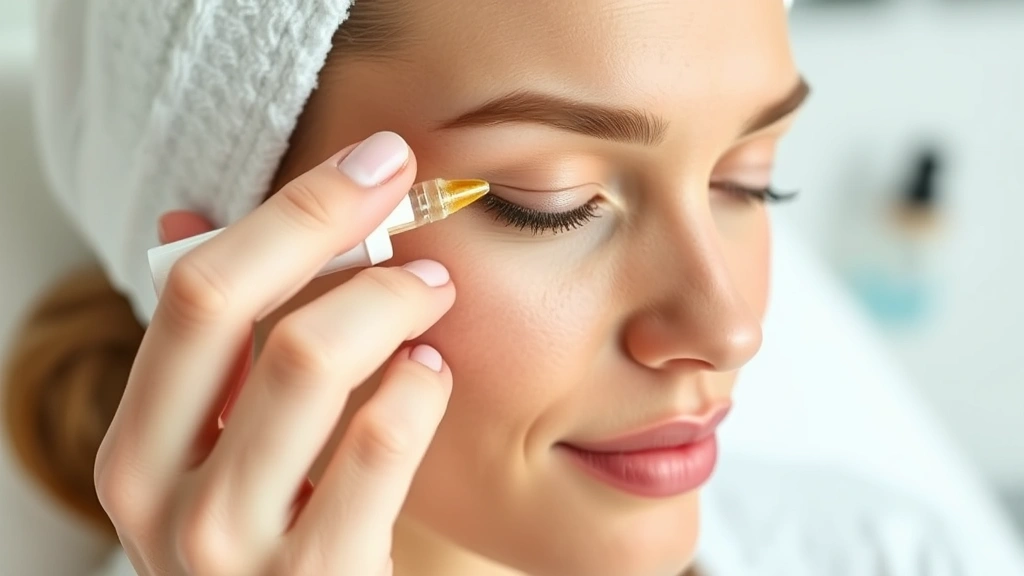
Your first priority is halting further damage. This requires a minimalist approach—eliminating all non-essential products and focusing on barrier support.
- Discontinue all cosmetics except essential items like sunscreen; allow your skin to experience a true “reset” period
- Simplify cleansing to lukewarm water and a gentle, sulfate-free cleanser applied with fingertips only—avoid washcloths and mechanical exfoliation entirely
- Pat skin dry gently rather than rubbing; even towel friction can exacerbate barrier damage
- Apply barrier-repair moisturizers immediately after cleansing while skin retains moisture, locking in hydration
- Avoid hot water which strips lipids; use tepid water to minimize barrier disruption
Phase 2: Active Barrier Repair (Weeks 2-6)
Once acute inflammation subsides, introduce targeted repair ingredients systematically. Add one new product every 3-5 days to monitor tolerance.
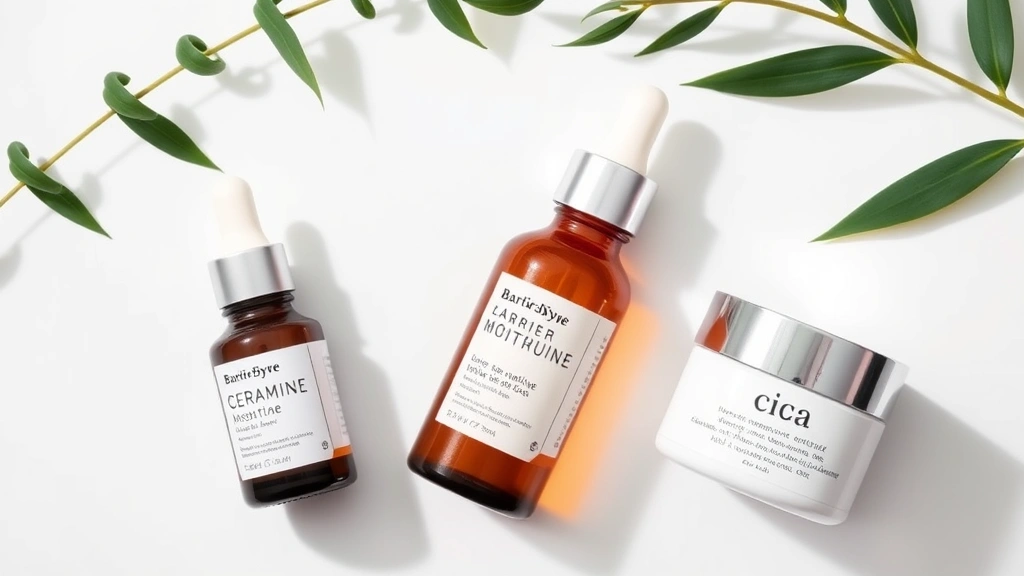
- Ceramide-rich moisturizers replenish the lipid barrier; ceramides NP, AP, and EOP are evidence-based choices
- Centella asiatica (cica) products reduce inflammation and stimulate collagen synthesis, accelerating barrier healing
- Hyaluronic acid serums draw moisture into the epidermis, restoring plumpness and supporting barrier function
- Niacinamide treatments strengthen the barrier, reduce sebum production, and possess anti-inflammatory properties
Phase 3: Restoration and Optimization (Weeks 6-12)
As your barrier stabilizes, gradually reintroduce cosmetics using a strategic testing protocol. Kylie Cosmetics Skin Tint and similar lightweight formulas are safer choices than heavy foundations during recovery.
- Patch test new products on the inner arm for 24 hours before facial application
- Begin with minimal makeup application—light coverage products like tints rather than full-coverage foundations
- Limit daily wear to 6-8 hours initially, gradually extending duration as tolerance improves
- Maintain simplified routines avoiding unnecessary layering that stresses recovering barriers
Essential Ingredients for Damage Repair
Scientific evidence supports specific ingredients for accelerating cosmetic damage repair. Understanding their mechanisms helps you select products strategically.
Ceramides
These lipid molecules comprise 50% of your skin barrier. Topical application directly replenishes compromised barriers. The Cosmetic Ingredient Review confirms ceramides are safe and effective for barrier restoration. Look for ceramide NP, AP, EOP, and phytosphingosine in product ingredient lists.
Centella Asiatica (Cica)
This botanical extract contains madecassoside and asiaticoside, compounds that stimulate collagen synthesis and reduce inflammatory markers. Research published in dermatology journals demonstrates cica’s efficacy in barrier repair and sensitivity reduction within 4-6 weeks of consistent use.
Hyaluronic Acid
This humectant holds up to 1000x its weight in water, drawing moisture into the epidermis. For damaged skin, low-molecular-weight hyaluronic acid penetrates more effectively than high-molecular-weight variants, providing deeper hydration where barrier function is compromised.
Niacinamide (Vitamin B3)
This multifunctional ingredient strengthens barrier lipid synthesis, reduces inflammation, and minimizes pore size. Studies show 4-5% niacinamide concentrations produce visible improvements in barrier function and sensitivity within 2-4 weeks.
Panthenol (Provitamin B5)
Panthenol penetrates the stratum corneum and converts to pantothenic acid, supporting barrier lipid synthesis. It also possesses anti-inflammatory properties, making it ideal for irritated, compromised skin.
Glycerin
This humectant draws water into the skin while supporting natural moisturizing factor production. Glycerin concentrations of 10-15% in formulations provide optimal hydration without tackiness.
Choosing Safe Products During Recovery
Not all cosmetics are appropriate during recovery. Your damaged barrier cannot tolerate typical cosmetic ingredients, requiring strategic product selection.
What to Avoid
- Fragrance (natural or synthetic) irritates compromised barriers and triggers inflammatory responses
- Essential oils despite their “natural” reputation, are highly irritating to damaged skin
- Alcohols (ethanol, isopropyl alcohol) strip remaining barrier lipids and accelerate moisture loss
- Acids (glycolic, salicylic, lactic) exfoliate when barriers need protection, not removal
- Retinoids including retinol, increase sensitivity and barrier disruption during recovery periods
- Vitamin C (L-ascorbic acid) at high concentrations can irritate compromised skin; defer until barrier strengthens
- Heavy occlusive oils suffocate skin and prevent necessary cellular respiration during healing
What to Embrace
- Fragrance-free, hypoallergenic formulations minimizing irritant potential
- Clean beauty products with transparent ingredient lists and minimal additives
- Dermatologist-recommended brands specializing in sensitive or compromised skin
- Lightweight textures like serums and lotions rather than heavy creams during acute recovery
- Single-ingredient products allowing precise identification of any reactive components
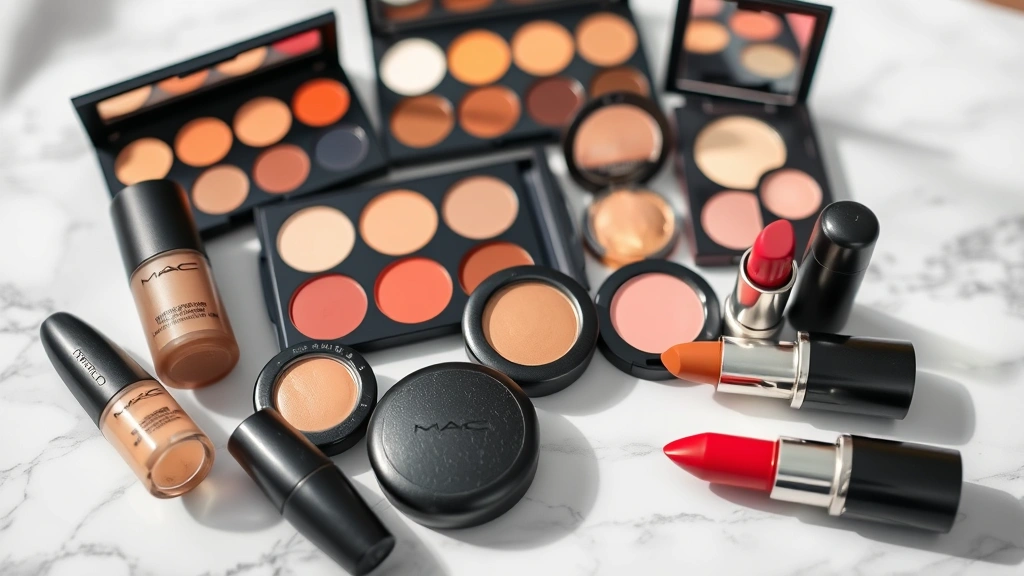
Consider Morphe Cosmetics Eyeshadow alternatives—many recovery-stage users find mineral-based eyeshadows less irritating than traditional formulas. Similarly, MAC Cosmetics Lipstick products may require replacement with gentler lip tints during barrier recovery.
Timeline: When to Expect Results
Week 1-2: Initial Improvement
Redness typically subsides by day 3-5 once irritant exposure ceases. Tightness and discomfort decrease as moisturizers restore hydration. However, texture issues and sensitivity persist as deeper barrier repair continues.
Week 3-4: Visible Stabilization
Skin texture noticeably improves; flaking resolves as barrier lipids regenerate. Sensitivity to temperature and water contact diminishes. Many people notice their skin “feels normal” again, though complete barrier restoration hasn’t occurred.
Week 5-8: Significant Recovery
Hyperpigmentation begins fading as inflammation resolves; barrier function reaches 70-80% of pre-damage capacity. Skin tolerates previously irritating products without reaction. This is an appropriate time to cautiously reintroduce cosmetics.
Week 9-12: Near-Complete Restoration
Barrier function approaches optimal levels; most people can resume normal routines with continued attention to gentle practices. Residual sensitivity typically resolves completely by week 12.
Beyond 12 Weeks
Complete cellular remodeling and lipid redistribution continue through week 24. However, functional improvement plateaus around week 12 for most people. If significant damage persists beyond this timeline, professional dermatological assessment becomes necessary.
Prevention Strategies for Future Protection
Preventing cosmetic damage is far easier than repairing it. Implement these evidence-based strategies to protect your barrier long-term.
Application Techniques
- Use clean tools—brushes, sponges, and applicators harbor bacteria; sanitize weekly with antibacterial soap
- Apply with gentle pressure—avoid tugging, dragging, or aggressive blending that causes microtrauma
- Limit daily wear—remove makeup by evening; extended wear prevents skin respiration and creates occlusive conditions
- Rotate products—using the same foundation daily increases tolerance development and cumulative ingredient exposure
Product Selection
- Prioritize ingredient transparency—choose brands publishing full ingredient lists and third-party testing data
- Check expiration dates—discard products older than 12 months; oxidized ingredients become increasingly irritating
- Perform patch tests—apply new products to inner arm for 24-48 hours before facial use
- Avoid mixing incompatible products—understand pH levels and reactive ingredient combinations
Daily Barrier Support
- Cleanse gently—use lukewarm water and sulfate-free cleansers; harsh cleansing damages barriers daily
- Moisturize immediately—apply hydrating products within 60 seconds of cleansing to lock in moisture
- Use broad-spectrum sunscreen daily—UV damage compounds cosmetic damage; consistent protection prevents cumulative barrier compromise
- Stay hydrated—internal hydration supports barrier lipid synthesis and skin resilience
- Manage stress—cortisol elevation triggers inflammatory responses that compromise barriers; prioritize sleep and stress management
Using facial toners correctly supports barrier health; choose hydrating, alcohol-free formulations that strengthen rather than strip your barrier. Additionally, green tea benefits for skin extend to barrier protection—its antioxidant and anti-inflammatory properties support long-term barrier resilience.
FAQ
How long does cosmetic damage repair typically take?
Most people experience significant improvement within 4-6 weeks of eliminating irritants and implementing barrier-repair protocols. Complete restoration requires 8-12 weeks for functional barrier recovery, though cellular remodeling continues through week 24. Severe damage may require professional intervention and extended timelines.
Can I wear makeup while repairing cosmetic damage?
During weeks 1-2, avoid all cosmetics except sunscreen. From weeks 3-6, gradually reintroduce minimal makeup using lightweight formulas like tints rather than full-coverage foundations. Begin with 4-6 hour daily wear, extending duration as tolerance improves. Always remove makeup before bed and cleanse gently.
What ingredients should I avoid if my skin is cosmetically damaged?
Avoid fragrance, essential oils, alcohols, exfoliating acids, retinoids, and high-concentration vitamin C. These ingredients stress compromised barriers and extend recovery timelines. Focus instead on barrier-supportive ingredients like ceramides, cica, hyaluronic acid, and niacinamide.
Is professional treatment necessary for cosmetic damage repair?
Most mild to moderate cosmetic damage resolves with home care protocols outlined in this guide. However, if severe damage persists beyond 8-12 weeks, or if you experience intense pain, blistering, or systemic symptoms, consult a dermatologist. Professionals can assess barrier integrity and recommend advanced treatments like laser therapy or prescription barrier-repair medications.
Can I prevent cosmetic damage if I have sensitive skin?
Absolutely. Sensitive skin requires extra precautions: perform patch tests on all new products, use minimal makeup application, prioritize gentle removal techniques, and maintain consistent barrier support with ceramide-rich moisturizers. Consider consulting a dermatologist to identify specific sensitivities and create a personalized prevention strategy.
What’s the difference between irritation and cosmetic damage?
Temporary irritation resolves within 24 hours of removing the irritant; your barrier remains functionally intact. Cosmetic damage involves structural barrier compromise persisting beyond 24 hours, causing sustained sensitivity, texture changes, and increased susceptibility to additional irritants. True damage requires the multi-week repair protocol described in this guide.
Are natural or organic cosmetics safer during recovery?
“Natural” doesn’t automatically mean safer for damaged skin. Many botanical extracts and essential oils trigger sensitivity in compromised barriers. Instead, focus on ingredient safety and barrier compatibility rather than natural versus synthetic classification. Read ingredient lists carefully and prioritize clinical evidence over marketing claims.