The beauty industry generates millions of tons of waste annually, with cosmetic jars representing a significant portion of packaging debris. As consumers increasingly prioritize sustainability, the question of whether these ubiquitous containers are truly eco-friendly has become more pressing than ever. Understanding the environmental impact of cosmetic jar production, materials, and disposal is essential for making informed purchasing decisions that align with your values and skincare goals.
Modern cosmetic jars come in various materials—glass, plastic, aluminum, and sustainable alternatives—each with distinct environmental footprints. The journey from manufacturing to your bathroom shelf involves complex supply chains, carbon emissions, and waste management challenges. This comprehensive guide examines whether cosmetic jars can be considered eco-friendly, exploring expert insights on materials, recycling programs, and sustainable alternatives that support both your skin health and planetary wellness.
Understanding Cosmetic Jar Materials and Their Environmental Impact
The environmental friendliness of cosmetic jars depends primarily on the material composition, manufacturing process, and end-of-life management. According to research published by the Plastics Europe organization, the cosmetics and personal care industry accounts for approximately 120 billion units of packaging annually. Each material choice carries distinct environmental consequences ranging from resource extraction to transportation emissions.
The production of cosmetic jars requires significant energy investment regardless of material type. Manufacturing processes generate greenhouse gas emissions, consume fresh water, and often involve chemical treatments. Additionally, the weight of packaging affects transportation carbon footprints—heavier containers require more fuel for shipping. Understanding these factors helps consumers make educated decisions about which cosmetic jar types align with their environmental values while still protecting product integrity and skin safety.
Material selection also impacts how easily jars can be recycled or decomposed. Some materials biodegrade within years, while others persist in landfills for centuries. The recycling infrastructure varies significantly by region, meaning a jar recyclable in one location may end up in a landfill elsewhere. These complexities make the “eco-friendly” label nuanced and context-dependent.

Glass Jars: The Premium Eco-Friendly Option
Glass represents the most environmentally responsible choice for cosmetic jar production when evaluated across its entire lifecycle. This natural material consists primarily of silica sand, soda ash, and limestone—abundant, non-toxic resources that don’t deplete rare minerals. Glass jars maintain complete chemical stability, meaning they won’t leach harmful substances into skincare products, making them ideal for skincare routines for all ages.
The recycling potential of glass is exceptional—it can be recycled infinitely without quality degradation. Glass recycled into new containers requires approximately 40% less energy than virgin glass production, according to the U.S. Glass, Metal & Glazing Association. In regions with robust glass recycling infrastructure, these jars represent a genuinely circular solution. However, glass production remains energy-intensive, and transportation of heavier containers increases carbon emissions compared to lightweight alternatives.
Premium beauty brands often favor glass jars for luxury positioning and product preservation. The opacity of frosted or colored glass protects light-sensitive ingredients commonly found in homemade face masks and natural skincare formulations. Glass jars also resist degradation from active ingredients, essential oils, and preservatives that may compromise plastic containers over time. For consumers seeking sustainable cosmetic packaging, glass jars represent the most conscientious choice when recycling facilities are available locally.
Plastic Containers: Recycling Reality and Challenges
Plastic cosmetic jars dominate the market due to affordability, durability, and lightweight properties that reduce shipping emissions. However, the environmental reality of plastic packaging presents significant challenges. Most cosmetic jars use polypropylene (PP) or polyethylene terephthalate (PET), both recyclable in theory but rarely recycled in practice. Industry data indicates that approximately 91% of plastic ever produced remains in the environment today, creating persistent contamination concerns.
The recycling infrastructure for plastic cosmetic jars varies dramatically by location. Many municipal programs exclude small containers, or contamination from product residue renders jars non-recyclable. Even when properly processed, plastic degrades in quality with each recycling cycle, eventually becoming unusable. This reality contradicts marketing claims about plastic sustainability. Additionally, plastic production relies on fossil fuel extraction, contributing substantially to climate change and environmental degradation.
Certain plastic formulations present additional concerns. Some contain bisphenol A (BPA) or phthalates, chemicals that leach into products and ultimately enter waterways. These endocrine disruptors affect aquatic ecosystems and human health. Consumers seeking to minimize plastic exposure benefit from selecting glass alternatives when possible, especially for skincare products used frequently like those in facial steaming routines.
The cosmetic industry continues developing improved plastic alternatives, including recycled plastic (rPET) and plant-based plastics. While these innovations reduce virgin resource consumption, they don’t fully solve end-of-life management challenges. Consumers should verify recycling compatibility with local facilities before assuming plastic jars will be properly processed.
Aluminum and Metal Packaging Solutions
Aluminum cosmetic jars offer compelling environmental advantages that sometimes exceed glass performance. Aluminum is infinitely recyclable without quality loss, and recycling requires only 5% of the energy needed for virgin aluminum production. This dramatic energy reduction translates to significantly lower carbon emissions across the product lifecycle. Additionally, aluminum’s lightweight properties minimize transportation impacts, offsetting some production costs.
The mining of bauxite ore for aluminum production raises environmental concerns, including habitat destruction and water contamination. However, the exceptional recyclability of aluminum means new jars increasingly contain recycled content, reducing extraction pressure. Many premium cosmetic primers and professional makeup products utilize aluminum packaging for these sustainability benefits.
Aluminum jars provide superior protection for sensitive formulations, particularly those containing active ingredients prone to oxidation. The material’s barrier properties preserve product efficacy while preventing contamination. Some consumers prefer aluminum for travel and portability, as the durable material withstands pressure changes and temperature fluctuations better than glass. For environmentally conscious beauty enthusiasts, aluminum represents a practical middle ground between sustainability and functionality.
Anodized aluminum offers additional benefits, creating a protective oxide layer that prevents direct contact between product and metal. This coating ensures product safety while maintaining the material’s recyclability. Leading cosmetic brands increasingly adopt aluminum jars as their sustainability strategy, recognizing consumer demand for genuinely eco-friendly options.
Innovative Sustainable Packaging Alternatives
Forward-thinking cosmetic companies are developing revolutionary packaging solutions that challenge traditional jar design. Refillable container systems reduce packaging waste by allowing customers to purchase concentrated formulas for home dilution. This approach dramatically decreases the material volume required per product unit while lowering transportation emissions. Some brands offer mail-back programs where customers return empty jars for proper recycling or reuse.
Biodegradable and compostable materials represent another frontier in sustainable cosmetic packaging. Plant-based bioplastics derived from corn, sugarcane, or cellulose offer reduced environmental impact compared to petroleum-based plastics. However, these materials require specific composting conditions rarely available in residential settings, limiting practical sustainability benefits. Research from The Society of Cosmetic Chemists continues exploring materials that balance product preservation with environmental responsibility.
Minimalist packaging trends emphasize reducing unnecessary materials while maintaining product integrity. Some brands eliminate outer boxes entirely, using cosmetic jars with integrated labeling or QR codes linking to digital information. This approach reduces overall packaging volume and waste generation. Additionally, some innovative companies utilize mushroom mycelium-based materials or seaweed-derived containers that genuinely biodegrade within reasonable timeframes.
Solid cosmetic formulations packaged in cardboard tubes or paper-based containers represent another sustainable direction. Balms, solid masks, and concentrated serums require minimal packaging while delivering concentrated benefits. These products often align with efficient storage in cosmetic makeup organizers, appealing to consumers seeking both sustainability and convenience.
Recycling Programs and Industry Initiatives
Major cosmetic corporations have launched take-back programs acknowledging their responsibility for packaging waste. Brands like MAC, Estée Lauder, and others offer recycling incentives, providing rewards for customers who return empty containers. These programs ensure proper processing and demonstrate corporate commitment to circular economy principles. However, participation remains limited by accessibility—many consumers lack convenient drop-off locations.
The Packaging Technology and Research organization works with beauty brands to develop standardized recycling systems. Industry collaboration aims to create transparent labeling indicating recycling compatibility and proper disposal methods. Consistent standards would help consumers make informed choices and increase recycling participation rates.
Some municipalities now offer specialized cosmetic packaging recycling through separate collection programs. Consumers should research local capabilities before purchasing products. The Earth911 recycling database helps locate facilities accepting specific materials in your area. Supporting brands that participate in formal recycling programs incentivizes broader industry adoption.
Extended producer responsibility (EPR) legislation increasingly requires cosmetic manufacturers to fund end-of-life management for their packaging. These regulatory approaches, implemented in Europe and expanding globally, create financial incentives for companies to reduce packaging volume and improve recyclability. Consumers in regions with EPR policies benefit from more sustainable options as manufacturers respond to regulatory pressure.
Consumer Responsibility and Proper Disposal
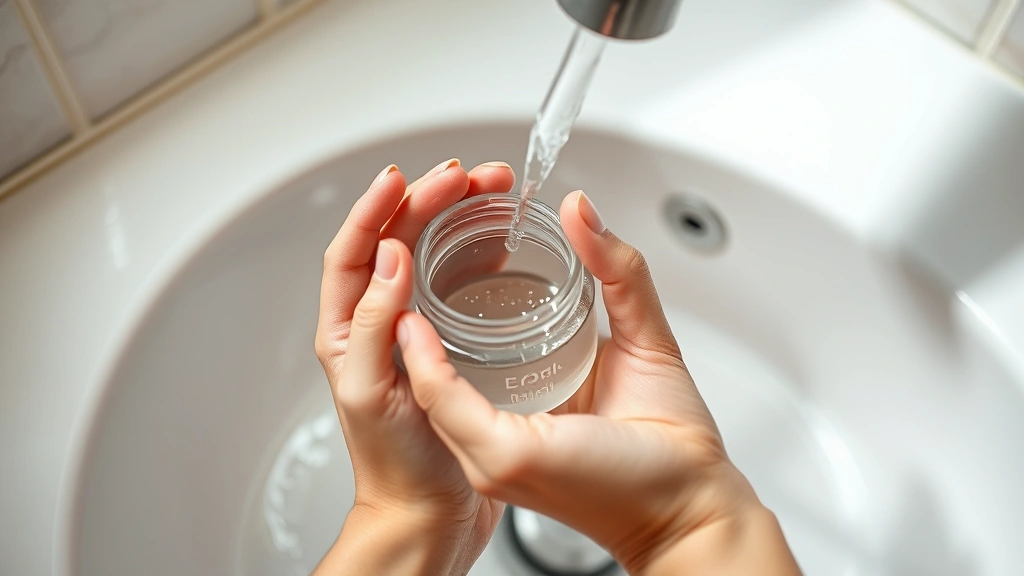
Even genuinely recyclable cosmetic jar materials fail to achieve environmental benefits without proper consumer handling. Product residue contamination represents the primary reason recyclable jars end up in landfills. Cleaning jars thoroughly before recycling ensures they process correctly. Rinsing with minimal water, then allowing air-drying, removes most cosmetic residue without excessive resource consumption.
Understanding local recycling capabilities is essential for responsible disposal. Different regions accept varying materials—some prioritize glass, others emphasize aluminum. Placing non-compatible items in recycling streams contaminates entire batches, rendering them unusable. Consumers should verify specific requirements through municipal waste services or online databases before recycling cosmetic jars.
Beyond recycling, consumers can reduce packaging waste through mindful purchasing. Selecting concentrated formulations, larger sizes that require fewer containers, and refillable options significantly decreases personal environmental impact. Choosing brands demonstrating genuine sustainability commitment through transparent reporting and third-party certification supports industry-wide improvement.
Storage solutions also matter—properly organizing cosmetic products in cosmetic makeup organizers extends product shelf life, preventing premature disposal and unnecessary repurchasing. Using products completely before disposal eliminates waste from abandoned containers. These consumer behaviors, multiplied across millions of people, create substantial environmental benefits.
Choosing Eco-Friendly Cosmetic Brands
Identifying genuinely eco-friendly cosmetic brands requires examining specific practices beyond marketing language. Look for companies publishing transparent sustainability reports detailing packaging sourcing, manufacturing emissions, and end-of-life management plans. Third-party certifications from organizations like Leaping Bunny verify environmental and ethical claims.
Brands utilizing glass cosmetic jars with high recycled content demonstrate stronger environmental commitment than those using virgin materials. Companies offering refillable systems, take-back programs, or minimal packaging show genuine dedication to sustainability. Reading ingredient lists and sourcing information provides additional insight—brands using sustainably harvested botanicals and ethical supply chains align with broader environmental values.
Supporting smaller, independent cosmetic brands often proves more sustainable than large corporations. Local companies typically minimize transportation emissions, source materials regionally, and maintain transparent practices. These brands frequently emphasize quality over quantity, encouraging consumers to purchase thoughtfully rather than accumulate excess products.
Brands offering competitive pricing through sustainable practices prove that eco-friendly options need not cost significantly more. Comparison shopping and utilizing coupons make sustainable beauty accessible to budget-conscious consumers. Prioritizing multi-use products and homemade skincare alternatives further reduces packaging waste while supporting skin health.
FAQ
Are glass cosmetic jars completely eco-friendly?
Glass jars represent the most environmentally responsible cosmetic packaging option due to infinite recyclability and non-toxic properties. However, they’re not entirely eco-friendly—glass production consumes substantial energy, and transportation emissions increase due to weight. Their true sustainability depends on local recycling infrastructure and how consumers dispose of them. When recycled properly, glass jars demonstrate exceptional environmental benefits across their lifecycle.
Can plastic cosmetic jars be recycled?
Most plastic cosmetic jars are technically recyclable, but practical recycling rates remain extremely low. Many municipal programs exclude small containers, and product residue contamination prevents processing. Even when recycled, plastic degrades in quality with each cycle, eventually becoming unusable. Consumers should verify local recycling acceptance before assuming plastic jars will be properly processed.
Which cosmetic jar material has the lowest environmental impact?
Aluminum offers the lowest overall environmental impact when considering the complete lifecycle. While aluminum mining raises concerns, the material’s exceptional recyclability—requiring only 5% of virgin production energy—offsets extraction impacts. Lightweight aluminum also minimizes transportation emissions. Glass follows closely when recycling infrastructure exists locally. Ultimately, the best choice depends on your region’s specific recycling capabilities.
How can I reduce cosmetic packaging waste?
Purchase concentrated formulations, select larger sizes requiring fewer containers, and choose brands offering refillable systems. Support companies with transparent sustainability practices and proper recycling programs. Clean and properly recycle all jars, research local capabilities, and consider homemade alternatives for certain products. Storing cosmetics efficiently extends product life, preventing premature disposal.
Do cosmetic brands’ recycling programs actually work?
Major brand take-back programs genuinely recycle returned packaging, though participation remains limited by accessibility. These programs demonstrate corporate responsibility and ensure proper material processing. However, they only benefit consumers with convenient access to drop-off locations. Supporting brands with robust programs incentivizes broader industry adoption, gradually improving overall sustainability.
Are biodegradable cosmetic jars available?
Biodegradable and compostable cosmetic jar materials exist but remain limited. Plant-based bioplastics and innovative materials like mushroom mycelium show promise, though they require specific industrial composting conditions rarely available to consumers. Current options work best for solid formulations in minimal packaging. As technology advances, genuinely biodegradable cosmetic jars will likely become more accessible.