Top Skincare Routines: Expert-Recommended Approaches for Every Skin Type
Building an effective skincare routine is one of the most important investments you can make in your skin’s long-term health and appearance. Whether you’re struggling with acne, dryness, sensitivity, or signs of aging, the right combination of products and techniques can transform your complexion. Expert dermatologists and cosmetic chemists consistently emphasize that a personalized approach—tailored to your unique skin type and concerns—yields far better results than following generic beauty trends.
The skincare industry has evolved dramatically over the past decade, with advances in ingredient science and formulation technology making professional-grade results accessible at home. However, this abundance of options can feel overwhelming. This comprehensive guide breaks down expert-recommended routines across different skin types, highlighting the key ingredients and steps that dermatologists suggest for optimal results. Whether you’re building a demoman cosmetics-inspired minimalist routine or exploring advanced multi-step protocols, understanding the fundamentals will help you make informed decisions about which products truly deserve a place in your regimen.
Understanding Your Skin Type
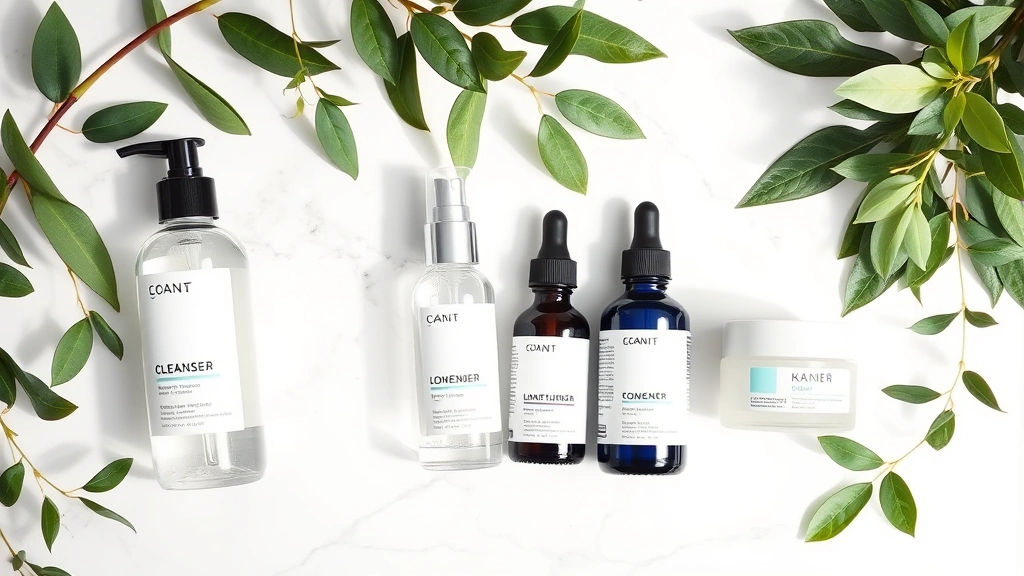
Before implementing any skincare routine, you must accurately identify your skin type. This foundational step determines which ingredients will benefit your skin and which might cause irritation or congestion. The five primary skin types are normal, oily, dry, combination, and sensitive. Each has distinct characteristics that influence product selection and application methods.
Normal skin maintains a balanced moisture barrier with minimal sensitivity and few breakouts. This skin type can typically tolerate a wider range of active ingredients, though experts still recommend a thoughtful approach to avoid disrupting the skin’s natural balance. Oily skin produces excess sebum, leading to shine, enlarged pores, and potential acne. Those with oily skin benefit from lightweight, non-comedogenic formulations that control oil without over-drying.
Dry skin lacks sufficient moisture and natural oils, often feeling tight and appearing dull or flaky. This skin type requires rich moisturizers and hydrating ingredients like glycerin, hyaluronic acid, and ceramides. Combination skin exhibits characteristics of multiple types—typically oily in the T-zone and normal to dry elsewhere. Sensitive skin reacts easily to environmental stressors and certain ingredients, requiring gentle, fragrance-free products with minimal actives.
Understanding whether your skin is sensitive, barrier-compromised, or reactive is particularly important when considering products from premium brands. Many skincare brands now offer cosmetics for mature skin that address specific aging concerns while maintaining skin barrier integrity, a crucial consideration across all age groups.
The Essential Cleansing Foundation
Cleansing forms the foundation of every expert-recommended skincare routine. This step removes makeup, sunscreen, environmental pollutants, and excess oil that accumulate throughout the day. Dermatologists emphasize that proper cleansing should never strip the skin or compromise the moisture barrier, which protects against irritation and sensitivity.
The double cleanse method—using an oil-based cleanser followed by a water-based cleanser—has gained significant endorsement from skincare professionals. The first cleanse dissolves makeup and oil-soluble impurities, while the second removes water-soluble debris and any remaining residue. This approach is particularly beneficial for those wearing full makeup or living in urban environments with high pollution.
For morning routines, a gentle water-based cleanser suffices for most skin types. Evening cleansing should be more thorough, especially if you’ve worn makeup or sunscreen. Those with oily or acne-prone skin should avoid overly hot water, which can trigger excess oil production as the skin compensates for moisture loss. Lukewarm water and gentle circular motions are recommended, followed by immediate application of toners and serums to lock in hydration.
Cleansing frequency matters significantly. Most experts recommend cleansing twice daily, though those with very dry or sensitive skin might benefit from cleansing only once daily and using micellar water or a hydrating mist in the morning instead. The goal is removing impurities without disrupting the skin’s natural pH and protective lipid barrier.
Toning and pH Balance
Toners have evolved far beyond their reputation as astringent, alcohol-heavy products. Modern toners serve multiple purposes: restoring pH balance after cleansing, hydrating the skin, and preparing the skin for subsequent serums and treatments. Dermatologists increasingly recognize toners as valuable steps in comprehensive routines, particularly for those using green tea cosmetic benefits and antioxidant-rich formulations.
pH-balancing toners are particularly important for those using acidic cleansers or exfoliants. Your skin’s natural pH hovers around 4.5 to 5.5 (slightly acidic), which supports the skin barrier and beneficial microbiome. After cleansing with alkaline products, applying a pH-balanced toner helps restore this optimal environment within minutes.
Hydrating toners contain humectants like glycerin, propylene glycol, and hyaluronic acid, which draw moisture into the skin. These are essential for dry and dehydrated skin types. Essence-type toners, popular in K-beauty routines, provide lightweight hydration and can be applied in multiple layers for enhanced moisture delivery. Those with sensitive skin should choose toners free from fragrance, essential oils, and alcohol, which can trigger irritation.
Exfoliating toners containing AHAs (alpha-hydroxy acids) or BHAs (beta-hydroxy acids) serve dual purposes: they gently exfoliate while toning. However, these should not be used on the same day as other active exfoliants or strong actives like retinoids. Starting with these products once or twice weekly allows your skin to build tolerance before increasing frequency.
Serums and Active Ingredients
Serums represent the most concentrated step in skincare routines, delivering powerful active ingredients directly to the skin. These lightweight formulations penetrate quickly and can address specific concerns like hyperpigmentation, fine lines, acne, or dullness. Expert skincare specialists recommend applying serums to clean, slightly damp skin to maximize absorption.
Vitamin C serums are among the most researched and recommended actives in dermatology. This antioxidant brightens the skin, boosts collagen production, and provides environmental protection. However, vitamin C is notoriously unstable; look for formulations with L-ascorbic acid at 10-20% concentration in opaque packaging, as exposure to light and air degrades its efficacy. Stabilized forms like magnesium ascorbyl phosphate offer longer shelf life with slightly reduced potency.
Niacinamide (vitamin B3) serums benefit virtually all skin types. This multi-tasking ingredient regulates sebum production, strengthens the moisture barrier, reduces inflammation, and minimizes pore appearance. Concentrations of 4-5% are considered effective, and niacinamide pairs well with most other actives, making it an excellent addition to comprehensive routines.
Hyaluronic acid serums provide intense hydration by binding up to 1000 times their weight in water. Apply these to damp skin followed by a moisturizer to seal in hydration. Those with very dry skin might benefit from serums containing multiple molecular weights of hyaluronic acid, which penetrate at different skin depths.
Retinol and retinoid serums represent the gold standard for anti-aging concerns. These vitamin A derivatives increase cell turnover, boost collagen, and improve skin texture. However, they require careful introduction and sun protection. Starting with low concentrations (0.25-0.3%) once or twice weekly, gradually increasing frequency as tolerance builds, prevents irritation. Pregnant individuals should avoid retinoids; instead, explore skincare products safe for pregnancy that offer alternative anti-aging benefits.
Peptide serums support skin firmness and elasticity by signaling collagen production. These work synergistically with retinoids and vitamin C for enhanced anti-aging effects. For those seeking gentler options, peptides provide visible improvements without the irritation potential of stronger actives.
Moisturizing for Every Skin Type
Moisturizing is non-negotiable in expert-recommended routines, regardless of skin type. Even oily skin requires hydration; excess oil often indicates a compromised moisture barrier attempting to compensate for dehydration. The key is selecting appropriate textures and ingredients for your specific skin type.
Lightweight gel moisturizers suit oily and acne-prone skin, providing hydration without heaviness. Look for ingredients like glycerin, allantoin, and centella asiatica (cica), which soothe while hydrating. These formulations typically absorb within seconds, leaving no greasy residue.
Cream and lotion moisturizers work best for normal to dry skin. These contain emollients like ceramides, cholesterol, and fatty acids that repair and reinforce the skin barrier. Belif cosmetics Aqua Bomb exemplifies modern moisturizing technology, combining lightweight hydration with barrier support. Rich moisturizers with ingredients like squalane, jojoba oil, and shea butter provide intense nourishment for very dry skin.
Barrier-repair moisturizers contain the ceramide complex (ceramides 1, 3, and 6-II) in ratios matching healthy skin. These are particularly beneficial for those with compromised barriers, sensitivity, or those using strong actives like retinoids and vitamin C. Applying moisturizer to damp skin enhances hydration absorption significantly.
Night moisturizers can be richer than day formulations since they don’t need to work under makeup or in combination with sunscreen. Many experts recommend using heavier moisturizers or face oils in evening routines to support overnight skin repair processes. Occlusive ingredients like petrolatum and dimethicone seal in moisture and support barrier recovery.
Sun Protection as Non-Negotiable
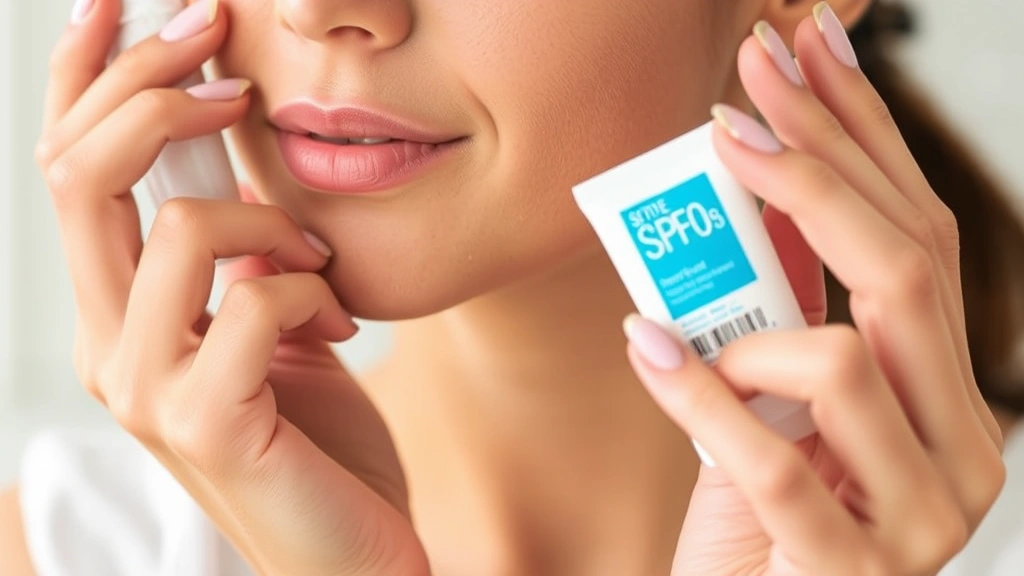
Sunscreen is the single most important anti-aging product in any skincare routine, yet many people skip this crucial step. UV damage causes 80% of visible aging signs, including wrinkles, age spots, and leathery texture. Dermatologists unanimously recommend daily broad-spectrum SPF 30 minimum, with SPF 50 preferred for extended outdoor exposure.
Chemical sunscreens absorb UV rays and convert them to heat, while physical (mineral) sunscreens reflect UV rays. Chemical options tend to be lighter and more cosmetically elegant, while physical sunscreens provide immediate protection and work better for sensitive skin. Many modern formulations combine both types for optimal protection and cosmetic appeal.
Application matters as much as product choice. Most people apply insufficient sunscreen; experts recommend using about one-quarter teaspoon for the face and neck. Reapplication every two hours, or immediately after swimming or sweating, maintains protection. Layering sunscreen over serums and moisturizers is perfectly acceptable—apply it as the final step in morning routines.
Those concerned about sunscreen ingredients should explore mineral formulations or look for products free from oxybenzone and octinoxate, which some consumers wish to avoid. Tinted mineral sunscreens provide sheer coverage while protecting, making them convenient for daily use. Remember that demoman cosmetics philosophy of simplification applies here too: one high-quality sunscreen applied consistently outperforms multiple products applied sporadically.
Specialized Routines by Skin Concern
Acne-Prone Skin: Expert-recommended routines for acne focus on preventing bacterial overgrowth and reducing inflammation without over-drying. A gentle cleanser, hydrating toner, niacinamide serum, lightweight moisturizer, and sunscreen form the foundation. Add salicylic acid (BHA) exfoliants 2-3 times weekly to unclog pores. Benzoyl peroxide remains highly effective for inflammatory acne; start with 2.5% concentrations to minimize irritation. Those with severe acne should consult dermatologists about prescription options like adapalene or oral medications.
Hyperpigmentation and Uneven Tone: Addressing dark spots and discoloration requires consistent use of brightening ingredients. Vitamin C serums, niacinamide, and alpha-arbutin work synergistically to inhibit melanin production. Kojic acid and licorice extract provide gentler brightening for sensitive skin. Consistent sunscreen use is absolutely critical, as UV exposure darkens existing spots. Results typically appear after 8-12 weeks of consistent use; patience is essential.
Sensitive and Reactive Skin: Those with sensitive skin benefit from minimalist routines emphasizing barrier repair. Focus on gentle cleansing, hydrating toners, barrier-repair moisturizers with ceramides, and consistent sunscreen. Avoid fragrance, essential oils, and strong actives initially. Once the barrier strengthens, introduce gentle actives like niacinamide or azelaic acid. Products labeled wheat free cosmetics often indicate careful formulation for sensitive individuals, though always patch test new products.
Mature Skin: Cosmetics for mature skin should prioritize collagen support, hydration, and antioxidant protection. Retinoids remain the most effective anti-aging ingredient; introduce them gradually in mature skin routines. Vitamin C, peptides, and growth factors support collagen production. Rich moisturizers and facial oils address the dryness that often accompanies aging. Consider adding specialized treatments like eye creams addressing fine lines and under-eye darkness.
Weekly Treatments and Exfoliation
Beyond daily routines, weekly treatments target specific concerns and maintain skin health. Physical exfoliation using gentle scrubs or brushes removes dead skin cells, but chemical exfoliation using AHAs and BHAs offers superior results without damage risk. Glycolic acid (AHA) exfoliates surface layers, improving texture and tone, while salicylic acid (BHA) penetrates pores, benefiting acne-prone skin.
Start with one exfoliation session weekly, gradually increasing to twice weekly as tolerance builds. Never combine different exfoliants on the same day, and avoid exfoliating on days when using strong actives like retinoids. Over-exfoliation compromises the barrier, triggering sensitivity and irritation.
Sheet masks deliver concentrated actives in occlusive formulations, ideal for hydration boosts and targeted treatment. Sleeping masks provide overnight intensive care, particularly beneficial for dry skin. Clay masks help oily skin by absorbing excess sebum, though these should be used cautiously on sensitive or dry skin types.
Professional treatments complement at-home routines. Chemical peels, microneedling, and laser treatments address concerns like scarring, severe hyperpigmentation, and advanced aging. Consulting dermatologists about these options helps determine which treatments align with your goals and skin type.
FAQ
How long does it take to see results from a new skincare routine?
Most skincare benefits appear within 4-6 weeks of consistent use, though some changes like improved hydration manifest within days. Concerns like hyperpigmentation and acne require 8-12 weeks for noticeable improvement. Retinoid results appear gradually over 12-16 weeks as collagen rebuilds. Consistency matters more than product quality; using the same routine daily yields better results than frequently switching products.
Can I use all these products together, or will they interact negatively?
Layering products thoughtfully prevents interactions. Apply products from thinnest to thickest consistency: toners, serums, moisturizers, then oils. Avoid combining actives on the same day—use retinoids and vitamin C on alternate nights. Niacinamide pairs excellently with most ingredients. When introducing new actives, use them separately initially before combining once your skin adapts. Patch testing new products on the inner arm prevents unexpected reactions.
Is a 10-step routine necessary, or can minimalist routines work?
Minimalist routines absolutely work and often outperform complex ones. The essential steps are cleansing, moisturizing, and sunscreen. Everything else—toners, serums, treatments—addresses specific concerns. A three-product routine (cleanser, moisturizer, sunscreen) benefits healthy skin, while targeted concerns justify adding specific actives. Quality matters more than quantity; one excellent vitamin C serum outperforms five mediocre serums.
How do I know if a product is causing irritation versus helping my skin adjust?
Initial retinization from retinoids—mild redness, dryness, and peeling—typically subsides within 2-4 weeks. True irritation involves persistent burning, severe redness, or spreading reactions; discontinue these products immediately. Introduce one new product every 1-2 weeks, allowing assessment of individual reactions. If unsure, patch test on the inner arm for several days before full-face application. Dermatologists can help distinguish adjustment reactions from true allergies.
Should routines differ between seasons?
Yes, seasonal adjustments optimize results. Winter routines benefit from richer moisturizers and facial oils addressing cold-weather dryness. Summer routines might emphasize lighter textures and increased sunscreen reapplication. Humidity affects skin differently; those in humid climates may reduce moisturizer weight while maintaining hydration. Seasonal pollen and temperature fluctuations sometimes trigger sensitivity; adjusting to gentler products temporarily supports barrier recovery.