How to Get Free Cosmetic Samples by Mail: Insider Tips and Proven Strategies
Getting free cosmetic samples by mail is one of the smartest ways to test skincare and makeup products before committing to full-size purchases. Whether you’re exploring new brands, checking ingredient compatibility with your skin type, or simply looking to expand your beauty collection without breaking the bank, sample acquisition is an art form that savvy beauty enthusiasts have perfected. This comprehensive guide reveals legitimate methods, insider secrets, and strategic approaches to maximize your free sample haul while supporting brands that align with your skincare goals.
The beauty industry generates billions in revenue annually, yet brands invest heavily in sample distribution programs because they understand a fundamental truth: consumers who try products before buying are more likely to become loyal customers. From dermatologist-recommended formulations to indie beauty lines, manufacturers across the spectrum offer free samples to build brand awareness and gather valuable consumer feedback. By understanding how these programs work and knowing where to look, you can access premium skincare, foundations, serums, and specialty products without spending a dime.
Official Brand Websites and Direct Requests
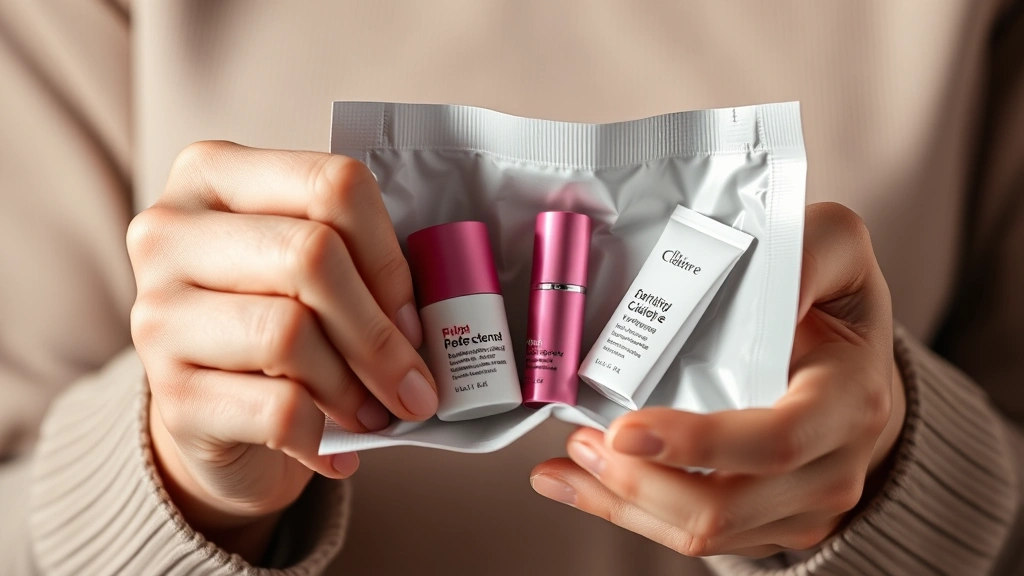
The most direct and reliable source for free cosmetic samples is the official website of your favorite beauty brands. Major skincare companies like Clinique, Estée Lauder, Sephora, and Ulta Beauty maintain robust sample programs that allow customers to request products directly. Navigate to the brand’s website and look for sections labeled “Free Samples,” “Sample Requests,” or “Try It First.” Most legitimate brands offer 2-5 free samples per customer request, with shipping typically included at no cost.
When submitting sample requests, provide accurate information including your skin type, primary skincare concerns, and any known sensitivities or allergies. Brands use this data to curate samples that match your profile, increasing the likelihood that you’ll receive products you’ll actually use. This personalization also benefits the company by generating more meaningful feedback. For those interested in skincare routines tailored to specific age groups, many brands offer age-specific sample collections.
Create a dedicated email address for sample requests to keep your inbox organized and track responses. Most brands process requests within 5-10 business days, though delivery can take 2-4 weeks depending on your location. Premium brands like La Roche-Posay, Neutrogena, and CeraVe offer particularly generous sample programs, recognizing that dermatologist-recommended products warrant trial periods before purchase. Some brands even offer samples of their complete skincare lines, allowing you to test entire regimens.
Beauty Subscription Box Programs
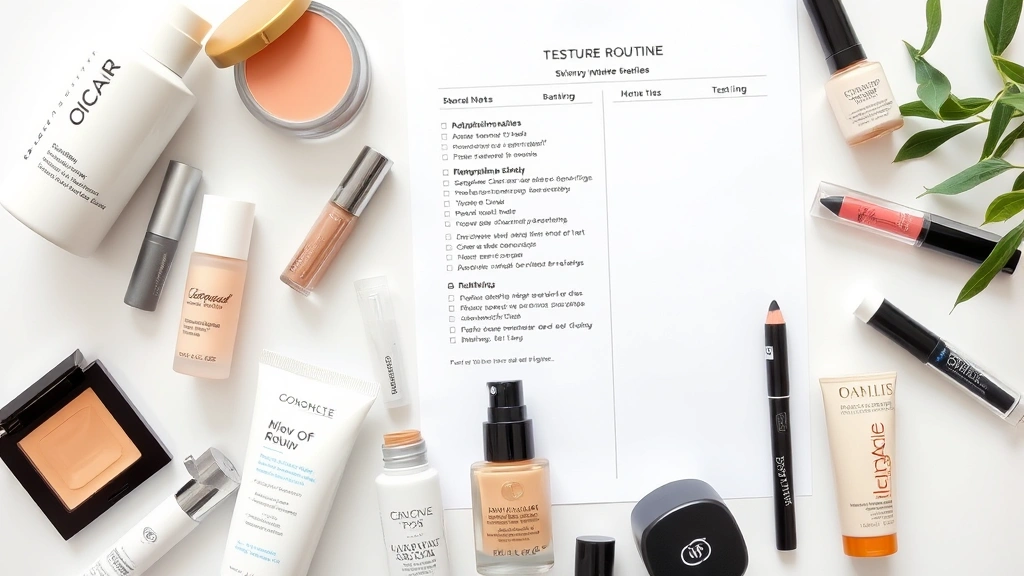
Beauty subscription services like Birchbox, FabFitFun, and Ipsy have revolutionized sample distribution by delivering curated collections directly to your door monthly. While some subscriptions require payment (typically $10-15 monthly), many offer free trial boxes or first-month discounts that effectively provide free samples. These services partner with hundreds of brands to include miniature versions of popular products, allowing you to discover new favorites without financial risk.
The advantage of subscription boxes extends beyond the samples themselves. These services often provide beauty education, ingredient breakdowns, and usage tips for each product. If you have combination skin requiring balanced product selection, subscription services allow you to specify preferences and receive customized samples accordingly. Many boxes include full-size products or valuable discount codes for items you love, effectively offsetting subscription costs.
Seasonal and limited-edition boxes often feature exclusive samples unavailable elsewhere. Holiday boxes in particular offer premium samples from luxury brands at fraction of retail prices. Some services allow you to skip months without penalty, enabling you to participate selectively during promotional periods. Additionally, referral programs within these platforms often grant free boxes to both the referrer and new subscriber, creating opportunities for continuous sample access.
Department Store Sample Programs
Major department stores including Sephora, Ulta Beauty, Nordstrom, and Saks Fifth Avenue maintain extensive sample programs that rival brand websites in generosity. Sephora’s “Beauty Insider” members can request samples at checkout or through the mobile app, with many locations offering sampling stations where customers can test products before purchasing. Ulta Beauty provides similar benefits to loyalty program members, with the added advantage of in-store sampling opportunities.
Department store advantages include immediate sample access without mail delays and the ability to see products firsthand before requesting samples. Staff members can provide professional recommendations based on your skin type and concerns, particularly valuable for those managing skin inflammation or sensitivity issues. Many stores offer samples during special promotional events, bonus sample days, or when launching new product lines.
Digital loyalty programs associated with these retailers often send personalized sample offers via email based on your purchase history and browsing behavior. Signing up for email newsletters guarantees notifications about upcoming sample events and exclusive member sampling opportunities. Some stores occasionally offer “free sample days” where customers receive premade sample bags with multiple products, typically coinciding with brand anniversaries or seasonal launches.
Influencer and Affiliate Sample Codes
Beauty influencers, makeup artists, and skincare specialists frequently receive samples from brands and often share discount codes or sample offers with their followers. Following beauty content creators on Instagram, TikTok, YouTube, and blogs can alert you to exclusive sample opportunities not available through standard channels. Many influencers partner with brands to offer their audiences free samples with code entries or direct links.
Affiliate programs represent another avenue: beauty bloggers and YouTubers often link to brand websites where followers can access sample offers. These creators frequently negotiate better sample deals with brands in exchange for promotion, meaning their audiences receive enhanced sample packages. Search for “[brand name] + free sample” on YouTube or beauty blogs to find creator-specific offers and detailed unboxing reviews that help you decide whether samples are worth requesting.
Micro-influencers and beauty educators sometimes send sample bundles to engaged community members, particularly those who interact consistently with their content. Commenting thoughtfully on posts, asking informed questions about ingredients, and demonstrating genuine interest in skincare education can lead to sample offers from creators who appreciate their audience’s engagement. Join beauty communities on Reddit, Discord, and specialized forums where members frequently share sample links and coordinate group purchases of discounted sample sets.
Dermatology and Professional Partnerships
Dermatologists’ offices often stock free samples from pharmaceutical-grade skincare brands including Obagi, SkinCeuticals, ZO Skin Health, and professional-only lines. If you’re being treated for specific skin conditions or undergoing professional procedures, ask your dermatologist about sample availability. These clinical-grade samples represent premium products typically unavailable through consumer channels, providing opportunities to test expensive professional formulations before investing.
Cosmetic dermatology clinics offering laser treatments, chemical peels, or injectables frequently provide complementary skincare samples to support post-procedure skin health. These samples are specifically selected to work synergistically with professional treatments, making them particularly valuable for understanding the complete skincare ecosystem. Some clinics partner with multiple brands to offer sample variety, allowing patients to identify products compatible with their treated skin.
Professional beauty schools and esthetics programs sometimes distribute samples to prospective clients or community members during open houses or educational events. These institutions have partnerships with product suppliers and may offer samples as part of community outreach initiatives. Additionally, attending beauty expos, dermatology conferences open to the public, or skincare seminars often includes free sample bags from exhibiting brands, providing bulk sample opportunities in single visits.
Social Media Contests and Giveaways
Brands leverage social media platforms to generate engagement through sample giveaways and contests. Following beauty brands on Instagram, TikTok, and Facebook exposes you to regular promotional opportunities requiring minimal effort—typically just following, liking, commenting, or tagging friends for entry. These campaigns frequently award samples to multiple winners, increasing your odds compared to traditional raffles or sweepstakes.
Hashtag monitoring tools and alerts help you stay informed about sample giveaways without constantly checking feeds. Create alerts for hashtags like #FreeBeautySamples, #SampleGiveaway, or #FreeCosmetics to receive notifications when brands launch promotional campaigns. Many giveaways specifically target engaged community members, so liking and commenting on brand content regularly can boost your visibility and chances of winning.
User-generated content campaigns incentivize sample distribution by rewarding customers who share their skincare routines or product reviews. Brands often send samples to users who create compelling content featuring their products, turning customers into brand ambassadors. These opportunities typically require sharing your skincare journey, demonstrating knowledge about beneficial ingredients like aloe vera, or providing detailed product feedback that contributes to brand communities.
Maximizing Sample Effectiveness
Receiving free samples is only the beginning; using them strategically determines actual value. Establish a testing protocol before samples arrive by identifying specific concerns you want to address—whether that’s hydration, oil control, anti-aging, or sensitivity management. This focused approach prevents overwhelming your skin with simultaneous new products and allows you to accurately assess individual formulation effectiveness.
Implement patch testing before full-face application, particularly important when trying new active ingredients or if you have sensitive skin. Apply samples to small areas first, waiting 24-48 hours to monitor for adverse reactions. This conservative approach prevents compromising your entire skincare routine due to incompatible products. Maintain detailed notes about each sample including brand, product type, key ingredients, application method, and skin response observations.
Use samples to extend your regular skincare routine rather than replacing it entirely. Incorporate samples as targeted treatments or supplementary steps to understand how they integrate with your existing regimen. This realistic testing mimics how you’d actually use full-size products, providing meaningful insights about purchase worthiness. For those exploring cosmetic treatments and professional skincare, samples help identify complementary at-home products that support professional results.
Organize samples by category and skin concern to prevent duplication and enable systematic evaluation. Create a spreadsheet tracking which samples you’ve tested, results, and whether you’d purchase full sizes. This documentation proves invaluable when making skincare investment decisions and helps you identify patterns in which product types and ingredients work best for your skin. Share detailed feedback with brands when requested, as this information influences their product development and may result in additional sample offers.
Red Flags and Safety Considerations
While legitimate sample programs abound, certain practices warrant caution. Never pay for free samples—legitimate brands never charge for sample requests. Websites promising unlimited free samples in exchange for shipping fees often deliver expired or counterfeit products. Verify sample requests through official brand websites or authorized retailers rather than third-party platforms claiming to aggregate samples.
Check expiration dates and packaging integrity upon sample arrival. Samples should arrive in sealed, professional packaging without visible damage. Discoloration, separation, unusual odors, or leaking samples indicate potential contamination or age-related degradation. If samples appear compromised, contact the brand directly rather than applying them to skin. Counterfeit cosmetics pose serious health risks including allergic reactions, infections, and long-term skin damage from undisclosed or harmful ingredients.
Be cautious about sharing excessive personal information when requesting samples. Legitimate brands require basic details but shouldn’t request credit card information, social security numbers, or extensive medical history. Review privacy policies before submitting sample requests to understand how companies use your data. Unsubscribe from marketing emails if you receive overwhelming volume, and report suspicious sample websites to the Federal Trade Commission.
Research brands before requesting samples, particularly lesser-known companies. Check for FDA cosmetic registrations and verify that brands comply with beauty industry regulations. Read independent reviews and consult cosmetic ingredient databases to understand product composition. If a brand lacks transparent ingredient listings or professional credibility, the free samples may not be worth the risk to your skin health.
FAQ
How long does it typically take to receive free cosmetic samples by mail?
Processing times vary by brand, typically ranging from 5-10 business days after submission. Shipping adds 2-4 weeks depending on your location and the carrier used. International requests may take 4-8 weeks. Subscription boxes and department store samples usually arrive faster since they’re distributed in bulk. Plan accordingly if you need samples for specific events or skincare evaluations.
Can I request multiple samples from the same brand?
Most brands limit sample requests to one per customer per specified period, typically 30-90 days. However, you can request different products from the same brand in separate submissions if timing allows. Department stores and subscription services don’t typically impose these restrictions since they operate differently from brand direct programs. Check individual brand policies, as they vary considerably.
Are free samples as effective as full-size products?
Yes, samples contain identical formulations to full-size products. The only difference is quantity—samples provide enough product for 5-15 applications depending on type (serums require less than moisturizers). This limited quantity allows adequate testing periods for most skincare products, which typically require 2-4 weeks of consistent use to demonstrate visible results. Samples are scientifically valid for evaluating effectiveness and ingredient compatibility.
What’s the best strategy for organizing and tracking samples?
Create a spreadsheet documenting brand, product name, skin type compatibility, key ingredients, application frequency, and results. Organize physical samples in a cool, dark location away from direct sunlight and heat, which degrade active ingredients. Take photos of samples before opening for reference. This system prevents duplicate requests and helps identify patterns in which products work best for your skin, ultimately informing smarter purchasing decisions.
Can I get samples of luxury or high-end beauty brands?
Absolutely. Premium brands including Lancôme, Dior, Tom Ford Beauty, and Estée Lauder maintain generous sample programs precisely because their products command premium prices. Department stores like Sephora and Nordstrom offer samples from luxury collections. Luxury brands often provide more generous sample sizes than mass-market alternatives, recognizing that customers need adequate quantities to fairly evaluate high-priced formulations before purchasing.
How do I identify legitimate sample programs versus scams?
Legitimate sample programs are always free and never request payment, credit card information, or sensitive personal data beyond name and address. Access requests through official brand websites, authorized retailers like Sephora or Ulta, or verified social media accounts. Be wary of third-party websites promising unlimited samples for shipping fees. Research brand credibility, check for professional certifications, and verify FDA compliance before providing personal information.