Top Treatments at La Jolla Spa: Expert Insights on Cosmetic Medical Procedures
La Jolla’s cosmetic medical spas have become renowned destinations for advanced skincare treatments and non-invasive aesthetic procedures. Located in one of Southern California’s most prestigious coastal communities, these facilities combine cutting-edge technology with expert dermatological knowledge to deliver transformative results. Whether you’re seeking to address fine lines, restore volume, improve skin texture, or tackle stubborn pigmentation issues, understanding the top treatments available can help you make informed decisions about your skincare journey.
The landscape of cosmetic medical spa treatments has evolved dramatically over the past decade, moving far beyond basic facials and waxing services. Today’s leading spas in La Jolla offer sophisticated procedures backed by clinical research and performed by licensed professionals. From neurotoxin injections and dermal fillers to laser therapies and microneedling treatments, these facilities provide comprehensive solutions tailored to individual skin types and aesthetic goals. This guide explores the most effective treatments available at La Jolla cosmetic medical spas, offering expert insights into how each procedure works, what results you can expect, and how to choose the right treatment for your unique needs.
Understanding Cosmetic Medical Spa Treatments
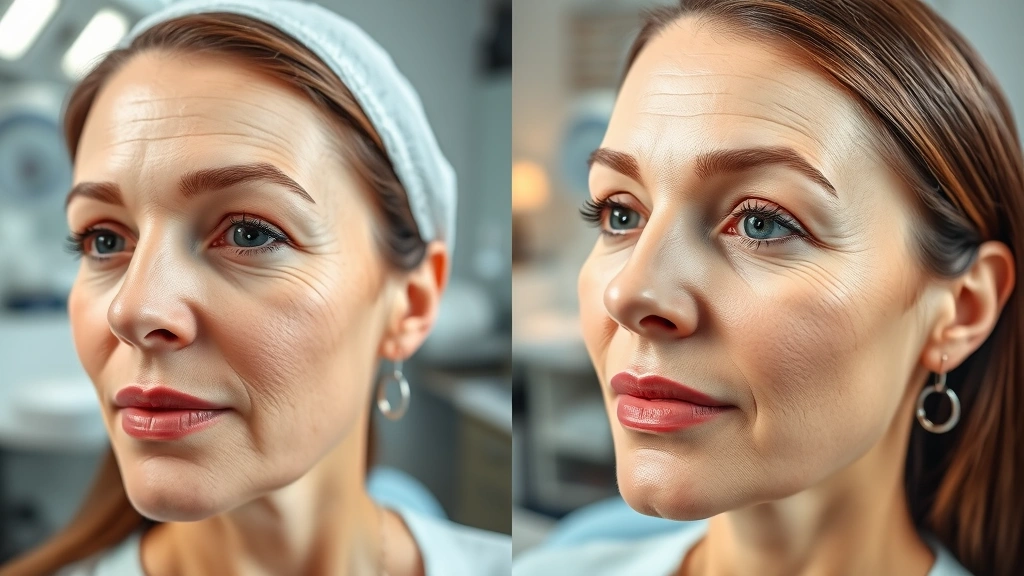
A cosmetic medical spa represents the intersection of traditional spa services and clinical dermatology. Unlike day spas that focus primarily on relaxation and basic skincare, medical spas operate under the supervision of licensed physicians and employ healthcare professionals trained in advanced aesthetic procedures. The distinction is crucial because it means treatments are performed with medical-grade equipment, sterile protocols, and the ability to address complex skin concerns with science-backed methodologies.
The foundation of any effective treatment plan begins with a comprehensive skin assessment. Professionals at La Jolla cosmetic medical spas evaluate your skin type, texture, tone, elasticity, and specific concerns—whether that’s acne, rosacea, hyperpigmentation, or age-related changes. This personalized approach ensures that recommended treatments align with your skin’s unique needs. Understanding your skin type is essential; treatments suitable for oily, acne-prone skin differ significantly from those ideal for dry, sensitive, or mature skin.
The integration of professional treatments with at-home skincare routines amplifies results substantially. Many spas recommend complementary products containing active ingredients like retinoids, vitamin C, niacinamide, and peptides that work synergistically with in-office procedures. This comprehensive approach—combining clinical treatments with professional-grade skincare—represents the modern standard in aesthetic medicine.
Injectable Treatments: Botox and Dermal Fillers
Injectable treatments remain the most popular cosmetic medical procedures, and for good reason. They deliver visible results with minimal downtime and can be customized to achieve natural-looking outcomes when administered by skilled injectors. The two primary categories—neurotoxins and dermal fillers—work through different mechanisms to address various aging concerns.
Neurotoxin Injections (Botox and Similar Products)
Botulinum toxin products work by relaxing the muscles responsible for dynamic wrinkles—those lines that form from repetitive facial expressions. When injected into specific facial muscles, these treatments prevent the signals that cause muscle contractions, resulting in smoother skin and a more relaxed appearance. Common treatment areas include the forehead, between the eyebrows (glabellar lines), and around the eyes (crow’s feet).
The results typically become visible within three to seven days, with full effects appearing around two weeks. Duration usually ranges from three to four months, after which maintenance injections are needed. Strategic placement can achieve subtle, natural results that maintain facial expressiveness while reducing the appearance of wrinkles. Many practitioners in La Jolla emphasize the importance of conservative initial doses, particularly for first-time patients, allowing for adjustments at follow-up appointments.
Dermal Fillers for Volume Restoration
While neurotoxins address dynamic wrinkles, dermal fillers address static wrinkles and volume loss—hallmarks of aging skin. As we age, the skin loses hyaluronic acid, collagen, and fat, resulting in hollowness, sagging, and deepened folds. Hyaluronic acid-based fillers are the most popular choice, offering natural results and the advantage of reversibility through hyaluronidase injections if needed.
Different filler formulations vary in thickness and longevity. Lighter fillers work well for fine lines and lips, while thicker formulations provide better support for deeper folds and cheekbone augmentation. Results are immediate, though subtle swelling may take a few days to fully resolve. Filler longevity typically ranges from six months to two years, depending on the specific product and treatment area. Metabolism rates vary individually; factors like age, skin type, and lifestyle affect how quickly the body breaks down fillers.
Strategic filler placement can dramatically enhance facial structure. Cheekbone augmentation provides subtle lift that reduces the appearance of nasolabial folds and marionette lines without obvious augmentation. Lip enhancement can restore lost volume while maintaining natural proportions. Under-eye filler addresses hollowness that creates a tired appearance, a concern particularly relevant to those seeking skincare products for aging skin.
Combination Injectable Approaches
Many practitioners recommend combining neurotoxins and fillers for comprehensive facial rejuvenation. This approach addresses both dynamic and static wrinkles, providing superior results compared to either treatment alone. A skilled injector evaluates your facial anatomy, skin quality, and aesthetic goals to create a balanced treatment plan that enhances natural features rather than creating an overdone appearance.
Laser and Light-Based Therapies
Ablative and Non-Ablative Laser Treatments
Laser technology represents one of the most versatile tools in cosmetic medicine. Different laser wavelengths target specific skin concerns, from pigmentation irregularities to vascular lesions to textural imperfections. Ablative lasers, such as CO2 and erbium lasers, remove the outer layer of skin, triggering significant collagen remodeling and dramatic improvements in skin texture and tone. However, they require substantial downtime, typically seven to fourteen days of visible healing.
Non-ablative lasers, including fractional non-ablative and long-pulsed lasers, stimulate collagen production without removing the skin’s surface. These treatments require minimal downtime, making them ideal for patients with busy schedules. Multiple sessions—typically four to six treatments spaced four to six weeks apart—provide cumulative improvements in fine lines, skin texture, and overall radiance.
Intense Pulsed Light (IPL) for Pigmentation and Vascular Concerns
IPL technology uses broad-spectrum light to target melanin and hemoglobin, making it exceptionally effective for treating sun damage, age spots, freckles, and rosacea. The light energy is absorbed by pigmented lesions and broken blood vessels, which the body then naturally eliminates. Results improve progressively over several weeks as the skin sheds damaged cells and reveals clearer skin beneath.
IPL treatments work particularly well on the face, neck, chest, and hands—areas frequently exposed to UV damage. Most patients notice visible improvement in skin tone and clarity after just two to three treatments. This modality pairs excellently with other treatments and complements at-home skincare routines incorporating green tea cosmetic benefits and other antioxidant ingredients.
Specialized Laser Applications
Advanced laser systems can address specific concerns like melasma, post-inflammatory hyperpigmentation, and even certain types of acne scars. Picosecond lasers, which deliver energy in trillionths of a second, break up pigment particles more effectively than traditional nanosecond lasers, often requiring fewer treatments. Some facilities offer combination laser approaches, layering different wavelengths to address multiple concerns simultaneously.
Microneedling and Collagen Induction Therapy
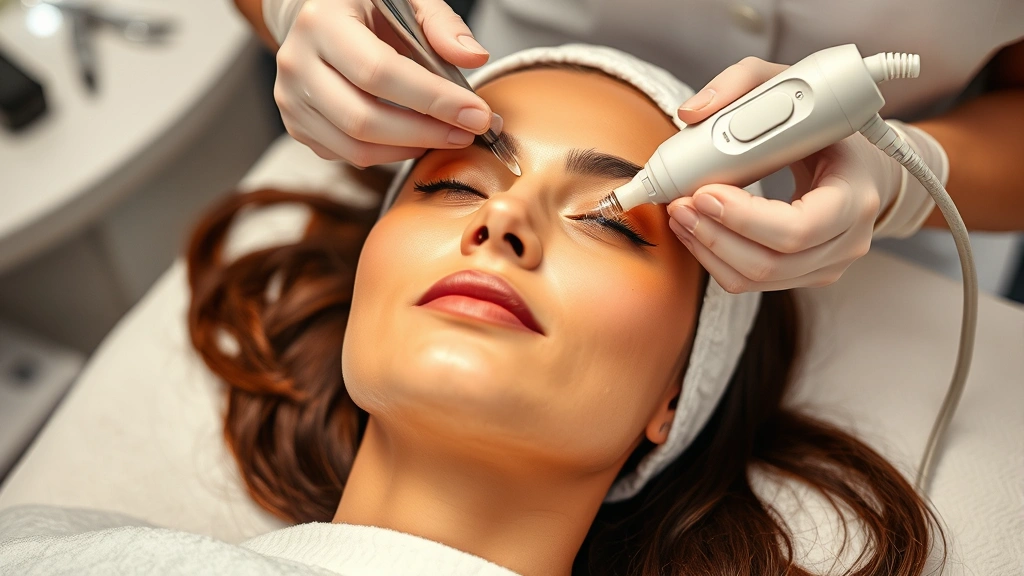
Microneedling, also called collagen induction therapy, uses controlled micro-injuries to stimulate the skin’s natural healing response and collagen production. A device with fine needles creates thousands of tiny punctures in the skin, triggering inflammation and subsequent collagen remodeling. This mechanism makes microneedling effective for addressing fine lines, textural irregularities, acne scars, and overall skin quality improvement.
The treatment creates controlled inflammation without damaging the skin barrier in the way ablative lasers do. Most patients experience mild redness and slight swelling for one to three days. Results improve progressively over several weeks and months as collagen continues to remodel. A series of three to six treatments spaced four to six weeks apart typically provides optimal results.
Radiofrequency Microneedling
Advanced systems combine microneedling with radiofrequency energy, delivering heat deep into the dermis while creating micro-injuries at the surface. This combination approach accelerates collagen production and provides more dramatic skin tightening benefits compared to traditional microneedling alone. The added radiofrequency energy makes this treatment particularly effective for loose, crepey skin and can provide results comparable to more aggressive laser treatments with less downtime.
Microneedling with Topical Serums
The microchannels created during microneedling dramatically enhance the penetration of topical serums and growth factors. Many spas apply specialized serums containing peptides, hyaluronic acid, and growth factors immediately following treatment, maximizing absorption and therapeutic benefit. Some facilities use platelet-rich plasma (PRP) derived from the patient’s own blood, which contains concentrated growth factors that promote healing and collagen synthesis.
Chemical Peels and Advanced Exfoliation
Depth-Customized Chemical Peels
Chemical peels use acids or other chemical agents to exfoliate the skin at various depths, from superficial to deep. Superficial peels using alpha-hydroxy acids (AHAs) or beta-hydroxy acids (BHAs) remove only the outermost dead skin layer, providing gentle exfoliation with minimal downtime. These peels are ideal for maintaining skin clarity and can be performed monthly as part of a regular skincare regimen.
Medium-depth peels using trichloroacetic acid (TCA) or combination formulas penetrate into the dermis, providing more dramatic improvements in fine lines, pigmentation, and texture. These peels typically require three to seven days of visible peeling and healing. Deep peels, traditionally performed with phenol, are less common today due to systemic absorption risks but remain effective for severe photoaging and textural concerns.
Customized Peel Protocols
Skilled practitioners customize peel strength based on individual skin types and concerns. Those with sensitive skin or darker skin tones require careful formulation selection to minimize irritation and post-inflammatory hyperpigmentation risk. Combination protocols—layering different acids or combining peels with other treatments—address multiple concerns simultaneously while optimizing results.
Pre-peel and post-peel skincare is crucial for safety and efficacy. Pre-treatment with retinoids and vitamin C strengthens the skin barrier and prepares it for chemical exfoliation. Post-peel care emphasizes gentle cleansing, hydration, and strict sun protection to prevent complications and support healing. Many practitioners recommend professional-grade products containing ceramides, niacinamide, and antioxidants during the recovery period.
Body Contouring and Skin Tightening
Non-Invasive Fat Reduction
Modern cosmetic medical spas offer non-invasive fat reduction treatments that appeal to patients seeking body contouring without surgical intervention. Cryolipolysis (CoolSculpting) freezes fat cells, causing them to die and be naturally eliminated by the body over several weeks. Radiofrequency and ultrasound-based systems heat fat tissue to achieve similar results. These treatments work best on small to moderate fat deposits and complement a healthy lifestyle rather than serving as weight loss solutions.
Skin Tightening Technologies
Radiofrequency and ultrasound technologies like Thermage and Ultherapy stimulate collagen production in deeper skin layers, providing subtle but progressive skin tightening and lifting. These treatments are particularly effective for mild to moderate skin laxity on the face, neck, and body. Results develop gradually over two to three months as collagen remodels, with continued improvement possible for up to six months post-treatment.
Cellulite reduction treatments using acoustic wave therapy, radiofrequency, or specialized massage technologies address the dimpled appearance of cellulite by improving skin texture and breaking down fibrous septae. While results vary based on cellulite severity, most patients notice visible improvement after a series of treatments combined with lifestyle modifications.
Combination Treatments and Custom Protocols
The most sophisticated approach to aesthetic medicine involves strategic combination of treatments tailored to individual needs. Rather than relying on a single modality, skilled practitioners layer complementary treatments to address multiple concerns simultaneously and optimize results.
Strategic Treatment Sequencing
Timing and sequencing are critical when combining treatments. Some procedures should be spaced apart to allow adequate healing, while others can be performed on the same day. For example, light chemical peels can be combined with microneedling, but ablative laser treatments require separate appointments. A comprehensive treatment plan might include quarterly laser sessions for pigmentation and texture, biannual neurotoxin maintenance, annual filler touch-ups, and monthly professional facials with appropriate actives.
Skincare Integration
Professional treatments achieve optimal results when integrated with appropriate at-home skincare. Patients undergoing aggressive laser treatments benefit from gentle, hydrating formulations during recovery, while those receiving injectables can maintain results through targeted anti-aging products. Some practitioners recommend cosmetics for mature skin containing peptides, retinoids, and antioxidants to support collagen production between professional treatments.
The synergy between professional treatments and professional-grade skincare cannot be overstated. Treatments create the opportunity for enhanced penetration and cellular turnover, while quality skincare products support healing, prevent complications, and maintain results. This integrated approach—combining in-office procedures with prescription-strength or professional-grade at-home products—represents the gold standard in aesthetic medicine.
Seasonal and Lifestyle Considerations
Strategic timing of treatments based on seasonal sun exposure and lifestyle factors optimizes safety and results. Ablative laser treatments, deep peels, and aggressive procedures are best performed during months with minimal sun exposure, allowing the skin to heal without UV interference. Patients planning vacations or special events should schedule treatments with adequate lead time to ensure full healing and optimal results.
Lifestyle factors including sleep quality, hydration, nutrition, and stress management significantly impact treatment outcomes. The skin’s ability to heal and produce collagen depends on adequate protein intake, antioxidant consumption, and proper sleep. Many practitioners counsel patients on these factors as part of comprehensive treatment planning, recognizing that optimal results require commitment beyond the treatment room.
FAQ
What should I expect during my first visit to a cosmetic medical spa?
Your initial consultation should include a thorough skin assessment, discussion of your aesthetic goals and concerns, and evaluation of your medical history. The practitioner will examine your skin type, identify specific issues, and recommend appropriate treatments. This is your opportunity to ask questions, discuss realistic expectations, view before-and-after photos, and understand pricing and scheduling. A reputable facility will never pressure you into treatments and will take time to ensure you’re comfortable with recommendations.
How do I know which treatment is right for me?
The best treatment depends on your specific skin concerns, skin type, current condition, and aesthetic goals. Someone concerned primarily with fine lines and expression wrinkles might benefit most from neurotoxin injections, while someone with significant sun damage and texture issues might prioritize laser treatments. A skilled practitioner will evaluate all these factors and may recommend a combination approach. Your budget, available downtime, and timeline also influence treatment selection.
Are cosmetic medical spa treatments safe?
When performed by qualified, licensed professionals in properly regulated facilities, cosmetic medical spa treatments are generally safe. However, risks and complications can occur with any procedure. Choose facilities that employ licensed physicians or nurse injectors supervised by physicians, maintain strict sterile protocols, and use FDA-approved equipment and products. Research the facility’s credentials, read patient reviews, and don’t hesitate to ask about the practitioner’s training and experience.
How long do results last, and when will I see improvements?
Timeline and longevity vary significantly by treatment. Injectable results appear within days to weeks and last three to twelve months depending on the product. Laser and light-based treatments require multiple sessions with progressive improvement over weeks to months. Microneedling shows gradual results over months as collagen remodels. Most treatments require maintenance sessions to sustain results, as the skin continues aging naturally.
Can I combine cosmetic medical spa treatments with at-home skincare?
Absolutely. In fact, combining professional treatments with appropriate at-home skincare is strongly recommended. Your practitioner should recommend specific products that complement your treatments and support healing. Many suggest professional-grade formulations containing retinoids, vitamin C, niacinamide, and peptides. Some patients also benefit from exploring best drugstore cosmetics and professional recommendations for daily maintenance between professional treatments.
What is the difference between a cosmetic medical spa and a regular day spa?
A medical spa operates under physician supervision and offers procedures requiring medical training and licensing, while a day spa provides relaxation and basic skincare services. Medical spas use clinical-grade equipment, follow strict sterile protocols, and employ healthcare professionals. This distinction matters because medical-grade treatments deliver stronger results but also carry greater responsibility for safety and proper technique. Always verify that your chosen facility is properly licensed and staffed with qualified professionals.
How do I prepare for cosmetic medical spa treatments?
Pre-treatment preparation varies by procedure but typically includes avoiding sun exposure, discontinuing certain medications or supplements that increase bleeding risk, and maintaining good skin hydration. Your practitioner will provide specific pre-treatment instructions. Generally, arrive with clean skin free of makeup and moisturizer, avoid strenuous exercise the day of treatment, and plan for potential mild redness or swelling afterward.
What ingredients should I look for in skincare products used alongside professional treatments?
Products that support collagen production, protect against UV damage, and promote healing are ideal complements to professional treatments. Look for retinoids (retinol, retinaldehyde, or prescription retinoids), vitamin C, niacinamide, peptides, hyaluronic acid, and antioxidants like green tea or resveratrol. Products should also include broad-spectrum SPF for daytime use. Many practitioners recommend exploring MAC cosmetics Sephora and other professional retailers for quality skincare alongside medical-grade lines.
How much do cosmetic medical spa treatments cost?
Pricing varies widely based on treatment type, facility location, practitioner experience, and geographic market. Injectables typically range from $300-$1,000 per treatment area, laser treatments from $300-$1,500 per session, and combination protocols from $1,500-$5,000. Most facilities offer package pricing for multiple sessions. Verify that pricing includes all necessary follow-up appointments and any touch-ups within a specified timeframe.