Perfect Makeup Lighting? LED Mirror Tested
Achieving flawless makeup application begins long before you open your foundation bottle—it starts with proper lighting. An LED cosmetic mirror has become an essential tool for makeup enthusiasts, beauty professionals, and skincare-conscious individuals who understand that natural-looking makeup requires seeing your skin exactly as it appears in real-world conditions. Unlike traditional bathroom mirrors that cast unflattering shadows and distort color perception, LED cosmetic mirrors simulate daylight and various lighting environments, allowing you to apply makeup with precision and confidence.
The science behind makeup lighting is straightforward: your skin appears dramatically different under fluorescent office lights, warm incandescent bulbs, and natural daylight. If you apply makeup using only one light source, you risk creating a look that appears either too heavy, poorly blended, or mismatched when you step into different environments. An LED cosmetic mirror solves this problem by providing consistent, adjustable illumination that helps you see true skin tone, foundation shade matching, and blending seamlessly. Whether you’re preparing for a professional photoshoot, daily work commute, or special event, understanding how LED mirrors enhance your makeup application process is crucial.
This comprehensive guide explores everything you need to know about LED cosmetic mirrors, including their technology, benefits for different skin types, and how they integrate into a complete beauty routine alongside your favorite cosmetic starter kit.
How LED Cosmetic Mirrors Work
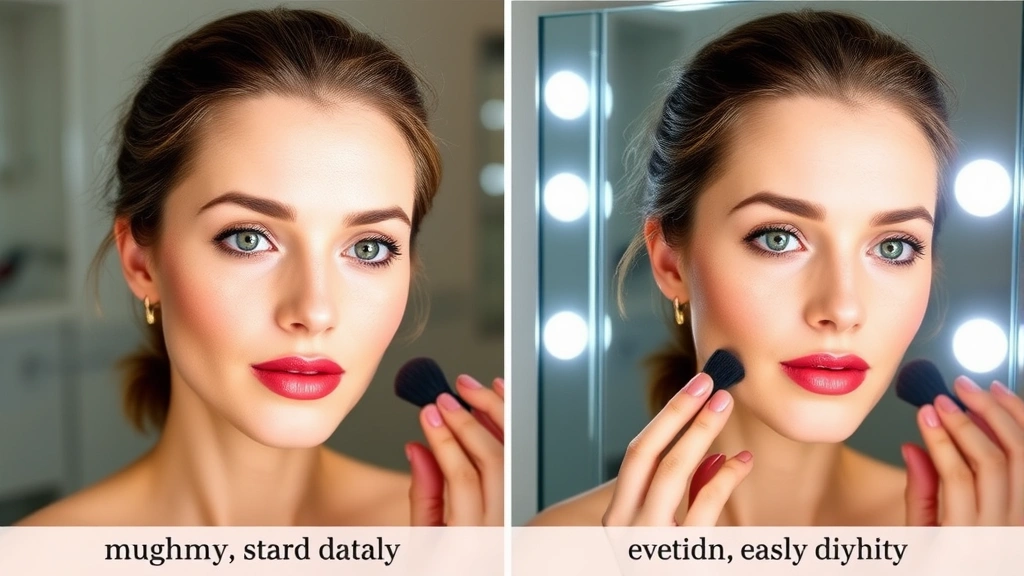
LED cosmetic mirrors utilize light-emitting diode technology positioned around the mirror’s perimeter or behind the reflective surface to create shadowless illumination. Unlike incandescent bulbs that generate heat and consume significant energy, LEDs produce consistent, cool light that doesn’t degrade over time or create hotspots on your face. The bulbs are typically arranged in rows or circles around the mirror frame, ensuring light reaches every facial area uniformly.
The key mechanism involves multiple LED chips emitting light at specific wavelengths that approximate daylight. Professional-grade mirrors often include adjustable color temperature controls, allowing you to shift between warm (2700K-3000K), neutral (4000K-5000K), and cool daylight (5500K-6500K) settings. This flexibility means you can preview how your makeup will appear under different lighting conditions before leaving home. Some advanced models even include a “natural daylight” setting that mimics the specific light spectrum found at noon on a clear day—the gold standard for makeup application.
The technology also incorporates anti-glare coatings on the LED bulbs themselves, preventing harsh reflections that could cause eye strain during extended makeup application sessions. Quality mirrors distribute light evenly across the reflective surface, eliminating the dark corners and shadows that plague traditional mirrors. This even distribution is particularly important when applying makeup to combination skin, where different facial zones may require varying coverage levels.
Color Temperature and Makeup Application
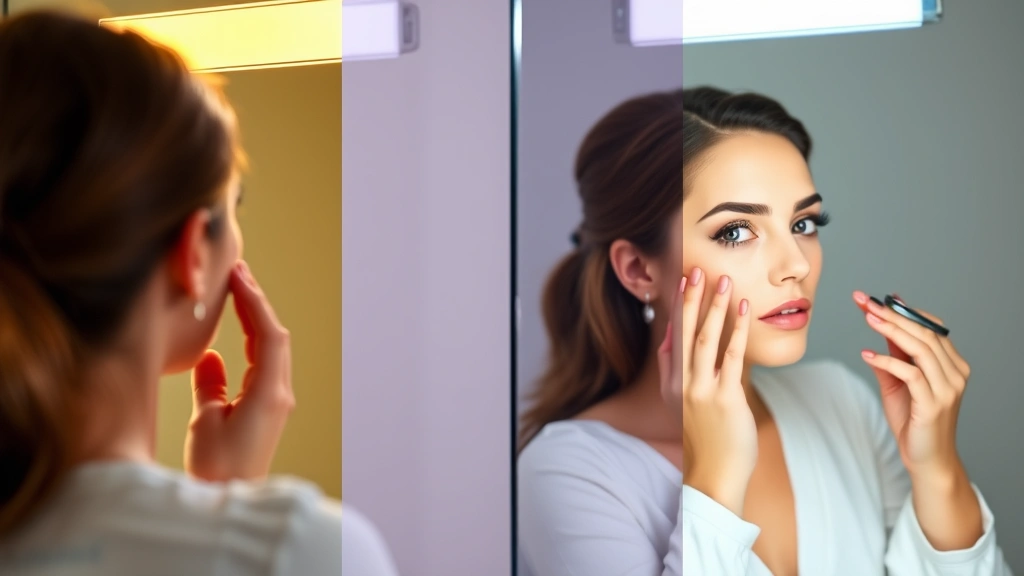
Understanding color temperature (measured in Kelvin) is essential for optimizing your makeup application with an LED cosmetic mirror. Lower Kelvin values (2700K-3000K) produce warm, yellowish light that flatters skin tone but can mask imperfections and cause you to apply more makeup than necessary. These warm temperatures mimic traditional incandescent lighting found in homes and intimate venues, making them useful for evening makeup looks.
Neutral color temperatures (4000K-5000K) provide balanced illumination that represents typical office or retail environments. This range is ideal for everyday makeup application because it shows your true skin tone without excessive warmth or coolness. Most professional makeup artists recommend applying base makeup under neutral lighting to ensure proper shade matching and blending that translates well across multiple settings.
Cool daylight temperatures (5500K-6500K) simulate natural outdoor sunlight and are considered the most accurate for makeup application. Under cool light, you’ll notice skin imperfections more clearly, which helps you apply concealer with precision and ensures your foundation shade matches perfectly. Many high-end LED mirrors include a “daylight” or “natural light” mode that hovers around 6000K, providing the most forgiving and universally flattering illumination for makeup work.
The ability to switch between these color temperatures on a quality LED cosmetic mirror means you can test your makeup under the specific lighting conditions you’ll encounter throughout your day. If you work in a fluorescent office, apply makeup using that color temperature setting. Attending an evening event? Switch to warm lighting to see how your makeup will appear in that environment. This adaptability is particularly valuable when selecting foundation shades from budget cosmetic brands or investing in premium products where shade accuracy is non-negotiable.
LED Mirror Features That Matter
Beyond basic illumination, several features distinguish exceptional LED cosmetic mirrors from mediocre options. Adjustable brightness is critical—you should be able to dim the lights for subtle makeup looks or increase intensity for detailed work like eyebrow shaping or eyeliner application. Look for mirrors with at least five brightness levels to accommodate various tasks and times of day.
Touch controls provide convenient operation without requiring you to touch the mirror surface with makeup-covered fingers. Premium models include capacitive touch sensors that respond to light finger contact, while budget-friendly options may use mechanical buttons. Some advanced mirrors integrate wireless controls or smartphone apps, though these features add cost without necessarily improving makeup application quality.
Mirror size and shape significantly impact usability. Larger mirrors (18-24 inches) provide better overall face visibility, while smaller portable versions (8-12 inches) offer convenience for travel. Round mirrors create a softer aesthetic, while rectangular or square designs provide better coverage of your entire face. Consider your bathroom setup and whether you prefer a tabletop, wall-mounted, or handheld design.
Magnification options range from 1x (actual size) to 10x (extreme close-up). Most people benefit from a 1x mirror for overall makeup application combined with a 5x or 7x magnification for detailed work on eyes, lips, and brows. Some premium LED mirrors include dual-sided designs with different magnifications on each side, maximizing versatility.
Power source matters for convenience and portability. USB-rechargeable models offer cordless operation and portability, while plug-in versions provide unlimited runtime. Battery-powered mirrors with standard AA or AAA batteries offer flexibility but require regular replacements. Consider your primary use case—a bathroom vanity mirror benefits from permanent installation with plug-in power, while travel mirrors should be rechargeable or battery-operated.
Benefits for Different Skin Types
LED cosmetic mirrors provide specific advantages for individuals with different skin types and concerns. Oily skin appears more transparent under cool LED light, allowing you to see exactly where sebum accumulation occurs and apply mattifying powder or primer with precision. The clear visibility helps prevent over-application of foundation that can appear cakey on oily zones. Cool lighting also reveals shine more readily, helping you achieve the matte finish many oily-skin individuals prefer.
People with dry skin benefit from adjustable color temperature because they can switch between warm and neutral settings to verify that their foundation doesn’t emphasize texture or flaking. Warm LED light can actually be helpful for dry skin types because it minimizes the appearance of fine lines and rough patches while you’re applying hydrating products. Many individuals with dry skin use LED mirrors to confirm that their skincare products with antioxidants have adequately prepped their skin before makeup application.
Those with sensitive or acne-prone skin appreciate LED mirrors because the clear illumination helps them apply concealer and foundation strategically over blemishes without unnecessary heavy application. The ability to magnify specific areas allows for precise product placement, reducing the total amount of makeup touching sensitive zones. Additionally, the cool lighting in daylight mode shows inflammation and redness more accurately, helping you choose the right concealer undertone and coverage level.
Combination skin presents unique challenges that LED mirrors address effectively. You can clearly see which facial zones are oily versus dry, allowing you to apply different products strategically. The magnification feature helps you blend foundation seamlessly across the T-zone and cheeks, creating a cohesive look despite varying skin conditions. Understanding your specific combination skin needs is essential, which is why many dermatologists recommend comprehensive combination skin care strategies alongside proper lighting tools.
Magnification Levels Explained
Magnification in LED cosmetic mirrors ranges from 1x (no magnification) to 15x, with most users finding optimal results between 5x and 10x for detailed makeup work. 1x magnification shows your face at actual size, providing the most accurate representation of how your overall makeup appearance will look to others. This is essential for foundation blending, contouring, and checking that your makeup appears balanced and proportional.
5x magnification enlarges your face five times, making it invaluable for precise eyebrow shaping, eyeliner application, and concealer placement. At this magnification, you can clearly see individual hairs, skin texture, and small blemishes that require targeted coverage. Most people use 5x magnification for 70-80% of their makeup routine.
7x-10x magnification provides extreme close-up detail useful for intricate work like applying false eyelashes, defining eyebrow tails, or applying detailed eyeliner designs. However, extended time at this magnification level can create perspective distortion, making you apply more product than necessary because you can’t see the overall effect. Use high magnification strategically for specific tasks, then switch back to 1x or 5x to verify your overall appearance.
The ideal LED cosmetic mirror for most users includes both 1x and 5x magnification options, either through dual-sided designs or switchable magnification. This combination allows you to see the big picture while maintaining the ability to work on details. Some professional-grade mirrors include 1x, 5x, and 7x options, providing maximum flexibility for comprehensive makeup application and skincare routines.
LED Mirrors vs. Traditional Mirrors
Comparing LED cosmetic mirrors to traditional bathroom mirrors reveals significant practical differences that impact makeup application quality. Lighting consistency is the primary advantage of LED mirrors—they provide uniform illumination regardless of time of day or external lighting conditions. Traditional mirrors depend entirely on ambient light, which varies dramatically between morning, afternoon, and evening, and between different rooms in your home.
Shadow elimination is another crucial benefit. Traditional mirrors create shadows under your chin, around your nose, and in your eye sockets because light comes from a single direction (usually overhead). LED mirrors position lights around the entire perimeter, eliminating these shadows and revealing your true skin tone and facial contours. This shadowless illumination is particularly important for blending foundation and concealer seamlessly.
Color accuracy strongly favors LED mirrors. Traditional mirrors reflect whatever light is available, which may be warm incandescent, cool fluorescent, or natural daylight—all of which render colors differently. LED mirrors with adjustable color temperature provide consistent, accurate color representation regardless of external conditions. This accuracy is essential when matching foundation shades, selecting eyeshadow colors that complement your skin tone, and ensuring your makeup looks intentional rather than accidental.
Magnification capabilities are virtually non-existent in traditional mirrors, which typically offer only 1x magnification. LED cosmetic mirrors usually include switchable magnification options, enabling detailed work that’s impossible with standard mirrors. If you’ve ever struggled to apply eyeliner precisely or shape your eyebrows evenly, magnification makes these tasks significantly easier.
Portability and convenience vary between options. Traditional wall-mounted mirrors are permanent fixtures, while LED cosmetic mirrors offer portable alternatives for travel, temporary setups, or testing different bathroom locations. Rechargeable LED mirrors provide cordless operation, making them ideal for travel or shared bathrooms where permanent installation isn’t feasible.
Choosing the Right LED Cosmetic Mirror
Selecting an appropriate LED cosmetic mirror requires evaluating your specific needs, budget, and usage patterns. Start by determining your primary use case—are you setting up a permanent bathroom vanity mirror, creating a portable makeup station, or purchasing a travel-friendly option? Permanent installations can justify larger sizes and plug-in power sources, while travel mirrors should prioritize portability and battery efficiency.
Consider your magnification requirements based on the precision makeup work you perform regularly. If you have excellent close-up vision and minimal detailed makeup needs, a basic 1x or 1x/5x mirror may suffice. If you frequently work with eyeliner, eyebrows, or detailed eyeshadow designs, prioritize 5x or 7x magnification options. Professional makeup artists typically require 1x/5x or 1x/5x/7x configurations.
Color temperature flexibility should be a priority for anyone concerned with makeup accuracy across different lighting environments. Look for mirrors offering at least warm (3000K), neutral (4500K), and daylight (6000K) settings. If you work in specific lighting conditions, prioritize a mirror that includes a setting matching those conditions.
Size and placement depend on your available space and aesthetic preferences. Larger mirrors (20-24 inches) provide better overall visibility and work well on vanities where you have dedicated counter space. Smaller mirrors (10-15 inches) fit easily into apartments, dorm rooms, or travel bags. Consider whether you prefer tabletop, wall-mounted, or handheld designs based on your living situation.
Evaluate the quality of construction and materials—look for durable frames, high-quality glass mirrors, and reliable LED components from reputable manufacturers. Read reviews from verified purchasers focusing on longevity, brightness consistency over time, and overall build quality. Premium mirrors typically cost $80-300, while budget options range from $20-60. Mid-range mirrors ($40-100) often provide the best value for most users.
When exploring options, check whether the mirror integrates well with your existing cosmetic starter kit and beauty space. Some mirrors work better with specific vanity setups or décor styles. Also verify the warranty and customer support—reputable manufacturers typically offer 1-2 year warranties and responsive customer service.
Maintenance and Care Tips
Proper maintenance ensures your LED cosmetic mirror provides optimal performance for years. Cleaning the mirror surface should be done regularly using a microfiber cloth slightly dampened with distilled water or a 50/50 water-vinegar solution. Avoid abrasive cleaners or paper towels that can scratch the reflective coating. Gently wipe the glass surface in circular motions, then dry immediately with a clean microfiber cloth to prevent water spots.
LED light care requires minimizing dust accumulation around the bulbs. Use a dry microfiber cloth to gently wipe around the LED lights monthly, preventing dust buildup that reduces brightness. Never use liquid cleaners near electrical components. If your mirror includes removable LED bulbs, consult the manufacturer’s instructions before attempting replacement.
Power source maintenance varies by mirror type. For rechargeable mirrors, charge regularly according to manufacturer guidelines and avoid letting the battery fully deplete. For plug-in models, ensure the cord isn’t damaged and keep the power outlet clear of moisture. For battery-powered mirrors, replace batteries promptly when brightness decreases and remove batteries if storing the mirror for extended periods.
Storage considerations are important if you travel with your LED mirror or store it seasonally. Keep mirrors in a protective case or padded bag to prevent damage. Store in cool, dry conditions away from direct sunlight, which can degrade the reflective coating over time. Avoid stacking heavy items on top of the mirror, which can crack the glass.
Check the cosmetic expiration dates of products you use with your LED mirror regularly—proper lighting helps you notice when makeup has oxidized or separated, indicating it’s time for replacement. This practice ensures you’re always applying fresh, effective products that perform optimally under your mirror’s accurate lighting.
If you notice decreased brightness, uneven lighting, or flickering, troubleshoot by checking power connections and ensuring batteries are properly installed. If problems persist, contact the manufacturer’s customer support. Most quality LED mirrors maintain consistent performance for 3-5 years with proper care.
FAQ
What color temperature is best for makeup application?
Most makeup artists recommend 5500K-6500K (daylight) for the most accurate makeup application. This color temperature mimics natural noon sunlight and reveals true skin tone, ensuring makeup looks appropriate in most real-world lighting conditions. However, having adjustable color temperature allows you to preview makeup under different environments where you’ll actually wear it.
Is magnification necessary in a cosmetic mirror?
While not absolutely necessary, magnification significantly improves precision for detailed makeup work like eyeliner, eyebrows, and concealer application. A 5x magnification mirror is considered ideal for most users, providing enough detail work capability without excessive distortion. If you primarily apply basic makeup, 1x magnification may be sufficient.
How long do LED bulbs last in cosmetic mirrors?
Quality LED bulbs typically last 30,000-50,000 hours, translating to 10-20 years of daily use. Most LED cosmetic mirrors won’t need bulb replacement during their functional lifetime. If LEDs do fail, many manufacturers offer replacement bulb kits or replacement services.
Can I use an LED cosmetic mirror for skincare routines?
Absolutely. LED mirrors are equally valuable for skincare routines, providing accurate visibility for applying serums, moisturizers, and targeted treatments. The clear illumination helps you notice areas needing extra attention and ensures even product distribution. Many dermatologists recommend using proper lighting for skincare application to maximize product efficacy.
Are LED cosmetic mirrors energy efficient?
Yes, LED mirrors are highly energy efficient compared to incandescent or fluorescent alternatives. LEDs consume 70-80% less energy than incandescent bulbs while providing superior light quality. A typical LED cosmetic mirror uses 5-15 watts when operating, making it inexpensive to run even with daily use.
What’s the difference between wall-mounted and tabletop LED mirrors?
Wall-mounted mirrors provide permanent installation and typically larger sizes, making them ideal for bathroom vanities. Tabletop mirrors offer flexibility for repositioning and portability. Choose based on your space, preference for permanence, and whether you need portability. Some people use both—a wall-mounted mirror for daily routines and a portable option for travel.
How do I choose between plug-in and rechargeable LED mirrors?
Plug-in mirrors provide unlimited runtime and consistent performance, making them ideal for permanent bathroom installations. Rechargeable mirrors offer portability and cordless operation, perfect for travel or shared spaces. Consider your primary use case—permanent setups favor plug-in models, while travel and flexibility-focused users should prioritize rechargeable options.
Can LED mirrors help with makeup shade matching?
Yes, LED mirrors are superior for shade matching because they provide accurate color representation and eliminate shadows that distort how foundation and concealer appear. The ability to adjust color temperature means you can preview how makeup will look under different lighting conditions, ensuring you select shades that work universally rather than only under your mirror’s lighting.