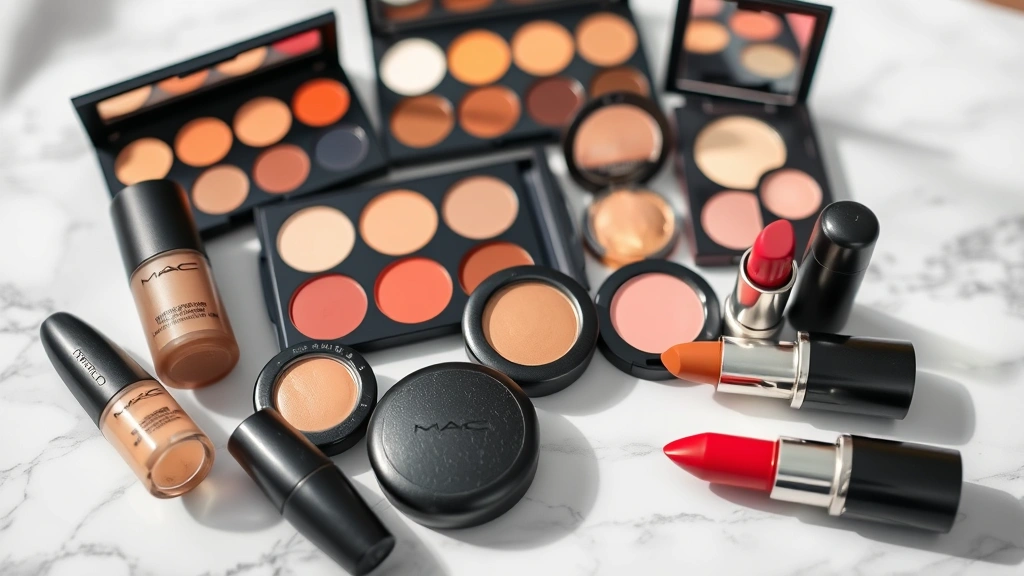
Lush Cosmetics has built a reputation for creating vibrant, multisensory beauty products that blur the line between skincare and self-care. Among their most iconic offerings is Fairy Dust, a shimmering loose powder that promises to add luminosity and dimension to the complexion. With its enchanting name and Instagram-worthy packaging, Fairy Dust has become a cult favorite—but does this product live up to the hype, or is it just pretty marketing wrapped in biodegradable paper?
This comprehensive review examines Fairy Dust’s ingredient profile, performance across different skin types, and whether the premium price tag justifies the results. Whether you’re a devoted Lush enthusiast or a skeptical beauty consumer, understanding what this powder actually delivers will help you make an informed purchasing decision.

What Is Lush Fairy Dust?
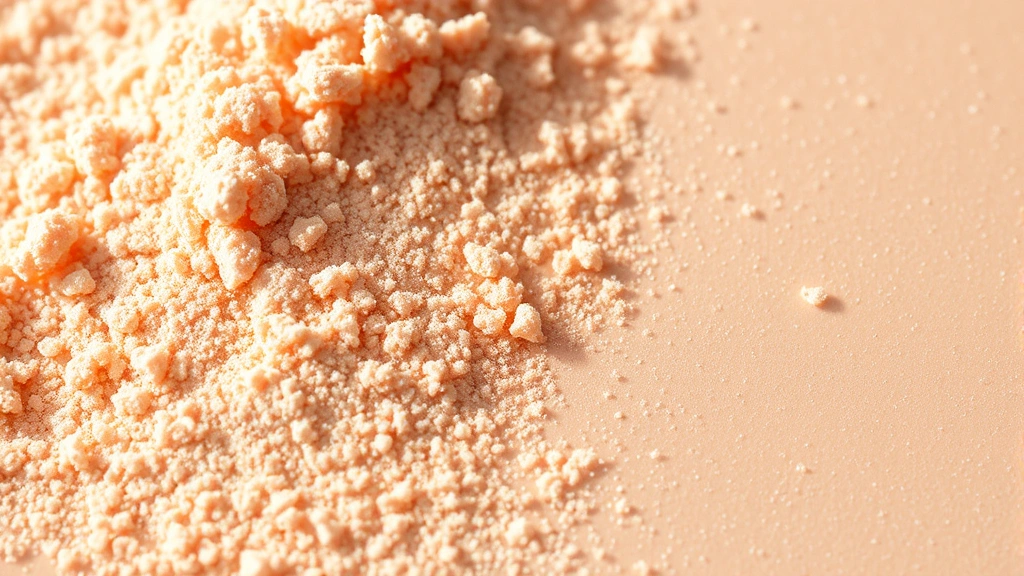
Fairy Dust is Lush’s signature loose highlighter powder, designed to impart a subtle, dimensional shimmer to the face. Unlike dense, glittery powders that can look costume-like, Fairy Dust aims for a more refined, ethereal glow that catches light without overwhelming the complexion. The product comes in a small glass jar with a sifter, allowing for controlled application and minimal product waste.
The powder has a feather-light texture that blends seamlessly into the skin, making it suitable for both makeup enthusiasts and minimalist beauty routines. Lush positions Fairy Dust as a multitasking product—it can be used as a highlighter, eyeshadow, or even mixed into moisturizer for a dewy finish. The brand emphasizes its use of natural ingredients and ethical sourcing, which appeals to conscientious consumers seeking cleaner beauty alternatives.
Available in multiple shades including the original pink-toned version and limited-edition colorways, Fairy Dust offers versatility for different skin tones and makeup preferences. However, availability varies by region and season, which can be frustrating for loyal customers who want to repurchase consistently.
Ingredients Breakdown
Understanding what goes into Fairy Dust is crucial for determining whether it aligns with your skincare philosophy and skin type needs. Lush provides transparent ingredient lists, which is commendable in an industry sometimes criticized for opacity.
Primary Active Ingredients:
- Mica – A naturally occurring mineral that provides shimmer and light-reflecting properties. Mica particles create the signature glow without being overly iridescent. This ingredient is safe for cosmetic use and has been dermatologically tested, though some consumers prefer mica-free alternatives due to environmental mining concerns.
- Titanium Dioxide – A white pigment that provides coverage and helps diffuse light across the skin’s surface. It’s FDA-approved and widely used in cosmetics, but those with sensitive skin should monitor for potential irritation.
- Iron Oxides – Natural pigments that create the powder’s color variations. These are stable, non-toxic, and commonly used in makeup formulations.
Binding and Texture Agents:
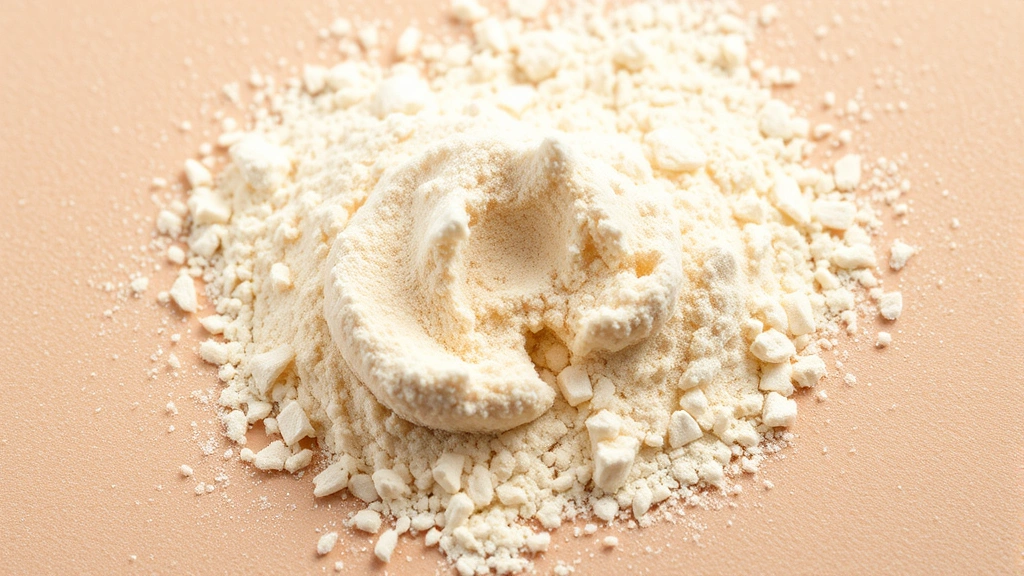
Lush incorporates various plant-derived powders and oils to create a smooth, blendable texture. These may include rice powder, which absorbs excess sebum and adds a velvety finish, and jojoba oil, which provides light hydration without creating a greasy appearance. The combination of these ingredients helps the powder adhere to the skin while maintaining a lightweight feel.
For those exploring best drugstore cosmetics as budget-friendly alternatives, it’s worth noting that Fairy Dust’s ingredient quality does differ from mass-market powders. Lush prioritizes natural and organic components, which can impact both efficacy and price point.
Potential Allergens and Sensitivities:
While Fairy Dust is generally well-tolerated, certain individuals should exercise caution. Those with talc sensitivity will appreciate that this product is talc-free. However, the presence of mica, though natural, can occasionally trigger reactions in extremely sensitive skin. Additionally, the fragrance components (Lush products are notably aromatic) may cause irritation for fragrance-sensitive individuals.
Performance Review
Beyond ingredient lists, real-world performance determines whether Fairy Dust deserves shelf space in your makeup collection. Testing across various application methods and lighting conditions reveals both strengths and limitations.
Texture and Application:
The loose powder texture is exceptionally fine and blendable. Using a fluffy brush, Fairy Dust applies evenly without patchy streaking. The sifter mechanism works effectively, dispensing just enough product per application without wasteful overflow. This precision is particularly valuable for those new to loose powders, which can be notoriously difficult to control.
The powder feels weightless on the skin—a significant advantage for those who dislike heavy makeup. Even with multiple layers, there’s no cakey appearance or sensation of product buildup. This makes Fairy Dust particularly appealing for all-day wear without touch-ups.
Glow and Luminosity:
Fairy Dust delivers a genuine, skin-like glow rather than obvious glitter. In natural daylight, the shimmer is subtle and flattering. Under artificial lighting or in photographs, it becomes more pronounced, making it ideal for special occasions or content creation. The light-reflecting particles sit atop the skin without looking metallic or costume-like.
However, those seeking a more intense, obvious highlight may find Fairy Dust understated. It’s a “no-makeup makeup” product rather than a bold statement piece. For dramatic highlighting, affordable cosmetic brands offering more pigmented options might be preferable.
Longevity:
The powder has moderate staying power, lasting 6-8 hours with minimal fading on normal to dry skin. Those with oily skin may experience slight migration toward T-zone areas, though this is typical for loose powders. A setting spray can extend wear time significantly.
Skin Type Suitability
Fairy Dust performs differently depending on individual skin characteristics, making skin type compatibility an essential consideration.
Dry Skin:
Dry skin types benefit most from Fairy Dust. The jojoba oil and plant-derived powders don’t exacerbate texture issues or emphasize flaky patches. The lightweight formula adds luminosity without requiring heavy base products. Those with dry skin should apply Fairy Dust over a hydrating primer for optimal results and seamless blending.
Oily Skin:
While Fairy Dust contains oil, the quantity is minimal and the rice powder component helps absorb excess sebum. However, oily skin types may need to reapply throughout the day or use a mattifying primer underneath. The loose powder format allows for easy touch-ups without the commitment of pressed powders.
Combination Skin:
Combination skin types find Fairy Dust versatile. Apply it more generously to dry zones and sparingly to oily areas. The buildable coverage allows for customized application tailored to individual skin needs across different facial regions.
Sensitive Skin:
Those with reactive, sensitive skin should perform a patch test before full-face application. While Lush emphasizes natural ingredients, the aromatic components and mica content can occasionally trigger irritation. Starting with minimal product allows you to assess tolerance before committing to regular use.
Price and Value Analysis
At approximately $16-18 USD for a small jar (approximately 0.3 oz), Fairy Dust sits in the mid-to-premium pricing range for loose powders. Determining value requires examining cost-per-use and performance comparison.
Cost-Per-Use Calculation:
The small jar size is deceptive—a little product goes a long way due to the powder’s fine texture and light application requirements. Most users report 4-6 months of regular use from a single jar, translating to approximately $0.08-0.12 per application. This is competitive with mid-range alternatives and reasonable given the ingredient quality.
Comparative Value:
Luxury brands like Hourglass and Charlotte Tilbury charge $38-48 for comparable highlighter powders. Drugstore alternatives from brands like Maybelline cost $6-8 but often contain talc and lower-quality pigments. Lush occupies a sweet spot for conscious consumers seeking ethical sourcing and quality ingredients without luxury price tags.
Sustainability Consideration:
Lush’s commitment to minimal, recyclable packaging adds intangible value. The glass jar is reusable, and the brand’s ethical sourcing practices align with values-driven purchasing. For consumers prioritizing environmental impact, this justifies premium pricing over conventional alternatives.
Affordable Alternatives
If Fairy Dust’s price point exceeds your budget, several alternatives deliver comparable results. Exploring Japanese cosmetics brands reveals innovative loose powder options at lower price points, particularly brands like Canmake and Cezanne that emphasize lightweight, skin-friendly formulations.
Drugstore options include Physicians Formula Mineral Wear Loose Powder, which offers a similar feather-light texture and natural glow without the premium markup. Laura Mercier’s Secret Brightening Powder is another mid-range alternative with superior staying power, though at a higher price point ($48).
For those seeking budget-friendly options without compromising quality, exploring cosmetic starter kit bundles often includes quality loose powders at discounted prices, allowing experimentation without significant financial commitment.
Independent beauty brands and indie cosmetics companies increasingly offer mica-based loose powders with transparent ingredient lists at lower price points. Checking recent reviews and ingredient databases like the INCIDecoder helps identify quality alternatives aligned with your preferences and budget constraints.
FAQ
Is Lush Fairy Dust suitable for sensitive skin?
Fairy Dust can work for sensitive skin, but caution is warranted. The mica content and fragrance components may trigger reactions in highly reactive skin types. Perform a patch test on the inner arm or behind the ear before full-face application. Those with eczema, rosacea, or fragrance sensitivities should consult dermatologists before use.
Can I use Fairy Dust as an eyeshadow?
Yes, Lush explicitly markets Fairy Dust as multifunctional. Many users apply it to eyelids for a subtle shimmer. Use a damp brush to intensify color and improve adhesion. However, ensure the product doesn’t migrate into eyes, which can cause irritation. Those with sensitive eyes should avoid this application method.
How long does one jar of Fairy Dust last?
With regular use (2-3 times weekly), most users report 4-6 months of usable product. Daily application may deplete the jar in 2-3 months. The sifter mechanism helps control dispensing, reducing waste compared to loose powders without built-in portion control.
Is Fairy Dust talc-free?
Yes, Fairy Dust is formulated without talc. The primary powder bases are natural minerals like mica and rice powder. This makes it suitable for those avoiding talc due to health concerns or personal preference, though it’s worth noting that talc safety remains debated in dermatological literature.
Can I mix Fairy Dust into moisturizer?
Many users report success mixing small amounts into facial moisturizer or primer for a dewy, luminous base. Start with minimal product—approximately 1-2 pinches—and blend thoroughly. This method reduces appearance of texture and extends product wear. However, this approach isn’t ideal for those with very oily skin, as additional oil can exacerbate shine.
Does Fairy Dust work on all skin tones?
The original pink-toned Fairy Dust works beautifully on fair and medium skin tones. Deeper skin tones may find the shimmer less visible due to undertone mismatch. Lush occasionally releases alternative colorways better suited to diverse complexions. Check with your local Lush store about shade options matching your specific undertones.
Is Lush Fairy Dust worth the price?
Value depends on personal priorities. For those prioritizing ethical sourcing, natural ingredients, and quality texture, Fairy Dust offers excellent value at mid-range pricing. Budget-conscious consumers may find drugstore alternatives adequate. Those seeking intense, dramatic highlighting should explore other options. Overall, it’s worth trying if ingredient quality and brand values matter to you.
Final Verdict
Lush Fairy Dust delivers on its promises of a lightweight, luminous powder that enhances natural skin radiance. The fine texture, buildable coverage, and multitasking versatility make it a valuable addition to most makeup collections. For dry and combination skin types, it’s particularly impressive. Those with oily skin should test carefully, and sensitive skin types must patch test before committing.
The premium price reflects genuine ingredient quality and ethical brand practices rather than marketing hype alone. However, equally effective alternatives exist at lower price points for budget-conscious consumers. Ultimately, Fairy Dust is worth purchasing if you value natural formulations, sustainable packaging, and subtle, skin-like luminosity over dramatic highlighting effects.
Whether you’re exploring best cosmetic mirror options for optimal application or building a complete makeup collection, Fairy Dust merits consideration as a sophisticated, multifunctional powder that enhances rather than masks natural beauty. Its reputation as a Lush cult classic is well-earned, though individual results vary based on skin type, undertones, and personal aesthetic preferences.