
Table of Contents
Introduction
If you have sensitive skin, you know the struggle. That moment when you try a new face cleanser and—boom—your skin throws a tantrum. Redness, irritation, that burning sensation that makes you want to splash cold water on your face immediately. Sound familiar? You’re definitely not alone in this. Sensitive skin is like that friend who means well but gets upset over the smallest things. It reacts to everything: the weather, new products, even stress from your day job.
Here’s the thing about sensitive skin—it needs a gentle touch. Think of it like caring for a delicate fabric. You wouldn’t throw cashmere in with your regular laundry, right? Same principle applies here. Your skin deserves cleansers that do more than just remove dirt and makeup. They need to actually pamper your skin, keeping that protective barrier intact while giving you the clean feeling you’re after. The difference between regular cleansers and gentle ones? It’s huge. Regular cleansers can strip away your skin’s natural defenses, leaving you vulnerable and uncomfortable. But gentle formulas? They’re like a soft hug for your face. Want to dive deeper into choosing the right products? Check out this guide on skincare products for sensitive skin—it’s a game-changer.
Let’s be real about what happens when you get it wrong. Redness that makes you look like you’ve been in the sun too long. Itching that drives you crazy. That tight, uncomfortable feeling that follows you around all day. These aren’t just minor annoyances—they’re signs your skin is genuinely distressed. The good news? There are proven ways to calm things down and get your skin back to happy. When irritation strikes, knowing how to respond quickly can save you days of discomfort. That’s where expert advice comes in handy, like this resource on how to soothe irritated skin. Trust me, having a plan makes all the difference.
Now, let’s talk about inflammation—the sneaky culprit behind so many skin problems. It’s like your skin’s alarm system going off when it shouldn’t. Environmental stress, harsh ingredients, even certain foods can trigger it. And once inflammation sets in? Your skin becomes even more reactive than before. It’s a frustrating cycle, but here’s some hope: you can break it. Learning to manage inflammation isn’t just about treating symptoms—it’s about getting to the root of the problem. For solid strategies that actually work, take a look at this guide on how to reduce skin inflammation. These aren’t just theories—they’re practical steps you can start using today.
But wait, there’s more to this puzzle. (I know, I know—when isn’t there?) Hydration plays a massive role in how your sensitive skin behaves. When your skin gets dry, it becomes even more cranky and reactive. It’s like being hangry, but for your face. Keeping your skin properly moisturized isn’t just about comfort—it’s about creating a environment where sensitivity doesn’t spiral out of control. Prevention is always easier than damage control, and staying ahead of dryness is key. For some solid tips on keeping your skin happy and hydrated, this guide on how to avoid skin dryness covers everything you need to know.
Here’s something that might surprise you: what you eat matters just as much as what you put on your skin. Your sensitive skin is basically a reflection of your overall health. When you fuel your body with the right nutrients—especially antioxidants—you’re giving your skin the tools it needs to stay calm and resilient. Think of antioxidants as your skin’s personal bodyguards, fighting off the daily damage that makes sensitivity worse. Foods packed with these protective compounds can actually help your skin handle stress better. Curious about which foods pack the biggest antioxidant punch? Check out this resource on foods rich in antioxidants. It’s amazing how much your diet can impact your skin’s happiness.
What You’ll Learn in This Guide
Ready to become your own sensitive skin expert? This guide is going to walk you through everything you need to know about choosing and using gentle face cleansers. We’ll cover the ingredients that make your skin sing (and the ones that make it scream), plus practical techniques that actually work in real life. By the time you’re done reading, you’ll know exactly how to keep your skin calm, clean, and happy.
- Key Point 1: How to spot truly gentle cleansers and what makes them different from regular products—plus why these differences matter so much for your skin’s comfort and health.
- Key Point 2: The powerhouse ingredients like aloe vera and chamomile that your sensitive skin will love, and the problematic ones you should run away from (seriously, run).
- Key Point 3: A step-by-step approach to picking the perfect cleanser for your unique skin, including how to decode ingredient labels like a pro and why dermatologist recommendations matter.
- Key Point 4: Real-world tips for using cleansers the right way—from water temperature tricks to post-cleansing care that keeps irritation at bay.
We’re also going to explore the bigger picture of sensitive skin care. Because let’s face it—your cleanser is just one piece of the puzzle. Lifestyle factors, nutrition, even your stress levels all play a role in how your skin behaves. You’ll walk away with actionable strategies that go beyond just product choices. This isn’t about following someone else’s routine—it’s about building something that works specifically for you and your skin’s quirks.
Think of this as your friendly guide through the sometimes confusing world of sensitive skincare. Whether you’re just starting to figure out that your skin needs special attention, or you’re ready to fine-tune a routine that’s almost working, you’ll find practical advice that actually makes sense. And if you want to expand your product knowledge beyond cleansers, don’t miss our insights on skincare products designed for sensitive skin—because a great cleanser deserves equally great companions.
The best part? We’re taking a whole-person approach here. Your skin doesn’t exist in a vacuum—it’s connected to everything else going on in your life. When you understand how internal factors like nutrition and hydration work together with your external skincare routine, you’re setting yourself up for real, lasting results. No more guessing games or crossing your fingers every time you try something new. Just clear, confident choices that help your sensitive skin look and feel its absolute best.
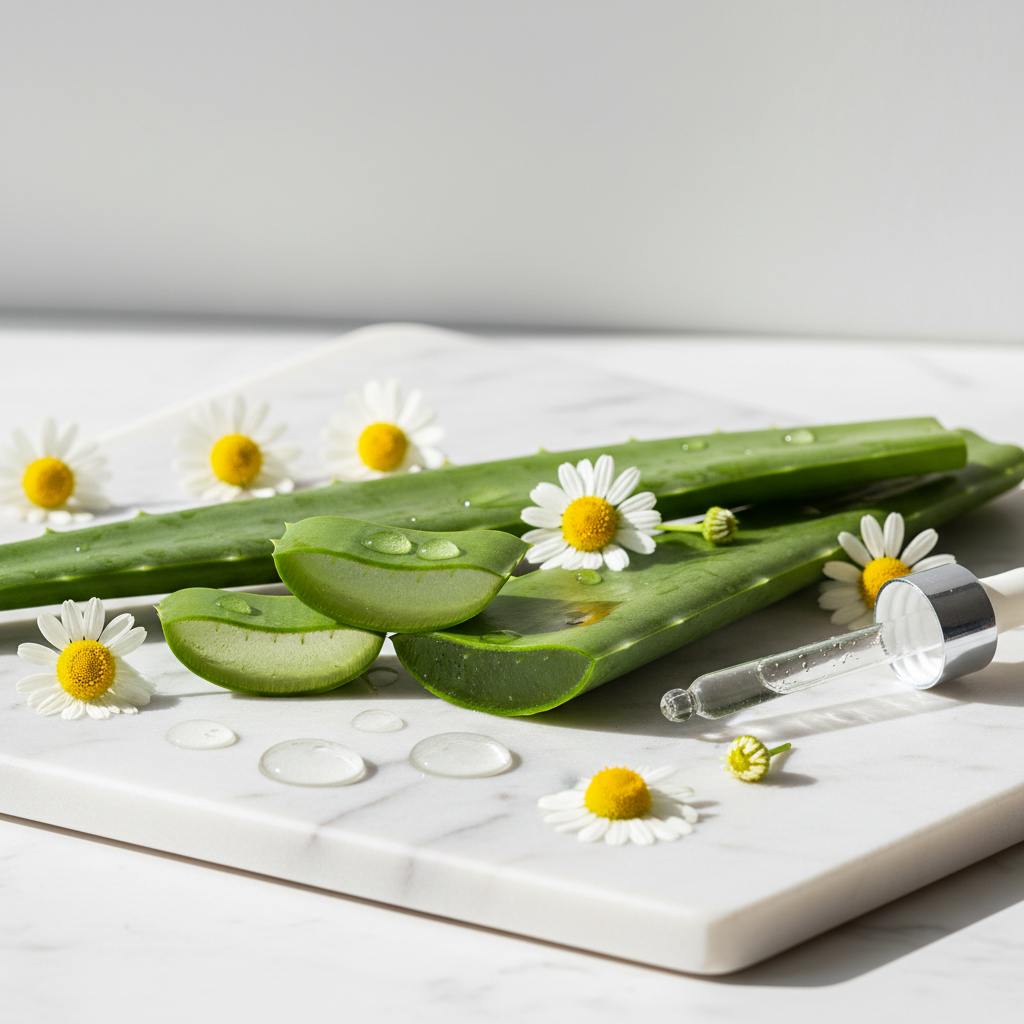
If you have sensitive skin, you already know the struggle. One wrong product and boom—redness, irritation, maybe even a full-blown reaction that takes days to calm down. Here’s the thing: finding the right cleanser isn’t just important for sensitive skin—it’s absolutely essential. Think of a gentle face cleanser as your skin’s best friend, the one who’s always got your back when everything else seems to set you off. It’s not just about avoiding the bad stuff (though that’s huge). It’s about actively nurturing your skin while keeping it clean and healthy. So let’s talk about what makes a cleanser truly gentle and why your sensitive skin will thank you for making the switch.
What Makes a Cleanser Gentle and Suitable for Sensitive Skin?
Choosing the right cleanser when you have sensitive skin? It’s like walking through a minefield. But once you know what to look for, everything changes. A gentle cleanser doesn’t just clean—it protects while it works. We’re talking about formulas that remove dirt, oil, and makeup without stripping away the good stuff your skin actually needs. No harsh chemicals that leave your face feeling tight and angry. No sulfates that turn your gentle morning routine into a recipe for irritation. If you want to dive deeper into making smart choices for delicate skin, check out this guide on skincare products for sensitive skin—it’s a game-changer for understanding what works and what doesn’t.
But here’s what really matters: gentle cleansers are designed with your skin’s natural defenses in mind. They’re typically non-comedogenic (won’t clog your pores) and hypoallergenic (won’t trigger allergic reactions). Fragrance? Either completely absent or so minimal you barely notice it. Because let’s be honest—synthetic fragrances are often the culprit behind those unexpected flare-ups. The texture feels different too. Creamy, soothing, with a pH that actually works with your skin instead of against it. When you find the right one, you’ll know. Your skin just feels… calm.
Key Characteristics of Gentle Cleansers
Want to know what separates a truly gentle cleanser from everything else? These are the non-negotiables—the features that make all the difference between a happy face and an irritated mess:
- Free from Harsh Chemicals and Irritants: No sulfates, parabens, or high-concentration alcohols here. These ingredients might clean effectively, but they’re like using a sledgehammer when you need a feather touch—they disrupt your skin’s natural protection and leave you vulnerable to dryness and irritation.
- Low or No Fragrance: Your nose might miss the fancy scents, but your skin will celebrate. Fragrance-free or barely-there scents mean fewer chances of allergic reactions and unexpected sensitivity flare-ups.
- Non-Comedogenic and Hypoallergenic: Fancy words that mean simple things—won’t clog your pores, won’t trigger your immune system. Perfect for skin that tends to overreact to everything.
- Balanced pH Level: Around 5.5 is the sweet spot—it matches your skin’s natural pH and keeps your protective barrier strong and healthy instead of confused and compromised.
When all these elements come together, magic happens. Your skin gets clean without the drama. No tightness, no redness, no wondering if you’ve just made a terrible mistake. Just clean, comfortable skin that’s ready for whatever comes next in your routine.
The beauty of starting with the right cleanser is that it sets the stage for everything else. Your serums work better. Your moisturizer absorbs more easily. Your whole routine becomes more effective because you’re building on a solid, gentle foundation.
Benefits of Using Gentle Face Cleansers for Sensitive Skin
Here’s what happens when you commit to gentle cleansing—and trust me, the results speak for themselves. Your skin stops being angry all the time. Those random red patches? They start fading. The constant feeling like your face is too tight? Gone. Gentle cleansers don’t just remove the day’s buildup—they actually help repair and strengthen your skin’s natural barrier. And when that barrier is strong, your skin can handle more without freaking out. If you’re dealing with current irritation, learning how to soothe irritated skin can help you understand just how much the right cleansing approach contributes to overall skin peace.
But it gets even better. Many gentle cleansers include ingredients that actively help your skin feel better—like aloe vera gel, which is basically nature’s way of giving your face a hug. The benefits of aloe vera gel for face are well-documented, and when you find a cleanser that harnesses this power, you’re getting cleansing and treatment in one step. It’s like having a spa treatment every time you wash your face, except it actually fits into real life.
Key Benefits of Gentle Face Cleansers
Ready for the good news? When you switch to gentle cleansing, these are the changes you can actually expect to see and feel:
- Maintains Natural Moisture Balance: Your skin stops feeling like the Sahara desert after washing. Gentle cleansers preserve the oils and hydration your skin needs, so you’re not constantly fighting dryness and tightness.
- Prevents Flare-Ups and Allergic Reactions: No more playing Russian roulette with your face. When irritants and allergens are off the table, your skin can finally relax instead of being on constant high alert.
- Promotes Smoother, Healthier Skin Appearance: Consistency pays off here. Over time, your skin’s protective barrier gets stronger, your complexion becomes more even, and you might actually start looking forward to looking in the mirror.
- Reduces Inflammation Naturally: Many gentle cleansers include ingredients that actively calm inflammation—and if you want to understand more about this, check out these strategies on how to reduce skin inflammation for the complete picture.
The bottom line? Gentle cleansing isn’t just about avoiding problems—it’s about actively improving your skin’s health and resilience. When you make this switch, you’re not just changing your cleanser. You’re changing how your skin feels every single day. And honestly? That’s worth celebrating. Your sensitive skin deserves this kind of care, and you deserve to feel confident and comfortable in your own skin.

Here’s the thing about sensitive skin—it needs a cleanser that actually gets it. You know what I mean? Those gentle face cleansers aren’t just a nice-to-have; they’re pretty much essential if you want to keep your skin happy. Think of them as the difference between a rough washcloth and a soft cotton pad. They skip all the harsh stuff (sulfates, parabens, those synthetic fragrances that smell like a chemical factory) that can mess with your skin’s natural protective barrier. Instead of stripping away everything your skin needs to stay healthy, these cleansers work with you, not against you. The result? Your skin stays calm, hydrated, and balanced—exactly how it should be.
What I love about gentle cleansers is how they actually prevent problems instead of creating them. No more surprise flare-ups or that angry red reaction that makes you want to hide indoors. Your skin gets to keep doing its job—healing, maintaining that even tone you’re after, and staying strong against daily stressors. Look for ingredients like aloe vera and chamomile (they’re like a cool drink of water for irritated skin), plus glycerin and ceramides that actually nourish while they clean. It’s not just about getting dirt off your face; it’s about creating the perfect foundation for everything else in your routine. When your cleanser is doing its job right, your serums and moisturizers can do theirs even better.
Ready to make some real changes? Start by finding products that actually understand what sensitive skin needs. Our guide on skincare products for sensitive skin breaks down exactly what to look for (and what to avoid like the plague). Trust me, aloe vera is going to become your new best friend—check out our detailed post on benefits of aloe vera gel for face to see why everyone’s talking about it. And for those moments when your skin decides to have a meltdown anyway? We’ve got you covered with practical solutions in our guide on how to soothe irritated skin.
But here’s something most people don’t realize—what you eat matters just as much as what you put on your face. I know, I know, it sounds like something your mom would say. But a diet packed with antioxidants and vitamins really does show up in your skin. Your complexion reflects how well you’re taking care of yourself from the inside out. Want to dive deeper into this connection? This comprehensive guide on the benefits of a balanced diet explains how proper nutrition can boost your skin’s natural resilience and overall health.
Look, dealing with sensitive skin isn’t always easy. It takes patience, some trial and error, and honestly, a bit of detective work to figure out what works for you. But once you find that perfect gentle cleanser and build habits that support your skin? Game changer. Your skin deserves care that feels like a warm hug, not a harsh slap. Every time you cleanse, you’re making a choice to be kind to yourself. And that confidence you’ll feel when your skin is calm and comfortable? That’s worth every gentle, nurturing step you take.
Frequently Asked Questions
-
What is the difference between a gentle cleanser and a regular cleanser?
- Gentle cleansers avoid harsh chemicals and maintain skin’s natural moisture, unlike many regular cleansers.
-
Can I use natural ingredients as gentle cleansers?
- Yes, many natural ingredients like aloe vera and chamomile are effective and soothing for sensitive skin.
-
How often should I cleanse my face if I have sensitive skin?
- Typically twice a day, morning and night, unless otherwise advised by a dermatologist.
-
Are fragrance-free cleansers better for sensitive skin?
- Yes, fragrance-free options reduce the risk of irritation and allergic reactions.
-
What should I do if a cleanser irritates my skin?
- Stop using the cleanser immediately and consult a dermatologist if irritation persists.