A well-organized makeup and skincare collection isn’t just about aesthetics—it’s about preserving product integrity, extending shelf life, and making your daily beauty routine more efficient. Whether you’re a minimalist with five essentials or a beauty enthusiast with a full collection, finding the right cosmetic organizer can transform how you store, access, and maintain your products. In this guide, we’ll explore the expert-recommended cosmetic organizers that balance functionality, durability, and style while addressing the specific needs of different skin types and beauty routines.
The importance of proper product storage cannot be overstated. Makeup and skincare products contain active ingredients—from retinoids to vitamin C serums—that degrade when exposed to heat, light, and humidity. An effective cosmetic organizer protects these investments while keeping your collection visible and accessible. We’ve consulted with beauty professionals, dermatologists, and cosmetic chemists to identify the organizers that truly deliver on their promises.
Why Proper Cosmetic Organization Matters
Before selecting a cosmetic organizer, it’s essential to understand why organization directly impacts your skincare and makeup effectiveness. Active ingredients in products—particularly those in skincare products for sensitive skin—are vulnerable to environmental degradation. Retinol oxidizes when exposed to light, vitamin C serums lose potency in warm conditions, and peptide serums can separate when stored improperly.
According to the Cosmetics Europe organization, proper storage conditions can extend product efficacy by up to 40 percent. This means investing in a quality organizer isn’t an expense—it’s a way to protect your skincare investments. Additionally, organized products reduce duplicate purchases, minimize product waste, and help you track expiration dates more effectively.
The right organizer also supports consistent routines. When your skincare routine for teenagers or adult regimen is organized logically, you’re more likely to follow it consistently. This consistency is crucial for seeing results, whether you’re addressing acne, sensitivity, or pursuing a skincare routine for glowing skin.
Top Cosmetic Organizer Types for Different Needs
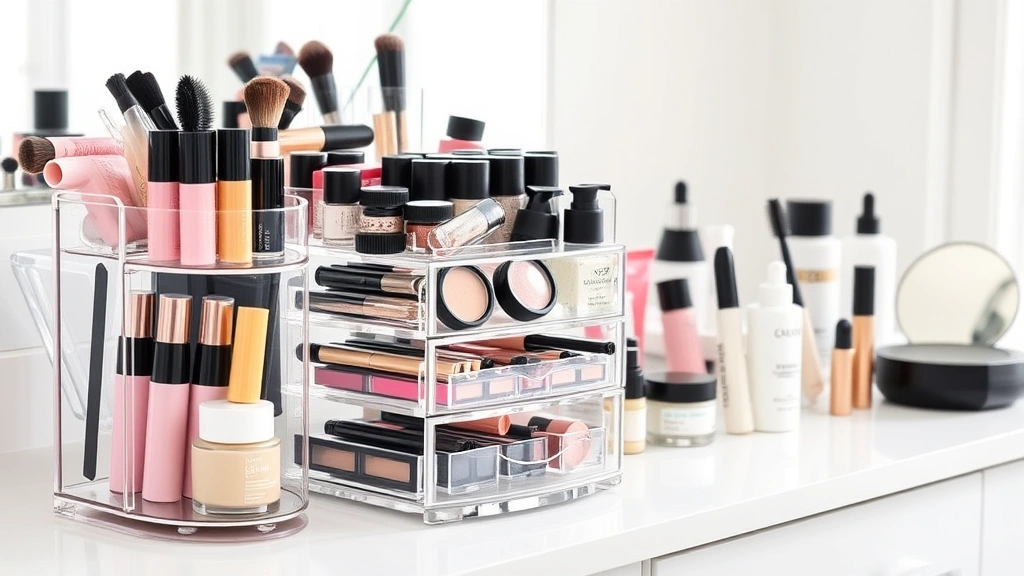
Rotating Carousel Organizers have become increasingly popular among beauty enthusiasts. These 360-degree rotating systems offer excellent visibility and accessibility without requiring you to reach to the back of drawers or shelves. Premium rotating organizers feature adjustable shelves, allowing you to customize compartment sizes based on your collection. They work exceptionally well for those with extensive makeup collections, as they maximize vertical space and keep everything visible at a glance.
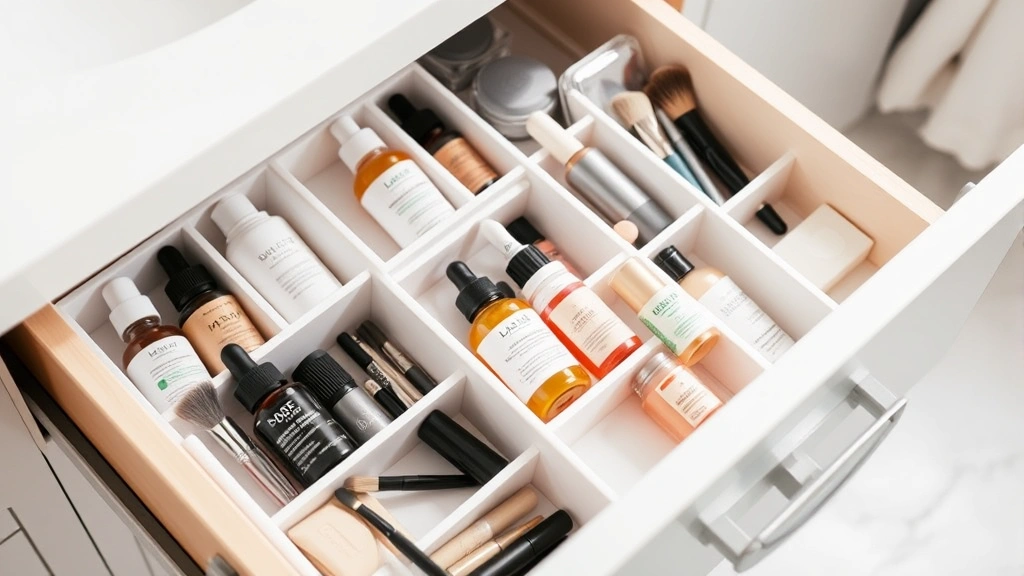
Drawer Divider Systems remain a classic choice for organized beauty storage. Customizable drawer dividers allow you to create specific sections for different product categories: foundations, concealers, eyeshadows, and skincare. This approach works particularly well if you prefer keeping your collection hidden away, which is beneficial for protecting products from dust and direct light exposure. Many dermatologists recommend drawer storage for sensitive skincare products that require cool, dark conditions.
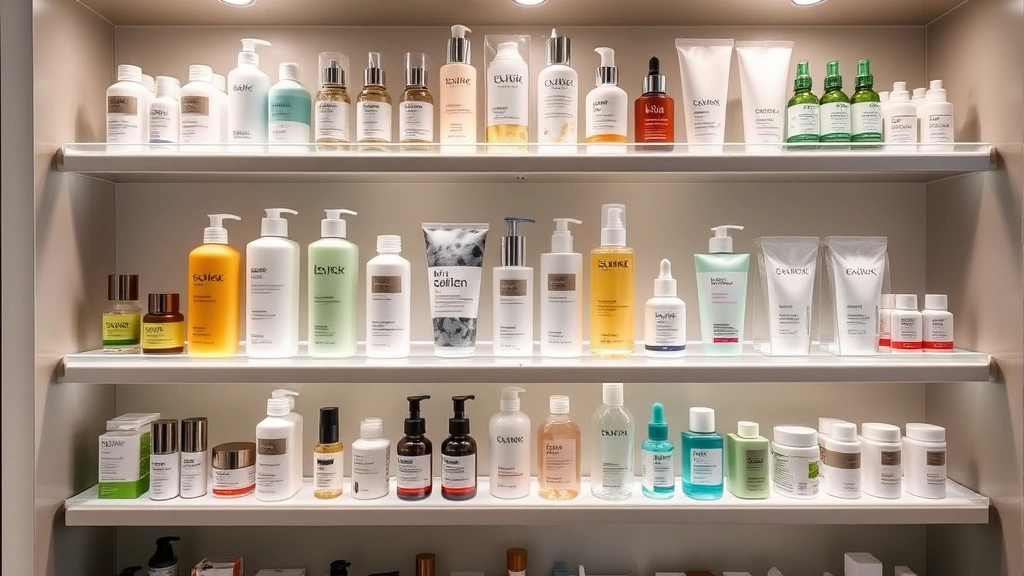
Tiered Shelf Organizers provide stepped storage that makes every product visible without stacking. These organizers are ideal for bathrooms with limited counter space, as they utilize vertical real estate efficiently. The tiered design is particularly beneficial for those following a multi-step skincare routine with gentle face cleansers and serums, as you can arrange products in the order you use them.
Acrylic Display Cases combine organization with aesthetic appeal. High-quality acrylic organizers are clear, dust-resistant, and protect products from light exposure better than open shelving. These work well in bedrooms or vanities where you want your collection on display. Look for cases with UV-protective acrylic to shield products from harmful light rays that can degrade active ingredients.
Magnetic Makeup Boards offer a creative solution for those with metal-based makeup products. These boards keep magnetic compacts, palettes, and containers organized on walls or inside cabinet doors, freeing up drawer and counter space. However, they’re not ideal for liquid products or skincare items, making them best suited as supplementary storage alongside other organizer types.
Materials and Durability Considerations
The material of your cosmetic organizer directly impacts its longevity and how well it protects your products. Acrylic organizers offer excellent clarity and durability but can scratch if not handled carefully. Premium acrylic is thicker and more resistant to clouding over time. Look for organizers made from virgin acrylic rather than recycled materials for superior clarity and longevity.
Bamboo and wood organizers provide natural aesthetics and are increasingly popular among eco-conscious consumers. However, wood can absorb moisture in humid bathroom environments, potentially warping over time. If you choose wood, ensure it’s treated with moisture-resistant finishes and place it away from direct water sources. Bamboo is more moisture-resistant than traditional wood and offers a sustainable alternative.
Metal organizers, particularly stainless steel, are durable and moisture-resistant, making them ideal for humid bathroom environments. They’re easy to clean and won’t degrade with exposure to water or cleaning products. However, metal can sometimes conduct heat, which may be a consideration if your organizer sits in a warm area of your bathroom.
Silicone and rubber organizers are flexible, durable, and excellent for protecting delicate products from breakage. These materials are particularly useful for drawer dividers and compartmentalized systems. They’re also easy to clean and resistant to mold and mildew growth, which is important in moist bathroom environments.
Professional cosmetic chemists recommend avoiding organizers made from low-quality plastics, as these can leach chemicals into your products, particularly liquid foundations and serums. Always verify that organizer materials are non-toxic and free from BPA and phthalates.
Space-Saving Solutions for Small Bathrooms
If you have a limited bathroom, strategic organization is essential. Over-the-door organizers maximize unused space and keep your collection accessible without consuming counter or shelf space. Choose organizers with clear pockets so you can see products without removing them. This solution works well for those with moderate collections and limited vertical wall space.
Corner shelf organizers utilize awkward corner spaces that typically go unused. Corner shelves with rotating carousel systems or tiered designs can hold a surprising amount of product while keeping everything visible. These are particularly useful in master bathrooms where counter space is at a premium.
Under-sink organizers are ideal if your bathroom sink has cabinet space beneath it. Drawer-style organizers or pull-out shelves make accessing products easier than traditional under-sink storage. However, ensure this area is well-ventilated and not exposed to plumbing leaks, as moisture can damage products. Consider placing a moisture-absorbing container in this space to maintain appropriate humidity levels.
Wall-mounted solutions keep counters clear while providing easy access. Floating shelves, wall-mounted acrylic organizers, or pegboard systems allow you to customize your storage to fit your specific collection size. Wall-mounted options work particularly well for those with multiple family members sharing bathroom space, as each person can have a designated section.
Temperature and Humidity Control Features
Advanced cosmetic organizers increasingly include features that help maintain optimal storage conditions. Organizers with ventilation systems allow air circulation, preventing moisture buildup that can promote mold growth and product degradation. Look for designs with small vents or mesh backing that permit airflow while still protecting products from dust.
Silica gel or desiccant compartments help absorb excess moisture in humid bathroom environments. Some premium organizers include built-in desiccant holders or recommend placing replaceable silica packets inside. This is particularly important for those storing skincare products that require specific storage conditions, such as vitamin C serums or peptide treatments.
Insulated organizers help maintain stable temperatures by providing some thermal protection. While not as effective as dedicated refrigerated storage, insulated organizers prevent dramatic temperature fluctuations that can affect product consistency and efficacy. This is particularly valuable if your bathroom experiences significant temperature variations between seasons.
Light-blocking features are crucial for protecting photosensitive ingredients. Look for organizers with opaque or tinted materials that filter out harmful UV rays. If using transparent acrylic organizers, consider placing them in a cabinet or shaded area rather than on a brightly lit vanity.
According to The Personal Care Council, maintaining storage temperatures between 60-75°F and humidity levels between 30-50% is ideal for most cosmetic and skincare products. Organizers that facilitate these conditions will extend product shelf life significantly.
Best Organizers for Sensitive Skin Enthusiasts
Those with sensitive skin often maintain more specialized product collections with carefully selected skincare products for sensitive skin. These products typically include gentle cleansers, hypoallergenic serums, and soothing treatments that require optimal storage conditions.
Closed organizers with compartmentalization are ideal for sensitive skin product collections. Drawer systems and enclosed acrylic cases protect these often-expensive products from environmental stressors. The compartmentalization allows you to separate active ingredients—keeping vitamin C away from niacinamide, for example, which can cause irritation when combined on sensitive skin.
Refrigerated organizers are gaining popularity among skincare enthusiasts with sensitive skin. Cool storage temperatures can reduce inflammation, enhance product efficacy, and extend shelf life. Some beauty professionals recommend storing certain serums and treatments in mini-fridges maintained at 45-50°F. If you choose this option, ensure the fridge has stable temperature control and low humidity.
Organization with RFID or expiration date tracking is particularly valuable for those with sensitive skin who need to rotate products carefully and avoid expired items that could trigger reactions. Some premium organizers include labeling systems or digital tracking to help you monitor product age and rotation schedules.
Dermatologists specializing in sensitive skin recommend keeping an organized log of which products work best for your skin, creating a reference system alongside your physical organizer. This helps you quickly identify ingredients that have caused reactions and avoid repurchasing problematic products.
Professional Makeup Artist Picks
Professional makeup artists have unique organizational needs, as they maintain extensive collections used across multiple clients with varying skin types and sensitivities. Trolley organizers with multiple drawers are industry favorites because they provide mobile storage that can be transported between locations. Quality professional trolleys feature secure locking mechanisms, smooth-rolling wheels, and compartments sized for professional-grade products.
Modular organizer systems allow makeup artists to customize their setup based on specific projects or client needs. These systems feature interchangeable components, adjustable dividers, and stackable elements. Professional-grade modular systems are built from durable materials like reinforced plastic or lightweight aluminum that withstands frequent transport and use.
Color-coded organization systems help makeup artists quickly locate specific products. Many professionals use organizers with removable dividers in different colors to categorize by product type, skin tone, or client. This system dramatically reduces setup time and minimizes the risk of cross-contamination between clients.
Professional makeup artists emphasize the importance of sanitization features in organizers. Look for systems with removable, washable components or materials that resist bacterial growth. Many professionals use organizers made from materials compatible with alcohol-based sanitizers used to clean brushes and tools.
According to The Beauty Counter Council, professional makeup artists should maintain separate storage systems for personal use and client work, preventing cross-contamination and ensuring product hygiene standards are met.
Expert makeup artists also recommend transparent organizers for quick inventory. Being able to see product levels at a glance helps professionals maintain adequate stock and prevents running out of essential items during client work. Many use a combination of transparent display organizers for frequently used products and closed storage for backup inventory.
FAQ
What’s the ideal temperature for storing makeup and skincare products?
Most cosmetic and skincare products perform best when stored between 60-75°F. Temperatures above 75°F can cause products to separate, degrade active ingredients, and potentially develop bacterial growth. Extreme cold can also affect product consistency and efficacy. Avoid storing products in bathrooms where temperature fluctuates significantly between seasons or where direct sunlight exposure occurs.
How often should I replace silica gel packets in my organizer?
Silica gel packets typically last 2-4 weeks depending on bathroom humidity levels. You’ll know they need replacement when they appear saturated or change color (if using color-indicating packets). In very humid climates, replace them weekly. In drier environments, monthly replacement may suffice. Monitor your products for signs of moisture damage, which indicates desiccants need more frequent replacement.
Can I use organizers for products with active ingredients like retinol and vitamin C together?
While organizers can store these products together, it’s best to keep them in separate compartments to prevent accidental mixing on your skin. Retinol and vitamin C can interact, potentially reducing efficacy or causing irritation. Organize by routine step or time of day to prevent confusion. Label compartments clearly if multiple people share the bathroom.
Are acrylic organizers safe for all product types?
High-quality, virgin acrylic organizers are safe for most products. However, some liquid foundations or oils can occasionally interact with lower-quality acrylic. Always use food-grade or cosmetic-grade acrylic certified as non-toxic. Avoid organizers with strong chemical odors, which indicate potentially harmful materials. If you’re concerned about sensitivity, test a small area first or use glass or metal alternatives.
How do I prevent mold growth in bathroom organizers?
Ensure adequate ventilation around your organizer by selecting designs with mesh backing or vents. Place silica gel packets inside to absorb excess moisture. Wipe down organizer surfaces monthly with a dry cloth to remove any condensation. In particularly humid bathrooms, consider using a small dehumidifier or ensuring bathroom exhaust fans run during and after showers. Never seal organizers completely in humid environments.
What’s the best organizer for someone just starting a skincare routine?
Beginners should start with simple drawer dividers or small tiered organizers that accommodate 5-10 products without overwhelming options. As your collection grows, you can upgrade to larger systems. Start with compartmentalized solutions that encourage you to follow a consistent routine and prevent impulse purchases of redundant products.
Can organizers help protect products from light damage?
Absolutely. Opaque or tinted organizers provide significant protection from UV light that degrades photosensitive ingredients. Acrylic organizers with UV-protective properties are particularly effective. For maximum protection, store light-sensitive serums, retinols, and vitamin C products in closed, opaque organizers or in cabinets away from direct sunlight. Avoid storing products on sunny windowsills regardless of organizer type.
Expert consultation sources: The American Academy of Dermatology provides evidence-based skincare storage recommendations. The International Association of Cosmetic Chemists offers technical guidance on product stability and storage conditions. The Beauty Counter Council maintains professional standards for makeup storage and hygiene.