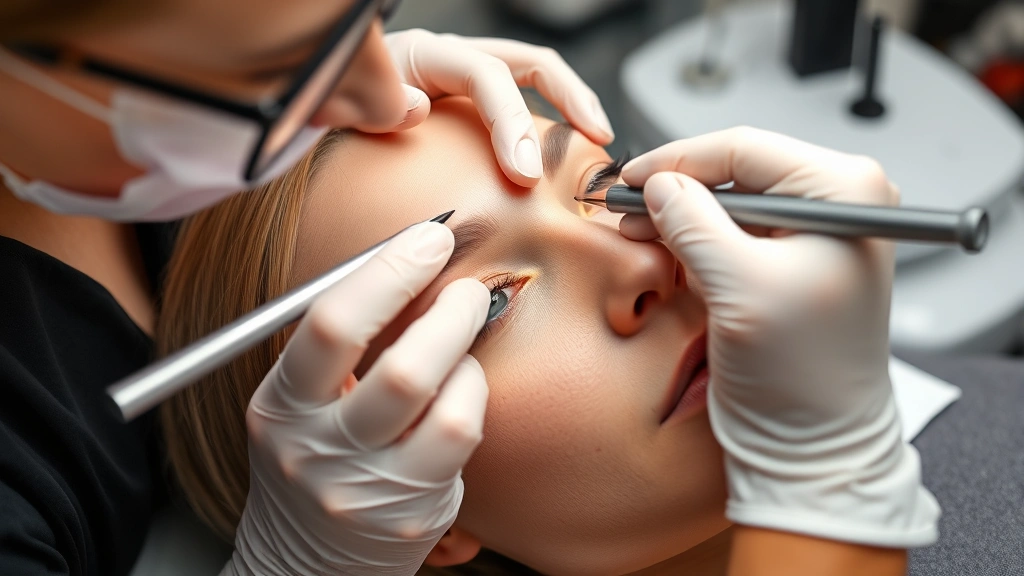
Is Cosmetic Tattooing Safe? Expert Insights and Everything You Need to Know
Cosmetic tattooing has revolutionized the beauty industry, offering semi-permanent solutions for eyebrows, eyeliner, and lip color that promise to save time and enhance natural features. Whether you’re considering microblading, permanent makeup, or other cosmetic tattoo procedures, understanding the safety implications is crucial before making this commitment to your appearance. This comprehensive guide explores the risks, benefits, and expert recommendations to help you make an informed decision.
The popularity of cosmetic tattoos continues to surge, with millions of people worldwide seeking these procedures annually. However, the semi-permanent nature of these treatments means that potential complications can last months or even years. From infection risks to allergic reactions and pigment migration, it’s essential to understand what could go wrong and how to minimize these risks through proper research, practitioner selection, and aftercare protocols.
What Is Cosmetic Tattooing?
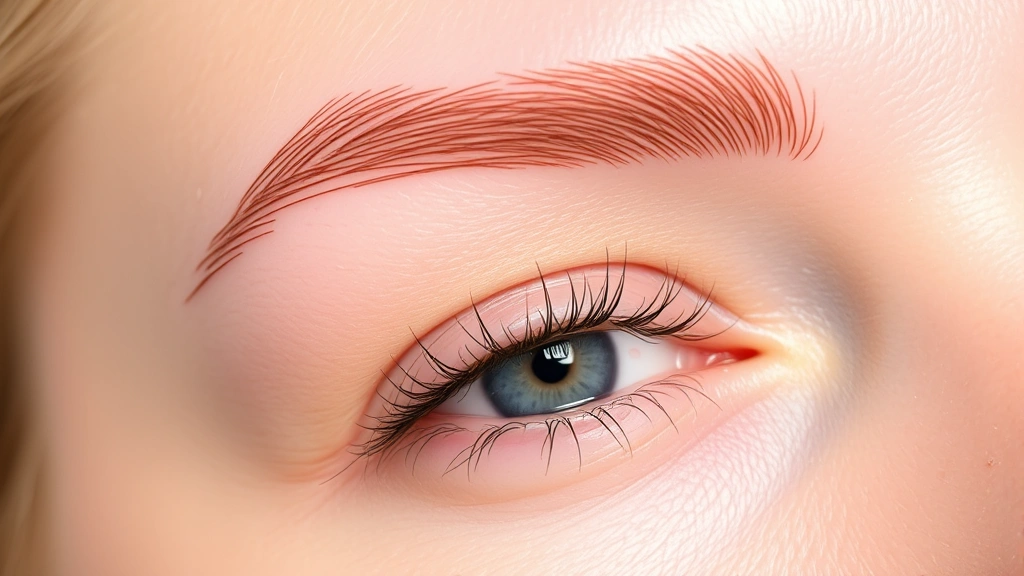
Cosmetic tattooing refers to semi-permanent or permanent makeup applied to enhance facial features, typically eyebrows, eyelids, and lips. Unlike traditional body tattoos that use larger needles and inject pigment deeper into the dermis, cosmetic tattoos use smaller needles and deposit pigment into the upper dermal layer, which is why they fade over time—usually within 1 to 3 years depending on the procedure type and individual factors.
Common cosmetic tattooing procedures include:
- Microblading: Hair-like strokes for eyebrows using a manual hand tool
- Permanent eyeliner: Tattooed line along the lash line
- Lip tattooing: Color deposited on or around the lips
- Eyeshadow tattooing: Color across the eyelid area
- Beauty marks: Small decorative dots placed on the face
The appeal is undeniable—waking up with defined eyebrows or perfectly lined eyes saves time and eliminates daily makeup application. However, this convenience comes with responsibility regarding safety and proper procedure selection.
Primary Safety Concerns with Cosmetic Tattoos
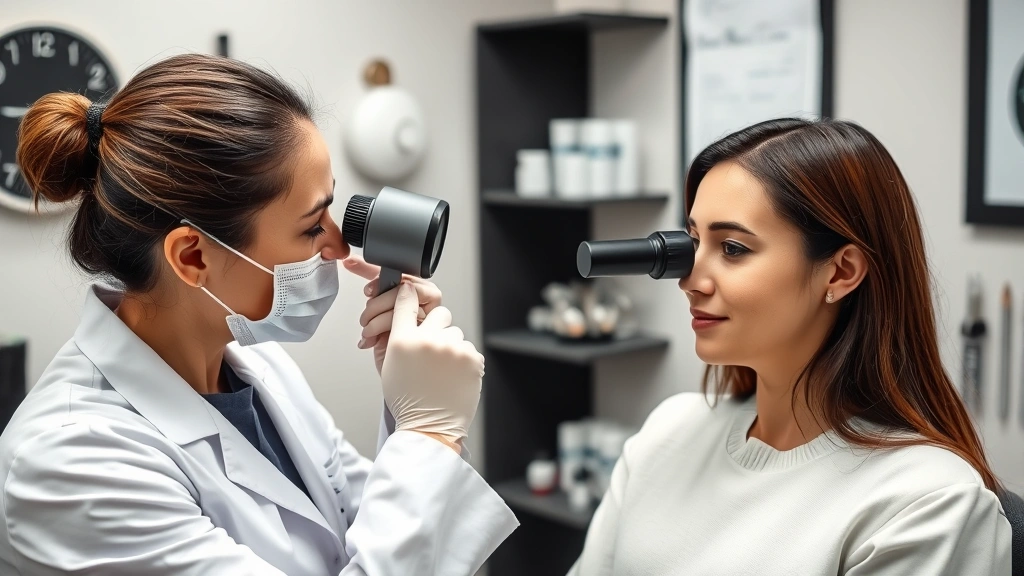
While cosmetic tattooing can be safe when performed by qualified professionals using proper protocols, several legitimate safety concerns exist that everyone considering this procedure should understand thoroughly.
The FDA does not regulate cosmetic tattoo inks, meaning the pigments used may vary significantly in quality, purity, and safety. This lack of regulation is perhaps the most significant concern for anyone considering cosmetic tattooing. Without standardized testing requirements, some inks may contain heavy metals, carcinogens, or other harmful substances.
Key safety considerations include:
- Infection transmission through non-sterile equipment
- Allergic reactions to pigment ingredients
- Pigment migration causing blurring or discoloration
- Granulomas or inflammatory responses
- Scarring or texture changes in tattooed areas
- Complications with MRI procedures due to metallic pigments
- Undesired permanent color changes over time
Infection and Hygiene Risks: The Critical Safety Factor
Infection represents one of the most serious potential complications from cosmetic tattooing. When the skin barrier is breached by needles, pathogenic bacteria can enter, potentially causing localized or systemic infections. This risk directly parallels concerns about treating contact dermatitis and other skin compromises, where infection prevention is paramount.
Common infections associated with cosmetic tattooing include:
- Bacterial infections: Staphylococcus aureus, Streptococcus pyogenes
- Viral infections: Herpes simplex, hepatitis B and C, HIV (rare but possible)
- Fungal infections: Candida species causing localized infection
- Atypical mycobacterial infections: Slow-growing, difficult-to-treat organisms
To minimize infection risk, ensure your practitioner:
- Uses single-use, sterile needles from sealed, unopened packages
- Wears fresh gloves throughout the procedure
- Sterilizes all reusable equipment in an autoclave between clients
- Works in a clean, professional environment with proper ventilation
- Follows OSHA bloodborne pathogen standards
- Requires health screening questions before the procedure
If you notice signs of infection—excessive redness, warmth, swelling, pus, or fever—seek immediate medical attention. Don’t delay, as infections can become serious quickly.
Allergic Reactions and Skin Sensitivities
People with sensitive skin or known allergies face elevated risks with cosmetic tattooing. The pigments used in cosmetic tattoos contain various ingredients that can trigger allergic or inflammatory responses. This concern is especially relevant for those who experience sensitivity with skincare products, as their immune systems may react more readily to foreign substances.
Common allergenic pigment ingredients include:
- Iron oxides: Yellow, red, and black pigments (generally considered safe but can cause reactions)
- Titanium dioxide: White pigment used in many formulations
- Nickel: Found in some pigment formulations, notorious allergen
- Chromium: Green pigment component that can sensitize skin
- Aluminum: Used in some pigment compositions
- Organic dyes: Azo dyes and other synthetic colorants with variable safety profiles
Allergic reactions to cosmetic tattoo pigments can manifest immediately or develop over time as the body’s immune system reacts to the foreign material. Symptoms include itching, swelling, redness, rash formation, or nodule development around the tattooed area.
Before committing to a full cosmetic tattoo, request a patch test with the specific pigment your practitioner plans to use. While not all practitioners offer this, reputable professionals should be willing to test a small amount of pigment on a less visible area first. Wait 24-48 hours to observe any reaction before proceeding with the full procedure.
If you have a history of keloid formation, severe allergies, or conditions like skin inflammation, consult a dermatologist before pursuing cosmetic tattooing. Your skin’s inflammatory response patterns may predispose you to complications.
Pigment Migration and Color Changes Over Time
One of the most frustrating complications from cosmetic tattooing is pigment migration—when ink particles move beyond the intended application area, causing blurring, discoloration, or unintended color spreading. This occurs because the body treats tattoo pigment as a foreign substance and attempts to eliminate it through lymphatic drainage and immune responses.
Factors contributing to pigment migration include:
- Excessive sun exposure without protection
- Aggressive skincare routines immediately after tattooing
- Improper technique by the practitioner
- Using low-quality or unstable pigments
- Individual immune response and body chemistry
- Lymphatic system activity carrying pigment particles
- Repeated touch-up procedures
Additionally, cosmetic tattoo colors don’t simply fade evenly. Many pigments change color as they break down or oxidize within the skin. For example, red pigments may turn orange or brown, while some blacks shift to blue or green. This unpredictability is a significant safety and satisfaction concern that deserves serious consideration.
The American Academy of Dermatology has expressed concerns about permanent color changes and the difficulty of removing or correcting poorly executed cosmetic tattoos. Laser removal, while possible, requires multiple sessions and can cause scarring or further skin damage.
Finding a Safe, Qualified Professional: Your Best Defense
The most critical factor determining cosmetic tattoo safety is the skill, training, and professionalism of the person performing the procedure. Unlike many beauty treatments, cosmetic tattooing regulations vary dramatically by location—some states and countries have strict licensing requirements, while others have virtually none.
Essential steps for finding a qualified professional:
- Verify credentials: Check if your state requires licensing for cosmetic tattoo artists and confirm your practitioner holds current credentials
- Review certifications: Look for training from recognized institutions and continuing education in bloodborne pathogen protocols
- Examine portfolio: Request to see extensive before-and-after photos, and ask to speak with previous clients about their experiences
- Assess facility standards: Visit the studio in person and evaluate cleanliness, equipment sterilization practices, and overall professionalism
- Ask about pigment sources: Reputable professionals can provide detailed information about their pigment suppliers and ingredients
- Understand liability: Confirm the practitioner carries liability insurance and has a clear complaint and correction policy
- Check references: Look for reviews on multiple platforms and ask the practitioner for client references
The Society of Permanent Cosmetic Professionals and similar organizations maintain directories of certified practitioners who adhere to safety standards. Starting your search with these professional organizations significantly reduces risk.
Be wary of practitioners who:
- Pressure you into immediate decisions
- Refuse to answer questions about hygiene or pigment ingredients
- Operate from unclean or unprofessional environments
- Cannot provide verifiable credentials or references
- Offer suspiciously low prices (quality safety protocols cost money)
- Don’t require informed consent documentation
Proper Aftercare Protocol: Critical for Safety and Results
The aftercare period immediately following cosmetic tattooing is when most infections and complications occur. Proper aftercare isn’t just about achieving optimal results—it’s about preventing serious health complications.
Standard aftercare guidelines include:
- Keep the area clean: Gently wash 2-3 times daily with unscented antibacterial soap and pat dry with clean paper towels
- Apply prescribed ointment: Use the specific aftercare product recommended by your practitioner (usually antibiotic ointment or specialized balm)
- Avoid water exposure: Don’t submerge the tattooed area in water for 7-10 days (no swimming, hot tubs, or baths)
- Skip makeup: Avoid applying cosmetics to the tattooed area during the healing phase
- Limit sun exposure: Protect the area from direct sunlight for at least 2 weeks, use SPF 50+ sunscreen thereafter
- Don’t pick or scratch: Allow any scabs to fall off naturally—picking can cause scarring and pigment loss
- Sleep position: For eyebrow or eyelid tattoos, sleep on your back to minimize pressure on the area
- Avoid strenuous exercise: Sweat can introduce bacteria and irritate the healing skin for 7-10 days
- Skip saunas and steam: Heat and moisture promote bacterial growth during healing
Your practitioner should provide detailed written aftercare instructions. If you have sensitive skin or specific skincare concerns, discuss whether standard aftercare products are appropriate for your skin type, or if modifications are necessary.
The healing timeline typically spans 4-6 weeks, though complete skin stabilization takes 6-8 weeks. During this period, the tattooed area will appear darker initially, then gradually lighten as the skin heals. Some pigment loss during healing is normal, which is why practitioners often recommend touch-ups 4-6 weeks after the initial procedure.
Safety Considerations by Skin Type
Your specific skin type significantly influences both safety risks and optimal outcomes with cosmetic tattooing. Understanding how your skin’s characteristics affect the procedure helps you make more informed decisions and prepare appropriately.
Fair/Light Skin: Generally heals well and shows pigment clearly, but may be more prone to redness and visible scarring. Careful technique is essential to avoid over-working the area. Following a proper skincare routine before the procedure strengthens the skin barrier and may improve healing.
Medium Skin: Usually accepts cosmetic tattoos well with minimal complications. Ensure pigment selection complements your undertone (warm vs. cool), as some pigments may oxidize differently on medium skin tones.
Deep/Dark Skin: Requires experienced practitioners who understand how different pigments appear on deeper skin tones. Some pigments look ashy or gray on dark skin, while others may be difficult to see. Discuss pigment selection thoroughly with your practitioner. Dark skin is also more prone to keloid formation, so ensure your practitioner has experience with this concern.
Oily Skin: May experience more pigment migration and faster fading. The natural oils can affect pigment retention and may require more frequent touch-ups. Maintaining clean skin without over-drying is important during aftercare.
Dry/Sensitive Skin: Needs extra attention to prevent over-irritation during the procedure and careful product selection during aftercare. Avoid harsh exfoliants and astringent products for several weeks post-procedure. Consider consulting a dermatologist before proceeding if you have conditions like eczema or rosacea.
Acne-Prone Skin: Face increased infection risk due to compromised skin barrier and bacteria colonization. If you have active acne in the treatment area, wait until it’s cleared and controlled before scheduling your cosmetic tattoo.
FAQ: Your Cosmetic Tattooing Safety Questions Answered
Is cosmetic tattooing safe for people with sensitive skin?
Cosmetic tattooing carries higher risks for sensitive skin individuals. If you have a history of allergic reactions, dermatitis, or inflammatory skin conditions, consult a dermatologist before proceeding. Request a patch test with your practitioner’s specific pigment, and choose practitioners experienced with sensitive skin. Many people with sensitive skin do successfully complete cosmetic tattoos, but they require extra precautions and careful product selection during aftercare.
Can cosmetic tattoos cause permanent scarring?
Scarring is possible but uncommon with proper technique and aftercare. Risk increases if you pick at scabs, experience infection, have keloid-prone skin, or see an inexperienced practitioner. Most scarring is minimal and fades over time. However, if you’re prone to keloids or hypertrophic scars, this is an important conversation to have with a dermatologist before committing to cosmetic tattooing.
What happens if I have an allergic reaction after my cosmetic tattoo?
Mild reactions (slight itching or redness) are relatively common and often resolve with proper aftercare. However, significant reactions require medical attention. Contact your practitioner and dermatologist immediately if you experience severe itching, swelling, rash, or nodule formation. In some cases, corticosteroid injections or oral medications may be necessary. Severe allergic reactions may require pigment removal via laser, though this carries its own risks.
How long does it take for a cosmetic tattoo to fully heal?
Surface healing occurs within 7-10 days, but complete skin stabilization takes 4-6 weeks. The area may appear darker initially due to surface pigment, then gradually lighten as the skin heals and the body absorbs excess ink. Full color assessment and any necessary touch-ups should occur at the 4-6 week mark. Some fading continues over months as the skin fully normalizes.
Are cosmetic tattoos truly semi-permanent?
Most cosmetic tattoos fade significantly over 1-3 years, though some pigment may remain indefinitely. Fading rate depends on pigment quality, color (darker colors fade slower), sun exposure, and individual immune response. Some people require touch-ups annually, while others need them less frequently. Complete removal typically requires laser treatment, which may cause scarring or skin damage.
Can I get an MRI if I have cosmetic tattoos?
Most modern cosmetic tattoo pigments are MRI-safe, but this isn’t guaranteed. Some older pigment formulations or low-quality inks may contain iron oxide or other metallic components that could theoretically cause heating or image artifacts. Inform your medical provider about your cosmetic tattoos before any MRI procedure. They can take appropriate precautions if needed, and in most cases, the procedure can safely proceed.
What’s the difference between microblading and other cosmetic tattoos regarding safety?
Microblading uses a manual hand tool rather than a machine, which some practitioners claim offers more control. However, safety ultimately depends on technique, hygiene, and pigment quality rather than the tool used. Microblading may require more frequent touch-ups (every 12-18 months) compared to machine tattooing, which can mean more total procedures and cumulative exposure to risk. Choose your method based on desired results and practitioner expertise rather than perceived safety differences.
Should I avoid cosmetic tattooing if I’m pregnant or breastfeeding?
Most practitioners recommend waiting until after pregnancy and breastfeeding to have cosmetic tattoos performed. While the risk of pigment entering the bloodstream is low, the stress of the procedure and potential infection risk are concerns during pregnancy. Additionally, hormonal changes during pregnancy and postpartum can affect skin healing and pigment retention. It’s best to wait until you’re fully recovered and no longer breastfeeding before scheduling.
What should I do if my cosmetic tattoo doesn’t look how I wanted?
Communication with your practitioner is essential. Most reputable professionals include a touch-up appointment in their service. If the issue is minor (slight color or shape adjustment), your practitioner should address it at no additional cost during the touch-up phase. For significant dissatisfaction, discuss your concerns with the practitioner and explore correction options. Laser removal is possible but expensive, time-consuming, and may cause scarring. This is why finding the right practitioner initially is so crucial.