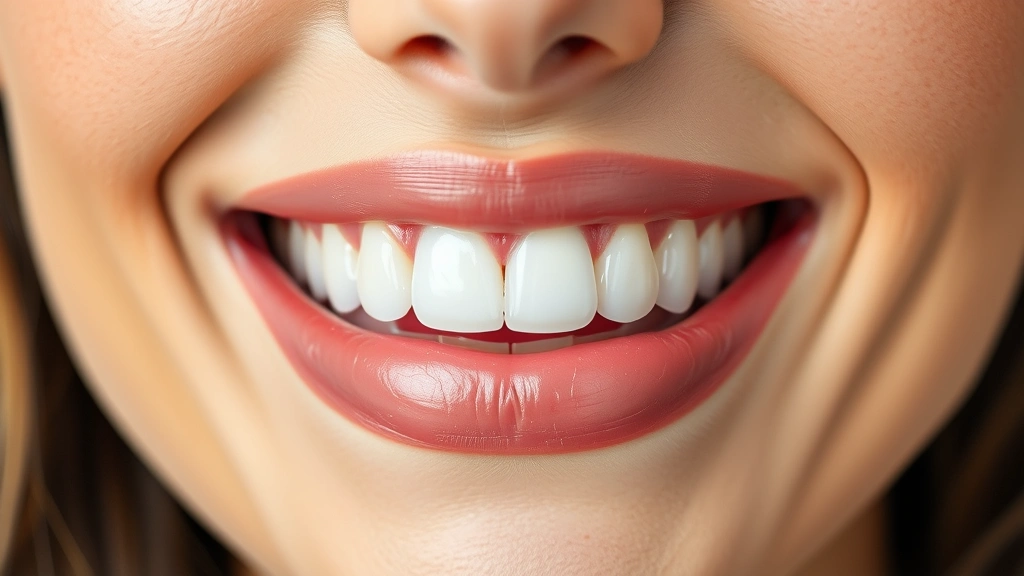
Veneers: What to Expect? Cosmetic Dentist Insights
When it comes to transforming your smile, dental veneers have become one of the most popular cosmetic dentistry solutions available today. Whether you’re considering this procedure or simply curious about what a cosmetic dentist for veneers can accomplish, understanding the process, expectations, and aftercare is essential for making an informed decision. This comprehensive guide explores everything you need to know about veneers from initial consultation through long-term maintenance.
Veneers are thin, custom-made shells crafted from porcelain or composite resin that bond to the front surface of your teeth. They’re designed to improve the appearance of teeth that are discolored, chipped, misaligned, or worn. A skilled cosmetic dentist can use veneers to create a naturally beautiful smile that complements your facial features and skin tone. The procedure has evolved significantly over the years, with modern techniques offering results that look increasingly natural and blend seamlessly with your existing teeth.
Understanding Dental Veneers
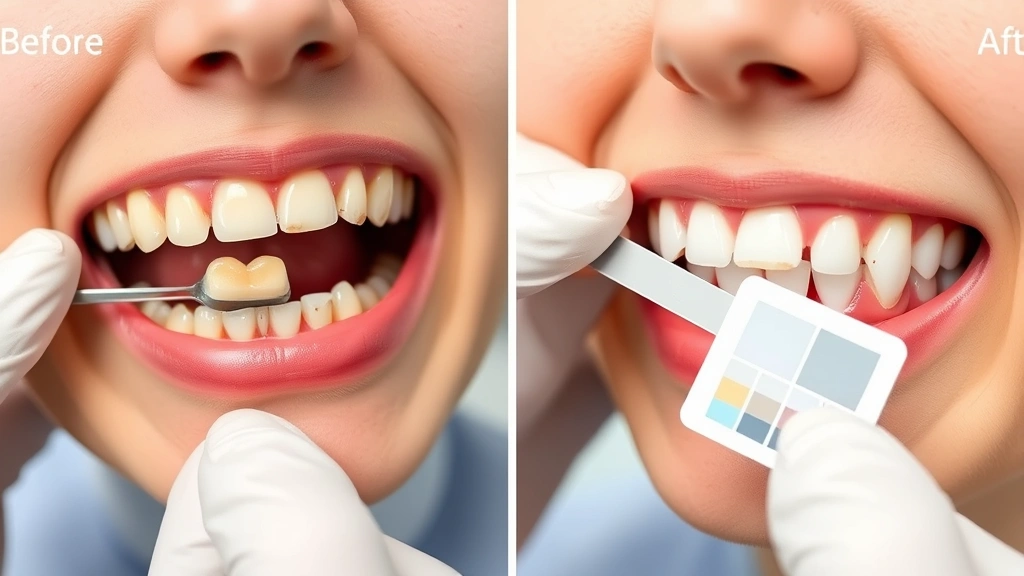
Dental veneers represent a significant advancement in cosmetic dentistry. Unlike orthodontic treatments that move teeth over time or crowns that cover the entire tooth, veneers work by adhering a thin layer directly to the visible surface of your tooth. This minimally invasive approach preserves more of your natural tooth structure while delivering dramatic aesthetic improvements.
The popularity of veneers has grown because they address multiple cosmetic concerns simultaneously. If you have teeth that are stained beyond the reach of traditional whitening, veneers can provide a permanently bright appearance. If your teeth are slightly misaligned but not severe enough to warrant braces, veneers can create the illusion of perfect alignment. They can also close small gaps between teeth, reshape teeth that appear too small or too large, and restore teeth that have become worn or damaged.
When seeking a cosmetic dentist for veneers, it’s crucial to find someone with extensive experience and a strong portfolio of before-and-after photos. The success of your veneer treatment depends heavily on the dentist’s aesthetic eye, technical skill, and understanding of facial proportions. A qualified cosmetic dentist will consider not just your teeth, but how they relate to your lips, face shape, and overall appearance.
Types of Veneers: Porcelain vs. Composite
Understanding the differences between veneer materials is essential for making the right choice for your smile. Each type offers distinct advantages and considerations.
Porcelain Veneers are the gold standard in cosmetic dentistry. They’re crafted in a dental laboratory based on precise impressions of your teeth. Porcelain veneers offer superior aesthetic qualities because they mimic the light-reflecting properties of natural tooth enamel. They’re highly resistant to staining, making them an excellent choice if you consume coffee, tea, wine, or smoke. Porcelain veneers typically last 10-15 years or longer with proper care, making them a durable investment in your smile.
The process for porcelain veneers involves tooth preparation, where a small amount of enamel is removed to accommodate the veneer’s thickness. This is permanent, which means you’ll need to maintain veneers for life or consider alternatives like crowns if they eventually need replacement. However, many patients find the results justify this commitment.
Composite Veneers are made from tooth-colored resin material that’s applied directly to your teeth during your appointment. This no-prep or minimal-prep option means little to no enamel removal is necessary, making it reversible. Composite veneers are more affordable than porcelain and can be completed in a single visit. However, they’re more susceptible to staining and typically last 5-7 years before requiring touch-ups or replacement.
Your cosmetic dentist will help you weigh these options based on your budget, aesthetic goals, and lifestyle. For those seeking longevity and superior aesthetics, porcelain is usually recommended. For those wanting a reversible option or lower initial investment, composite may be preferable.
The Veneer Procedure: Step-by-Step
Understanding what happens during your veneer procedure can help reduce anxiety and set realistic expectations. Here’s what a typical porcelain veneer appointment involves:
- Consultation and Planning: Your cosmetic dentist will examine your teeth, discuss your goals, and potentially create digital mockups showing predicted results. This is when shade selection occurs—choosing a color that complements your skin tone and looks natural.
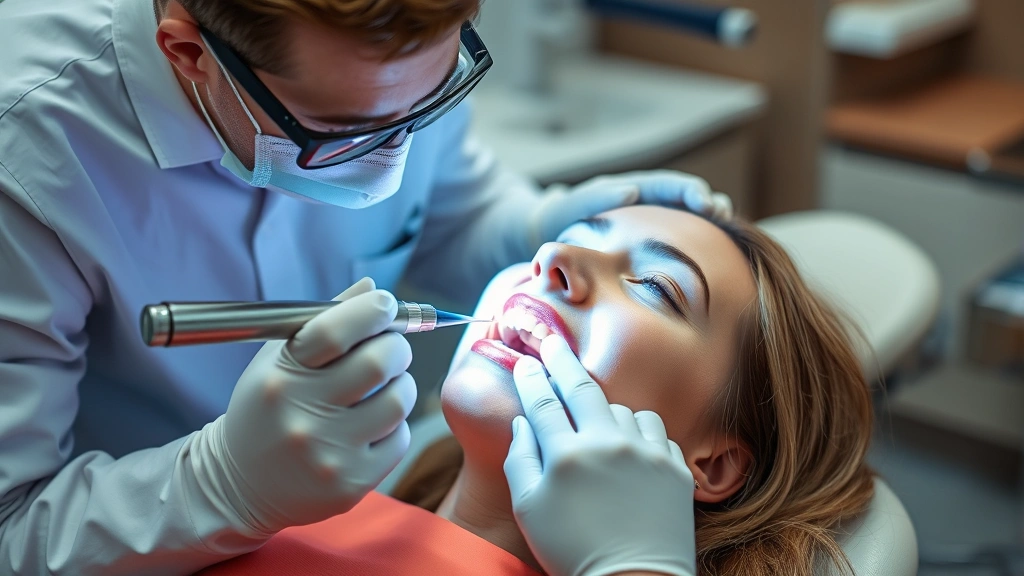
- Tooth Preparation: For porcelain veneers, the dentist removes approximately 0.5mm of enamel from the front and sides of your tooth. This is painless due to local anesthesia, but you may feel vibration and pressure. The tooth is then shaped to accommodate the veneer.
- Impression Taking: A precise impression of your prepared teeth is sent to the dental laboratory. Temporary veneers may be placed to protect your teeth while the permanent ones are being crafted.
- Veneer Fabrication: In the laboratory, skilled technicians craft your custom veneers based on the impressions and shade guide provided by your dentist. This typically takes 1-2 weeks.
- Bonding Appointment: At your second appointment, the dentist removes temporary veneers, cleans your teeth thoroughly, and applies bonding cement to the veneer and tooth. The veneer is positioned carefully, and excess cement is removed. A special light hardens the bond, creating a permanent attachment.
The entire process for multiple veneers typically requires two appointments spaced 1-2 weeks apart. Some cosmetic dentists offer same-day veneers using CAD/CAM technology, though results may vary compared to laboratory-fabricated veneers.
What to Expect Before Your Appointment
Preparation begins before you even sit in the dental chair. Start by researching and selecting a qualified cosmetic dentist with credentials from organizations like the American Academy of Cosmetic Dentistry. Review their portfolio extensively—your smile transformation depends on finding someone whose aesthetic style aligns with your vision.
Schedule a comprehensive consultation where you can discuss your goals in detail. Bring photos of smiles you admire, and be honest about what you want to change. A good cosmetic dentist will listen carefully and provide honest feedback about what’s realistic for your facial structure and existing teeth.
In the weeks before your procedure, maintain excellent oral hygiene. Brush twice daily with a soft-bristled toothbrush and floss regularly. If you have any cavities or gum disease, these should be treated before veneer placement. Consider that if you have sensitive skin or sensitive skin concerns, you may also have sensitive teeth, which should be discussed with your dentist.
Avoid teeth whitening treatments for at least two weeks before your appointment, as the shade of your natural teeth affects veneer color selection. If you grind your teeth at night, discuss this with your dentist—you may need a night guard to protect your veneers.
Post-Treatment Care and Recovery
Recovery from veneer placement is straightforward compared to many dental procedures. You may experience some sensitivity to temperature for a few days after bonding, particularly if significant tooth preparation was required. This sensitivity typically subsides within a week as the tooth adapts.
Your bite may feel slightly different initially—this is normal and usually resolves as you adjust. If your bite feels significantly off or uncomfortable, contact your dentist immediately for adjustments. Avoid chewing on very hard foods, ice, or your nails for the first 24 hours while the bonding sets completely.
For the first week, be cautious with foods and beverages that could stain composite veneers. If you have composite veneers, avoid red wine, coffee, tea, and dark sauces. Porcelain veneers are stain-resistant, but the margins where the veneer meets your tooth can collect stain, so good hygiene is still important.
If you’re dealing with any irritated skin around your mouth or lips from the procedure, use gentle, hydrating products. Avoid harsh scrubs or irritating ingredients while your oral tissues heal.
Longevity and Maintenance
The lifespan of your veneers depends on the material chosen and how well you care for them. Porcelain veneers typically last 10-15 years, while composite veneers last 5-7 years. Some patients enjoy their veneers for 20 years or more with exceptional care.
Maintaining your veneers requires commitment to oral hygiene. Brush twice daily with a non-abrasive toothpaste and a soft-bristled toothbrush. Floss daily, being careful not to snap the floss against the veneer margins. Use a water flosser if traditional floss feels risky. Consider an electric toothbrush, which is gentler than manual brushing while still removing plaque effectively.
Regular dental checkups are essential—see your dentist every six months for professional cleanings and inspections. Your dentist can identify any issues with veneer margins or bonding before they become problems. Avoid using your teeth to open packages or bite hard objects, as this can damage veneers.
If you have combination skin or any skin conditions affecting your mouth area, manage these carefully. Dry skin around the lips can lead to habits like lip biting that might damage veneers. Keep your lips moisturized and healthy.
For those who grind their teeth, wearing a night guard is crucial. Teeth grinding can crack or chip veneers over time. Your cosmetic dentist can custom-fit a guard that protects your investment while maintaining comfort during sleep.
Cost Considerations
The cost of veneers varies significantly based on material, location, and dentist expertise. Porcelain veneers typically cost $800-$2,500 per tooth, while composite veneers range from $250-$1,500 per tooth. Most cosmetic dentists require payment at the time of service, though some offer payment plans.
Consider veneers an investment in your confidence and appearance. While the initial cost is substantial, the longevity and psychological benefits often justify the expense. Many patients report that improved confidence from their enhanced smile impacts their professional success and personal relationships positively.
Dental insurance typically doesn’t cover cosmetic procedures, including veneers. However, if a veneer is placed for restorative purposes (like covering a damaged tooth), partial coverage might apply. Check with your insurance provider before proceeding.
When budgeting for veneers, factor in future maintenance costs. Professional cleanings every six months, potential touch-ups for composite veneers, and eventual replacement should be considered in your long-term financial planning.
If you’re concerned about the appearance of your smile and want to explore all options, discuss both veneers and alternatives like teeth whitening, bonding, or orthodontics with your cosmetic dentist. Sometimes a combination approach works best.
FAQ
How long does the veneer procedure take?
The entire veneer process typically takes two appointments spaced 1-2 weeks apart. The first appointment for tooth preparation and impressions takes about 1-2 hours. The second appointment for bonding usually takes 1-2 hours as well. Same-day veneer technology can complete the process in one visit, though results may differ.
Are veneers painful?
The procedure itself is not painful due to local anesthesia, though you may feel pressure and vibration during tooth preparation. Some sensitivity to temperature may occur for a few days afterward, but this is temporary and manageable.
Can veneers be whitened if they become stained?
Porcelain veneers cannot be whitened—they’re stain-resistant and maintain their original color indefinitely. Composite veneers can sometimes be polished or refinished if minor staining occurs, but they cannot be bleached like natural teeth.
What happens if a veneer breaks or chips?
Minor chips in composite veneers can often be repaired with resin bonding. Porcelain veneers that are significantly damaged typically require replacement. Avoid hard foods and use a night guard if you grind your teeth to prevent damage.
Can I get veneers if I have gum disease?
Gum disease should be treated before veneer placement. Healthy gums are essential for veneer longevity and proper bonding. Your dentist will require that your gums are healthy before proceeding with cosmetic work.
How do I choose between porcelain and composite veneers?
Choose porcelain for superior aesthetics, durability, and stain resistance, though tooth preparation is permanent. Choose composite for reversibility, lower cost, and no-prep options, understanding they require more frequent maintenance and replacement.
Will my veneers look natural?
With a skilled cosmetic dentist, veneers look extremely natural. The key is selecting appropriate shade, shape, and translucency that complements your facial features. Quality laboratory work and attention to detail during bonding are crucial for natural results.
Can I still get cavities under veneers?
Yes, cavities can develop on the tooth surface beneath or around the veneer margins. Excellent oral hygiene and regular dental checkups help prevent this. If decay occurs, the veneer may need to be removed and replaced after treating the cavity.