Best Anti-Aging Serums? Dermatologist’s Top Picks
Anti-aging serums have become the cornerstone of modern skincare routines, offering concentrated doses of active ingredients designed to combat fine lines, loss of elasticity, and uneven skin texture. Whether you’re in your twenties looking for prevention or your fifties seeking intensive correction, the right serum can transform your skin’s appearance and health. Dermatologists consistently recommend serums because their lightweight formulations allow potent actives to penetrate deeply into the epidermis and dermis, where collagen breakdown and cellular damage occur.
Finding the best anti-aging serum requires understanding your skin type, the science behind key ingredients, and how these products fit into a comprehensive skincare approach. This guide explores dermatologist-recommended serums, essential active ingredients, and application strategies that maximize anti-aging benefits while minimizing irritation.
Understanding Anti-Aging Serums and Their Benefits
Anti-aging serums are water or silicone-based formulations that deliver high concentrations of active ingredients in a lightweight texture. Unlike moisturizers, serums have smaller molecular structures that penetrate deeper into skin layers, making them ideal for targeting age-related concerns. Dermatologists favor serums because they can be layered with other products without creating an occlusive barrier that traps bacteria or causes congestion.
The primary benefits of anti-aging serums include stimulating collagen production, improving skin elasticity, reducing the appearance of fine lines and wrinkles, evening skin tone, and enhancing overall radiance. Clinical studies show that consistent serum use over 8-12 weeks produces measurable improvements in skin firmness and texture. When incorporated into a proper skincare routine for glowing skin, serums amplify results and accelerate visible transformation.
The effectiveness of serums depends on several factors: ingredient quality and concentration, your skin type compatibility, application frequency, and how well you layer them with complementary products. A serum containing 10% vitamin C, for example, will outperform one with 2% concentration. Similarly, a serum formulated for oily skin may cause congestion if applied to dry, sensitive skin without adjustment.
Key Active Ingredients in Anti-Aging Serums
Vitamin C (L-Ascorbic Acid) remains the gold standard for anti-aging serums. This potent antioxidant brightens skin, stimulates collagen synthesis, and protects against environmental damage. Dermatologists recommend serums with 10-20% L-ascorbic acid for maximum efficacy, though concentrations above 15% may irritate sensitive skin. Stabilized forms like magnesium ascorbyl phosphate offer gentler alternatives with slightly reduced potency.
Retinol and Retinoids are prescription-strength or over-the-counter ingredients that accelerate cell turnover and boost collagen production. Retinol serums work by converting to retinoic acid in the skin, triggering cellular renewal. Prescription retinoids like tretinoin and adapalene work faster but require medical supervision. For beginners, start with 0.25-0.5% retinol concentration and gradually increase frequency to build tolerance.
Hyaluronic Acid holds up to 1000 times its weight in water, plumping skin and reducing fine line appearance. While not directly anti-aging, hyaluronic acid enhances skin hydration, which improves the efficacy of other active ingredients. Serums combining hyaluronic acid with retinol or vitamin C provide both hydration and correction.
Peptides are amino acid chains that signal skin cells to produce more collagen. They strengthen the skin barrier and improve elasticity without the irritation associated with retinoids. Peptide serums work well for sensitive skin and can be combined with most other actives.
Niacinamide (Vitamin B3) strengthens the skin barrier, reduces inflammation, minimizes pore appearance, and regulates sebum production. Niacinamide serums at 4-5% concentration provide anti-aging benefits while remaining gentle enough for daily use. It’s particularly valuable for combination skin care because it balances oil production.
Glycolic Acid and AHAs exfoliate dead skin cells, revealing fresher, smoother skin underneath. These chemical exfoliants improve skin texture, reduce fine lines, and enhance product penetration. Use AHA serums 2-3 times weekly initially, gradually increasing frequency as skin adapts.
Ferulic Acid works synergistically with vitamin C and vitamin E, stabilizing these ingredients and enhancing their antioxidant power. Serums containing the ferulic acid + vitamin C + vitamin E combination provide superior photoprotection and anti-aging benefits.
Bakuchiol is a plant-derived retinol alternative that provides retinol-like benefits without irritation or photosensitivity. This emerging ingredient appeals to those who cannot tolerate retinoids and offers gentler anti-aging support.
Best Serums by Skin Type
For Dry Skin: Prioritize serums with hydrating and nourishing ingredients. Look for hyaluronic acid, glycerin, peptides, and plant oils like rosehip or argan. Avoid high concentrations of exfoliating acids or strong retinoids initially. Serums combining hyaluronic acid with niacinamide work exceptionally well for dry, aging skin, providing both hydration and collagen support. Aloe vera benefits for face can complement serum application, offering additional soothing hydration.
For Oily and Acne-Prone Skin: Choose lightweight, water-based serums with niacinamide, salicylic acid, or glycolic acid. These ingredients control sebum, prevent congestion, and address aging without heavy occlusion. Vitamin C serums work well for oily skin but select oil-free formulations. Avoid serums with heavy oils or silicones that can trap bacteria.
For Combination Skin: Select multi-tasking serums that balance hydration with mattifying properties. Niacinamide-based serums excel for combination skin because they hydrate dry areas while regulating sebum in the T-zone. Layer a lightweight hydrating serum first, then apply targeted treatment serums to specific concerns. This approach aligns with complete combination skin care guidance.
For Sensitive Skin: Start with gentle, fragrance-free serums containing soothing ingredients like centella asiatica, panthenol, or allantoin. Peptide and bakuchiol serums provide anti-aging benefits with minimal irritation. Avoid high concentrations of active ingredients initially; build tolerance gradually. Dermatologists recommend patch testing any new serum on the inner arm before facial application.
For Mature Skin (50+): Intensive serums combining multiple anti-aging actives deliver visible results. Consider serums with peptides, retinol, hyaluronic acid, and antioxidants. Higher concentrations of active ingredients suit mature skin that has built tolerance over years of use. Professional-grade serums often provide superior results for advanced aging concerns.
Application Techniques for Maximum Efficacy
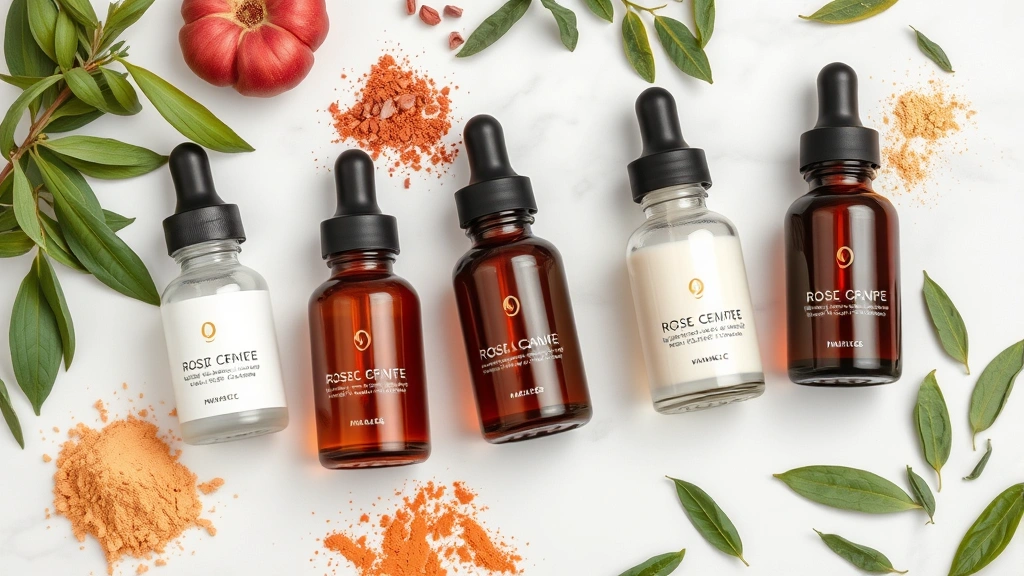
Proper application technique significantly impacts serum effectiveness. Apply serums to clean, damp skin immediately after cleansing. Damp skin increases ingredient penetration by up to 50% compared to completely dry skin. Use 2-3 drops for the face and neck, gently pressing the product into skin with fingertips using upward motions. Avoid rubbing or tugging, which can damage delicate facial skin.
Wait 2-3 minutes before applying additional products to allow the serum to absorb fully. If layering multiple serums, apply thinner consistency products first, then heavier formulations. For example, apply hyaluronic acid serum first, wait briefly, then apply vitamin C or retinol serum. This sequence prevents pilling and ensures each ingredient penetrates effectively.
Timing Considerations: Most serums work best twice daily, though retinol and AHA serums typically require evening-only application due to photosensitivity. Begin with once-daily application, gradually increasing frequency as your skin adapts. Introduce one new active ingredient at a time, waiting 2-4 weeks before adding another product. This cautious approach prevents irritation and allows you to identify which ingredients benefit your skin.
Temperature affects serum performance; store serums in cool, dry places away from direct sunlight. Light and heat degrade active ingredients, reducing efficacy. Vitamin C serums particularly benefit from cool storage and dark packaging. Discard serums after 6-12 months, depending on formulation, as active ingredients lose potency over time.
Combining Serums with Your Skincare Routine
Serums function best within a comprehensive skincare routine that addresses cleansing, treatment, hydration, and protection. Begin with a gentle cleanser suited to your skin type, removing makeup, sunscreen, and daily grime. Follow with any exfoliating toners or essences if using them, allowing skin to dry slightly before serum application. Facial toner application guidance helps optimize the preparation step for maximum serum penetration.
Apply your primary anti-aging serum next, followed by any supporting serums addressing specific concerns. Layer hydrating products like moisturizers or facial oils after serums have absorbed. Always finish your morning routine with broad-spectrum SPF 30 or higher; serums containing vitamin C and other antioxidants work synergistically with sunscreen for superior photoprotection.
Evening routines can include more active ingredients since photosensitivity isn’t a concern. Apply retinol or stronger actives at night, allowing them to work while skin naturally regenerates. Complete with a nourishing night cream to support skin barrier function and lock in serum benefits. Facial massage benefits enhance circulation and product absorption when performed gently after serum application.
Weekly treatments complement daily serums. Homemade face masks for glowing skin using natural ingredients like honey, avocado, or yogurt provide additional hydration and nourishment. Apply masks after serums have fully absorbed, leaving them on for 10-15 minutes before rinsing.
Budget-Friendly Alternatives and Discount Strategies
Premium anti-aging serums from dermatologist-recommended brands often cost $50-150 per bottle, making them significant skincare investments. However, numerous effective alternatives exist at various price points. Brands like The Ordinary, Paula’s Choice, and Cetaphil offer clinical-strength actives at fraction of luxury brand costs. The Ordinary’s niacinamide serum ($5-10) rivals serums costing 10 times more, containing 10% niacinamide at excellent concentration.
Many brands offer loyalty programs, subscription discounts, and seasonal sales providing 15-30% savings. Sign up for email newsletters from preferred brands to receive exclusive discount codes. During major shopping events like Black Friday, Cyber Monday, and seasonal sales, quality serums frequently discount 20-50%. Retailers like Sephora offer member-exclusive benefits and point rewards redeemable for products.
If you’re exploring professional-grade brands, research available promotional codes. For example, Thrive Cosmetics discount code options often appear on beauty blogs and coupon sites, providing 10-25% off purchases. Always verify codes work with your intended products and check expiration dates before checkout. Stackable discounts—combining loyalty points with promotional codes—maximize savings on premium purchases.
Consider starting with budget-friendly serums to determine which active ingredients work best for your skin before investing in premium formulations. Many affordable serums contain identical active ingredients to expensive counterparts, with pricing differences reflecting branding and packaging rather than efficacy. Once you’ve identified your skin’s preferences, upgrade to professional-grade serums if desired, knowing exactly which ingredients justify the investment.
Dermatologists emphasize that consistency matters more than price point. An affordable serum used religiously delivers better results than an expensive serum gathering dust on your shelf. Establish a realistic budget, select serums with proven ingredients at your price point, and commit to consistent application for 8-12 weeks before evaluating results.
FAQ
How long does it take to see results from anti-aging serums?
Most people notice subtle improvements in skin texture and hydration within 2-4 weeks of consistent serum use. Visible changes in fine lines, firmness, and tone typically appear after 8-12 weeks. Retinol and peptide serums may require 12-16 weeks for full results as they work through cellular turnover cycles. Patience and consistency are essential; results compound over time.
Can I use multiple anti-aging serums together?
Yes, layering serums is effective when done strategically. Apply thinner serums first, thicker ones last. Avoid combining potentially irritating ingredients like retinol with strong exfoliating acids on the same night initially. If you’re new to actives, introduce one ingredient at a time before adding another. Experienced users can combine complementary ingredients like hyaluronic acid + vitamin C or peptides + niacinamide.
Which anti-aging serum is best for sensitive skin?
Peptide, bakuchiol, and centella asiatica-based serums suit sensitive skin best. Start with lower concentrations (0.25-0.5% retinol) and increase gradually. Niacinamide at 4-5% provides anti-aging benefits while soothing irritation. Avoid high concentrations of acids, strong retinoids, and fragrance. Always patch test new products and introduce them slowly, using them 1-2 times weekly initially.
Should I wear sunscreen with anti-aging serums?
Absolutely. Many anti-aging ingredients like vitamin C, retinol, and AHAs increase sun sensitivity. SPF 30+ broad-spectrum sunscreen is non-negotiable, especially during retinoid use. Sunscreen prevents photodamage that causes aging and ensures your serum investments protect rather than expose skin to UV harm. Apply sunscreen as your final morning step, 15 minutes before sun exposure.
How do I know if a serum is causing irritation versus adjustment?
Mild dryness, slight redness, and mild peeling during the first 1-2 weeks of retinoid use indicate normal adjustment. Severe redness, burning, persistent itching, or rashes suggest incompatibility. Reduce application frequency or concentration if experiencing significant discomfort. If irritation persists after 2 weeks of reduced use, discontinue and consult a dermatologist. True irritation differs from retinization, which is temporary and improves with continued use.
Can anti-aging serums replace moisturizer?
No, serums and moisturizers serve different functions. Serums deliver active ingredients; moisturizers seal hydration and support the skin barrier. Both are necessary for optimal results. Lightweight serums followed by appropriate moisturizers create synergistic benefits. Skipping moisturizer, even with hydrating serums, can compromise barrier function and reduce overall efficacy.