Cosmetic Canine Tooth Crowns? Dentist Explains Cost
Canine teeth are among the most visible teeth in your smile, and their appearance significantly impacts your overall facial aesthetics. Whether you’re considering cosmetic enhancement or dental restoration, understanding the cost and options for canine tooth crowns is essential. This comprehensive guide explores everything you need to know about cosmetic canine tooth crowns, from pricing to materials and the aesthetic considerations that make them such an important investment in your smile.
The demand for cosmetic canine tooth crowns has grown substantially as more people seek to enhance their smile’s appearance. Unlike other teeth, canines play a crucial role in both function and aesthetics—they’re naturally prominent and contribute significantly to facial proportions. If you’re exploring this dental procedure, you’ll want to understand the financial investment, material options, and how this treatment compares to other cosmetic dentistry solutions.
Cost Breakdown and Pricing Factors
The cost of cosmetic canine tooth crowns varies significantly based on multiple factors. On average, a single dental crown can range from $800 to $3,500, with cosmetic crowns typically falling toward the higher end of this spectrum. This price variation depends on your geographic location, the dentist’s expertise, the specific materials used, and the complexity of your case.
Several key factors influence the final cost of your canine crown:
- Geographic Location: Metropolitan areas and regions with higher costs of living generally charge more for dental procedures. A crown in New York City or Los Angeles will likely cost more than the same procedure in a smaller city.
- Dentist’s Experience: Cosmetic dentists with extensive experience and specialized training in aesthetic dentistry typically charge premium prices. Their expertise in creating natural-looking results justifies higher fees.
- Laboratory Fees: Custom-fabricated crowns require skilled dental technicians. High-quality laboratories that specialize in aesthetic restorations charge more but deliver superior results.
- Material Selection: The type of crown material dramatically affects pricing. Porcelain-fused-to-metal crowns cost less than full ceramic or zirconia options.
- Preparatory Work: If you require additional procedures like root canal therapy, gum contouring, or bone grafting, these add to the overall cost.
Insurance coverage for cosmetic canine crowns is typically limited since most plans classify cosmetic procedures as elective. However, if your crown serves a restorative function—such as repairing a damaged or decayed tooth—your insurance may cover a portion of the cost. Always check with your insurance provider before committing to the procedure.
Crown Material Options and Their Impact on Cost
The material you choose for your canine crown significantly impacts both the cost and the aesthetic outcome. Understanding each option helps you make an informed decision that balances your budget with your aesthetic goals.
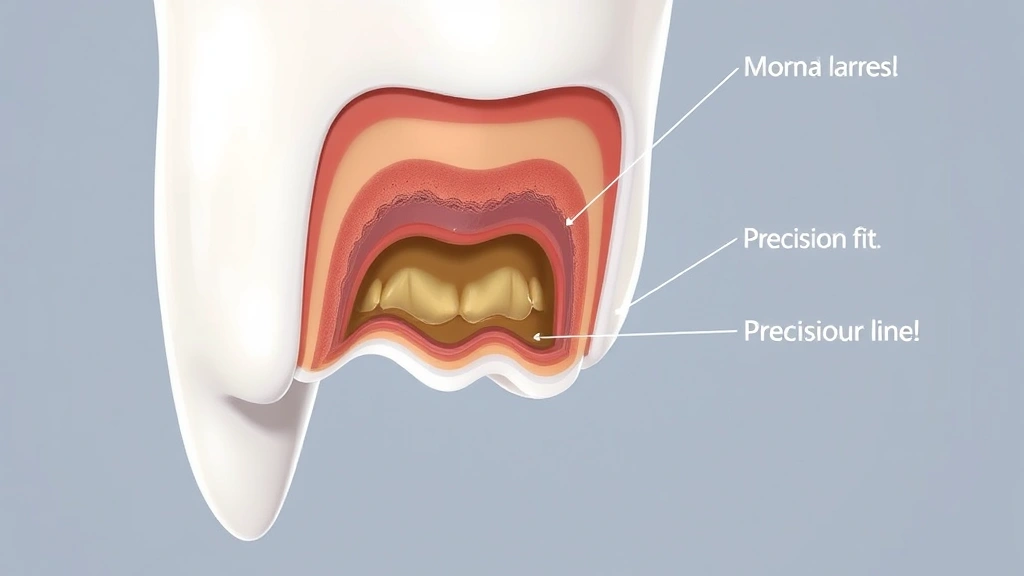
Porcelain-Fused-to-Metal (PFM) Crowns: These crowns combine a metal core with a porcelain exterior, offering durability and reasonable aesthetics. They typically cost $800-$1,500 per crown and are often the most affordable option. However, they may show a slight metal line at the gum margin, which can be problematic for cosmetic cases on highly visible canine teeth. The metal base can sometimes create a darker appearance that doesn’t blend seamlessly with natural teeth.
All-Ceramic or Porcelain Crowns: These crowns provide superior aesthetics because they’re entirely tooth-colored without any metal substructure. They cost between $1,200-$2,500 per crown and offer excellent light transmission, making them ideal for cosmetic enhancement. All-ceramic crowns can be custom-shaded to match your natural teeth perfectly, and they don’t create the dark line that PFM crowns sometimes show. They’re the preferred choice for visible canine teeth because they replicate natural tooth appearance most convincingly.
Zirconia Crowns: Zirconia is a premium ceramic material that’s incredibly strong and aesthetically superior. These crowns cost $1,500-$3,500 per crown but offer exceptional longevity and natural appearance. Zirconia is highly translucent, mimicking the light-reflecting properties of natural teeth. They’re an excellent investment for patients who want the best combination of durability and aesthetics, particularly for canine teeth that endure significant biting forces.
Gold or Metal Alloy Crowns: While not typically chosen for cosmetic canine teeth due to their obvious appearance, gold crowns are extremely durable and biocompatible. They cost $1,000-$2,500 but are rarely selected for front teeth unless the patient specifically desires the gold aesthetic.
When choosing your crown material, consider that canine teeth bear significant functional stress during biting and tearing. You want a material that’s both beautiful and durable enough to withstand these forces for 10-15 years or longer.
Aesthetic Considerations for Canine Crowns
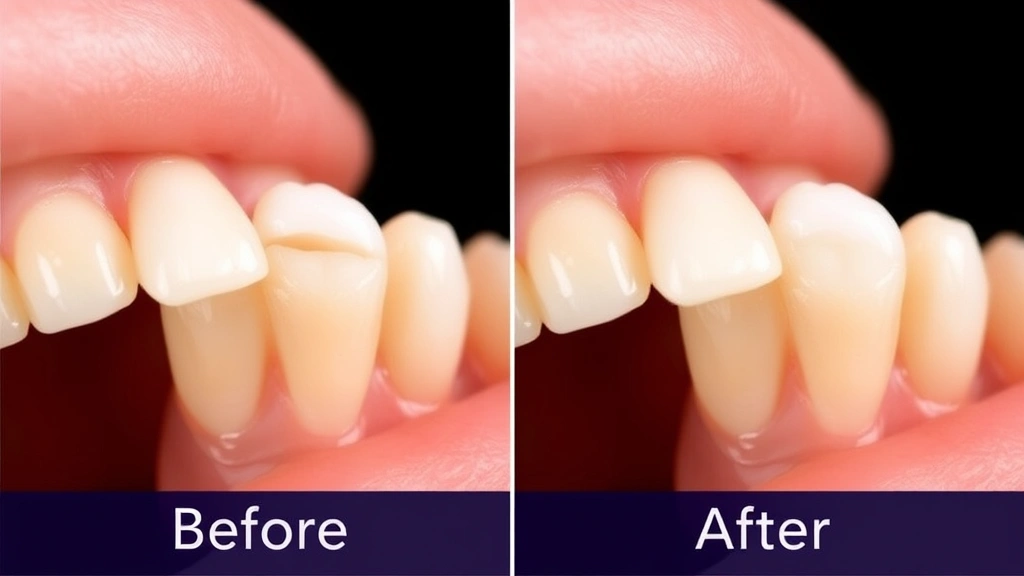
Creating a beautiful cosmetic canine crown requires more than just selecting the right material—it demands careful attention to shade, shape, translucency, and how the crown harmonizes with your entire smile. This is where a skilled cosmetic dentist makes all the difference, which is why expertise significantly impacts cost.
Shade Matching: The most challenging aspect of canine crown aesthetics is achieving perfect shade matching. Canine teeth are naturally slightly more yellow than other teeth, and your new crown must replicate this subtle coloration. A cosmetic dentist will evaluate your natural canine tooth and compare it with tooth shade guides, often creating custom shades with the dental laboratory. This precision work ensures your crown doesn’t stand out as noticeably artificial.
Translucency and Texture: Natural teeth aren’t uniformly opaque—they have varying degrees of translucency, particularly at the incisal edges. High-quality cosmetic crowns replicate this translucency, making them virtually indistinguishable from natural teeth. The surface texture also matters; natural teeth have subtle surface variations and micro-texturing that skilled laboratories can replicate. Budget crowns often lack these details, resulting in an overly plastic appearance.
Shape and Contour: Your canine teeth have a specific shape that contributes to your facial proportions and smile aesthetics. A cosmetic dentist considers your overall facial aesthetics when designing your crown, ensuring the shape complements your face shape, lip line, and existing teeth. This customization is part of what makes cosmetic crowns more expensive than standard restorations.
Gum Contour: The way your crown margin interfaces with your gums significantly impacts the final appearance. A skilled cosmetic dentist may recommend gum contouring to create optimal proportions between your tooth and gingival tissue. This additional procedure adds cost but dramatically improves the overall aesthetic result.
The Procedure Process and Timeline
Understanding the procedure timeline helps you plan for your cosmetic canine crown and understand why the process requires multiple appointments and contributes to overall cost.
Initial Consultation and Planning: Your first appointment involves a comprehensive evaluation of your canine teeth, overall smile design, and aesthetic goals. The dentist will take photographs, possibly create digital simulations, and discuss material options. This consultation may cost $100-$300 and is essential for establishing realistic expectations.
Tooth Preparation: During your second appointment, the dentist prepares your tooth by removing decay or damaged portions and shaping it to accommodate the crown. For cosmetic cases, this preparation is meticulous—the margins must be precisely placed, often subgingivally (below the gum line) for maximum aesthetics. Local anesthesia ensures comfort during this 45-60 minute procedure. A temporary crown is placed to protect your tooth and maintain your appearance while the permanent crown is fabricated.
Laboratory Fabrication: Your prepared tooth impression is sent to a dental laboratory where skilled technicians fabricate your custom crown. This process typically takes 7-14 days. High-quality cosmetic labs take additional time for shade refinement, translucency adjustments, and surface texturing. Expedited services may be available but typically cost more.
Crown Delivery and Adjustment: When your permanent crown is ready, you return for placement. The dentist removes your temporary crown, cleans the tooth, and evaluates fit, bite, and aesthetics. Adjustments are made if necessary, and the crown is cemented permanently. This appointment takes 30-60 minutes and completes the restoration process.
The total timeline from initial consultation to final placement typically spans 2-3 weeks, though some practices offer same-day crowns using CAD/CAM technology. However, same-day crowns may sacrifice some aesthetic customization compared to traditional laboratory-fabricated crowns.
Maintenance and Longevity
Proper maintenance ensures your cosmetic canine crown lasts 10-15 years or longer, making it a worthwhile investment. Understanding long-term care helps you maximize your investment and avoid costly replacements or repairs.
Daily Care Routine: Treat your crown like a natural tooth. Brush twice daily with a soft-bristled toothbrush and non-abrasive toothpaste. Avoid whitening toothpastes, as they don’t whiten crowns and can be abrasive. Floss daily, being gentle where the crown meets your gum line to prevent inflammation. This basic routine mirrors the care recommended in comprehensive skincare routines for overall health.
Dietary Considerations: While modern crowns are durable, avoid chewing on hard objects like ice, nuts, or candy. These can crack or chip your crown, particularly all-ceramic or porcelain options. Be mindful of extremely hot or cold foods, as temperature changes can sometimes cause discomfort if the underlying tooth is sensitive.
Regular Dental Visits: Schedule professional cleanings every six months. Your dentist can monitor the crown’s integrity, check for any gaps or decay at the margins, and address issues before they become serious problems. Professional cleanings also help maintain the crown’s appearance by removing surface stains.
Gum Health: Maintain healthy gums around your crown. Inflammation or recession can compromise the crown’s appearance and longevity. If you notice inflammation around the crown, consult your dentist immediately. Proper flossing and gum care are essential for crown longevity.
Lifespan and Replacement: Most quality crowns last 10-15 years before needing replacement. Factors affecting longevity include material quality, your oral hygiene, bite forces, and whether you grind your teeth. Zirconia crowns typically last longer than all-ceramic options. When replacement becomes necessary, you’ll incur another crown cost, so choosing quality materials initially can save money long-term.
Alternatives to Consider
Before committing to a cosmetic canine crown, explore alternative treatments that might address your concerns at lower cost or with less tooth preparation.
Dental Veneers: If your canine tooth is healthy and you primarily want to change its appearance, veneers might be an excellent alternative. Porcelain veneers cost $800-$2,000 per tooth and require less tooth preparation than crowns. However, veneers are better suited for changing color or shape rather than addressing structural damage. They’re ideal if you want to lighten or reshape your canine without extensive preparation.
Composite Bonding: For minor cosmetic concerns, composite resin bonding offers an affordable solution at $150-$600 per tooth. Your dentist applies tooth-colored resin directly to your canine and sculpts it into the desired shape. While less durable than crowns (lasting 5-10 years), bonding is reversible and requires minimal tooth preparation. It’s perfect for patients with budget constraints or those wanting to test cosmetic changes before committing to crowns.
Teeth Whitening: If your canine appears yellower than other teeth, professional whitening might address the concern. Combined with overall smile enhancement treatments, whitening costs $300-$1,000 and is significantly less invasive than crown placement. However, whitening won’t address structural issues like cracks, chips, or severe discoloration.
Orthodontics: If your canine is misaligned, orthodontic treatment might be preferable to crown placement. Modern options like clear aligners offer aesthetic treatment at $2,000-$8,000 for the full course. Orthodontics preserves your natural tooth structure while improving alignment and bite function.
Discuss these alternatives with your cosmetic dentist, who can recommend the most suitable option based on your specific situation and aesthetic goals.
FAQ
How much does a single cosmetic canine tooth crown cost?
A single cosmetic canine crown typically costs between $1,200-$3,500, depending on the material, dentist expertise, location, and laboratory quality. All-ceramic and zirconia crowns are more expensive than porcelain-fused-to-metal options but offer superior aesthetics for visible canine teeth.
Are cosmetic canine crowns covered by dental insurance?
Most dental insurance plans don’t cover cosmetic crowns since they classify them as elective procedures. However, if your crown serves a restorative function—repairing damage, decay, or structural problems—insurance may cover 50-80% of the cost. Check with your specific plan before proceeding.
How long do cosmetic canine crowns last?
Quality cosmetic canine crowns typically last 10-15 years with proper care. Zirconia crowns often last longer than all-ceramic options. Lifespan depends on material quality, your oral hygiene, bite forces, and whether you have habits like teeth grinding.
Can I whiten my cosmetic canine crown?
No, crowns don’t respond to whitening treatments since they’re fabricated from ceramic or other materials rather than natural tooth structure. If you want to whiten your natural teeth, do this before crown placement so the dentist can match the crown to your whitened shade.
What’s the difference between a cosmetic crown and a standard crown?
Cosmetic crowns prioritize aesthetics with premium materials, precise shade matching, translucency adjustments, and surface texturing. Standard crowns focus on function and durability. Cosmetic crowns cost more but deliver superior appearance, making them ideal for visible teeth like canines.
Can I get a same-day cosmetic canine crown?
Some dental practices offer same-day crowns using CAD/CAM technology. While convenient, same-day crowns may sacrifice some aesthetic customization compared to traditional laboratory-fabricated crowns. For optimal cosmetic results on visible canines, traditional crowns are often preferable despite requiring multiple appointments.
What should I avoid after getting a cosmetic canine crown?
Avoid chewing on hard objects, ice, or nuts that could crack your crown. Minimize exposure to extreme temperatures, practice excellent oral hygiene, and maintain regular dental visits. If you grind your teeth, discuss a nightguard with your dentist to protect your investment.