Serums have become a cornerstone of modern skincare routines, yet many people remain confused about what they actually are and how they fit into a comprehensive beauty regimen. At their core, serums are concentrated formulations designed to deliver potent active ingredients directly to the skin. Unlike traditional moisturizers or cleansers, serums pack a significantly higher concentration of beneficial compounds into a smaller volume, making them one of the most efficient ways to address specific skin concerns.
The beauty of serums lies in their versatility and efficacy. Whether you’re battling dark circles under the eyes, struggling with uneven texture, or seeking a hydration boost, there’s likely a serum formulated to target your unique needs. Understanding the science behind these products and how to incorporate them into your skincare routine can transform your skin’s appearance and health.
What Exactly Is a Serum?
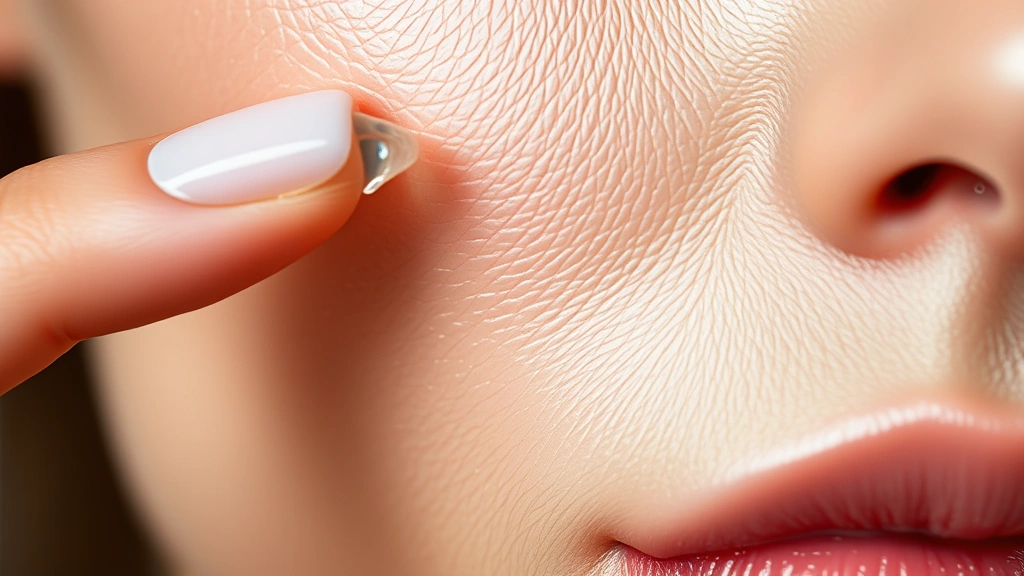
A serum is a lightweight, fast-absorbing liquid or gel formulation that contains a high concentration of active ingredients suspended in a carrier base. The term “serum” itself comes from the Latin word meaning “whey,” referring to the clear liquid component. In skincare terminology, serums represent a concentrated form of cosmetics that delivers therapeutic compounds more efficiently than traditional creams or lotions.
The fundamental difference between serums and other skincare products lies in their molecular structure and delivery mechanism. Serums typically contain smaller molecular weight ingredients, allowing them to penetrate the skin barrier more effectively and reach deeper layers of the epidermis. This makes them ideal for addressing concerns that require intensive treatment, from fine lines and wrinkles to hyperpigmentation and acne.
Most serums contain 30-70% active ingredients by volume, compared to moisturizers which typically contain 5-20%. This higher concentration doesn’t necessarily mean they’re stronger or better than other products—it simply means they’re more targeted and require less product to be effective. A single pump or two of serum often provides sufficient coverage for the entire face and neck.
Key Characteristics That Define Serums
Understanding what makes a serum distinct from other skincare products helps you identify quality formulations and use them effectively. Several defining characteristics separate serums from creams, oils, and toners:
- Lightweight Texture: Serums have a thin, fluid consistency that absorbs quickly without leaving a greasy residue. This makes them ideal for layering with other products and suitable for all skin types, including oily and acne-prone skin.
- High Active Ingredient Concentration: The defining feature of serums is their potency. They contain significantly more active compounds per milliliter than other product categories, allowing you to address specific concerns more directly.
- Fast Absorption Rate: Due to their molecular composition, serums penetrate the skin rapidly, typically within 30 seconds to two minutes of application. This quick absorption means you won’t feel a heavy layer sitting on your skin.
- Targeted Formulations: Rather than providing basic hydration or cleansing, serums are engineered to target specific skin concerns like hyperpigmentation, aging, dehydration, or sensitivity.
- Minimal Fillers: While serums do contain carrier ingredients, they minimize unnecessary fillers and focus on delivering active compounds efficiently to the skin.
These characteristics make serums particularly valuable for anyone serious about optimizing their skincare results. They’re the intermediary between cleansing and moisturizing, occupying a crucial space in a well-rounded routine.
Types of Serums and Their Targeted Benefits
The serum category encompasses numerous formulations, each designed to address specific skin concerns. Familiarizing yourself with the main types helps you select the right product for your needs:
Hydrating Serums: These formulations feature hyaluronic acid and other humectants that draw moisture into the skin. They’re essential for dehydrated skin and work beautifully under moisturizers to boost hydration levels. Popular ingredients include sodium hyaluronate, glycerin, and panthenol.
Vitamin C Serums: Formulated with ascorbic acid or stabilized vitamin C derivatives, these serums brighten the complexion, fade hyperpigmentation, and provide antioxidant protection. They’re particularly effective for dull, uneven skin tone and work well as part of an anti-aging routine.
Niacinamide Serums: This B-vitamin derivative strengthens the skin barrier, reduces pore appearance, minimizes sebum production, and calms inflammation. Niacinamide serums are exceptionally versatile and work well for most skin types, including sensitive and acne-prone complexions.
Peptide Serums: Containing amino acid chains that mimic collagen-building signals, peptide serums support skin firmness and elasticity. They’re ideal for mature skin and anyone concerned with fine lines and loss of firmness.
Retinol and Retinoid Serums: These powerful anti-aging serums contain vitamin A derivatives that accelerate cell turnover, reduce fine lines, and improve skin texture. They require careful introduction into routines due to potential sensitivity.
Exfoliating Serums: Formulated with chemical exfoliants like AHAs (alpha hydroxy acids) or BHAs (beta hydroxy acids), these serums dissolve dead skin cells and reveal brighter, smoother skin beneath.
How to Properly Use Serums in Your Routine
Correct application technique maximizes serum efficacy and prevents potential irritation. The standard protocol for using serums involves several important steps:
Step One—Cleanse: Begin with a clean face, free from makeup, dirt, and oil. Use your regular cleanser and pat skin dry with a soft cloth. Some experts recommend leaving skin slightly damp, as this can enhance serum absorption.
Step Two—Apply Toner (Optional): If you use facial toners as part of your routine, apply this before your serum. Toners can help prepare the skin and enhance subsequent product penetration.
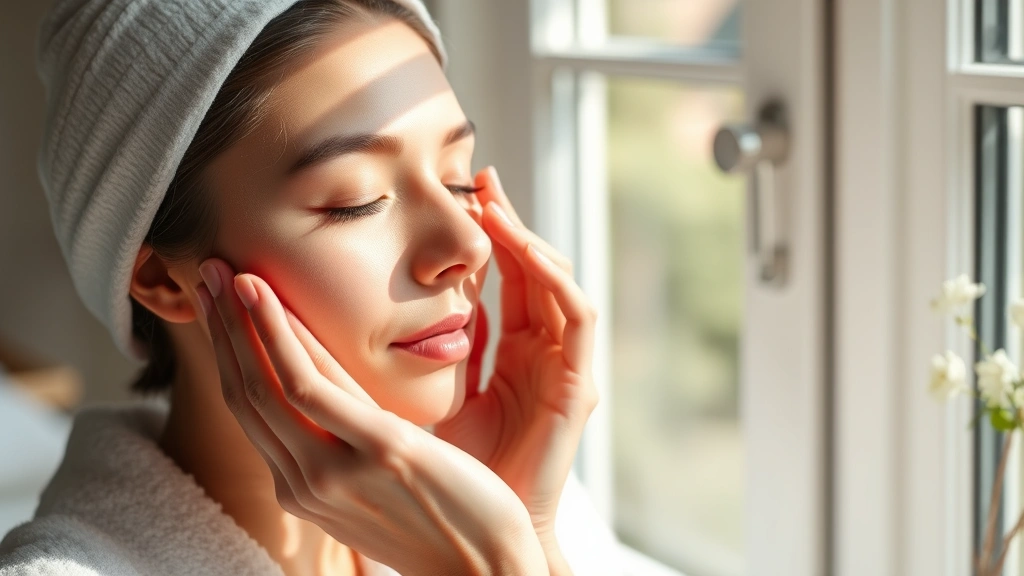
Step Three—Serum Application: Dispense one to two pumps of serum onto your fingertips or directly onto your face. Using gentle, upward motions, press the serum into your skin rather than rubbing it. Focus on areas of concern, such as forehead, cheeks, and chin. Allow 30-60 seconds for complete absorption before proceeding to the next step.
Step Four—Moisturize: Follow your serum with an appropriate moisturizer for your skin type. This locks in the serum’s benefits and provides additional hydration and protection. For combination skin, choose a lightweight moisturizer that won’t overload oily zones.
Step Five—Sun Protection: During morning routines, apply broad-spectrum SPF 30 or higher as the final step. This protects your skin and prevents serum ingredients like vitamin C from oxidizing.
Consistency matters significantly with serums. Most active ingredients require 4-12 weeks of regular use to show visible results. Patience and adherence to your routine will yield the best outcomes.
Essential Serum Ingredients Explained
Understanding common serum ingredients empowers you to select formulations aligned with your specific skin concerns. Here are the most scientifically-backed ingredients found in quality serums:
Hyaluronic Acid: A naturally occurring humectant that holds up to 1000 times its weight in water. This ingredient plumps skin, reduces fine line appearance, and maintains hydration levels. It’s suitable for all skin types and particularly beneficial for dehydrated skin.
Vitamin C (L-Ascorbic Acid): A potent antioxidant that brightens complexion, stimulates collagen production, and protects against environmental damage. Stable forms like ascorbyl palmitate or magnesium ascorbyl phosphate work well in serums.
Niacinamide: This water-soluble B-vitamin reduces inflammation, strengthens the skin barrier, minimizes pore appearance, and regulates sebum production. Research from the American Academy of Dermatology supports niacinamide’s efficacy across multiple skin conditions.
Peptides: Short chains of amino acids that signal skin cells to produce collagen and elastin. Peptides improve firmness, elasticity, and overall skin texture without the irritation potential of some other actives.
Glycerin: A humectant that draws moisture into the skin and maintains hydration. Glycerin is gentle, non-irritating, and works synergistically with other hydrating ingredients.
Retinol and Retinoids: Vitamin A derivatives that accelerate cell turnover, reduce fine lines, and improve skin texture. These require gradual introduction and sun protection due to increased photosensitivity.
Salicylic Acid (BHA): A lipophilic exfoliant that penetrates oily pores, dissolves comedones, and reduces breakouts. Ideal for acne-prone and oily skin types.
Glycolic Acid (AHA): A water-soluble exfoliant derived from sugar cane that removes dead skin cells and brightens complexion. Suitable for most skin types but requires caution with sensitive skin.
When selecting serums, look for ingredient databases and cosmetic chemistry resources that provide detailed information about formulation percentages and efficacy data.
Serums for Different Skin Types
Tailoring your serum choice to your specific skin type ensures optimal results and minimizes potential adverse reactions:
Oily Skin: Choose lightweight, water-based serums with niacinamide, salicylic acid, or glycolic acid. Avoid heavy oils and focus on serums that regulate sebum production and prevent clogged pores. Gel-based serums work particularly well for this skin type.
Dry Skin: Prioritize hydrating serums containing hyaluronic acid, glycerin, and peptides. These ingredients draw moisture into the skin and support barrier function. You may benefit from layering multiple hydrating serums for enhanced results.
Combination Skin: Select serums that balance hydration without adding excess oil. Niacinamide serums work beautifully for combination skin, as does a lightweight hydrating serum followed by targeted treatment serums for specific concerns.
Sensitive Skin: Choose serums formulated without common irritants like fragrance, essential oils, and strong chemical exfoliants. Opt for soothing ingredients like centella asiatica, allantoin, and beta-glucans that calm inflammation while delivering benefits.
Acne-Prone Skin: Look for serums containing salicylic acid, niacinamide, or azelaic acid that address breakouts without over-drying. Serums designed for blackhead prevention often work well for this skin type.
Mature Skin: Choose serums with peptides, retinol, vitamin C, and hyaluronic acid that address fine lines, loss of firmness, and hydration. Layer multiple serums for comprehensive anti-aging benefits.
Layering Serums for Maximum Impact
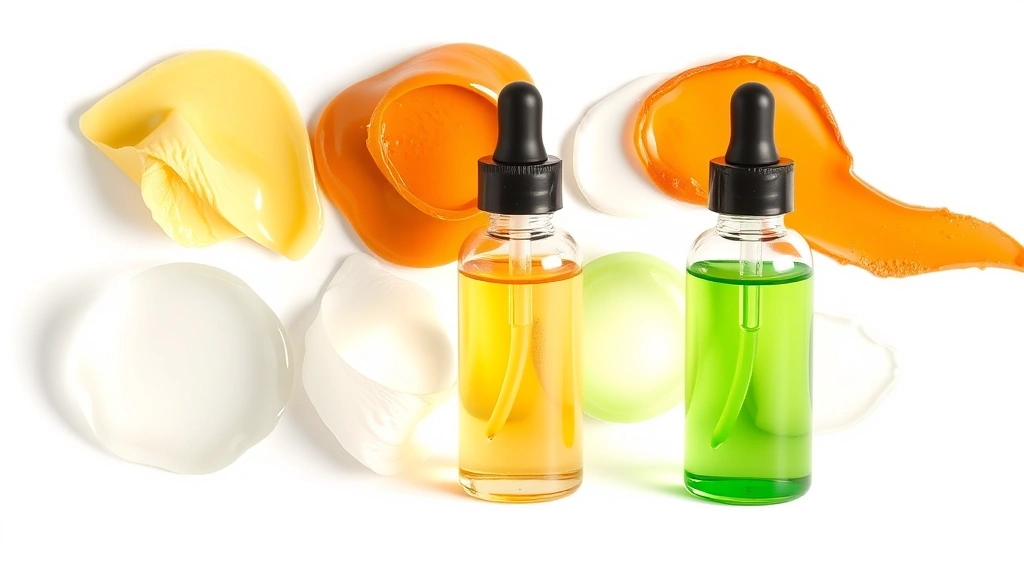
Strategic serum layering amplifies benefits when done correctly. The golden rule is to apply products from thinnest to thickest consistency, allowing each to absorb before applying the next:
The Layering Sequence: Begin with the lightest serum, typically a hydrating formulation, followed by treatment serums addressing specific concerns. For example, a hydrating serum first, then vitamin C, then niacinamide, finishing with a heavier moisturizer. This sequence ensures each ingredient penetrates effectively without interference.
Wait Times: Allow 30-60 seconds between each product application. This brief pause ensures proper absorption and prevents pilling or separation. Some ingredients, particularly actives like retinol or vitamin C, benefit from longer wait times—up to 5 minutes—before applying subsequent products.
Compatibility Considerations: Certain ingredients work synergistically while others compete or cause irritation. Vitamin C and niacinamide work beautifully together. However, avoid combining retinol with vitamin C, AHAs, or BHAs in the same routine, as this increases irritation risk. Instead, alternate these potent actives on different days.
Quantity Guidelines: Each serum requires only one to two pumps. Using excessive amounts won’t improve results and may lead to pilling or reduced absorption. A little goes a long way with concentrated formulations.
Proper serum layering transforms your skincare routine into a targeted treatment regimen addressing multiple concerns simultaneously. This approach, supported by cosmetic chemistry principles, maximizes the value of your skincare investment.
FAQ
Can I use multiple serums together?
Yes, you can layer multiple serums effectively by applying them from thinnest to thickest consistency. However, limit yourself to two or three serums maximum to avoid overwhelming your skin. Allow 30-60 seconds between applications for proper absorption. Be mindful of ingredient compatibility—certain combinations, like retinol with AHAs, should be avoided to prevent irritation.
How long does it take to see results from serums?
Most serums require 4-12 weeks of consistent daily use before visible results appear. This timeline varies depending on the serum type and your specific skin concern. Hydrating serums may show faster results, while anti-aging serums addressing fine lines typically require longer. Consistency and patience are essential for optimal outcomes.
Can serums replace moisturizers?
No, serums should not replace moisturizers. While serums deliver concentrated active ingredients, they’re not formulated to provide the occlusive barrier function that moisturizers offer. Most serums should be followed by an appropriate moisturizer to lock in hydration and protect your skin barrier. This two-step approach ensures both efficacy and protection.
Are serums suitable for sensitive skin?
Yes, serums can be suitable for sensitive skin when formulated appropriately. Look for serums free from fragrance, essential oils, and strong chemical exfoliants. Ingredients like centella asiatica, allantoin, and peptides are gentle yet effective for sensitive complexions. Always introduce new serums gradually, starting with two to three times weekly before increasing frequency.
What’s the difference between serums and essences?
Serums and essences are different product categories. Essences are lighter, more water-based formulations that provide hydration and prepare skin for subsequent products. Serums are thicker, more concentrated formulations delivering potent active ingredients. While essences are typically used after toning, serums come after essences in your skincare sequence.
Can I use serums during pregnancy?
Most serums are safe during pregnancy, but certain ingredients require caution. Avoid retinol, retinoids, and high-dose salicylic acid during pregnancy. Ingredients like hyaluronic acid, niacinamide, peptides, and vitamin C are generally considered safe. Always consult your healthcare provider before introducing new skincare products during pregnancy.
How should I store my serums?
Store serums in cool, dark places away from direct sunlight and heat. Many serums contain light-sensitive ingredients like vitamin C and retinol that degrade when exposed to UV light. Consider storing serums in the refrigerator for extended shelf life, particularly if your bathroom is humid or warm. Check expiration dates regularly and discard serums showing signs of discoloration or separation.
What’s the best time to apply serums?
Apply serums twice daily—morning and night—as part of your skincare routine. Morning serums should include SPF protection afterward to prevent photosensitivity issues. Night serums, particularly those containing retinol or strong exfoliants, allow skin to repair and regenerate overnight. Consistency with morning and evening applications maximizes serum efficacy.